Barcelona: Gaudí, Food, and the Soul of Catalonia
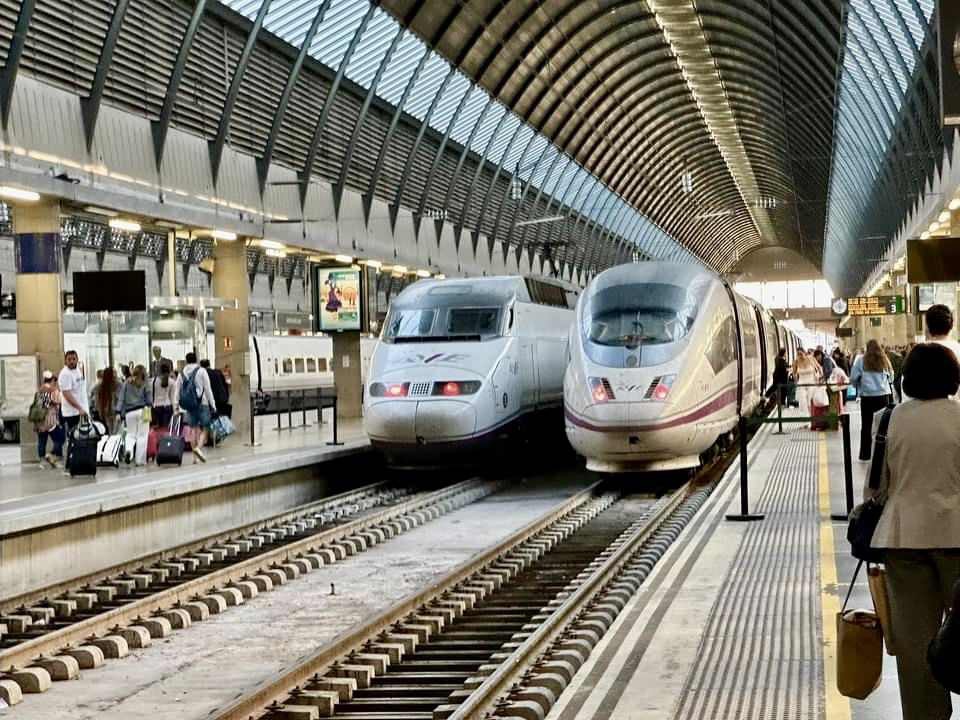
We arrived in Barcelona on the high-speed train from Seville, and I don’t think I’ve ever seen my husband more excited — he was like a little boy in a toy store, grinning ear to ear as we zipped across Spain at nearly 200 mph. Stepping off at Barcelona Sants Station, the energy of the city hit us immediately.
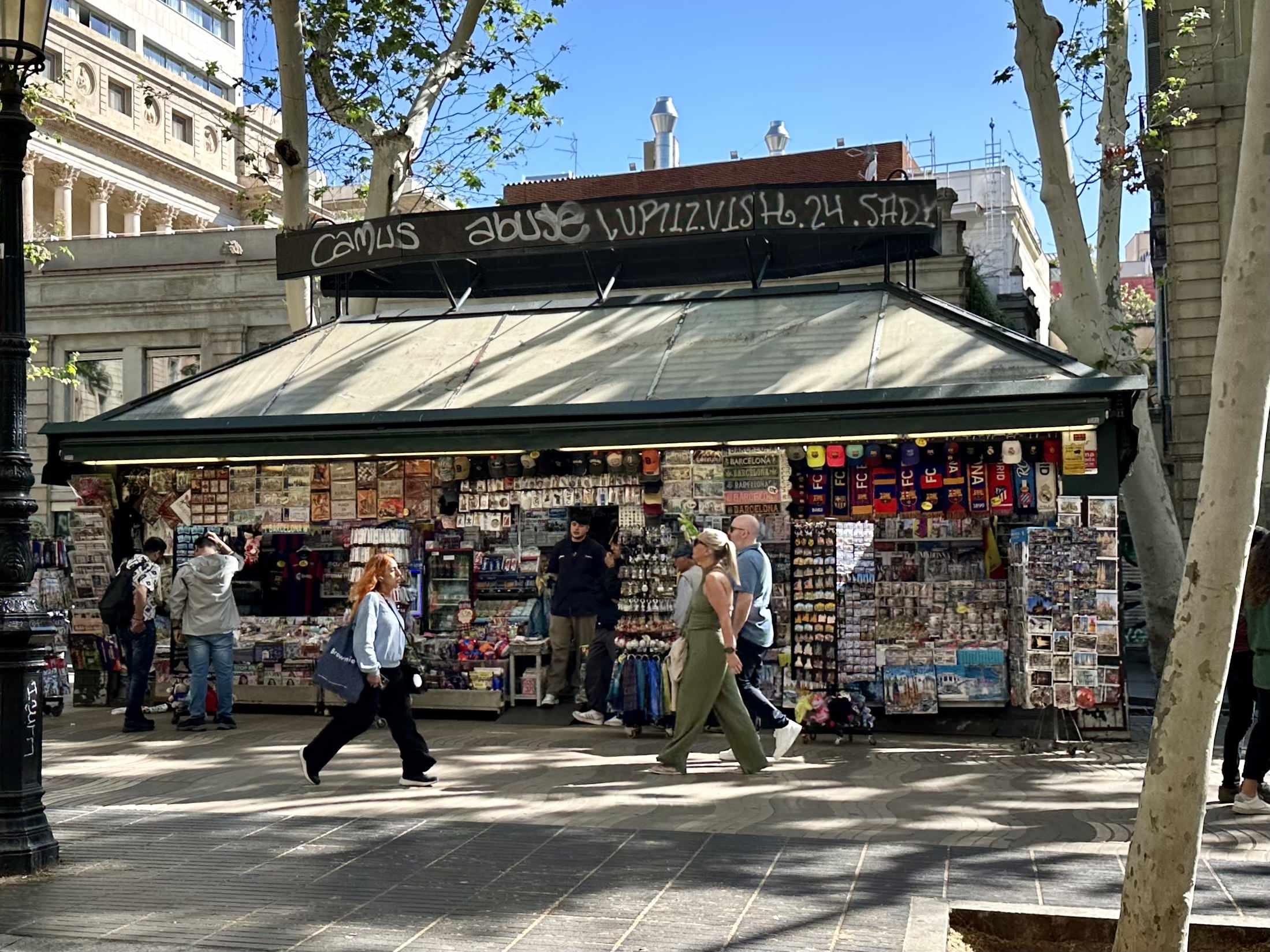
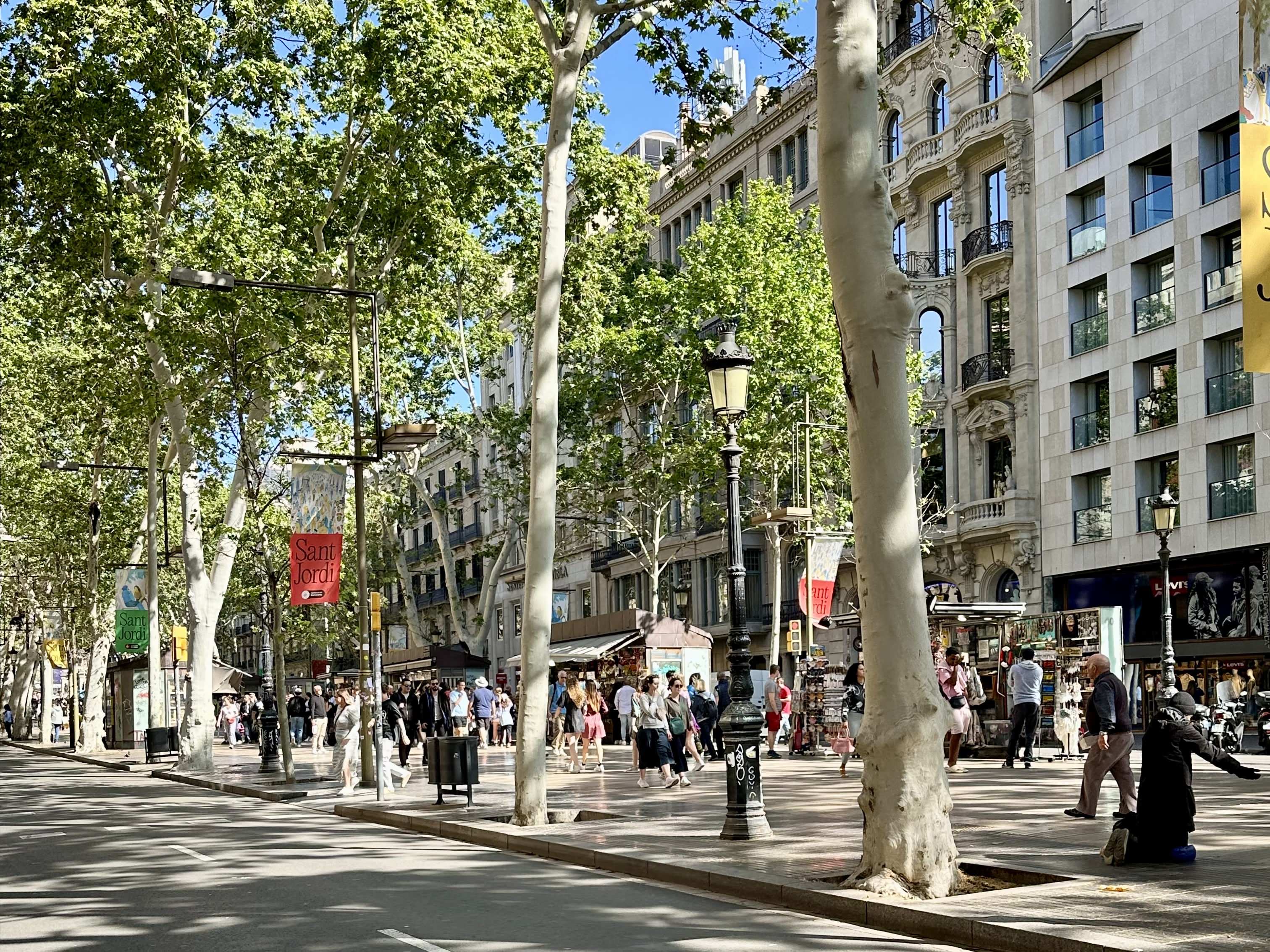
Our home for the next several nights was Hotel 1898, right on the famous Las Ramblas. With its rooftop pool and sweeping views, it was the perfect place to unwind after long days of exploring. But in truth, we didn’t spend much time in the room — Barcelona had too much to offer.
Our First Night: Dinner at Rao
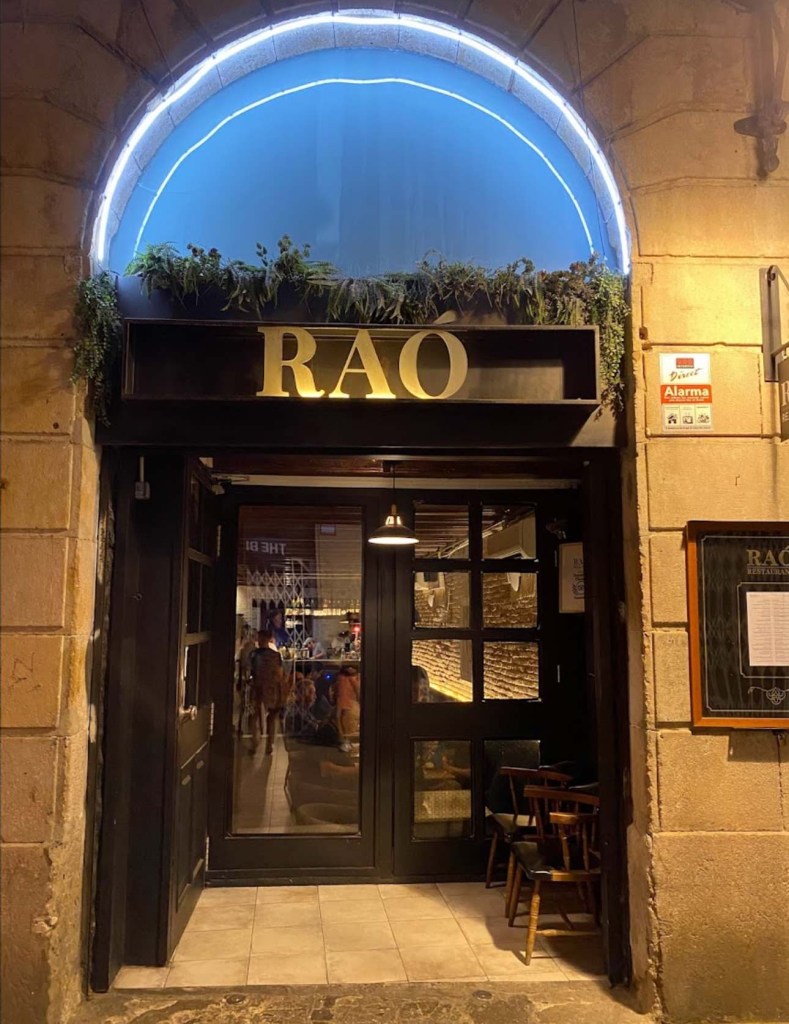
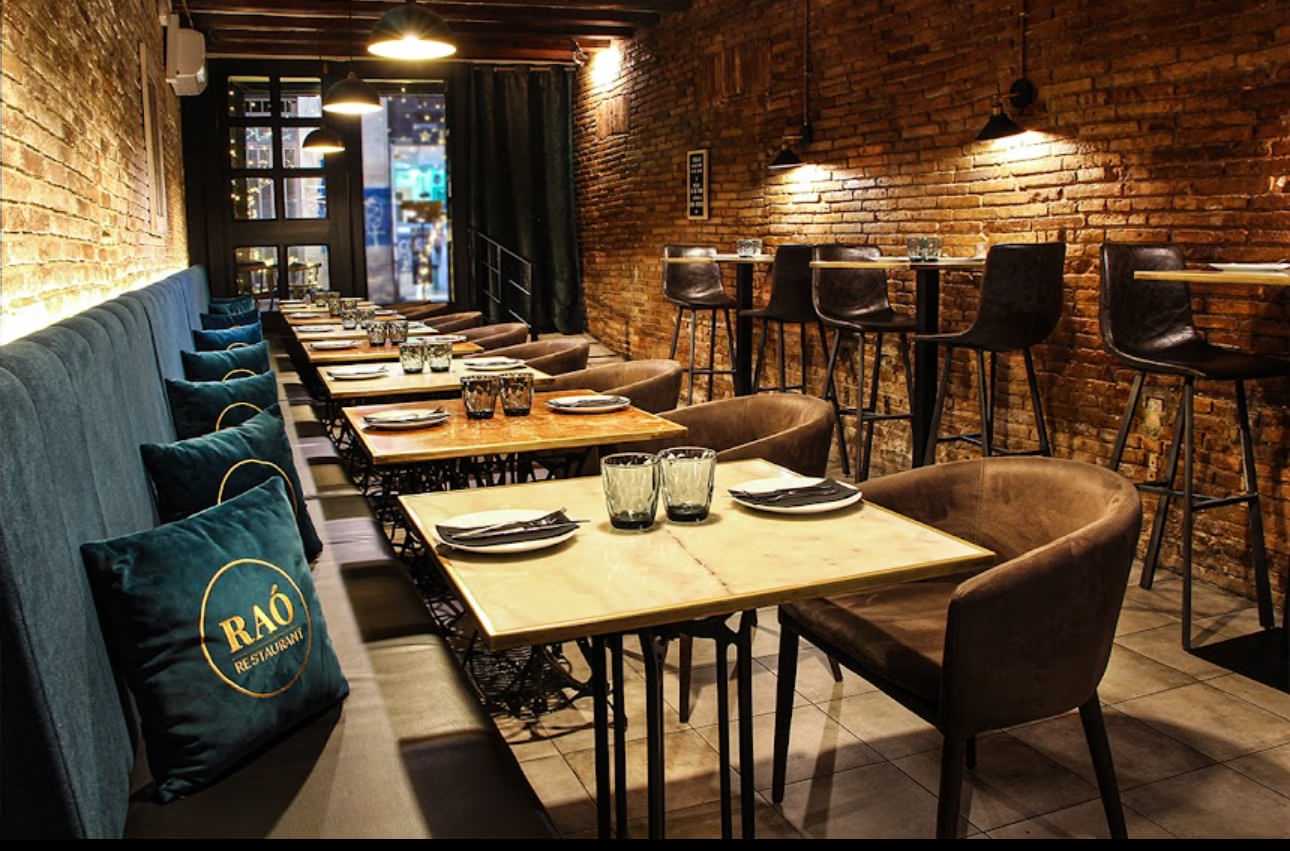
We kicked off our first night in Barcelona with dinner at Rao, a modern Mediterranean restaurant tucked in a quiet street just a block off Las Ramblas. Getting there was half the fun — winding through little alleys, passing lantern-lit arches and stumbling across an old stone church before finding the warm glow of the restaurant.
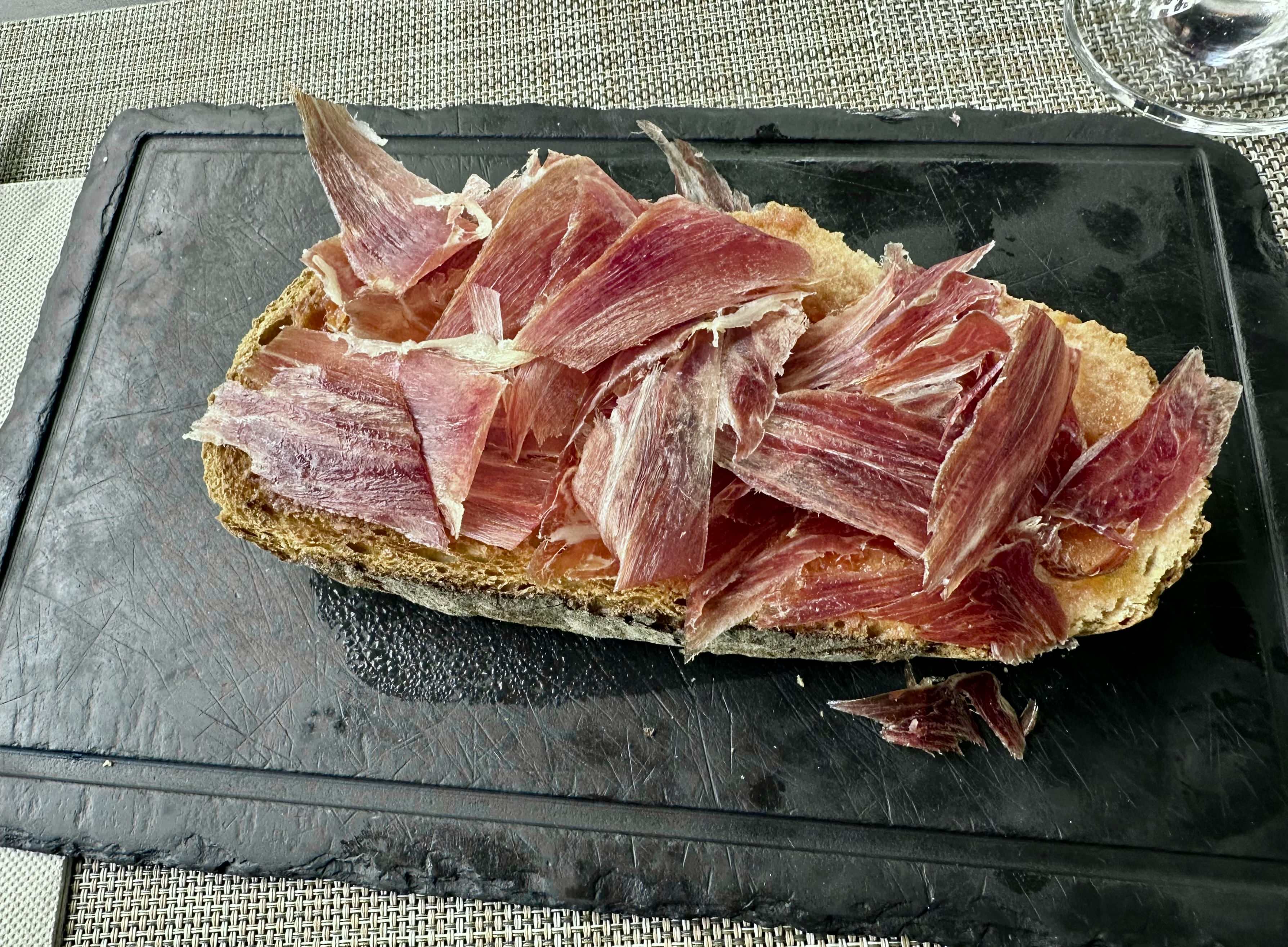
Dinner was cozy and delicious, but what I fell in love with was the simplest thing on the table: pan con tomate — rustic bread rubbed with fresh tomato and olive oil, topped with jamón. It was everything Spain does best in one bite: honest, flavorful, and unforgettable.
Day One: Picasso & Tapas
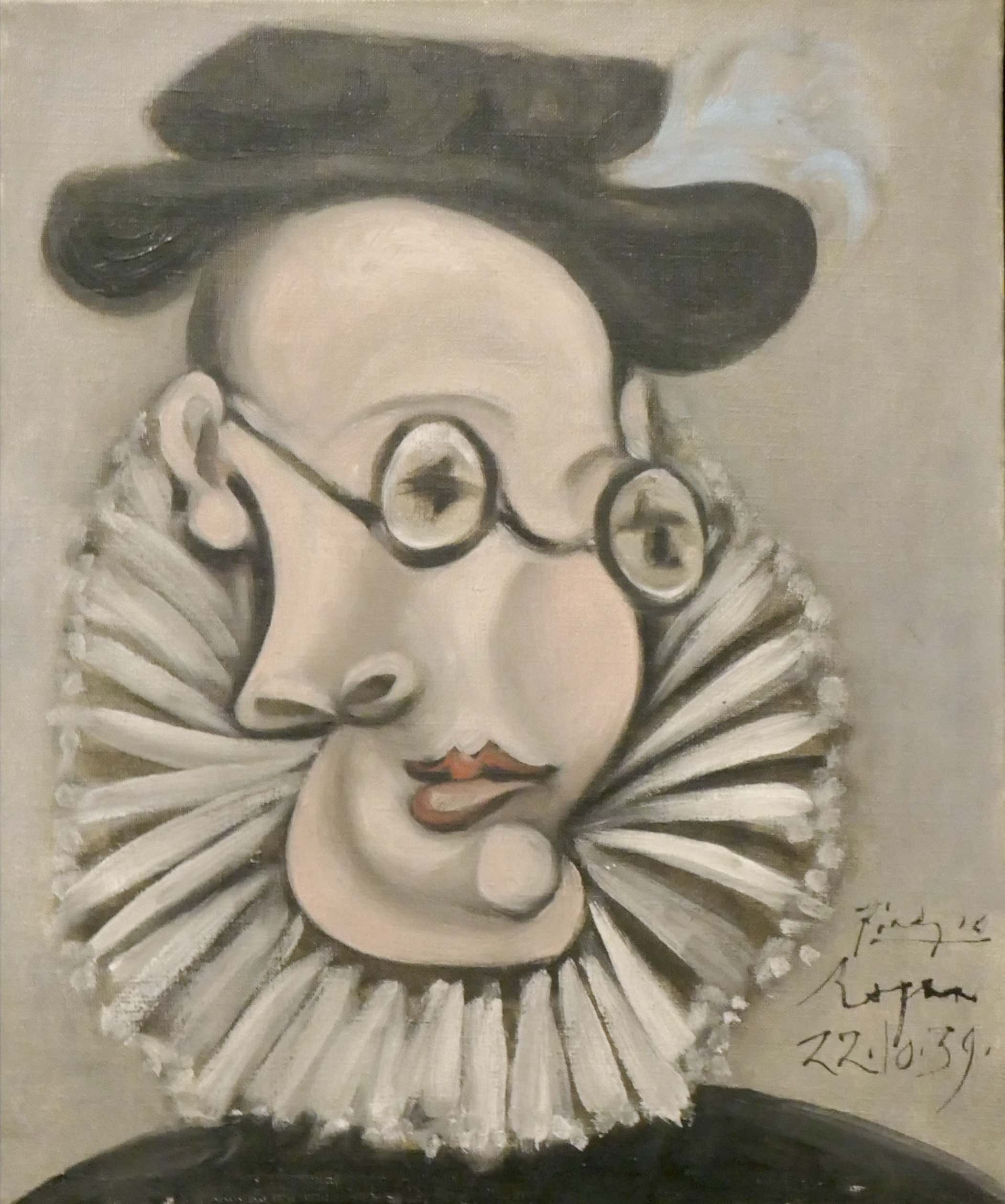
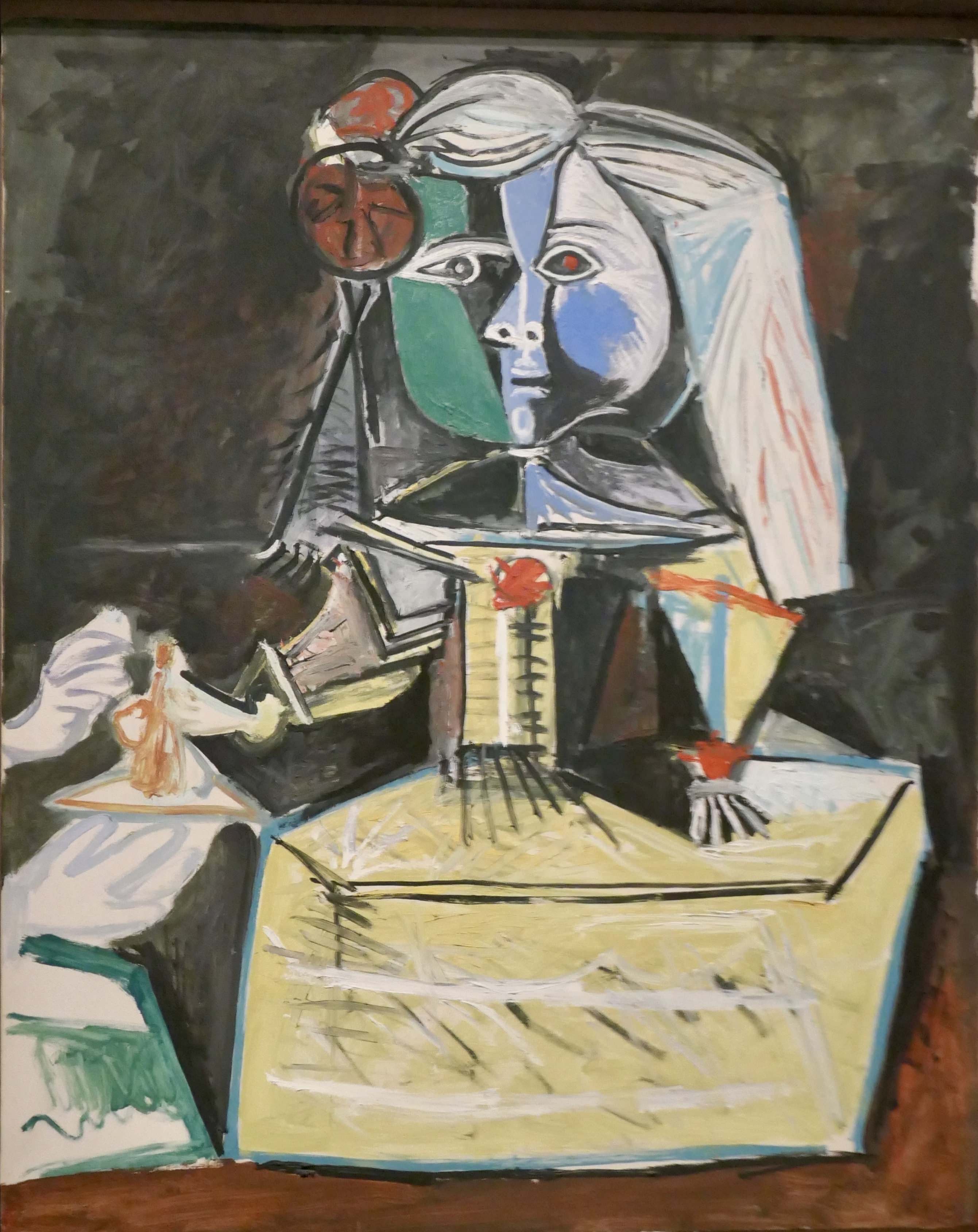
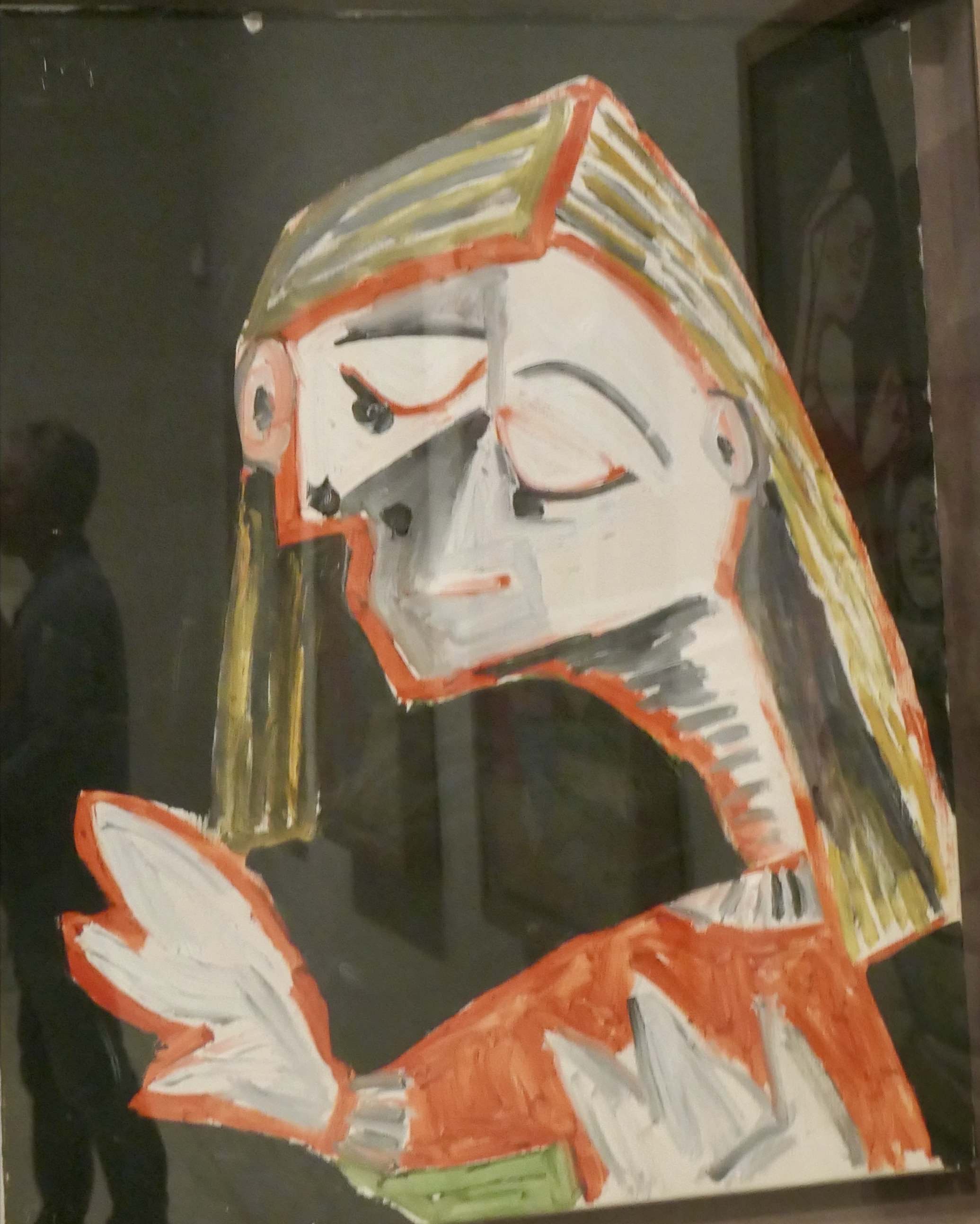
We dove straight into culture with the Picasso Museum, wandering through the artist’s early sketches, cubist works, and playful ceramics. It was inspiring to see Picasso’s evolution, from child prodigy to modern master.



La Boqueria Market – A Feast for the Senses
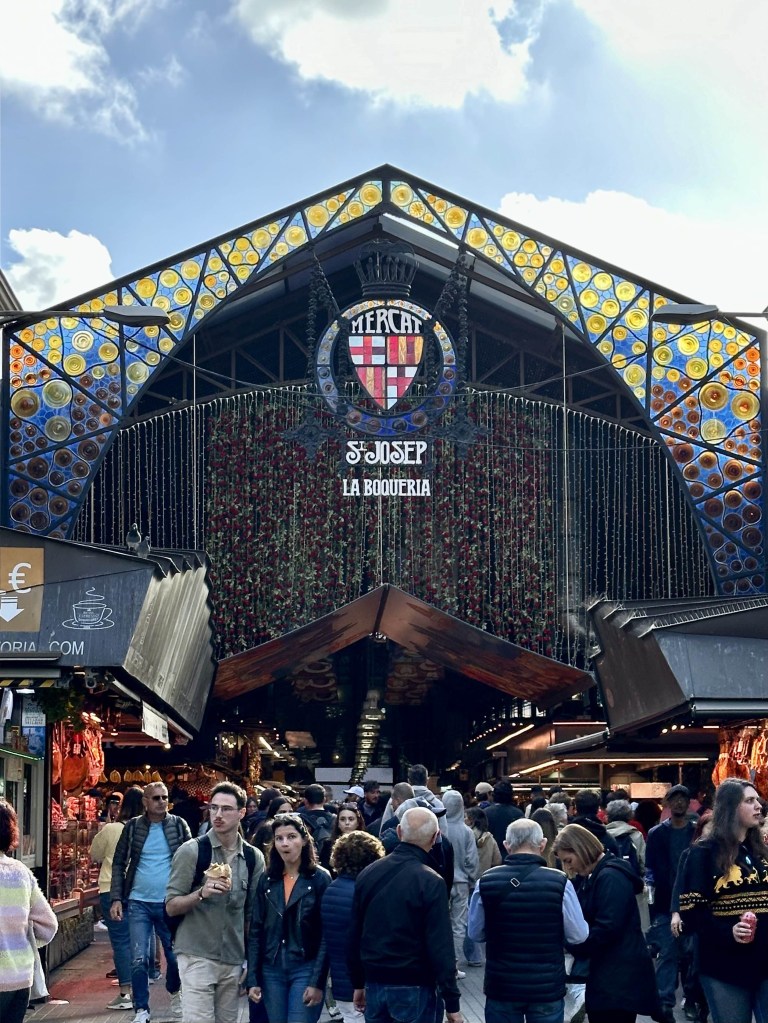
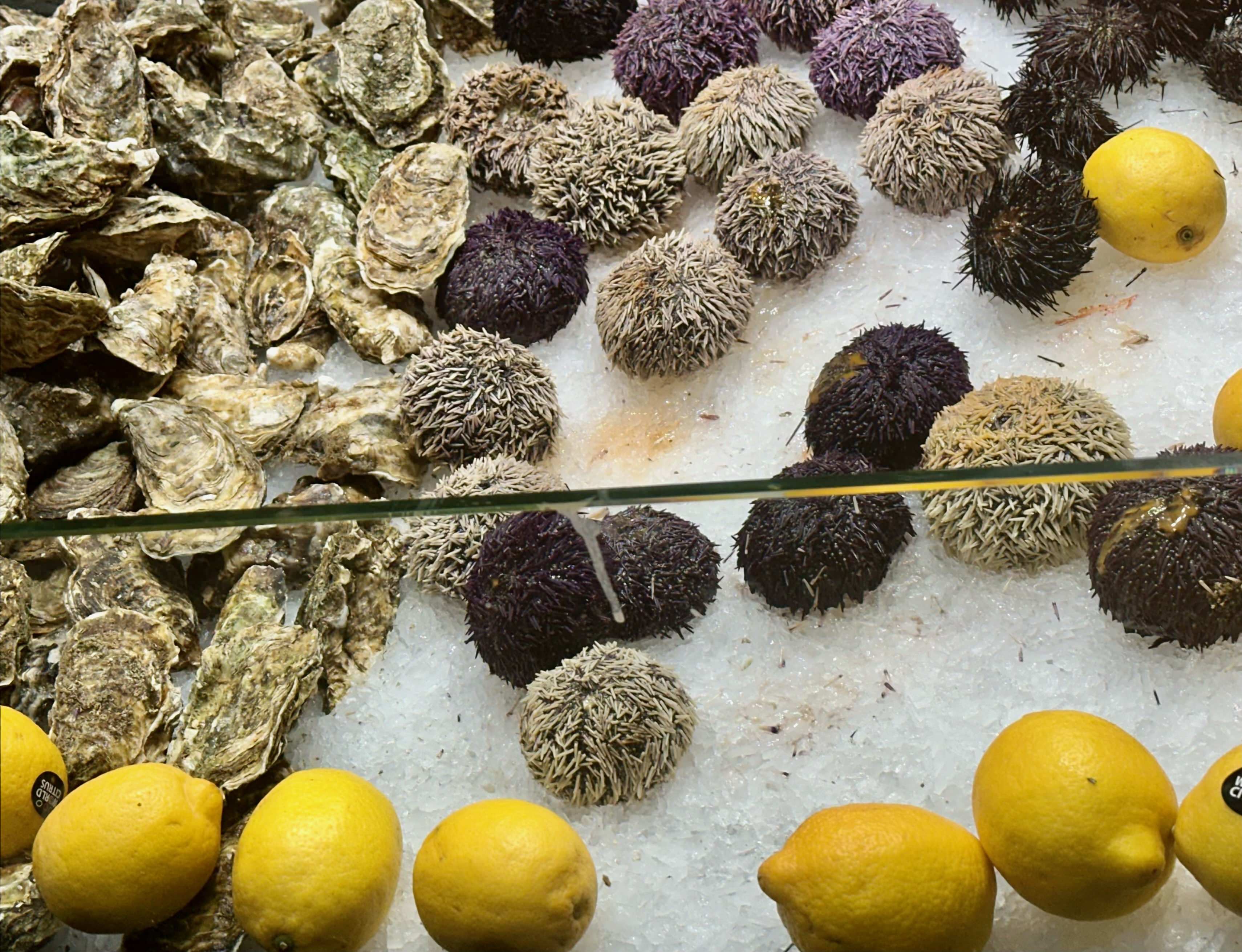
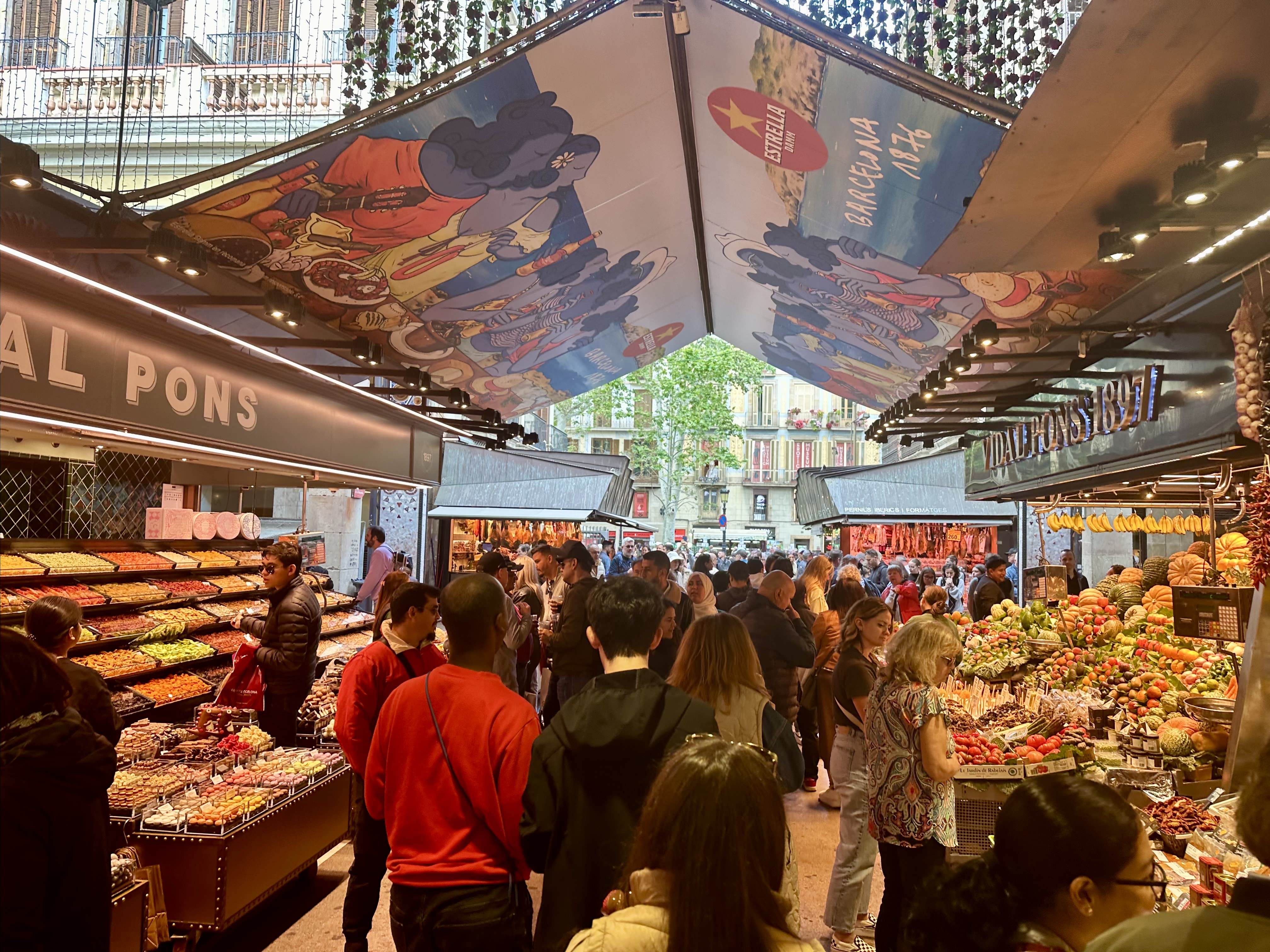
Just steps off La Rambla, we wandered into La Boqueria Market, and it immediately became one of the most amazing markets I’ve ever seen. More than a market, it’s a celebration of food in all its forms — whether you want something to cool off with, a snack to eat on the go, or a full sit-down meal.
Cool & Refreshing
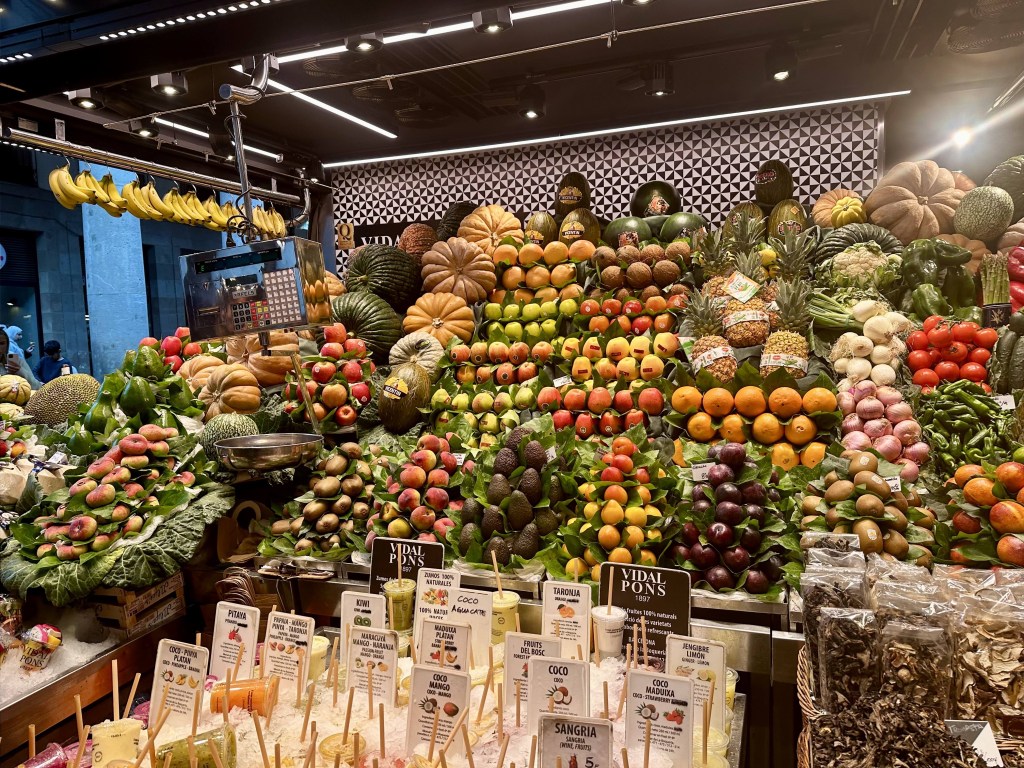
At the entrance, stalls overflowed with fresh juices and fruit cups, a rainbow of colors in clear plastic cups on ice. Pineapple, mango, watermelon, dragon fruit — sliced, chilled, and ready to grab. For anyone wandering Barcelona’s busy streets, it was the perfect place to cool down instantly.
Immediate Snacks & Tapas
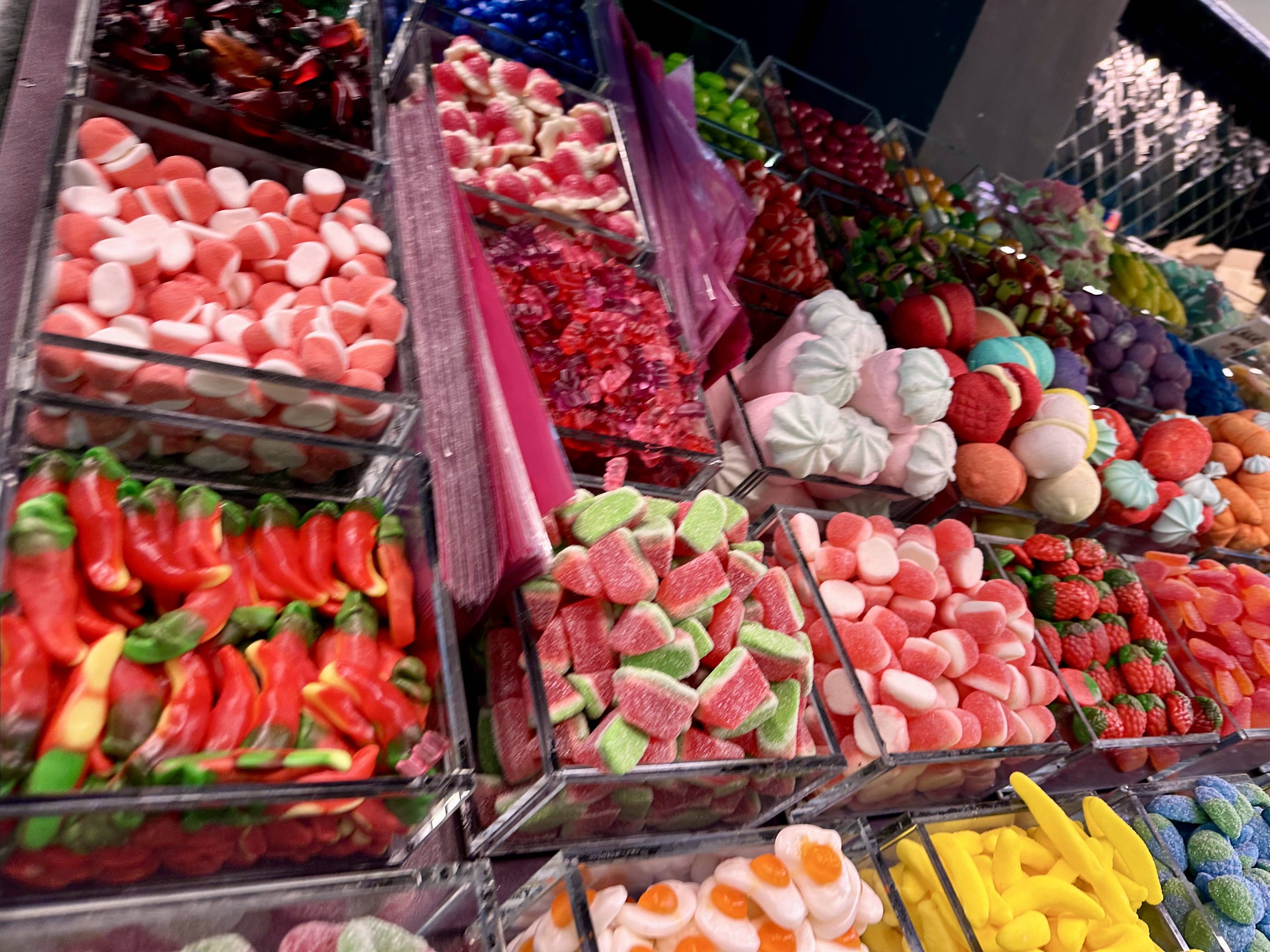
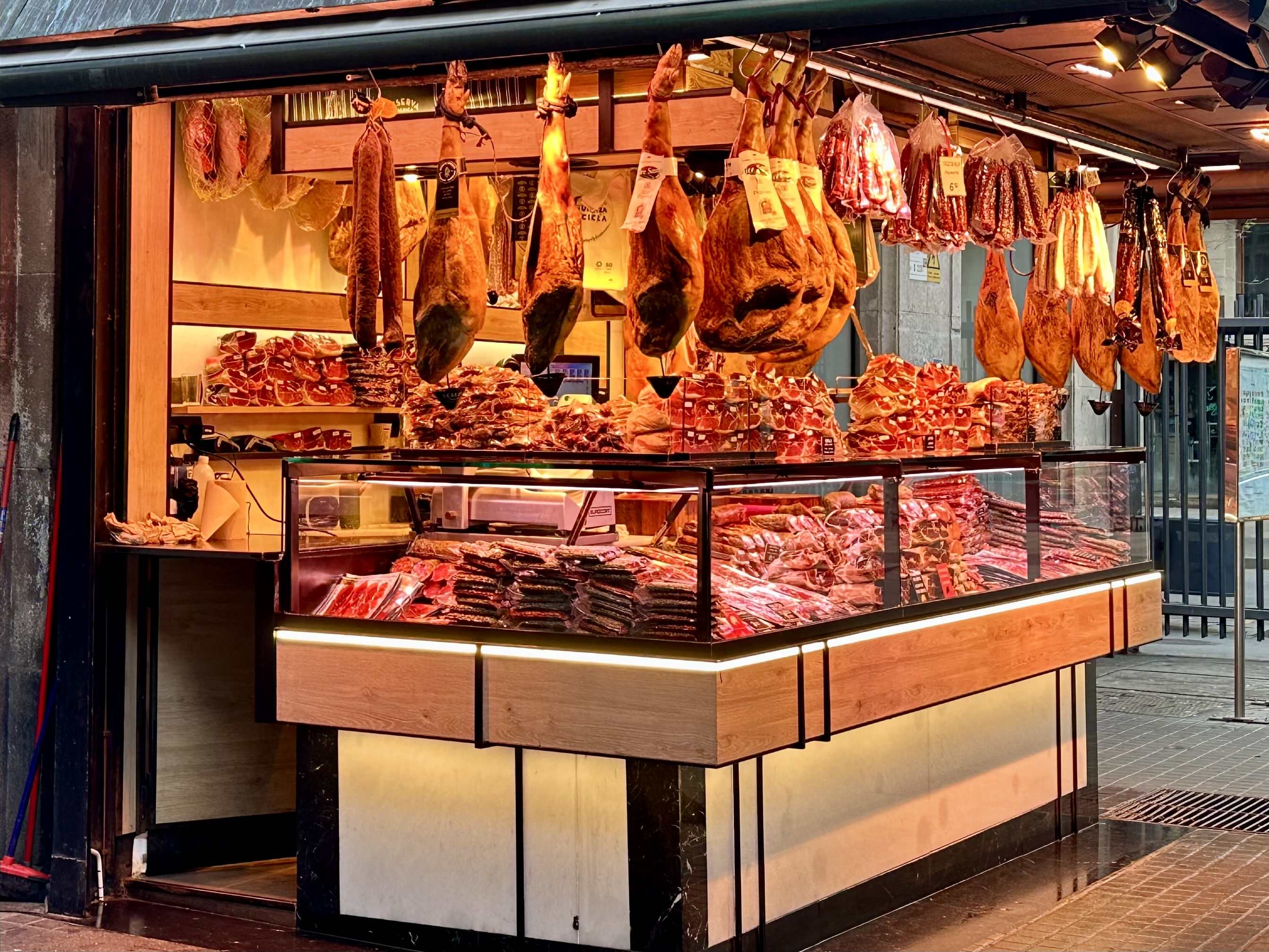
Everywhere we looked, there were quick bites: paper cones of jamón ibérico and manchego, empanadas, croquettes, and skewers of olives glistening with oil. Sweets lined other stalls — jewel-like candied fruits, chocolates, and handmade turrón. The air was thick with the smell of fried seafood, fresh bread, and sizzling chorizo.
Sit-Down Dining in the Market
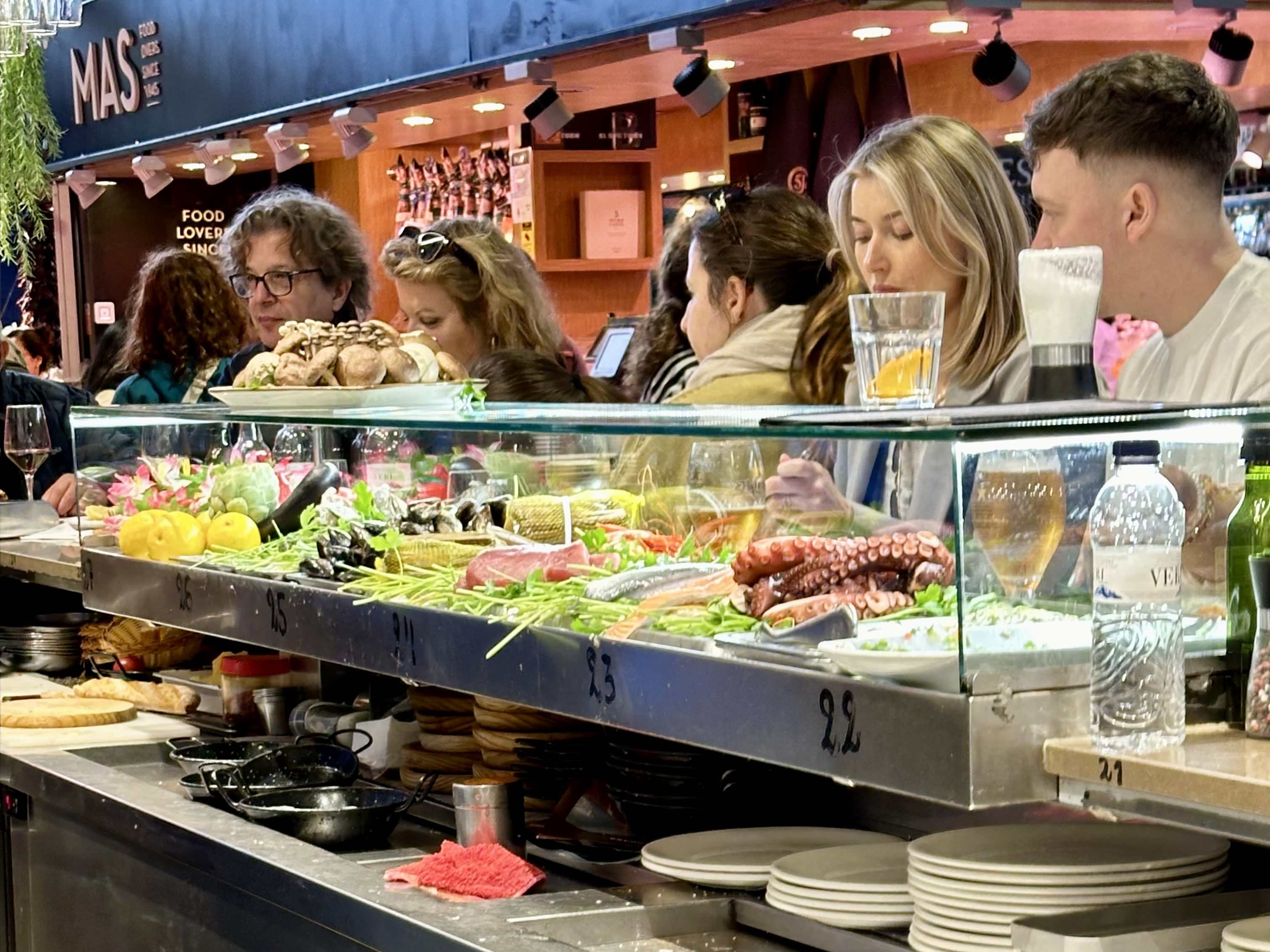
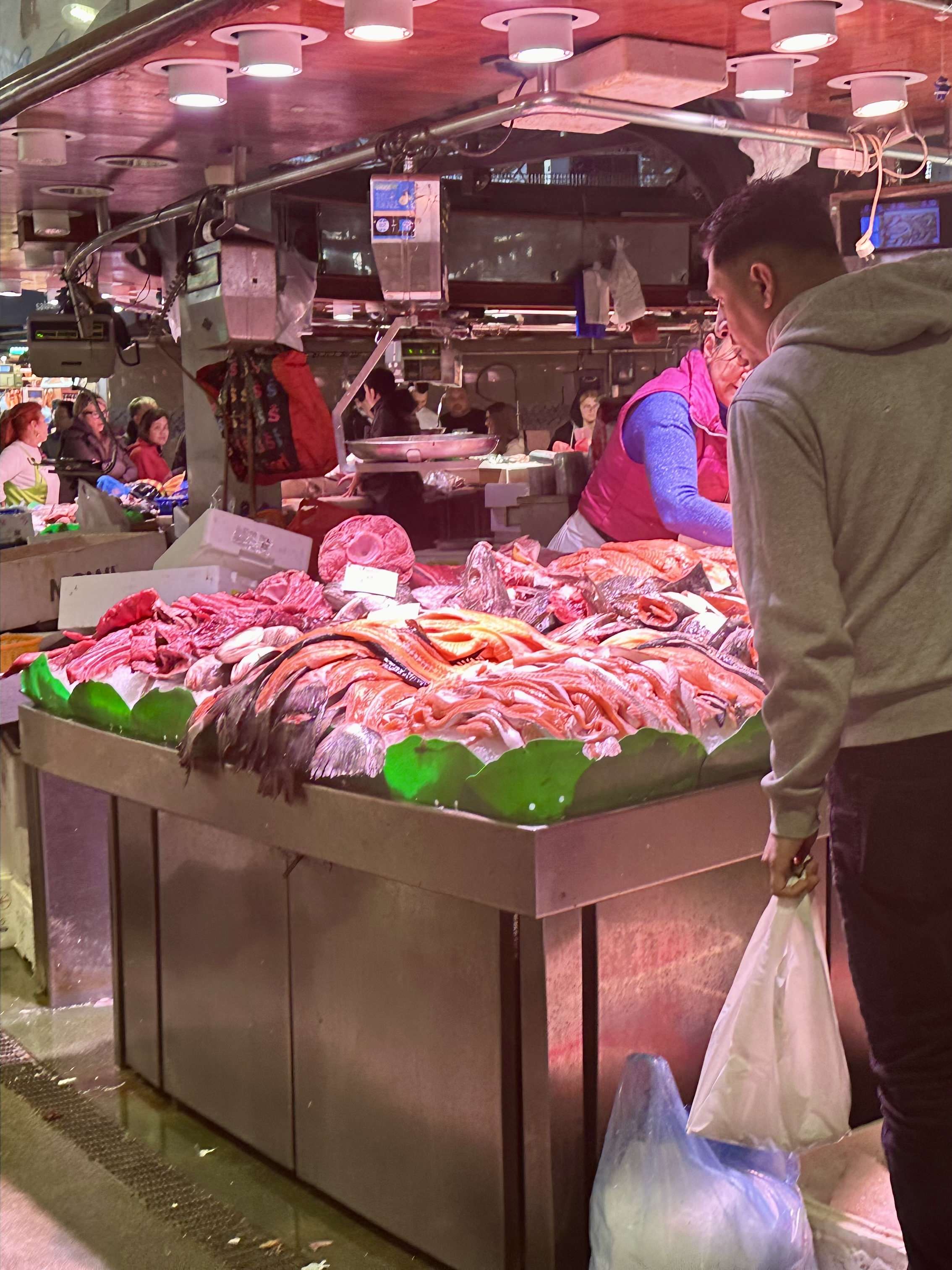
Tucked deeper inside, small tapas bars and counters were ringed with people perched on stools, eating freshly cooked plates straight from the grill. We watched chefs prepare seafood hauled in that morning — squid tossed on a hot plancha, shrimp piled high, razor clams steaming. It was authentic, noisy, and full of energy.

A Market Like No Other
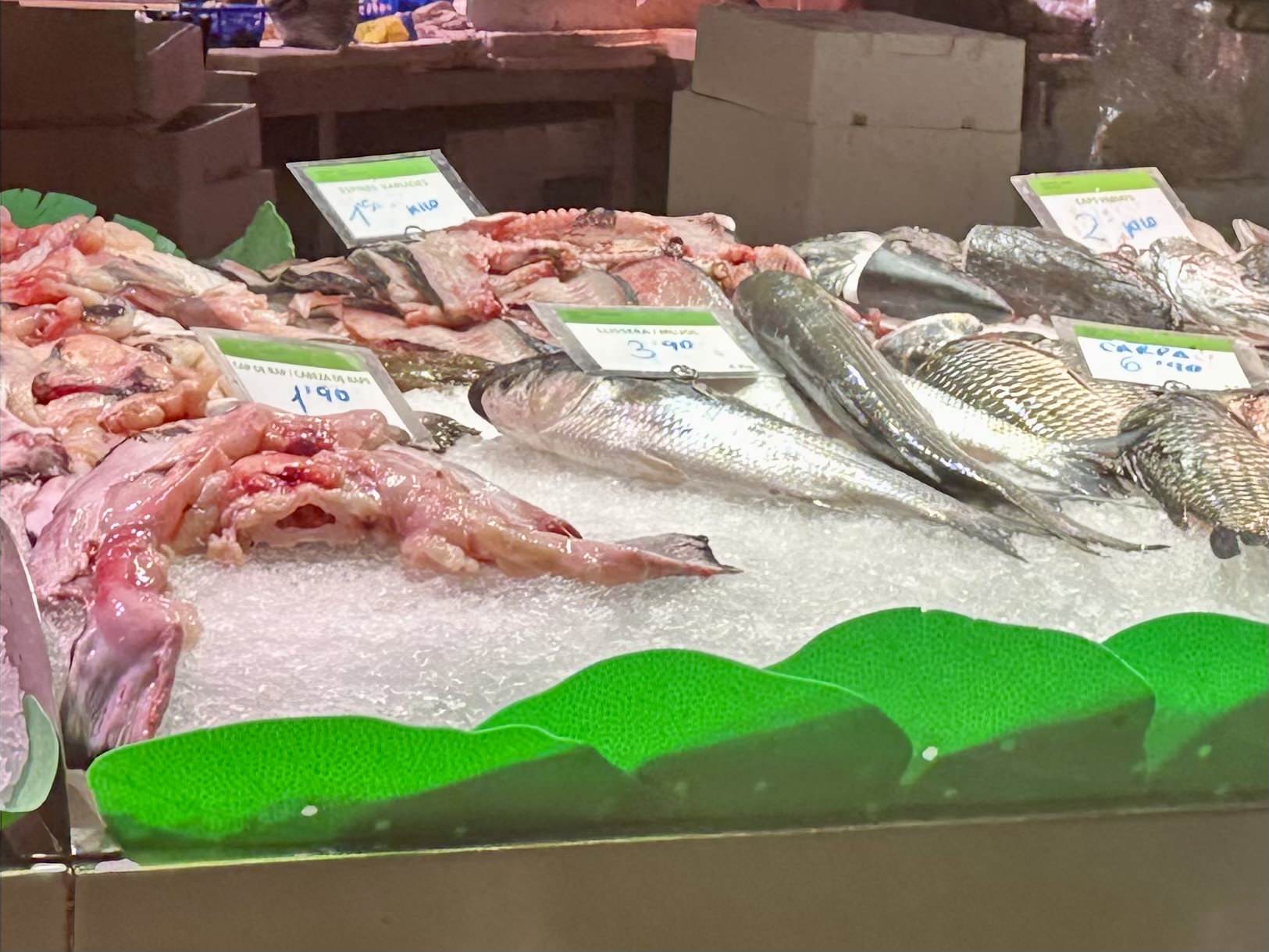
Unlike any supermarket or grocery back home, La Boqueria felt alive. Vendors called out their daily specials, tourists mingled with locals shopping for dinner, and every corner offered another sensory delight. The colors, smells, and sheer variety made it feel more like a festival than a market.
It was easy to see why this market has been at the heart of Barcelona for centuries — not just a place to buy food, but a place to celebrate it.Afterwards, we walked through Mercat de la Boqueria, a colorful feast of stalls overflowing with Iberian ham, seafood, olives, and sweets. It was impossible to leave without sampling a little of everything.


Day Two: Gaudí’s Barcelona
One of the highlights of our stay was a private guided tour of Antoni Gaudí’s masterpieces — La Sagrada Família and Park Güell. With skip-the-line entry, we had the chance to dive deeper into both history and architecture without the chaos of waiting in long lines.
Park Güell – Barcelona’s Fairytale Garden
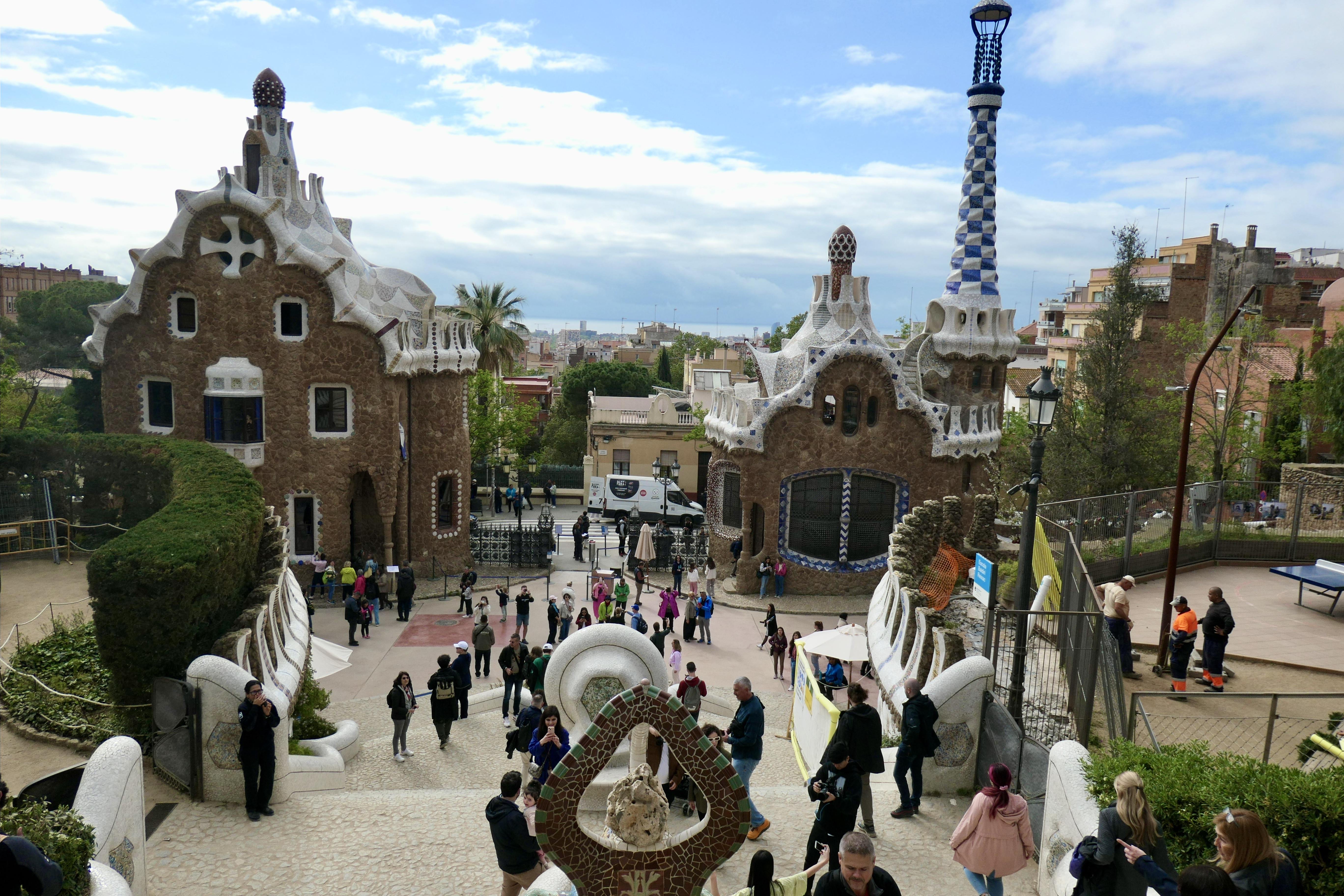
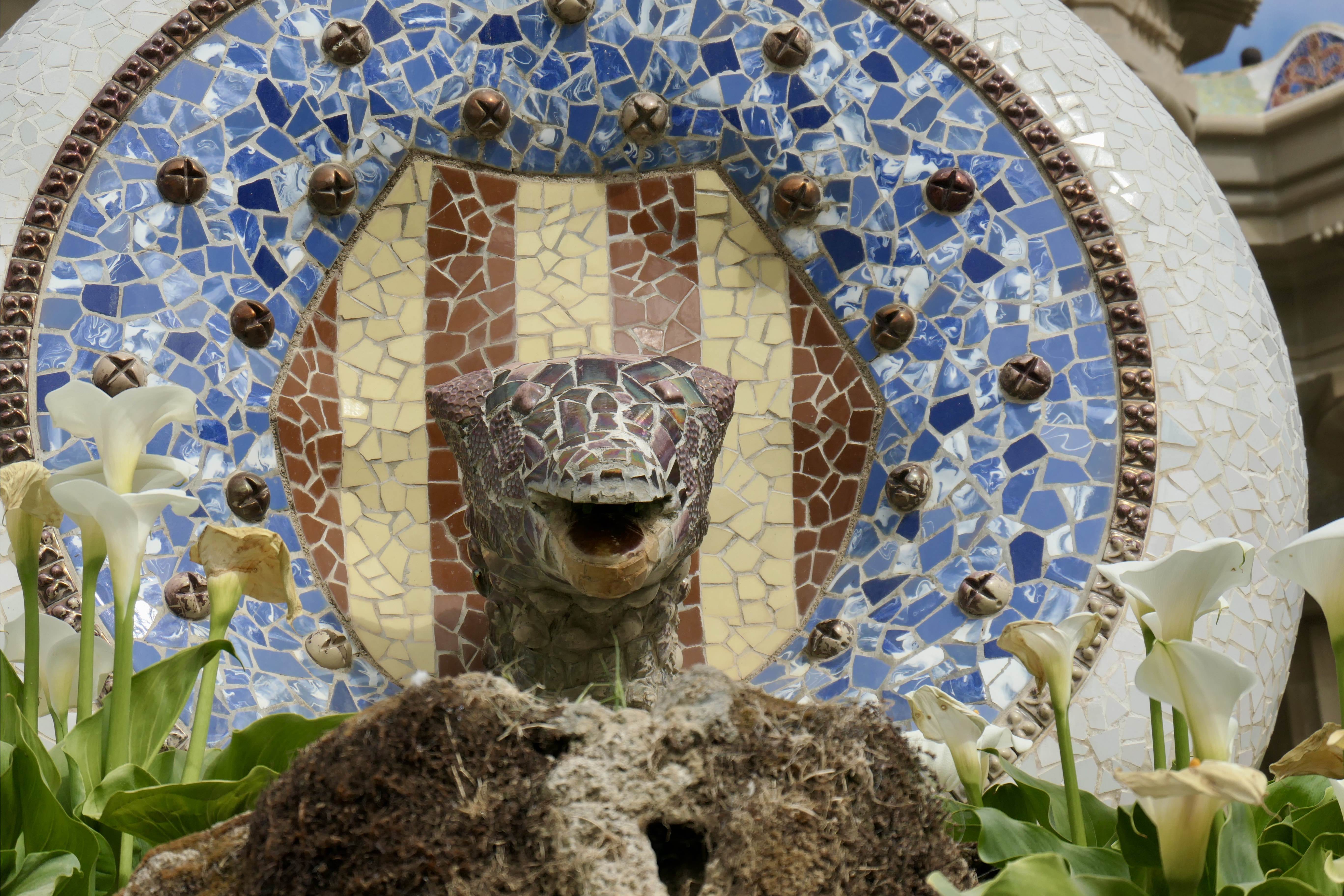
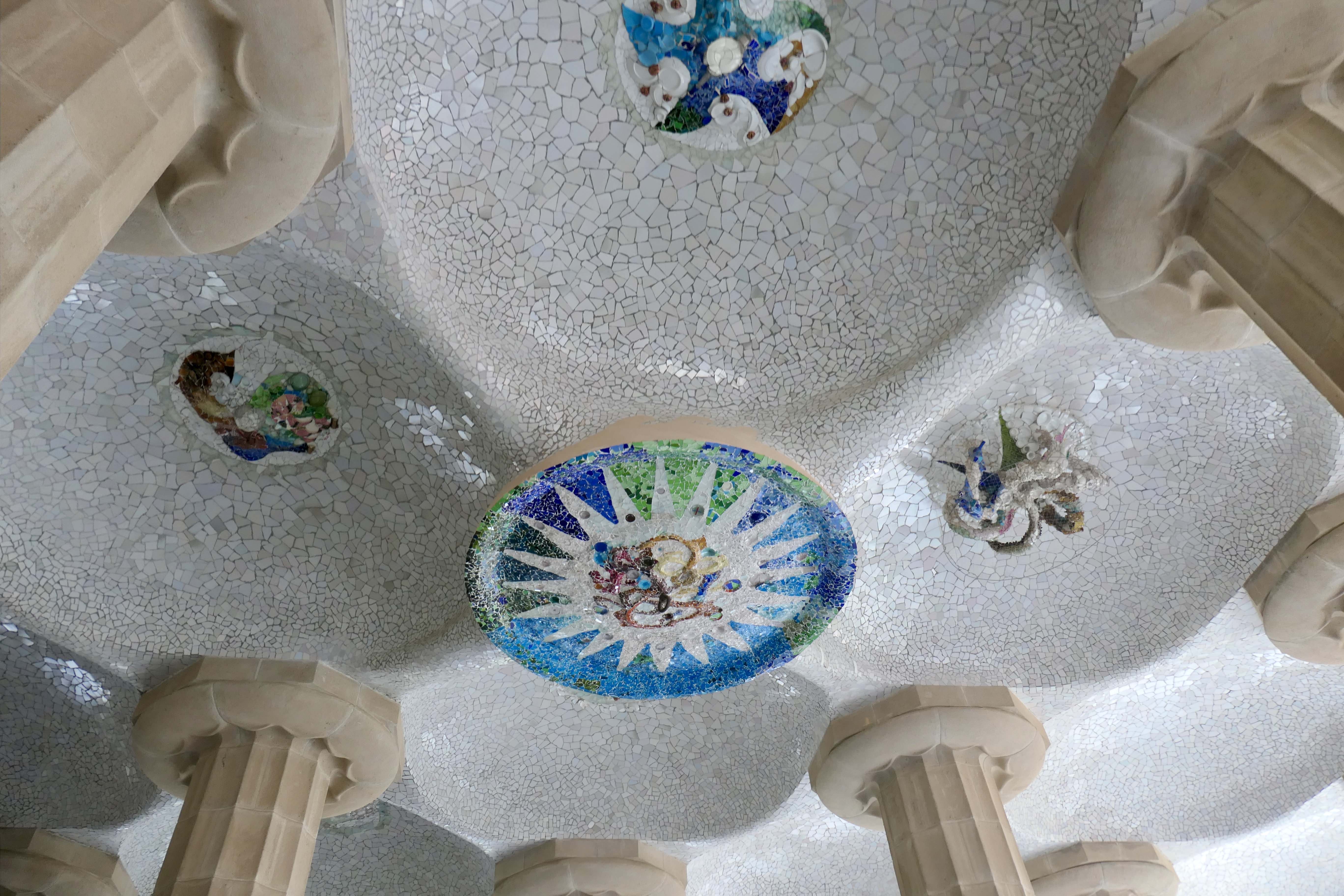
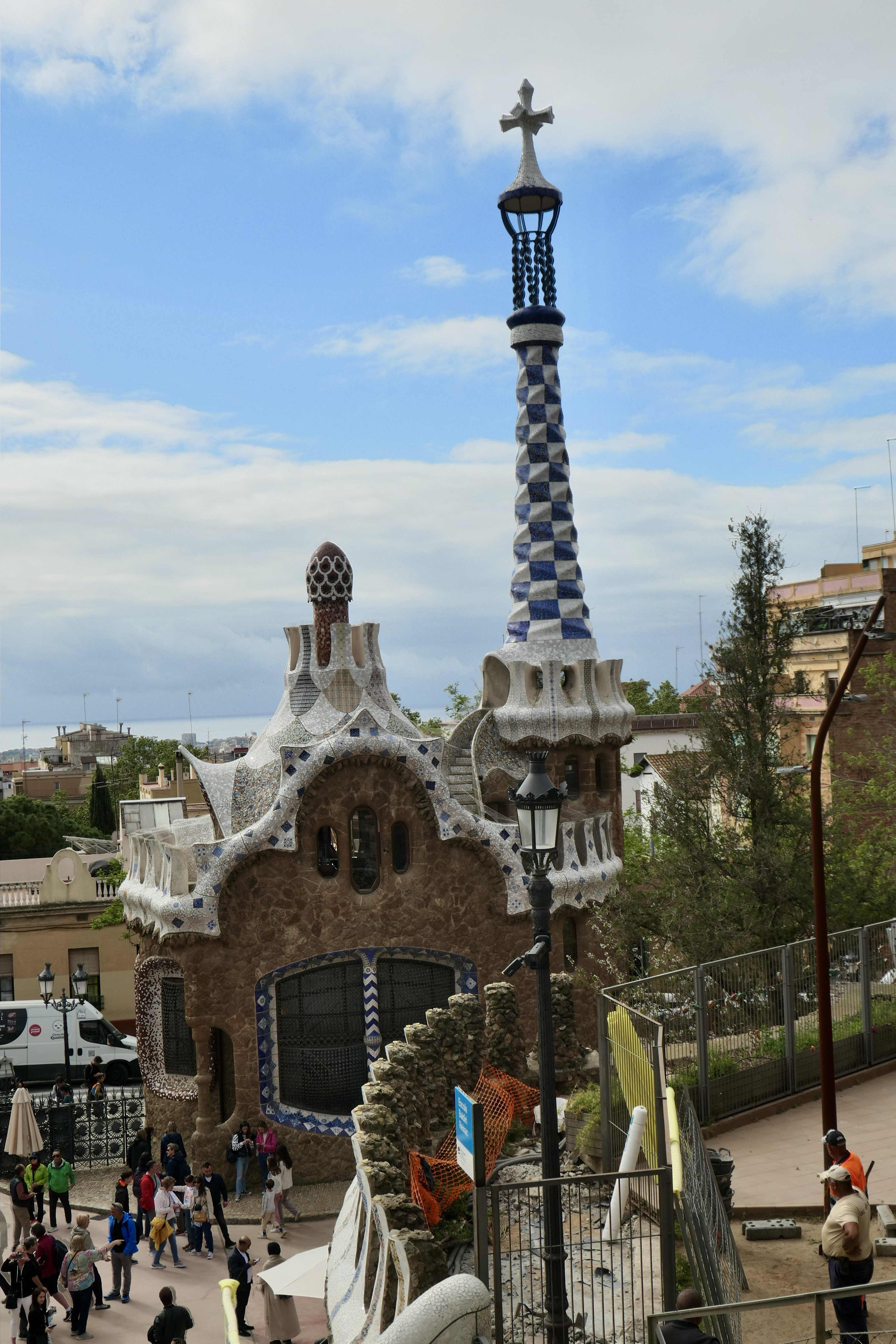
Stepping into Park Güell felt like entering a fairytale. The mosaic lizards, serpentine benches, and candy-cane spires gave it the magic of a gingerbread kingdom — something between Hansel & Gretel and a dreamscape. Designed in the early 1900s as part of a “garden city” commissioned by Eusebi Güell, the project never took off as housing. Only two houses were ever built, and eventually the city purchased the land and opened it as a public park in 1926.
Gaudí infused every detail with natural inspiration: stone pathways like tree trunks, benches shaped for comfort and conversation, and colorful tiles designed to sparkle in the sun. Walking there, I half-expected to stumble across secret doors or mythical creatures — it was whimsical, magical, and unforgettable.

La Sagrada Família – Still Rising Toward the Sky
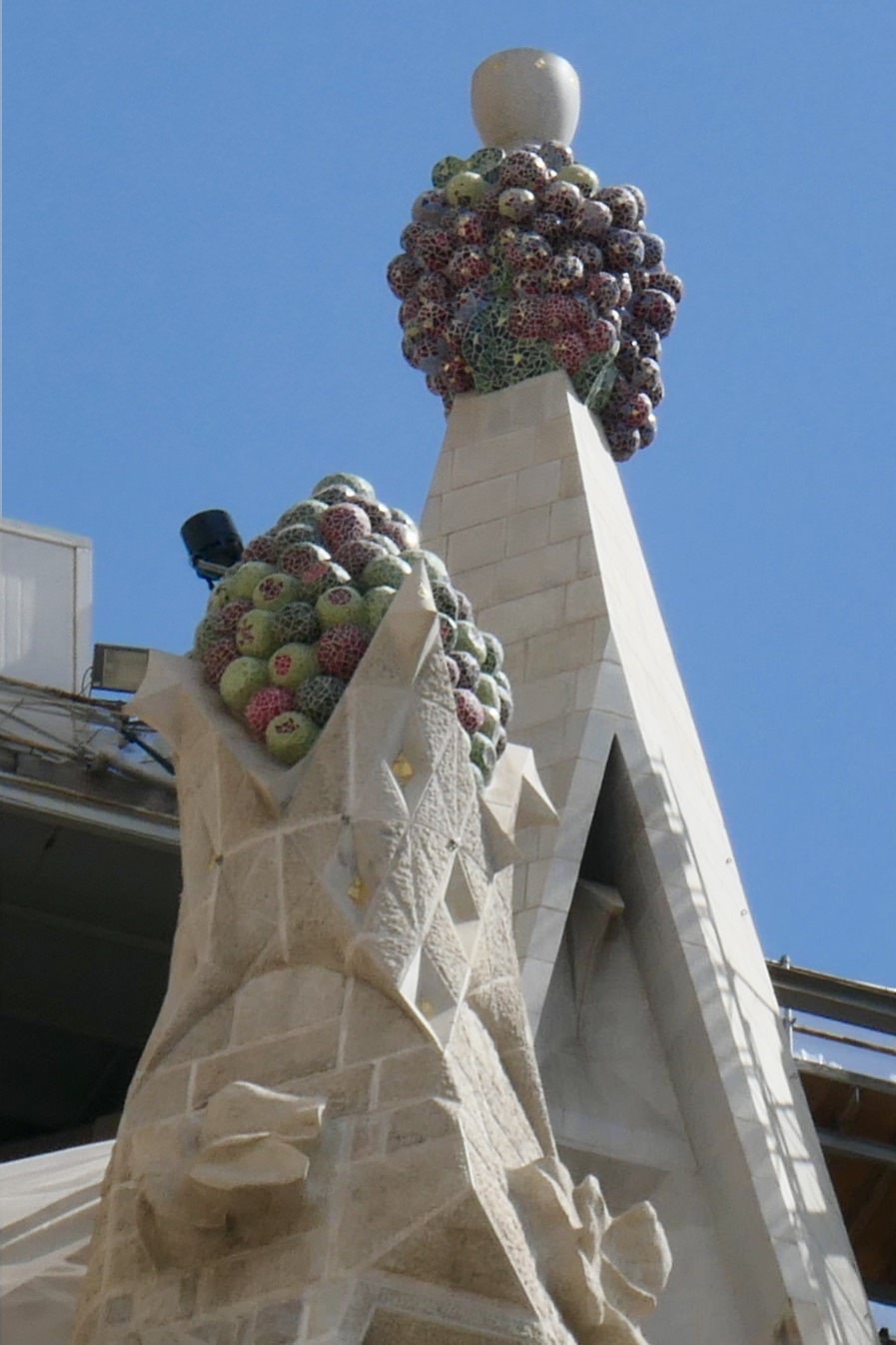
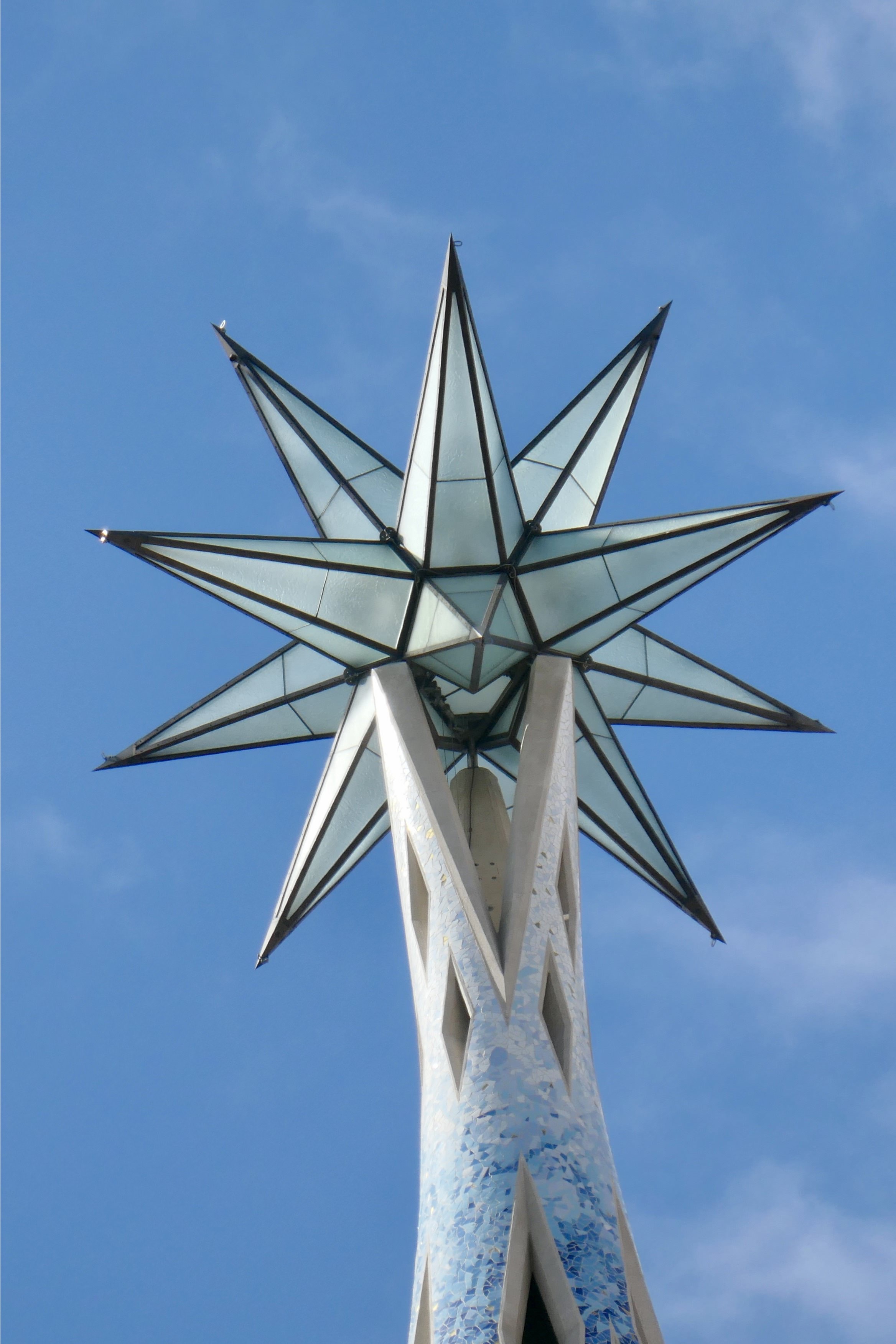
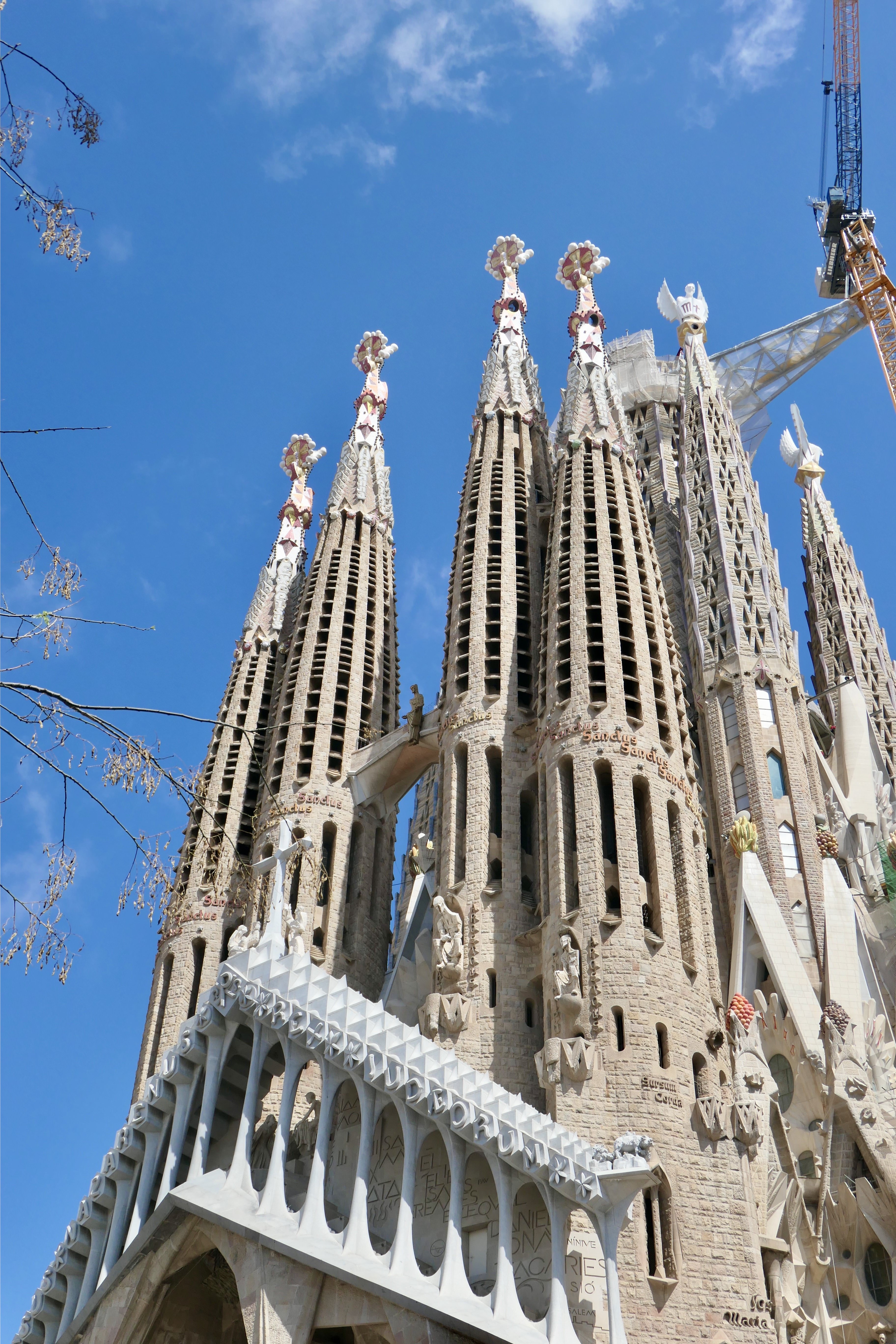
If Park Güell was playful, La Sagrada Família was awe-inspiring. The basilica is unlike anything else in the world — ornate, symbolic, and still very much alive with cranes and scaffolding as construction continues.
Gaudí took over the project in 1883 and devoted the rest of his life to it. When he died in 1926, less than a quarter was complete. As of our visit in April 2024, 13 of the 18 towers were finished — including those for the apostles, the Virgin Mary, and the evangelists. The central Jesus Christ tower, planned to soar to 172.5 meters, is still being built and expected to be finished by 2025/26. Decorative elements and the grand staircase will likely continue into the 2030s.
Outside, the façades tell stories in stone. The Nativity façade bursts with life — vines, animals, angels — celebrating Christ’s birth. In contrast, the Passion façade is stark and angular, evoking sacrifice and suffering.
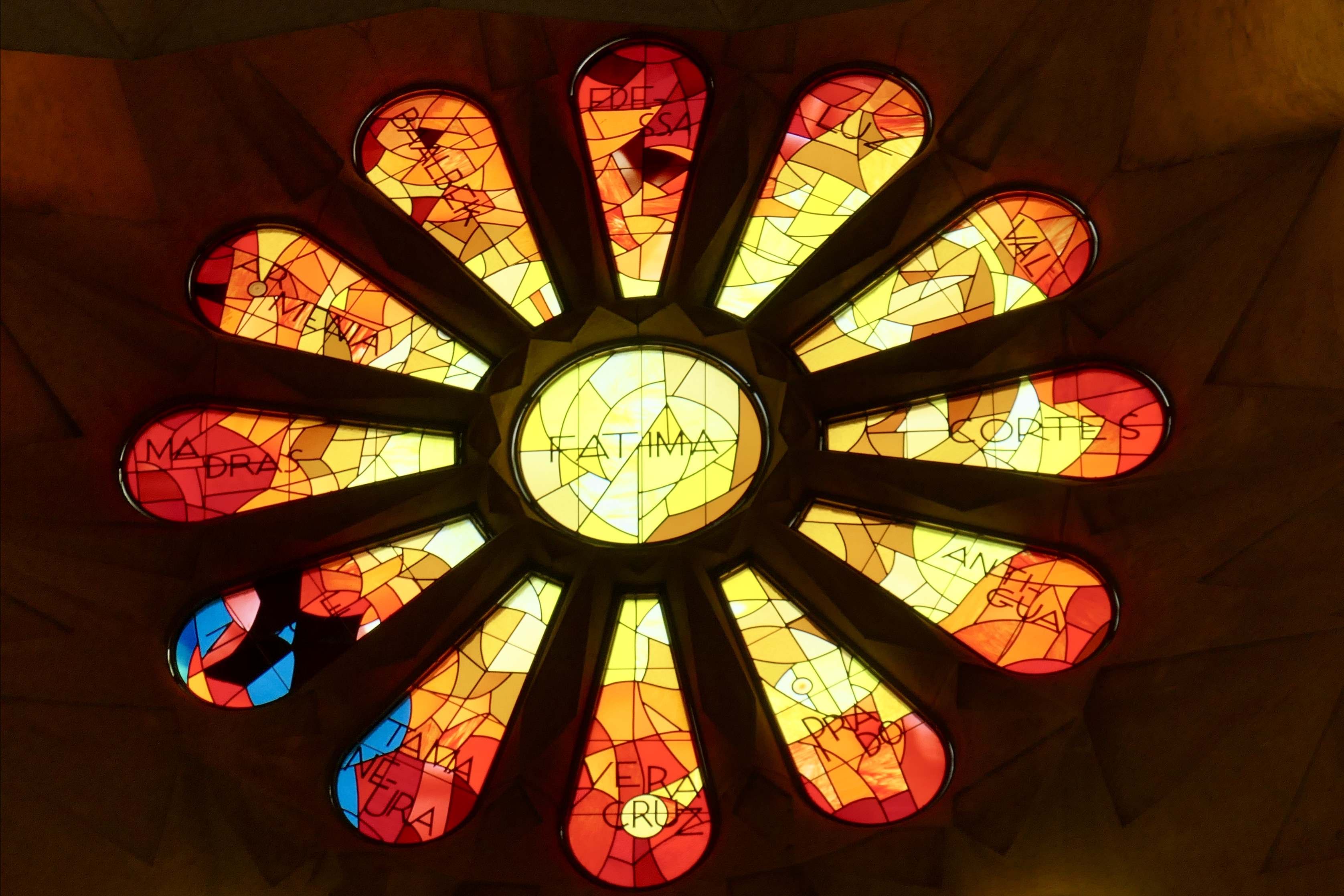
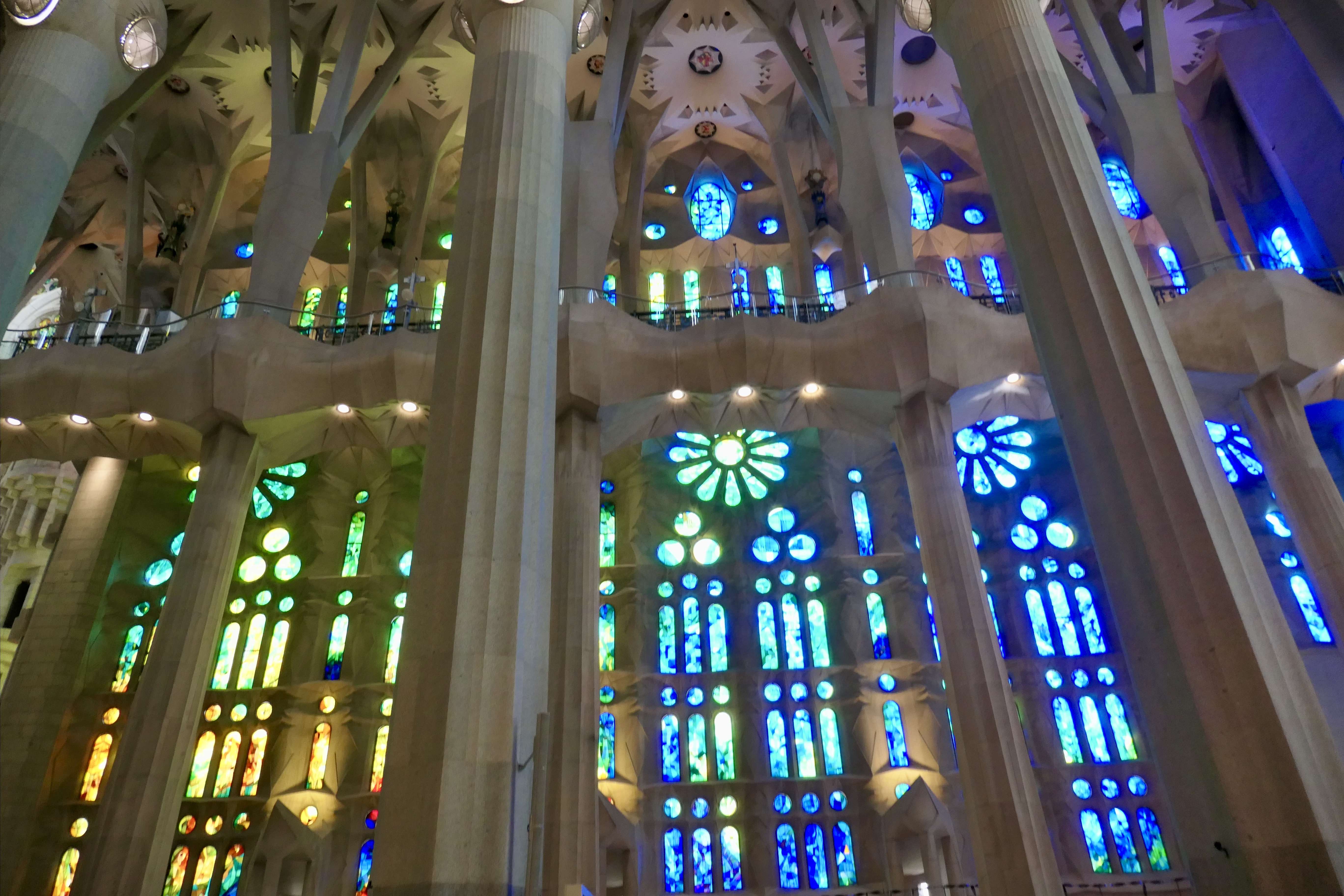
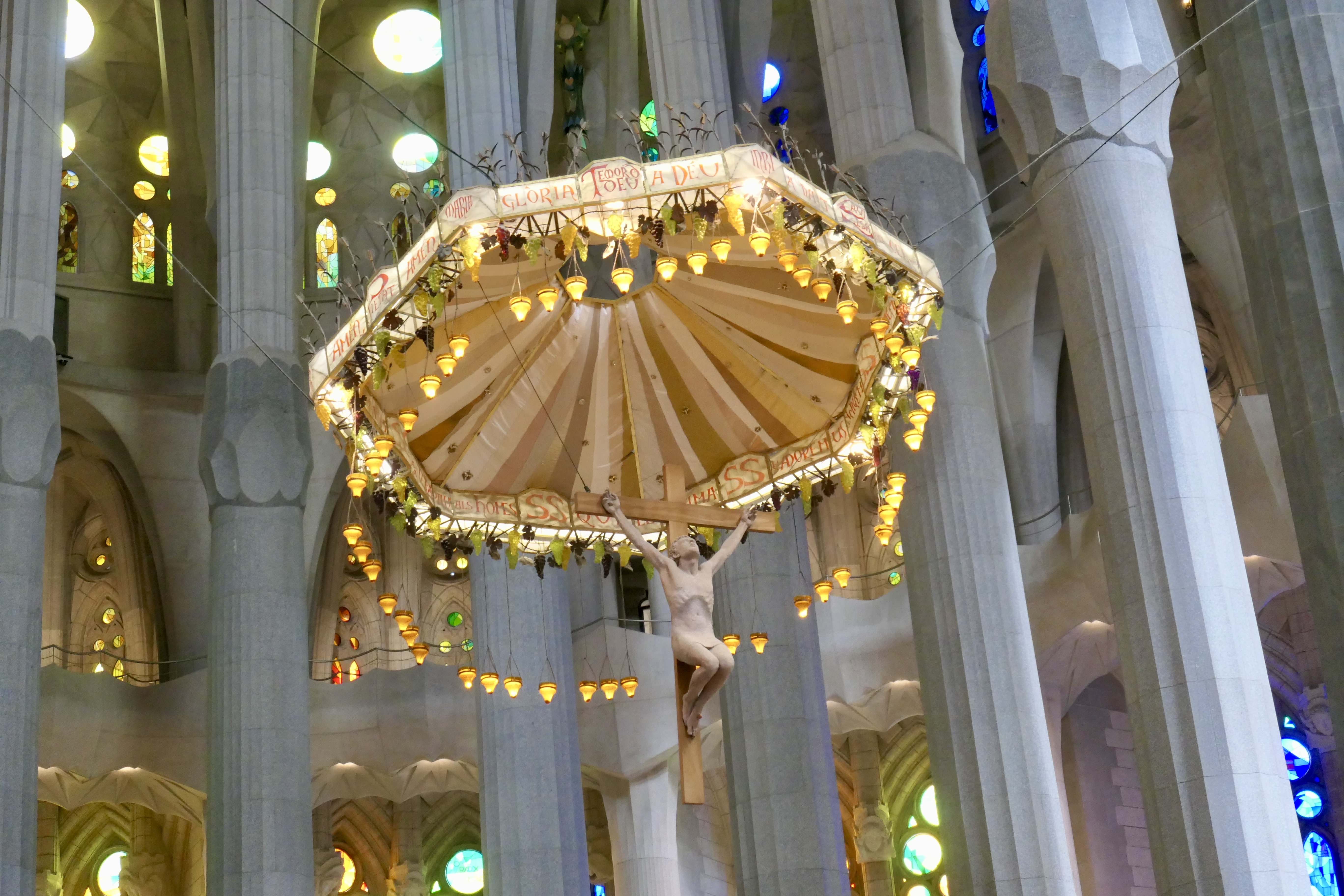
Inside, we were completely overwhelmed by the forest-like design: tree-like columns rising toward a canopy of vaults, and light pouring through vibrant stained glass that shifted colors as the sun moved. The effect was spiritual, majestic, and unforgettable.





Passeig de Gràcia – Barcelona’s Grand Boulevard
One afternoon we strolled down Passeig de Gràcia, Barcelona’s elegant shopping avenue. It reminded us of Fifth Avenue in New York or the Champs-Élysées in Paris — wide sidewalks lined with designer boutiques, flagship stores, grand hotels, and leafy trees. The architecture alone was worth the walk: ornate façades, wrought-iron balconies, and stonework that seemed as carefully crafted as the luxury goods on display. The street pulsed with energy — shoppers, tourists, locals heading home from work — yet it still carried a sense of grandeur.
But what made this walk unforgettable was stumbling across two of Gaudí’s masterpieces, nestled among the storefronts like jewels in the crown of the boulevard.
Casa Batlló – The House of Bones
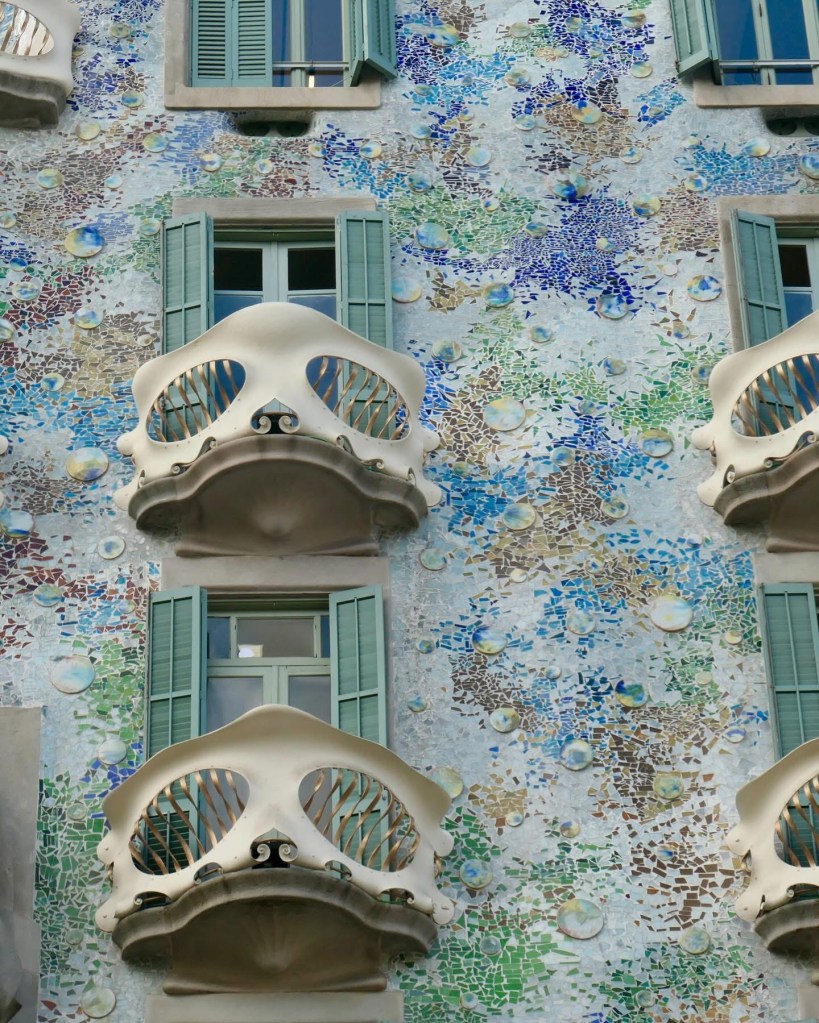
The first was Casa Batlló, instantly recognizable with its undulating façade that seems to ripple like water. Its balconies look like masks or skeletal jaws, earning it the nickname “The House of Bones.” The colors shimmer across the exterior, covered in mosaic tiles that catch the light at different times of day. Inside, everything flows — no straight lines, only curves, stained glass, and organic shapes that feel alive. It was commissioned in 1904 by textile industrialist Josep Batlló and is now a UNESCO World Heritage site.
Casa Milà – La Pedrera
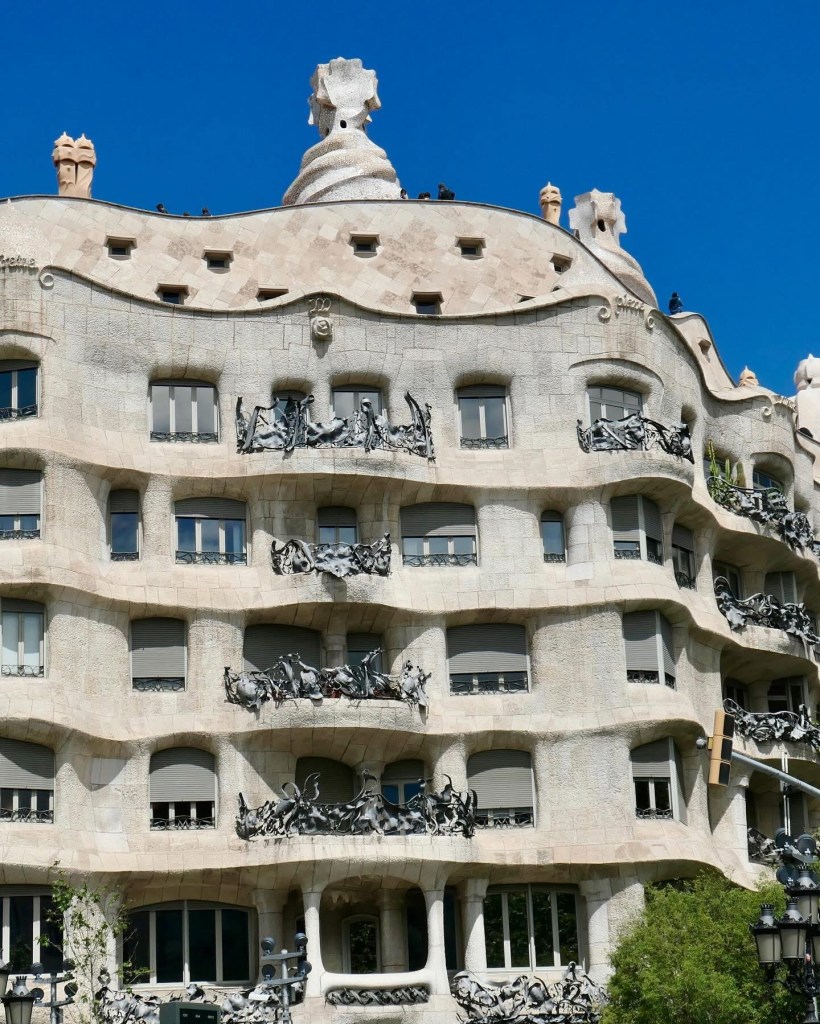
A few blocks farther stood Casa Milà, better known as La Pedrera (“The Stone Quarry”). Built between 1906 and 1912, its façade looks like waves of stone frozen mid-motion, with wrought-iron balconies curling like seaweed. The rooftop is perhaps its most famous feature: surreal chimneys that resemble warriors standing guard. It was revolutionary in its time — both in design and in function — and remains one of Gaudí’s most important works.
A Walk Between Worlds
Strolling Passeig de Gràcia, we moved seamlessly between the present — luxury brands and bustling cafés — and the past, embodied in Gaudí’s creativity. It’s a street that captures Barcelona perfectly: stylish, energetic, and always surprising.
Day Three: Montjuïc & Michelin Stars
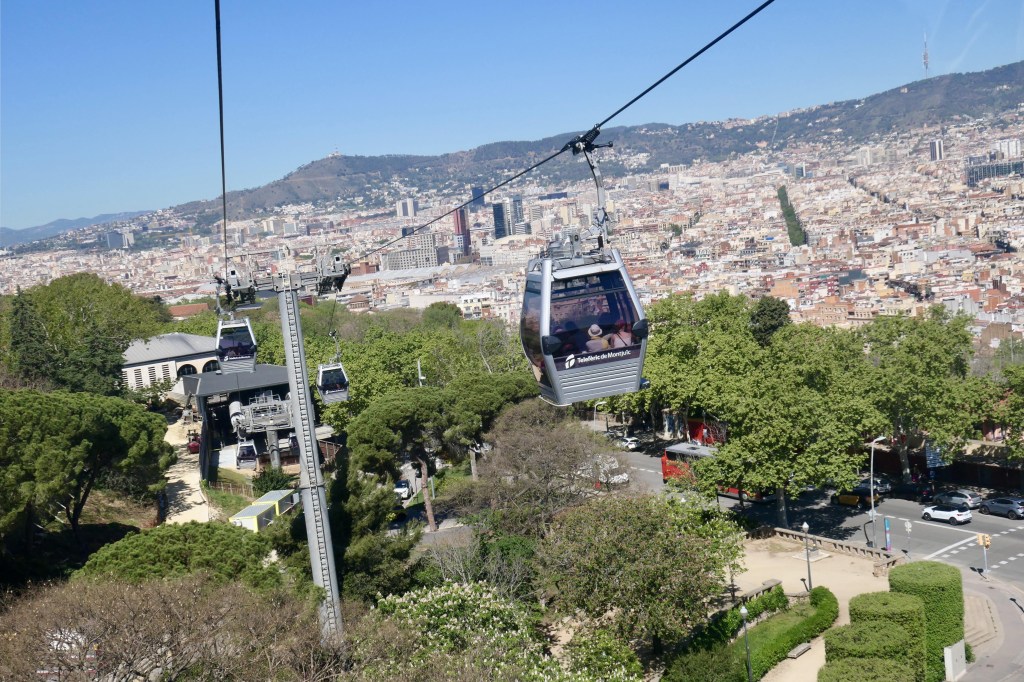
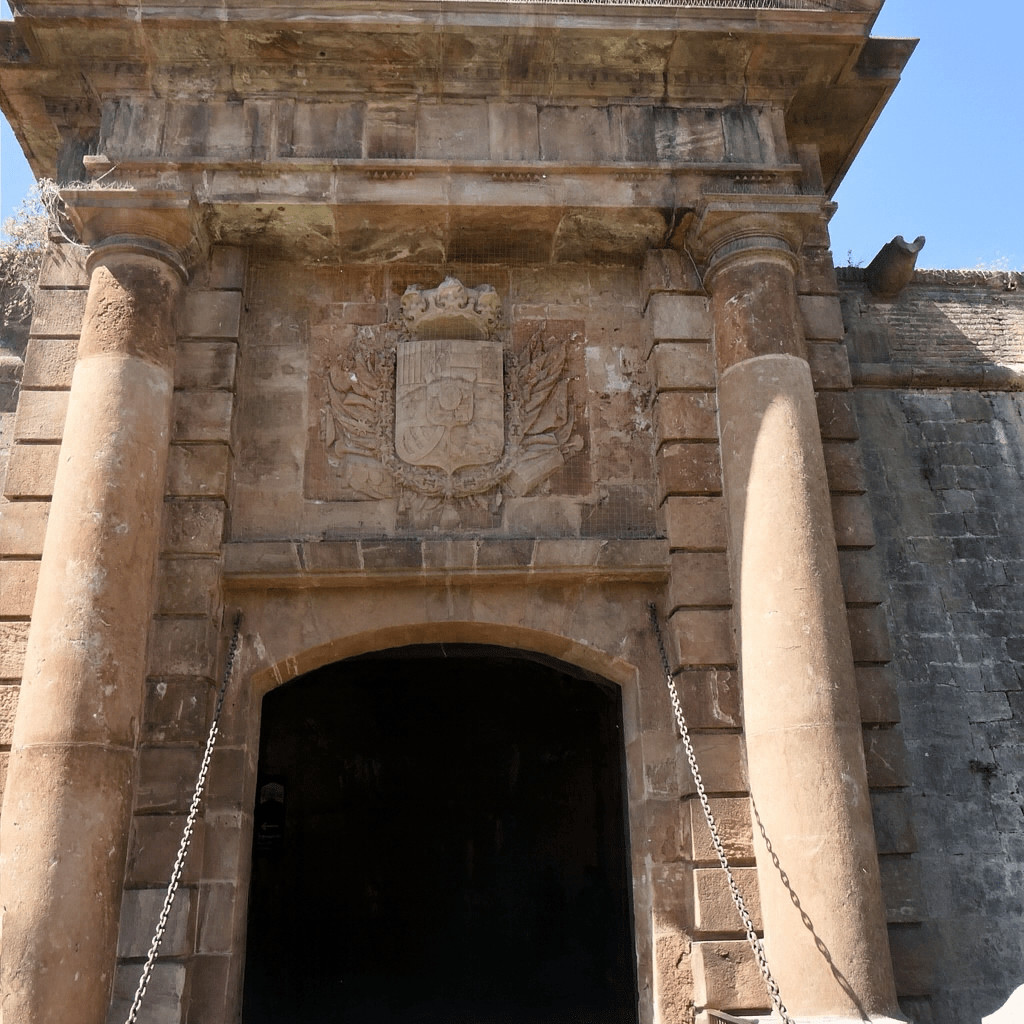
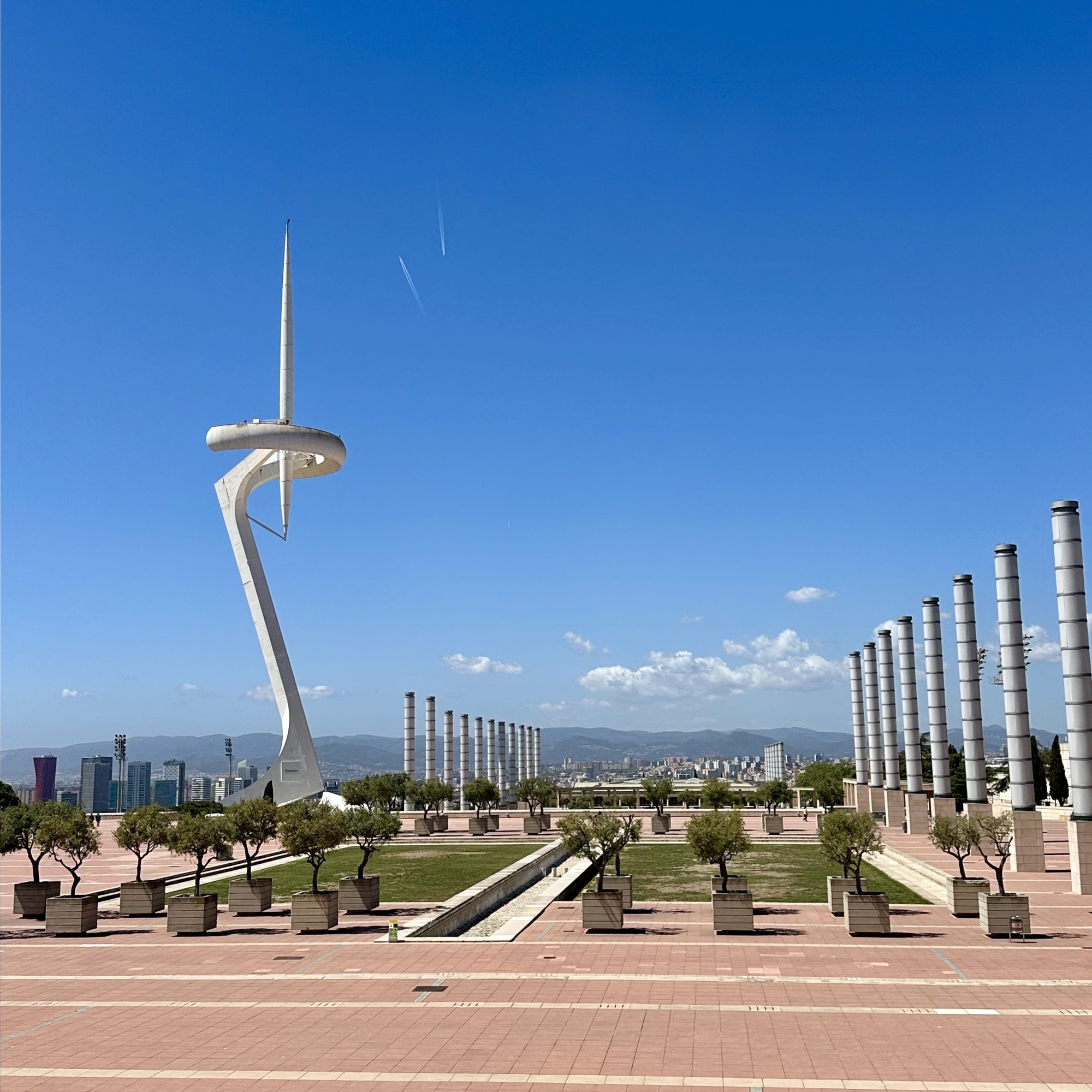
For a change of pace, we took the cable car up Montjuïc, rising high over the city and harbor. Despite Matt’s fear of heights, he loved the sweeping views. At the top we explored Montjuïc Castle, then strolled down through gardens until we reached the Olympic Stadium, a reminder of Barcelona’s 1992 Olympics.


A Dinner to Remember – Cocina Hermanos Torres
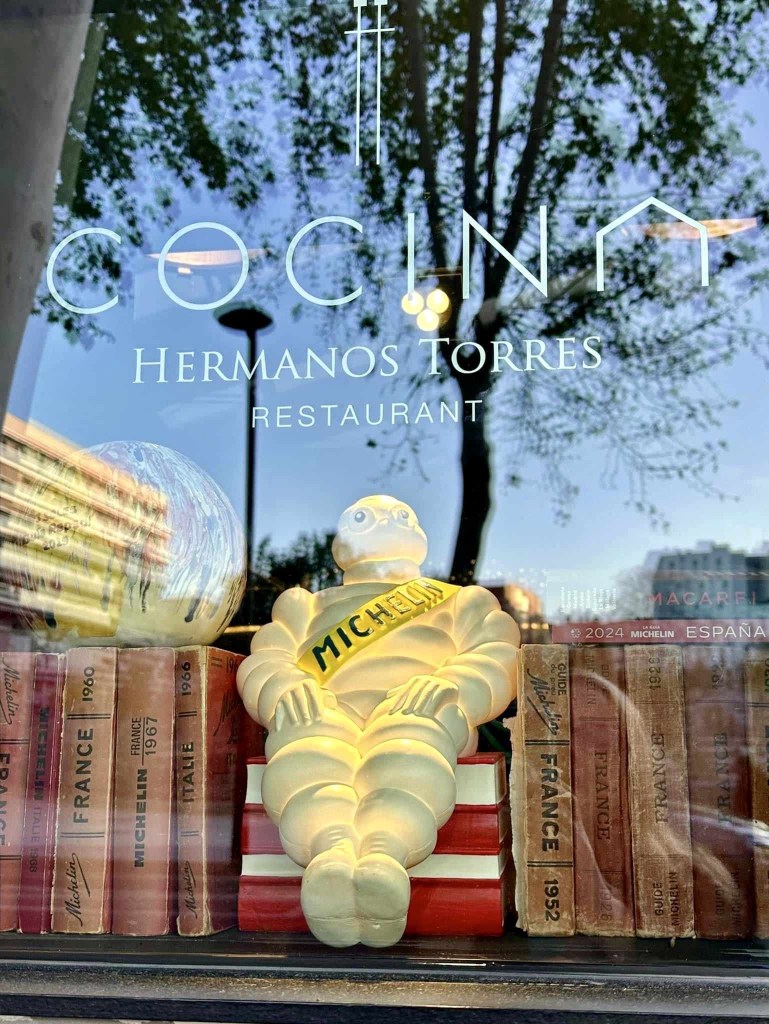
Work has been relentless, and just before this trip, my boss gave me an unusual assignment: “Find the most expensive dinner in Barcelona and expense it.” That led us to Cocina Hermanos Torres, a three-star Michelin temple to creativity, run by twin brothers Javier and Sergio Torres.
The Brothers & Their Vision
The Torres twins grew up cooking with their grandmother Catalina, later refining their craft with Europe’s top chefs. In 2018, they opened Cocina Hermanos Torres in a converted warehouse. The concept is bold: the kitchen is the dining room. Chefs work in full view, transforming each dish into both a meal and a performance.
That night, one of the brothers personally came to our table to greet us, making the experience feel intimate despite its prestige.
The Dining Room as Theater
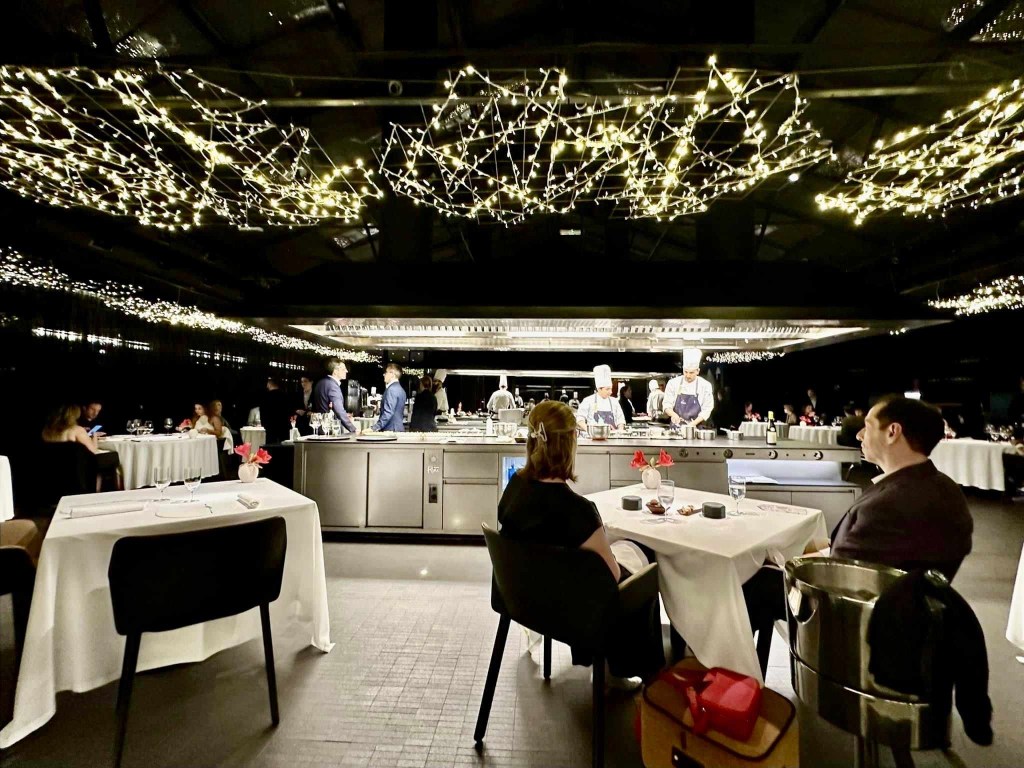
Under a ceiling of glowing constellation-like lights, we sat at our table watching the chefs orchestrate each dish. It felt like a cross between an art show and my husband’s favorite old Japanese cooking competition (the one Chef Yamamoto often appeared on). Every plate was prepared with the precision of performance art.
The Menu – A Journey of Seasons and Memories
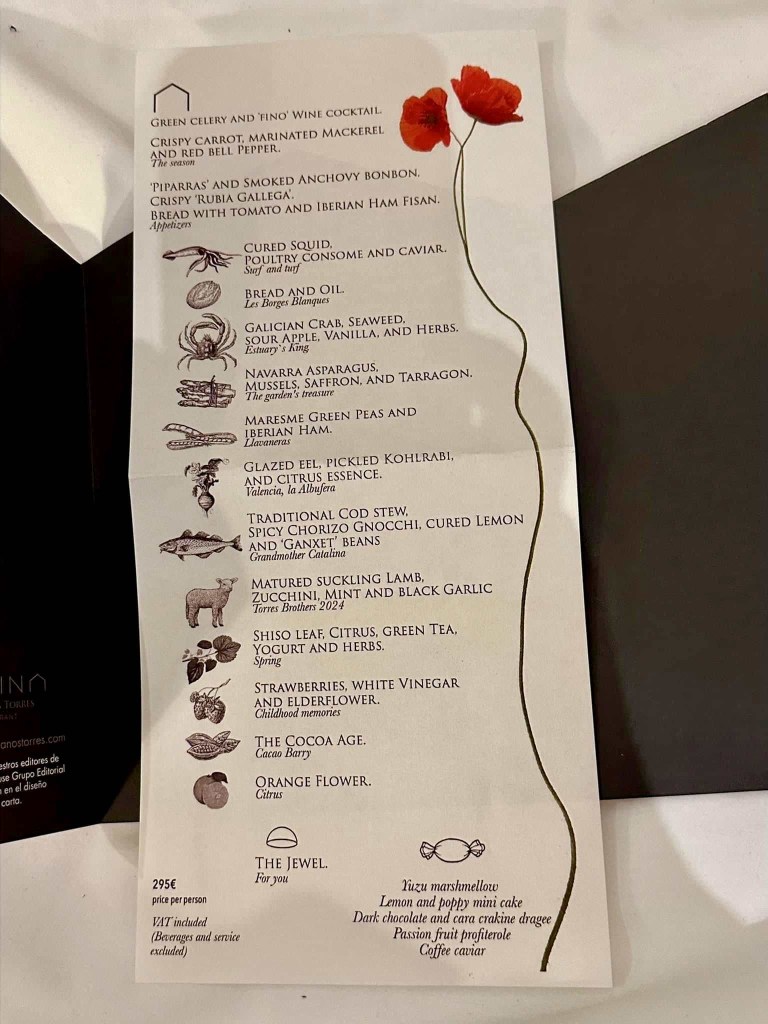
The tasting menu unfolded as a story:
• Amuse-Bouches: crispy carrot with marinated mackerel, smoked anchovy bonbon, and jewel-like chocolate domes.
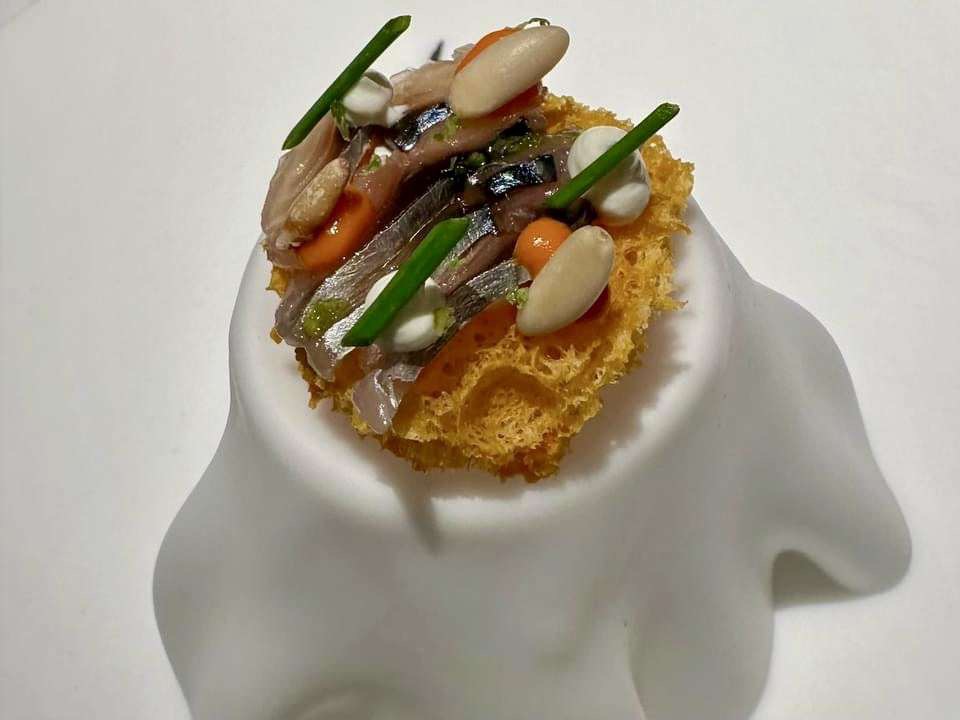
• Amuse-Bouches: ‘Piparras’ and smoked anchovy bonbon.

• Amuse–Bouches: Crispy rubia gallega.

• Amuse–Bouches: Bread with tomato and Iberian ham fisan.
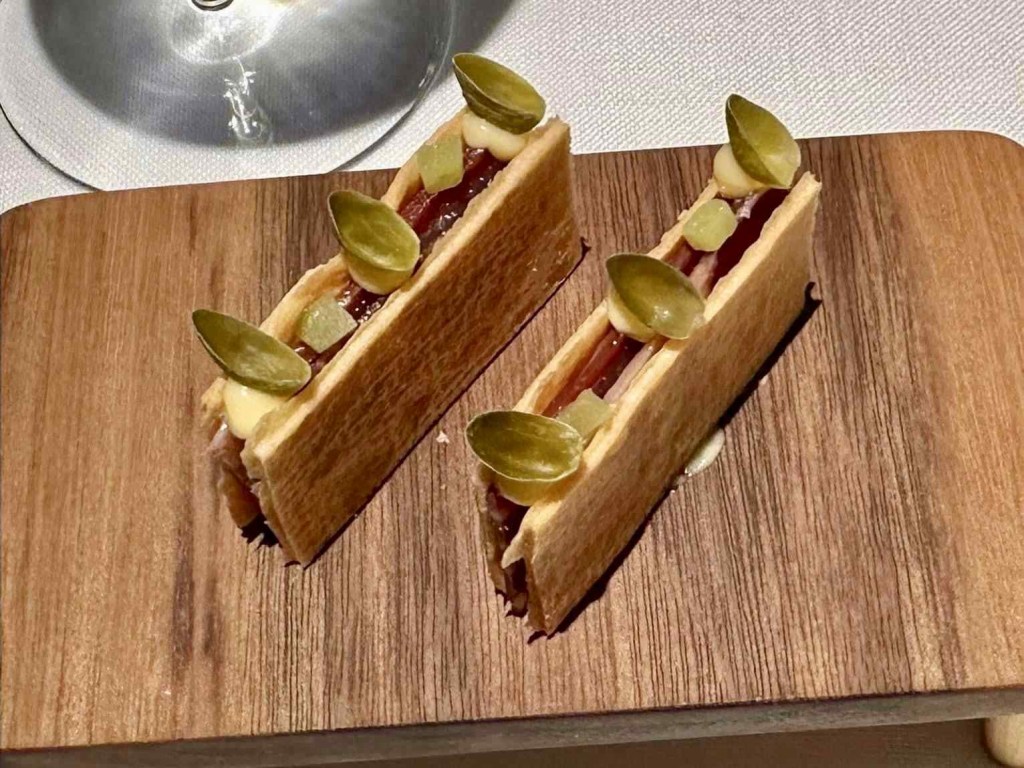
• From the Sea: cured squid with caviar, Galician crab with sour apple and herbs, mussels with saffron, glazed eel with kohlrabi.

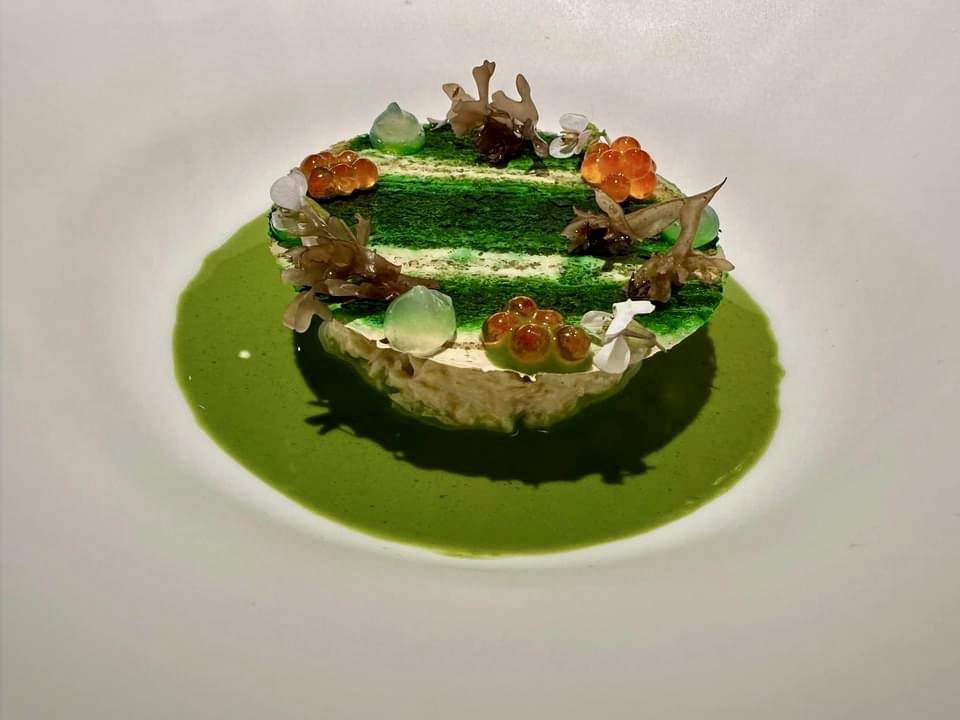
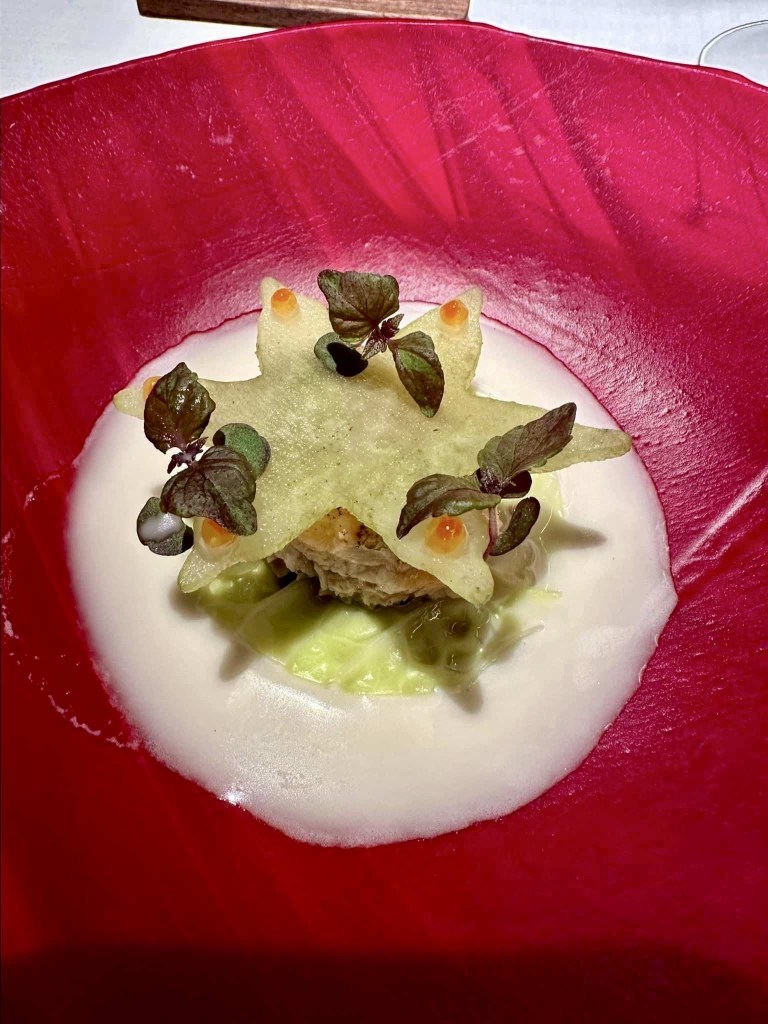
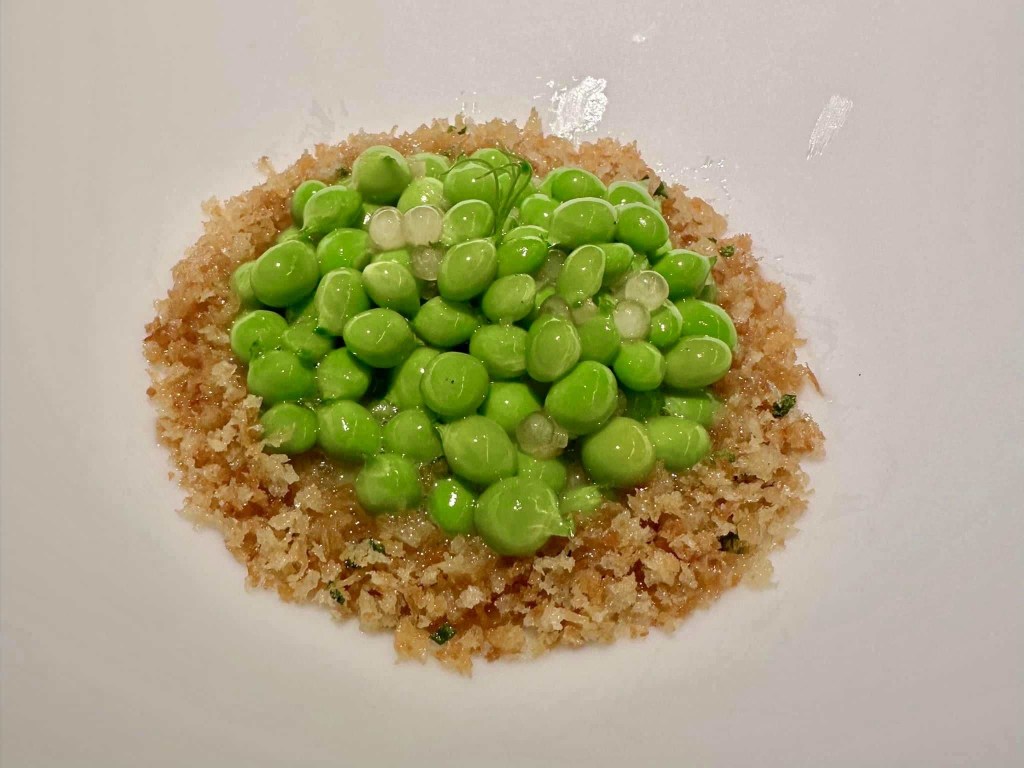
• From the Garden: Navarra asparagus with mussels, saffron, and tarragon. , Maresme peas with Iberian ham, shiso leaf with citrus and tea.
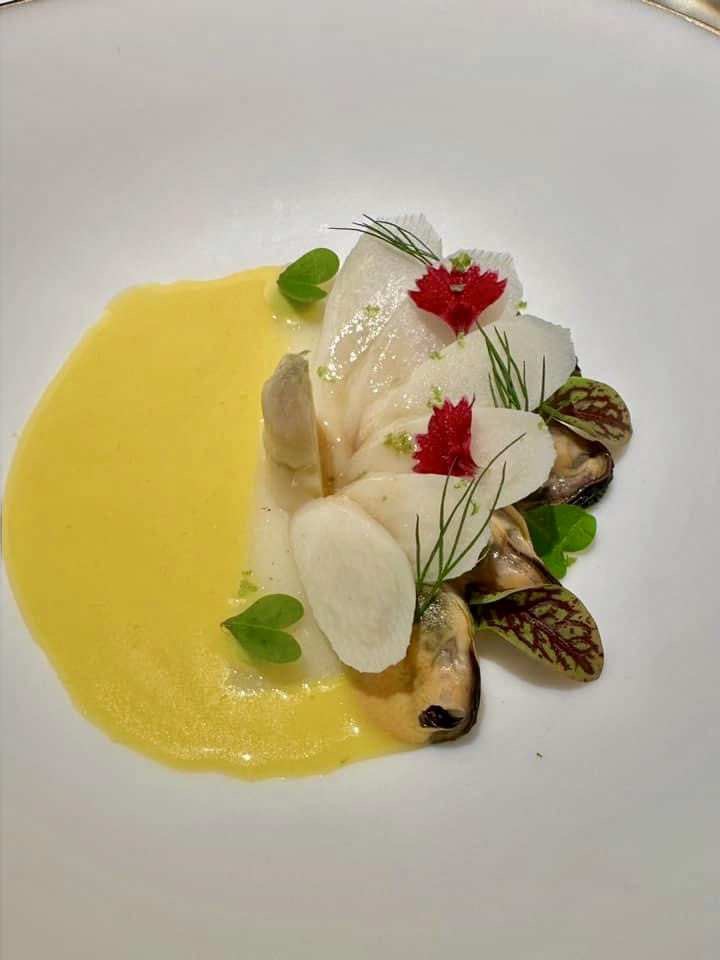
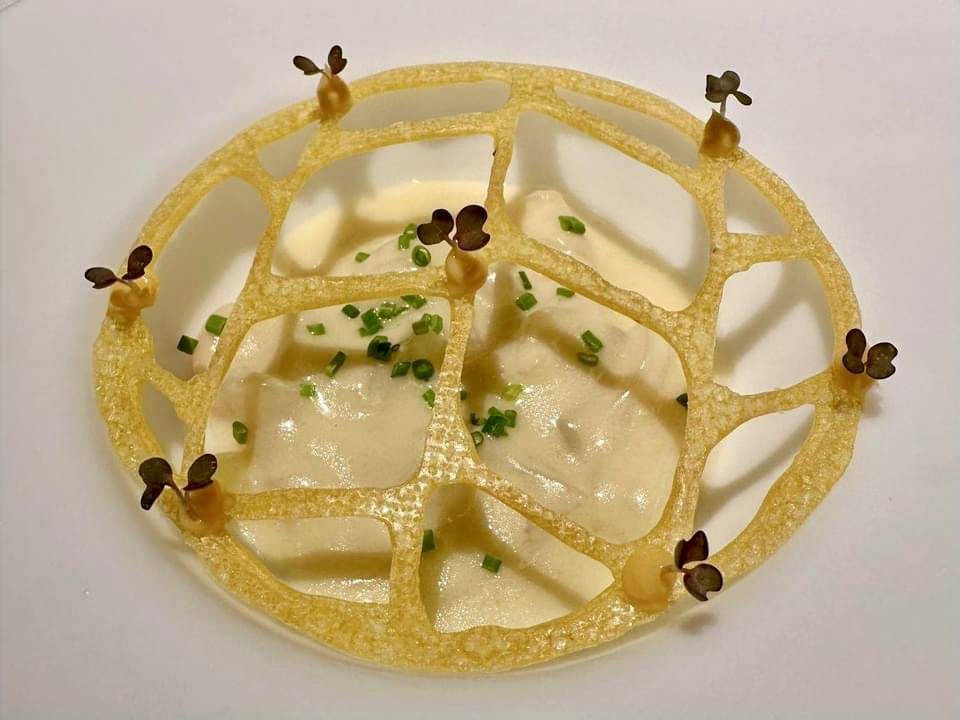
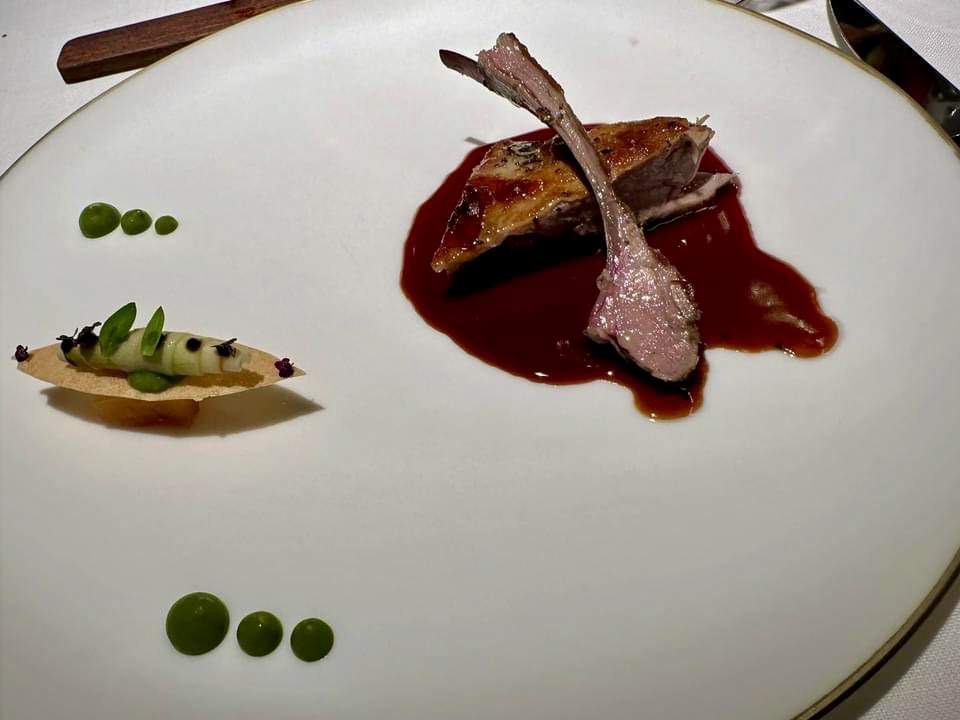
• From Tradition: cod stew with chorizo gnocchi, suckling lamb with mint and black garlic.
• Desserts: strawberries with elderflower, cocoa textures, orange flower, and “The Jewel,” a golden orb cradled in a scarlet blossom.
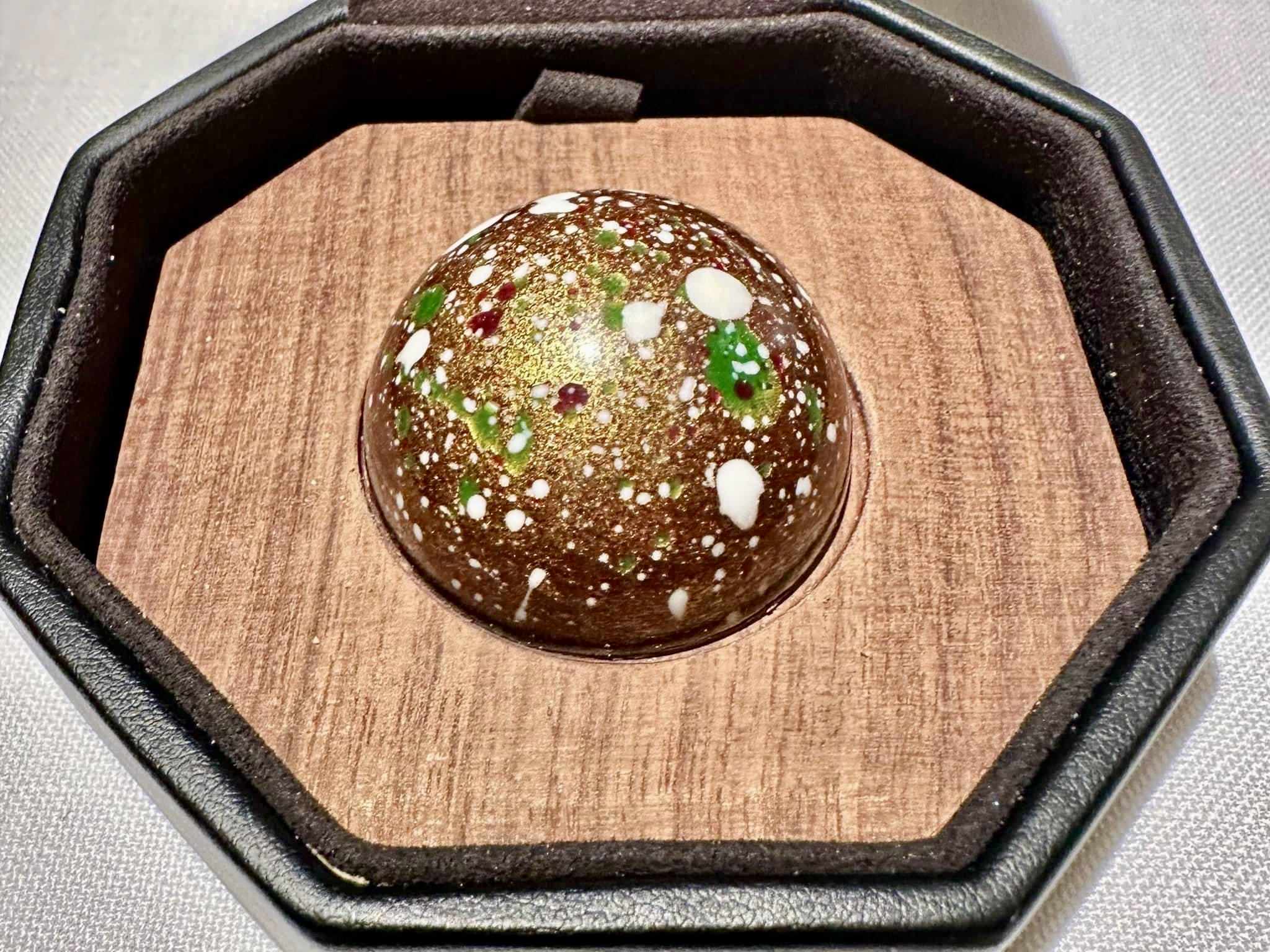
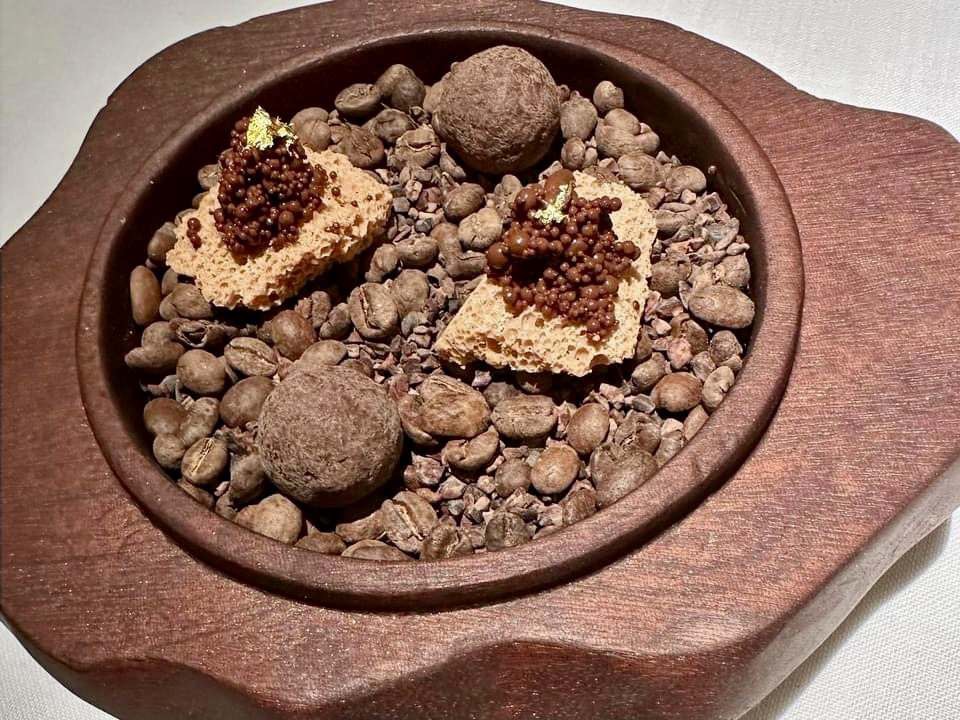
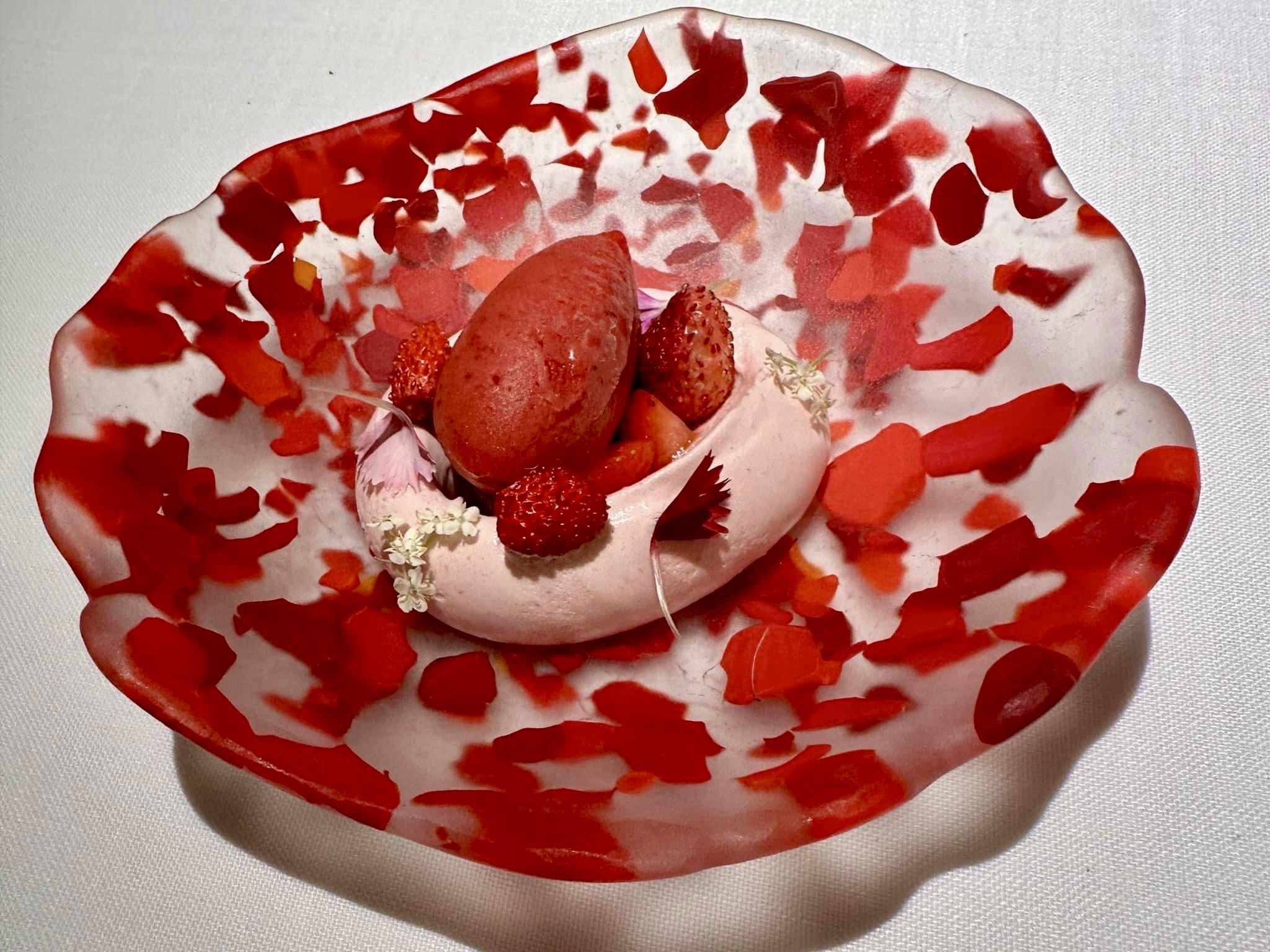
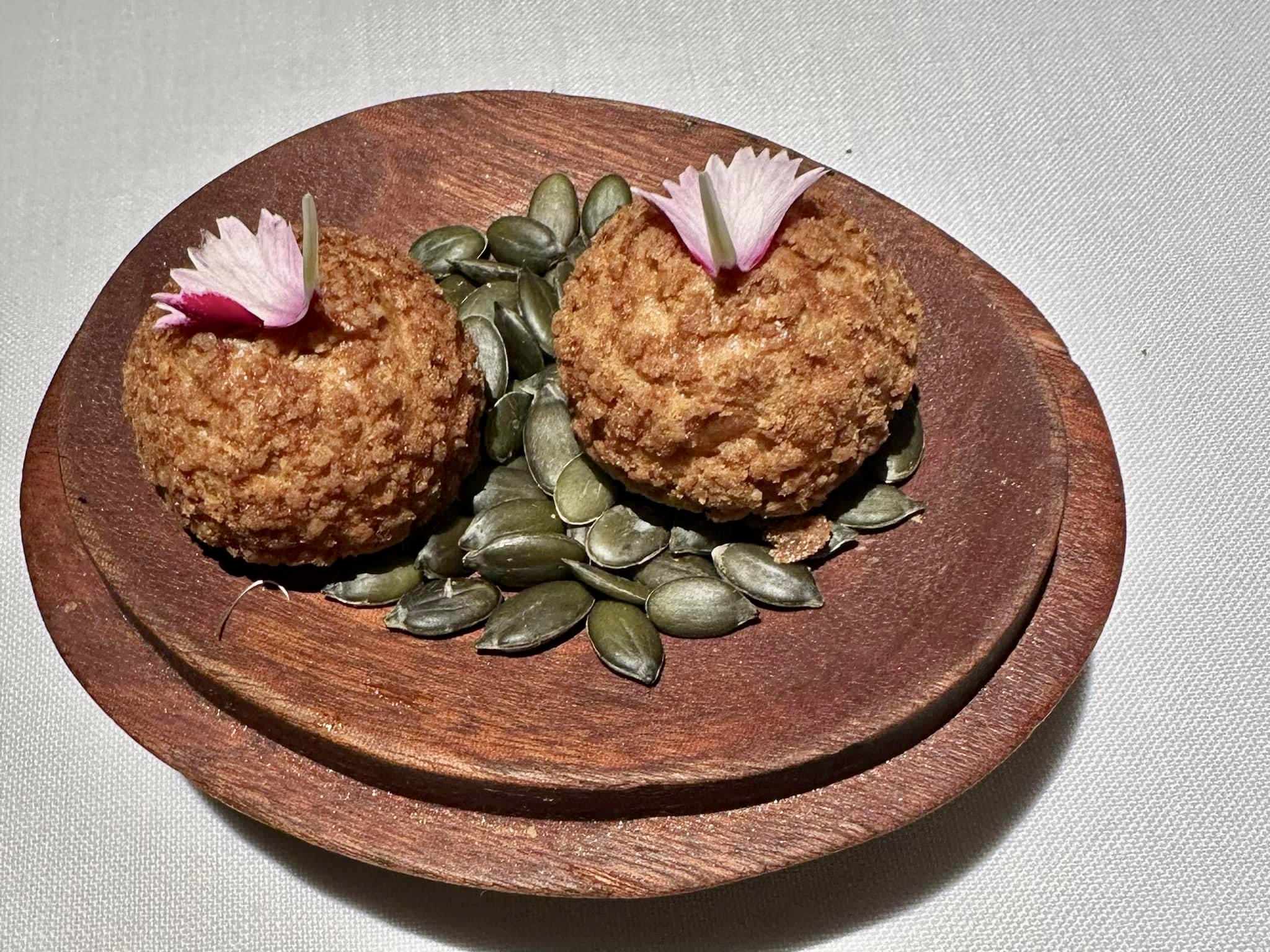
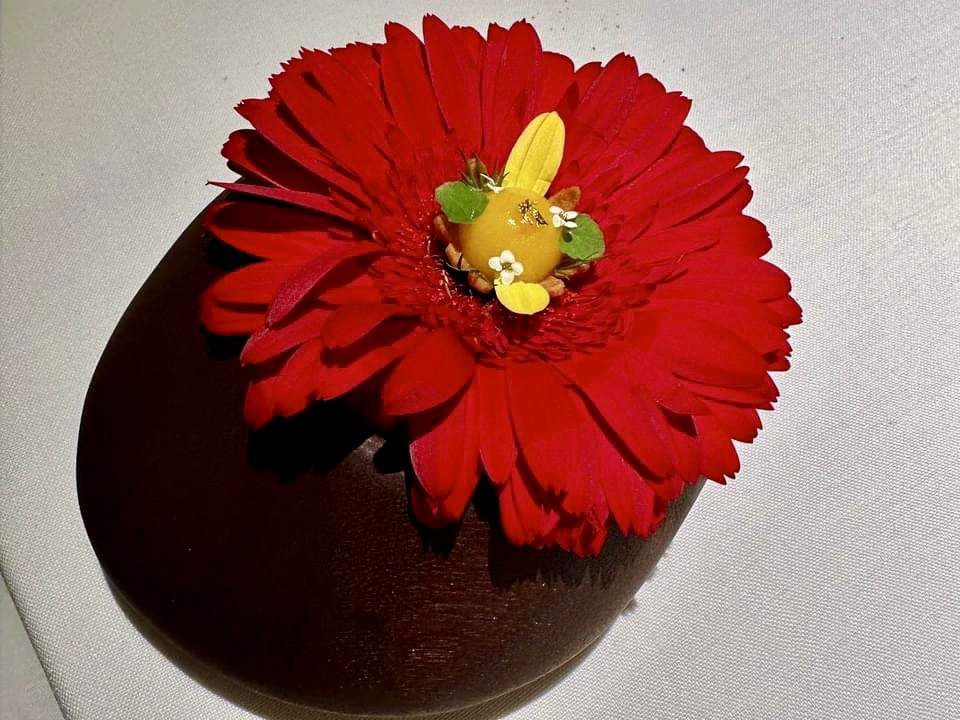
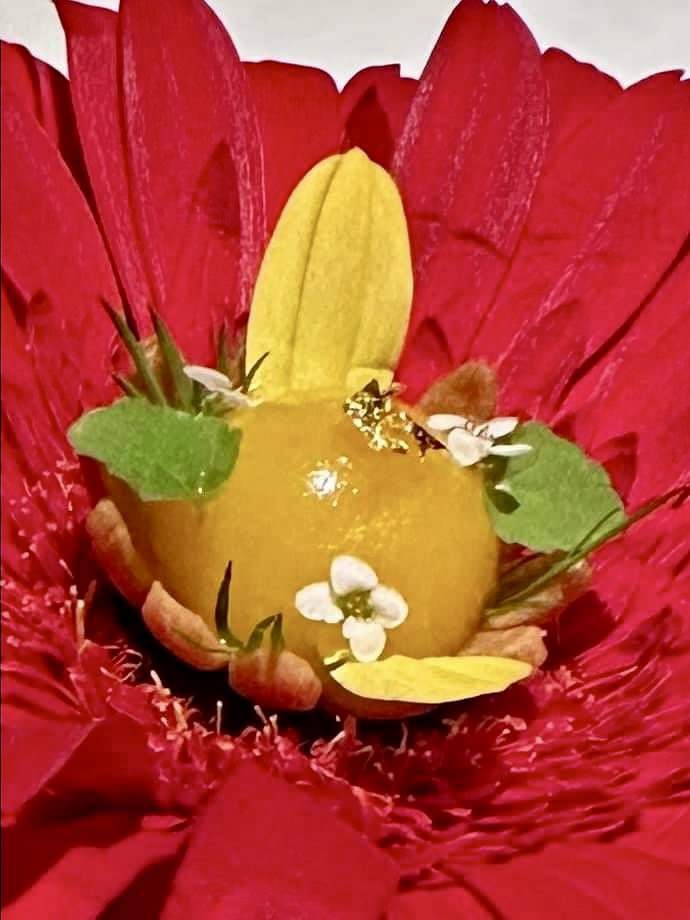

Each course was as stunning to look at as it was to taste. Plates came adorned with edible flowers, gilded touches, and whimsical arrangements.
More Than a Meal
We left feeling full, but also strangely restored. This wasn’t just about food — it was about storytelling, artistry, and remembering that even in chaos, there are moments worth pausing for.
As extravagant as it was, this dinner was exactly what I needed: not just indulgence, but a reminder to breathe, savor, and celebrate.
Day Four: Modernisme & Markets
We explored Hospital de Sant Pau, another modernist masterpiece by Lluís Domènech i Montaner. Its tiled domes, gardens, and pavilions made it feel more like a palace than a hospital.


Later, wandering through the Gothic Quarter, we stumbled across quirky shops, including one selling Caganers — traditional Catalan figurines for nativity scenes that depict characters (from politicians to pop stars) squatting with their pants down. Strange, hilarious, and uniquely Catalan!


Barceloneta – From Yachts to Sunset
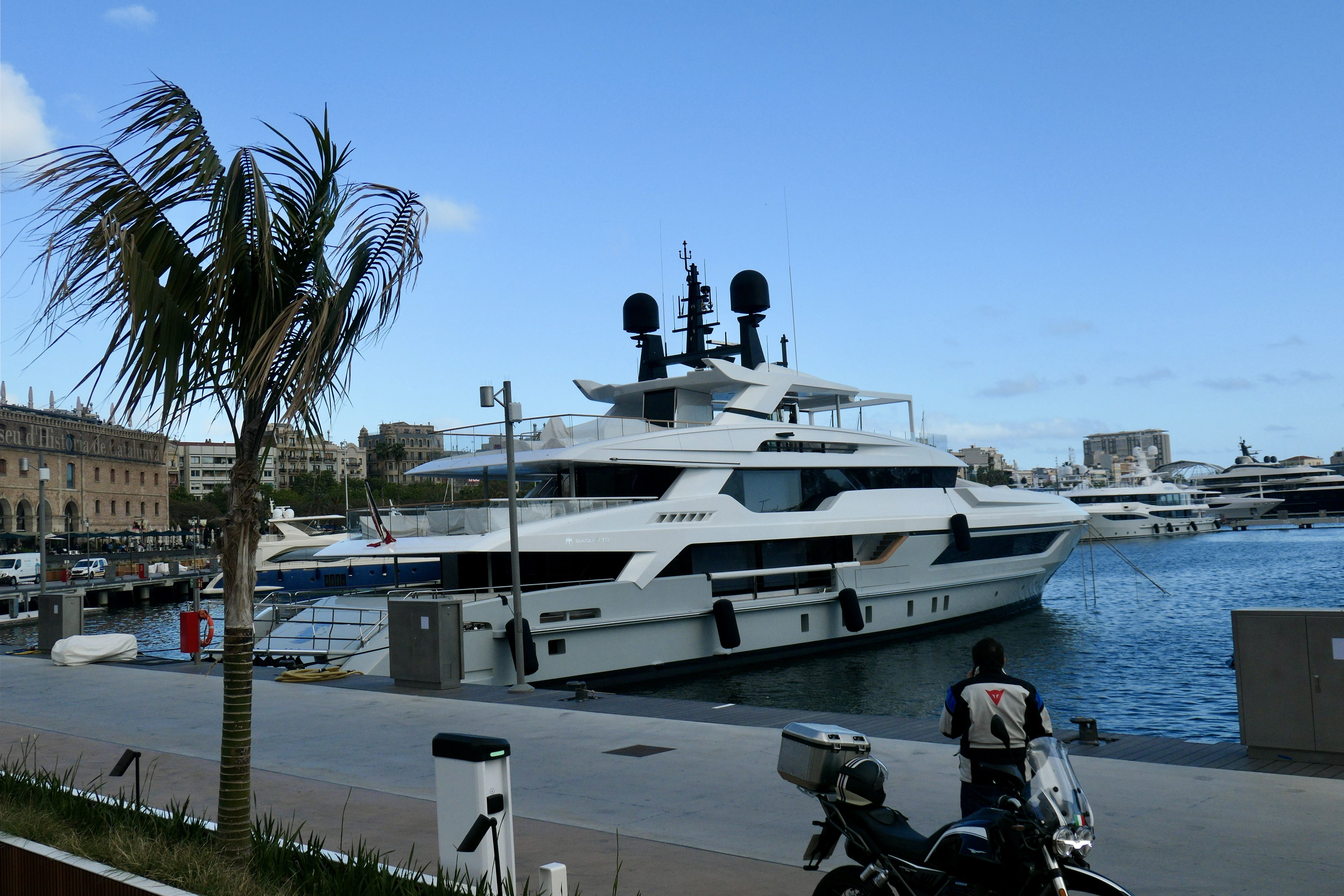
One afternoon we walked to Barceloneta, a neighborhood of contrasts. At the marina, massive yachts gleamed in the sun, symbols of international luxury. But just a few blocks in, we found laundry hanging between balconies, kids playing soccer, and small tapas bars with neighbors chatting like family.
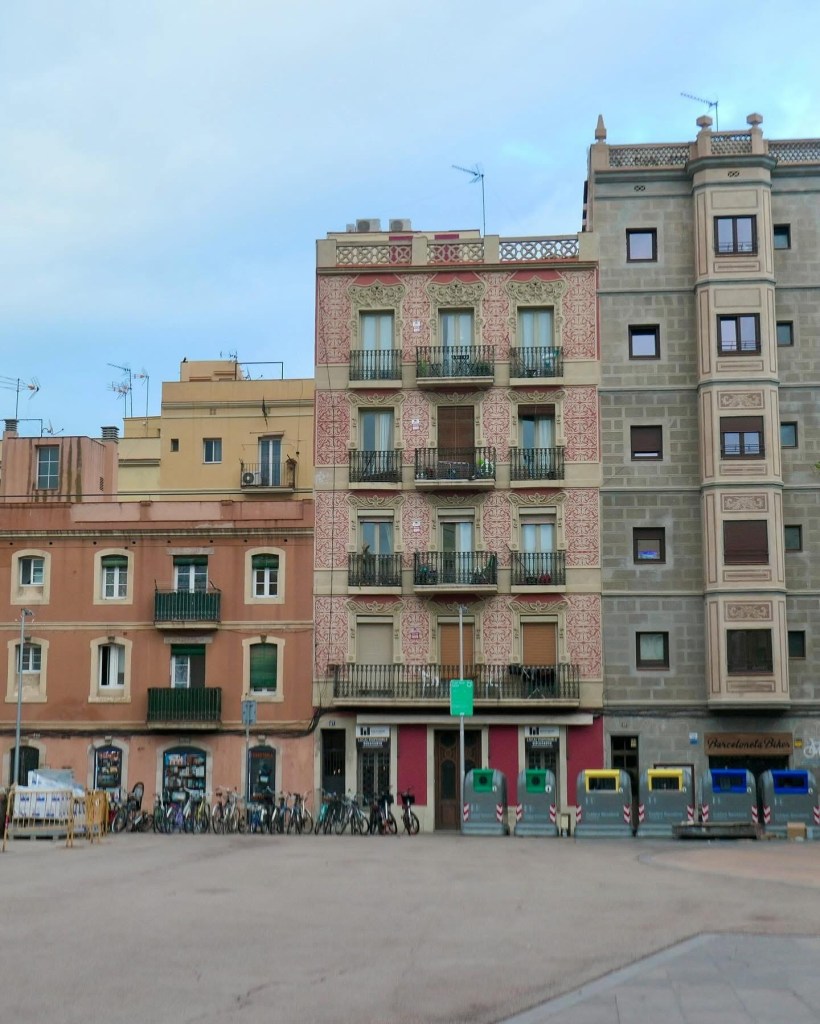
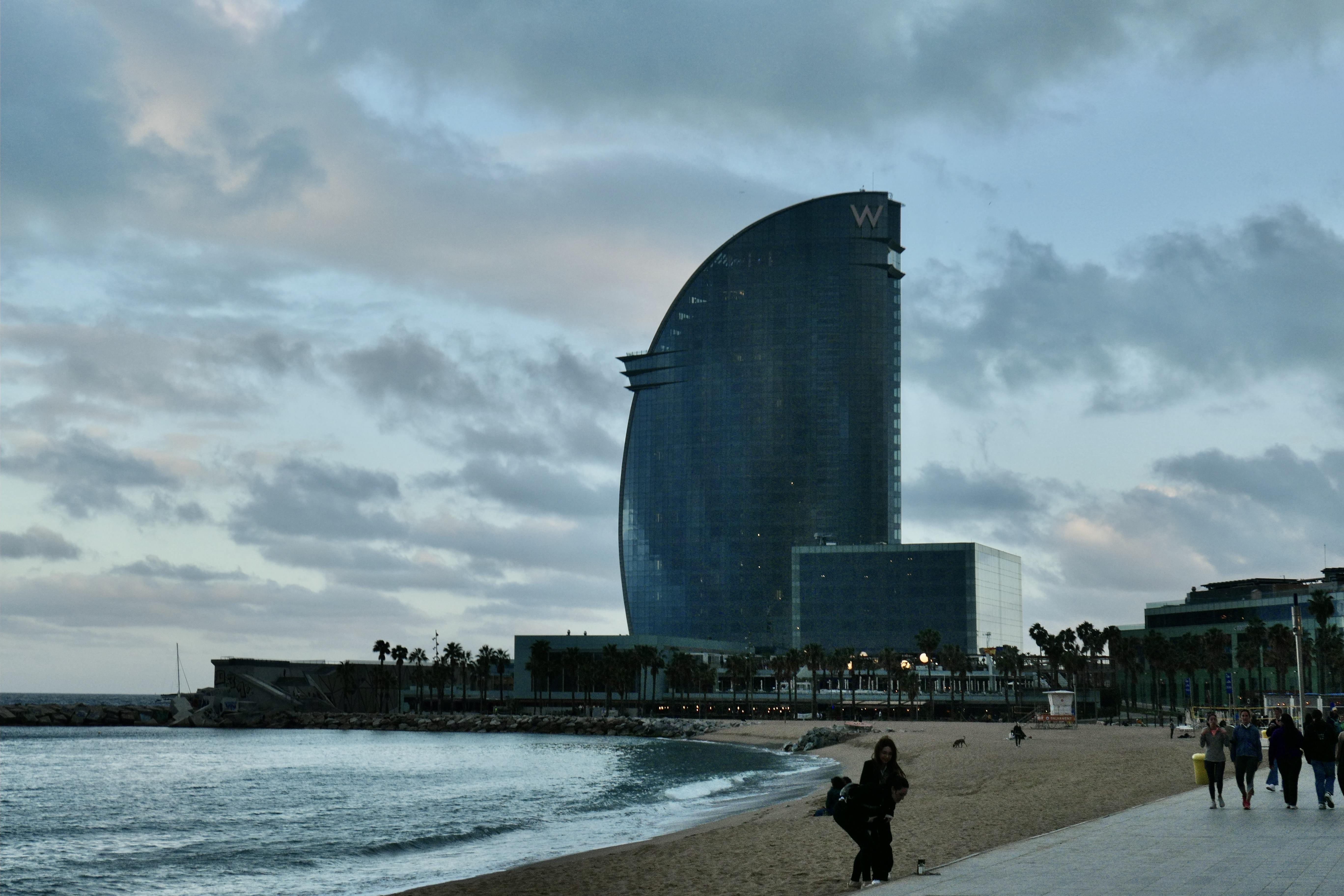
Eventually we reached the wide stretch of beach, where we stayed to watch the sunset over the Mediterranean. To the side loomed the futuristic W Hotel, its sail-shaped design glinting in the fading light. It was a perfect reminder of how Barcelona blends tradition with modern spectacle.

Our Last Night: Dinner at 7 Portes
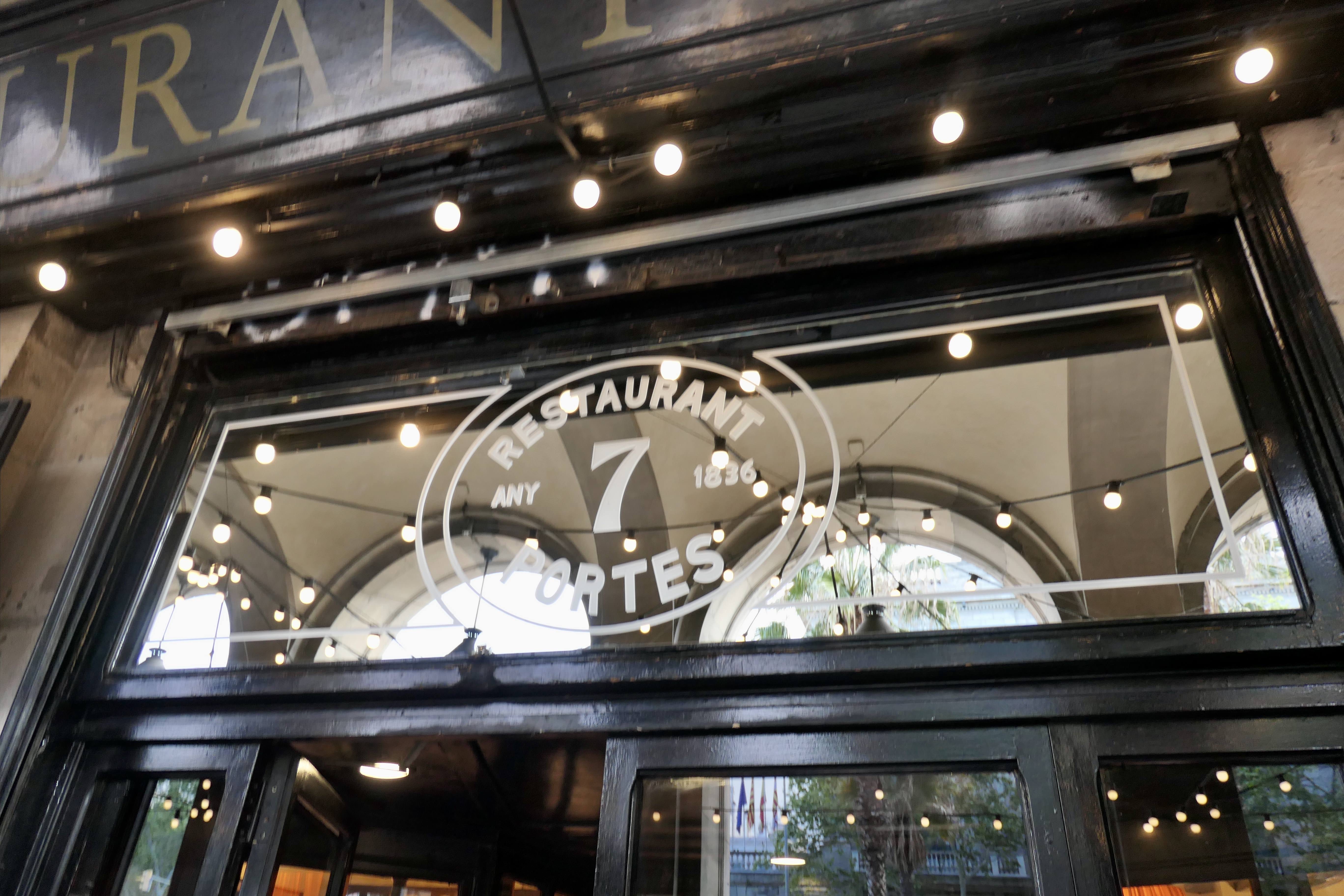
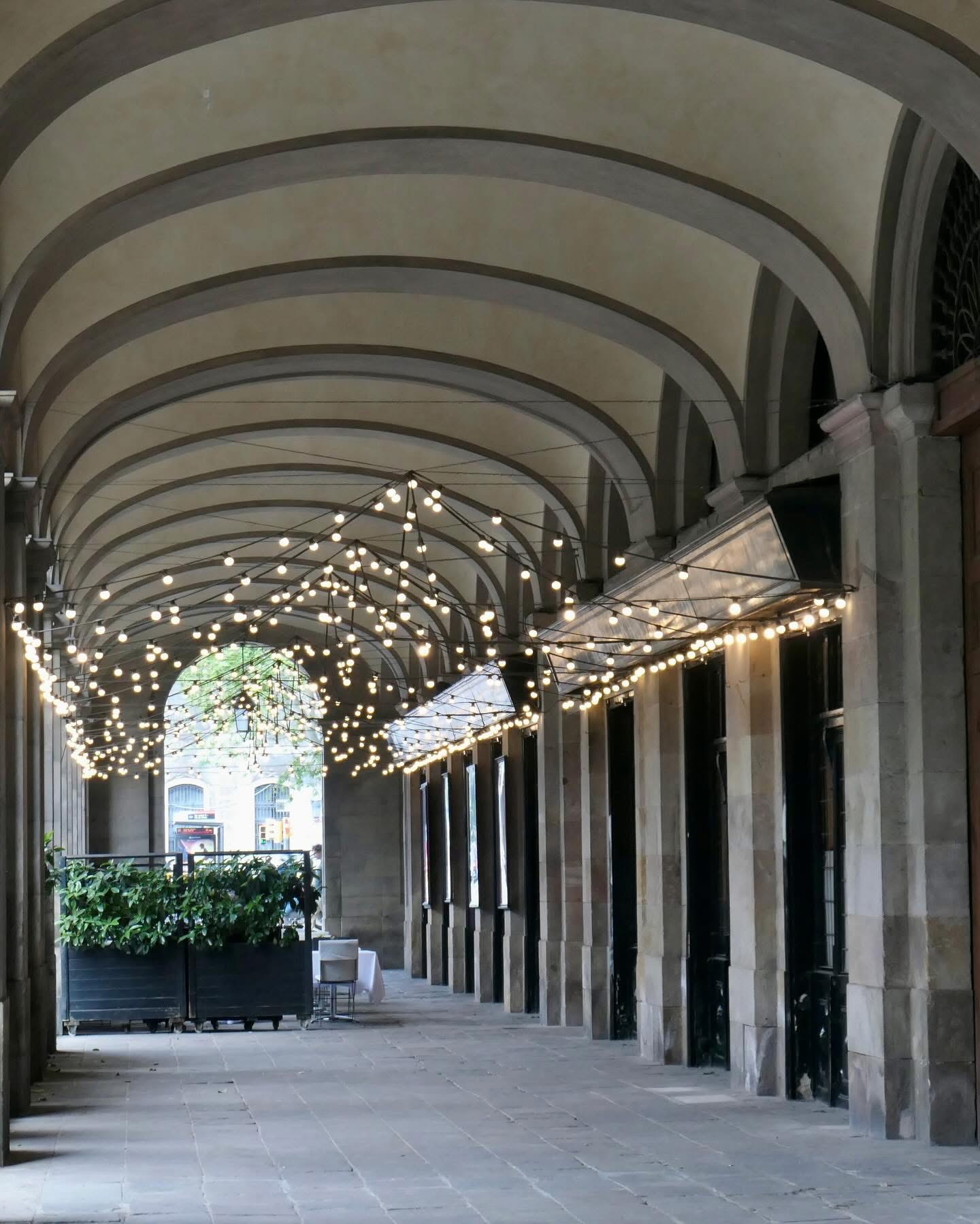
Our tour guide insisted we couldn’t leave Barcelona without dining at 7 Portes (often misheard as “7 Bridges”). Open since 1836, it’s one of the city’s most historic restaurants, beloved by artists, writers, and politicians. Picasso is said to have dined here as a student, and its walls still whisper with history.
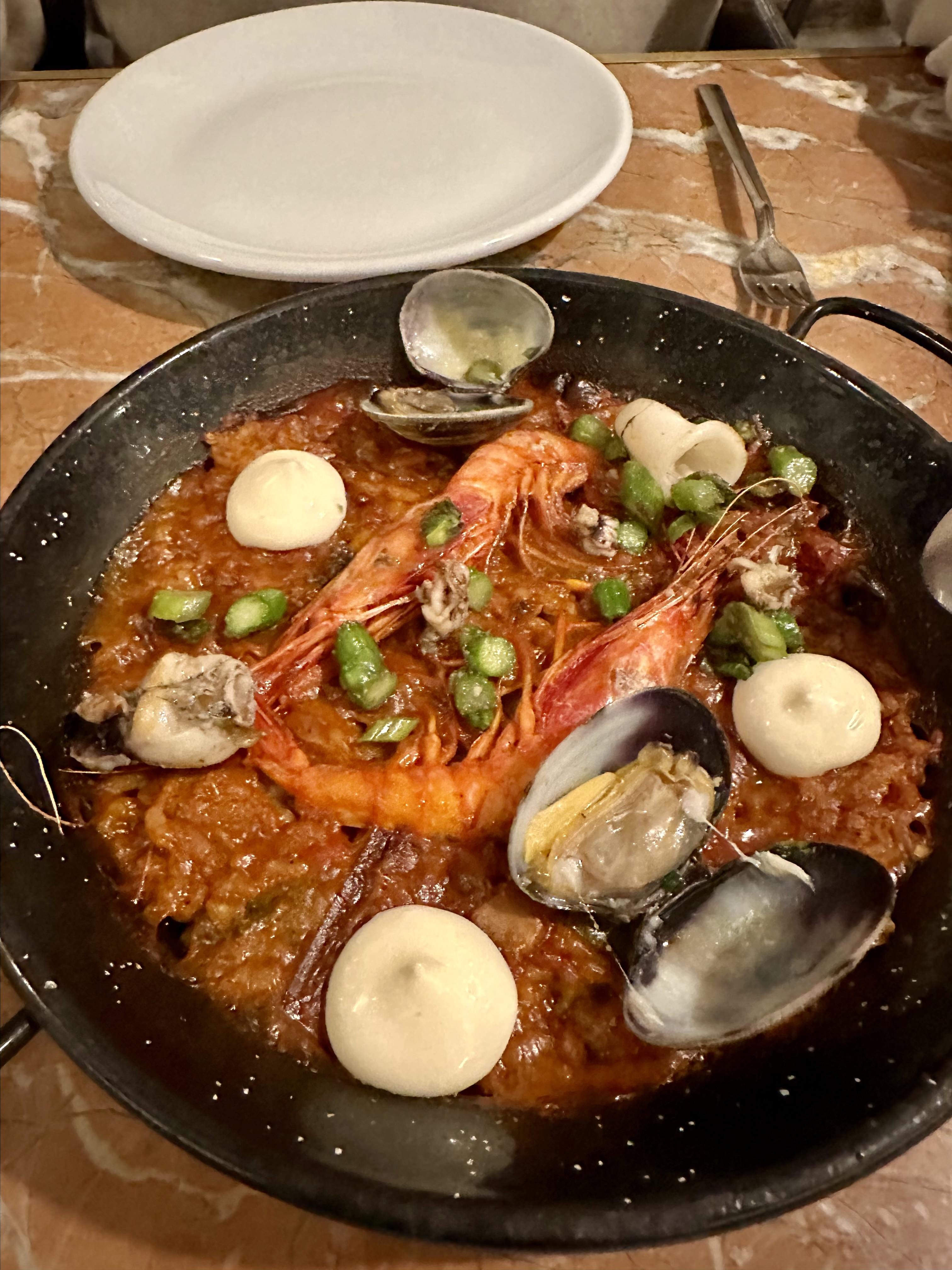
The restaurant is famous for its traditional Catalan cooking, especially the Paella Parellada, created so all shellfish is served peeled for easier eating. We ordered it, of course, and it was everything we hoped — generous, richly flavored, and deeply satisfying.
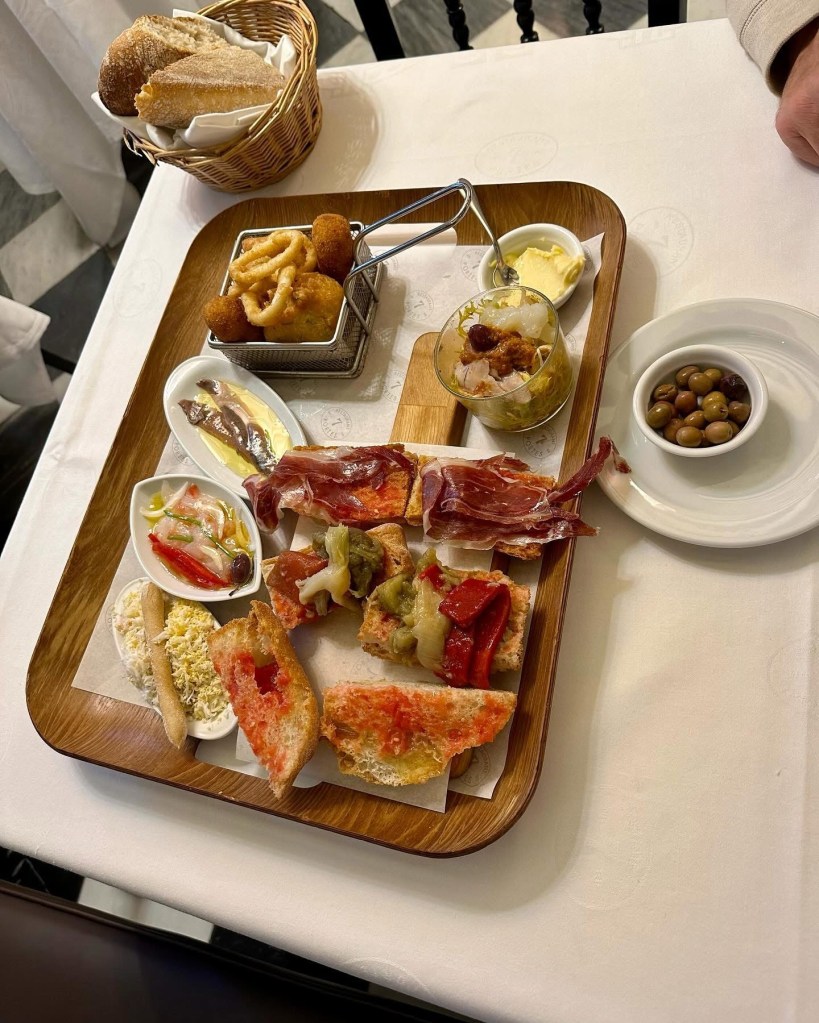
Walking there through the Gothic Quarter, past arches and old stone churches, and ending the night with paella in a place where Picasso once ate felt like closing our trip with a piece of Barcelona’s living history.
Saying Goodbye
On our last morning, we wandered aimlessly near Las Ramblas, soaking up the streets one last time before heading to the airport. The grand façade of the Palau de la Música Catalana, modernist details on nearly every building, and the vibrant street life reminded us why Barcelona had captured our hearts.
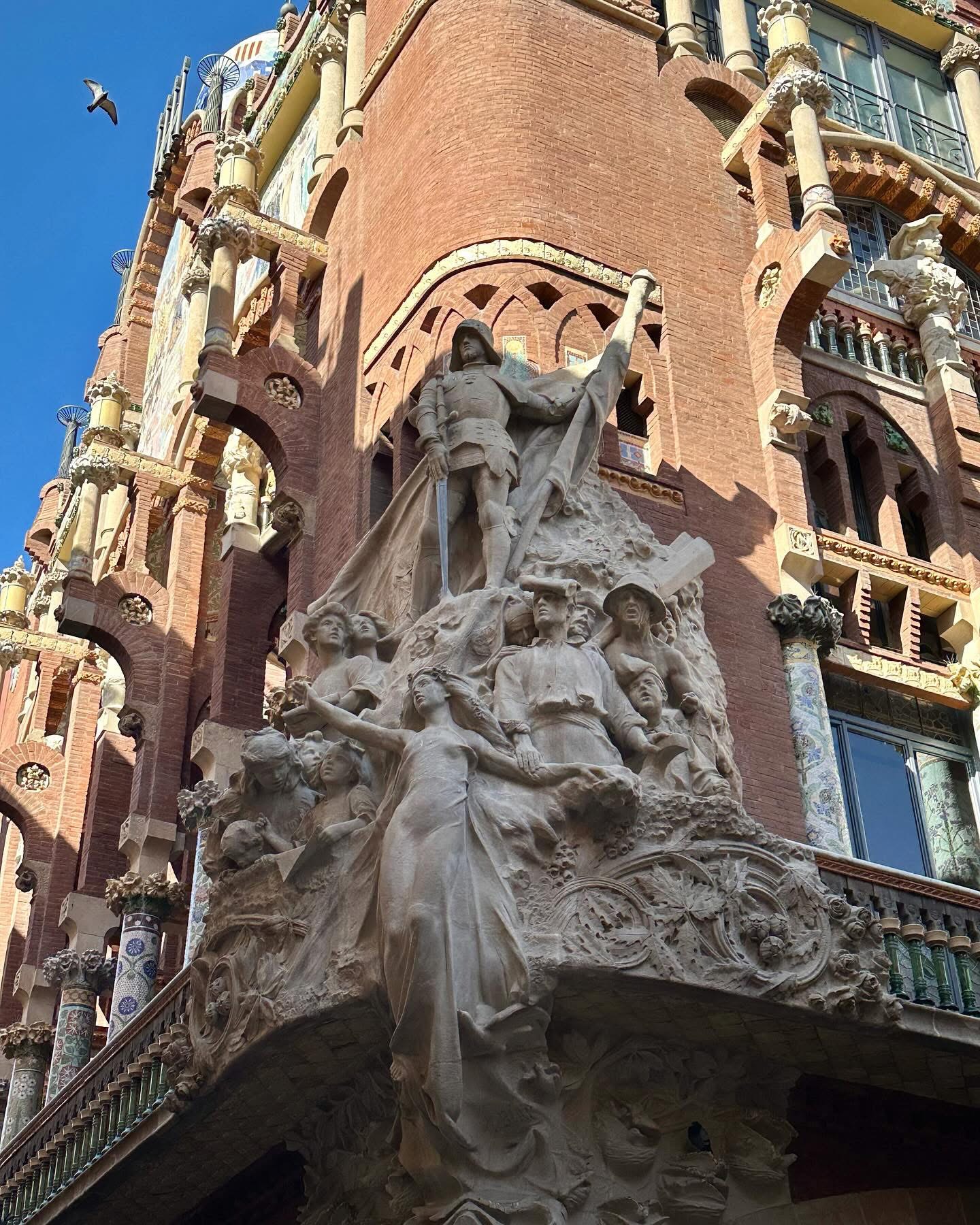

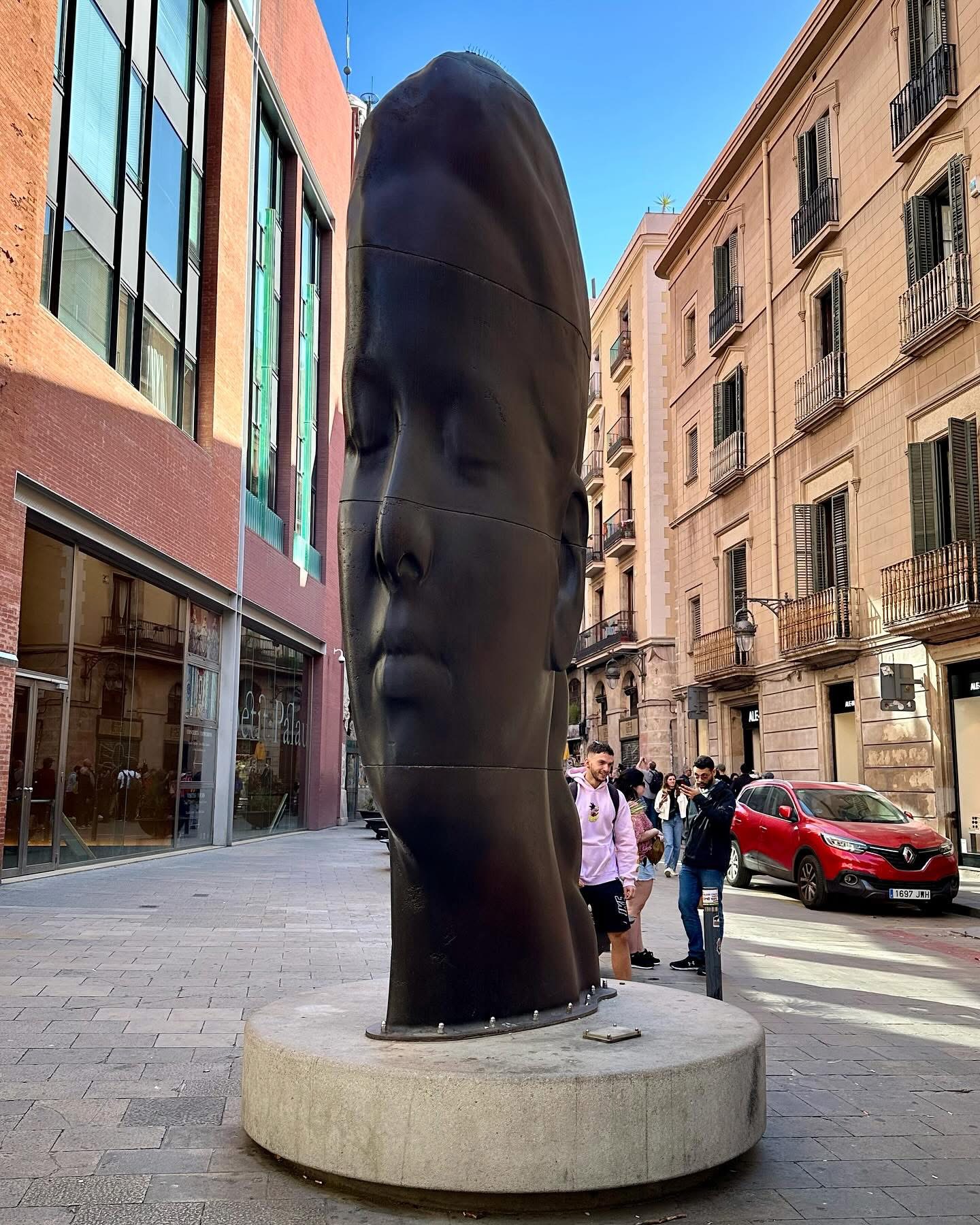
It’s a city of art and energy, where every corner seems to hold a surprise — whether it’s Gaudí’s genius, a lively market, or just the simple joy of cava and tapas at a street café.
 Click, Wander & Savor