Sintra & the Edge of the World: Palaces, Wells, and Wild Cliffs
Just when I thought Lisbon had already stolen my heart with its pastel streets and pastries, we took a day trip that felt straight out of a storybook — complete with castles in the clouds, secret tunnels, and the literal edge of Europe.
The Fairytale Hills of Sintra
Our day began in the historic center of Sintra, a small town nestled in misty green hills that once served as the summer playground for Portuguese royalty. Cobbled lanes and tiled facades lead to pastry shops piled high with the local specialty, travesseiros — buttery puff pastries filled with almond cream that are reason enough to move here.
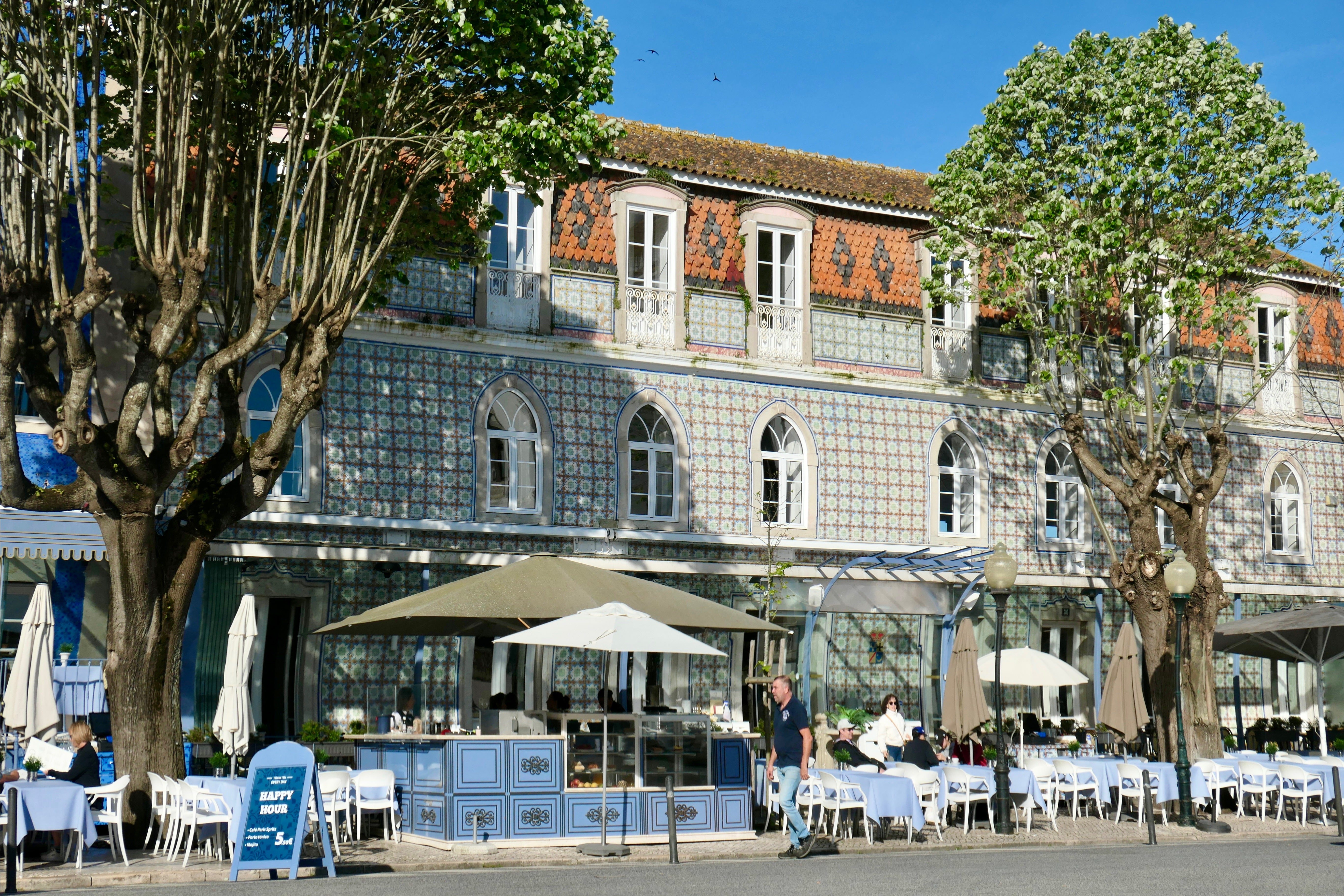
Cobblestone streets and tiled facades in Sintra’s historic center — the royal summer retreat that feels plucked from a fairytale.
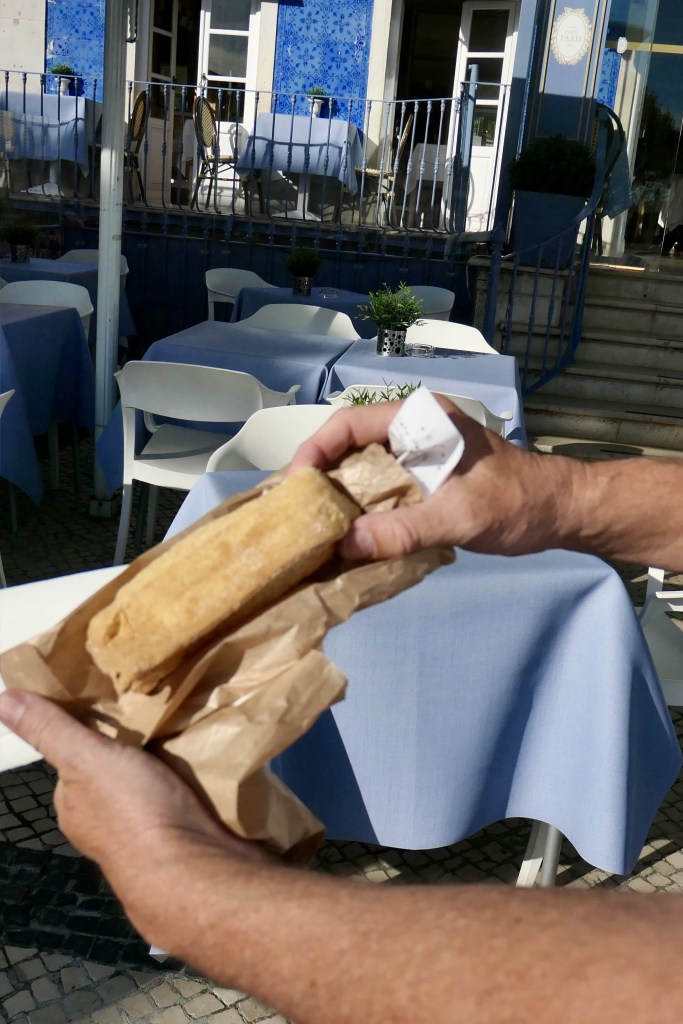
A quick stop for travesseiros, Sintra’s famous almond-filled pastries (worth every crumb).
From there, the magic only grew.
Quinta da Regaleira — Where Myths Come Alive
If Sintra were a storybook, Quinta da Regaleira would be the chapter that takes a mysterious turn. Built in the early 1900s by a wealthy Portuguese visionary named António Carvalho Monteiro (and designed by Italian architect Luigi Manini), the estate feels like a blend of dream and riddle.
Every inch tells a story. The architecture fuses Gothic, Manueline, Renaissance, and Moorish influences — turrets with twisted ropes carved in stone, gargoyles peeking from corners, and hidden symbols nodding to the Knights Templar, Freemasonry, and ancient alchemy.
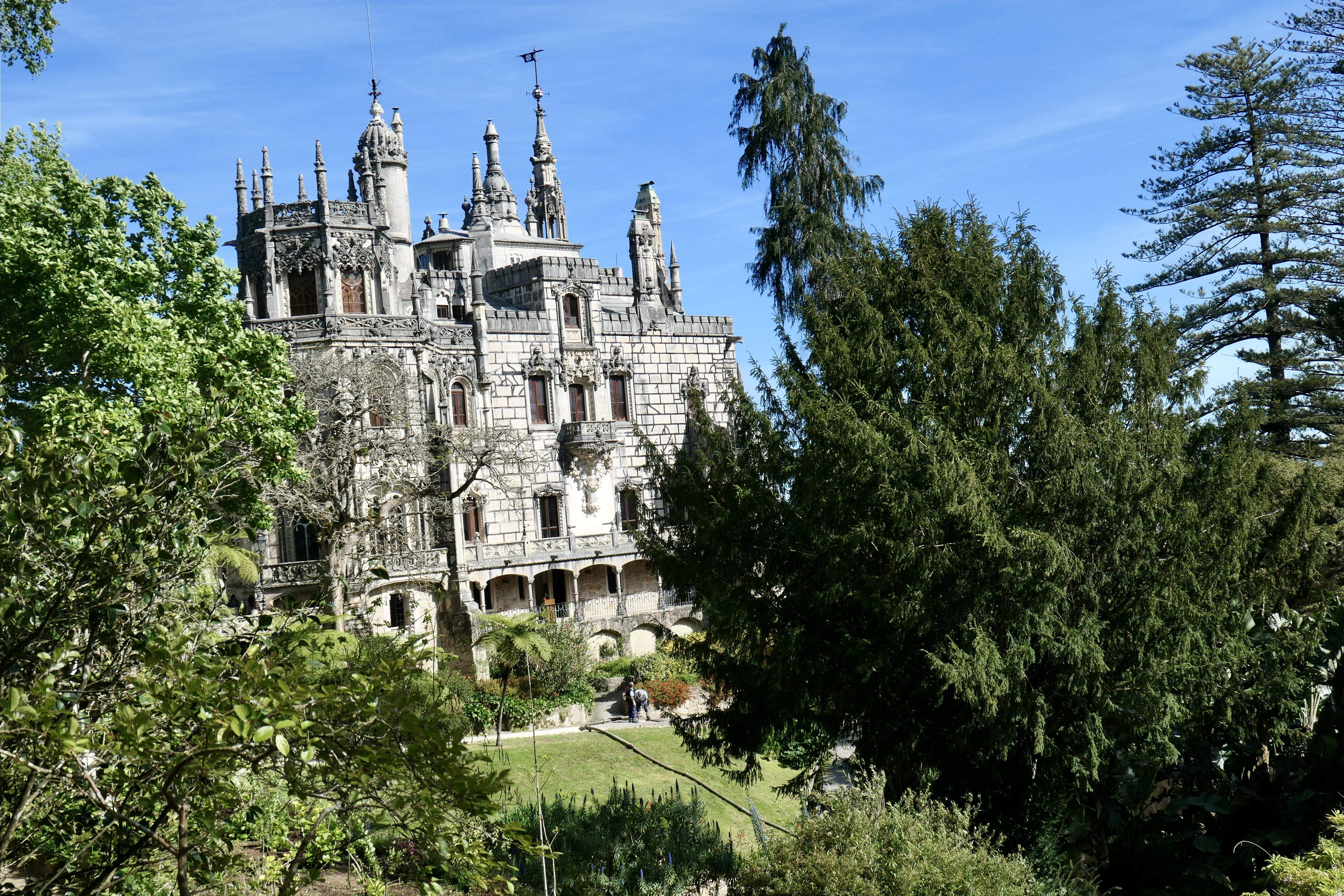
The romantic Gothic façade of the Regaleira Palace, blending Manueline rope carvings and Moorish arches.
But nothing captures the imagination quite like the Initiation Well. Standing at the top, I peered down the spiral of moss-covered stone — a dizzying descent of nine levels symbolizing Dante’s nine circles of heaven, hell, and rebirth. As we wound our way down the cool staircase, the light above faded, replaced by flickering shadows and dripping echoes. At the bottom, a secret tunnel led us to stepping stones across a dimly lit grotto — a walk of reflection that ends, fittingly, back in the sunlight. It’s meant to represent a spiritual rebirth. I just called it “the coolest thing I’ve ever seen.”

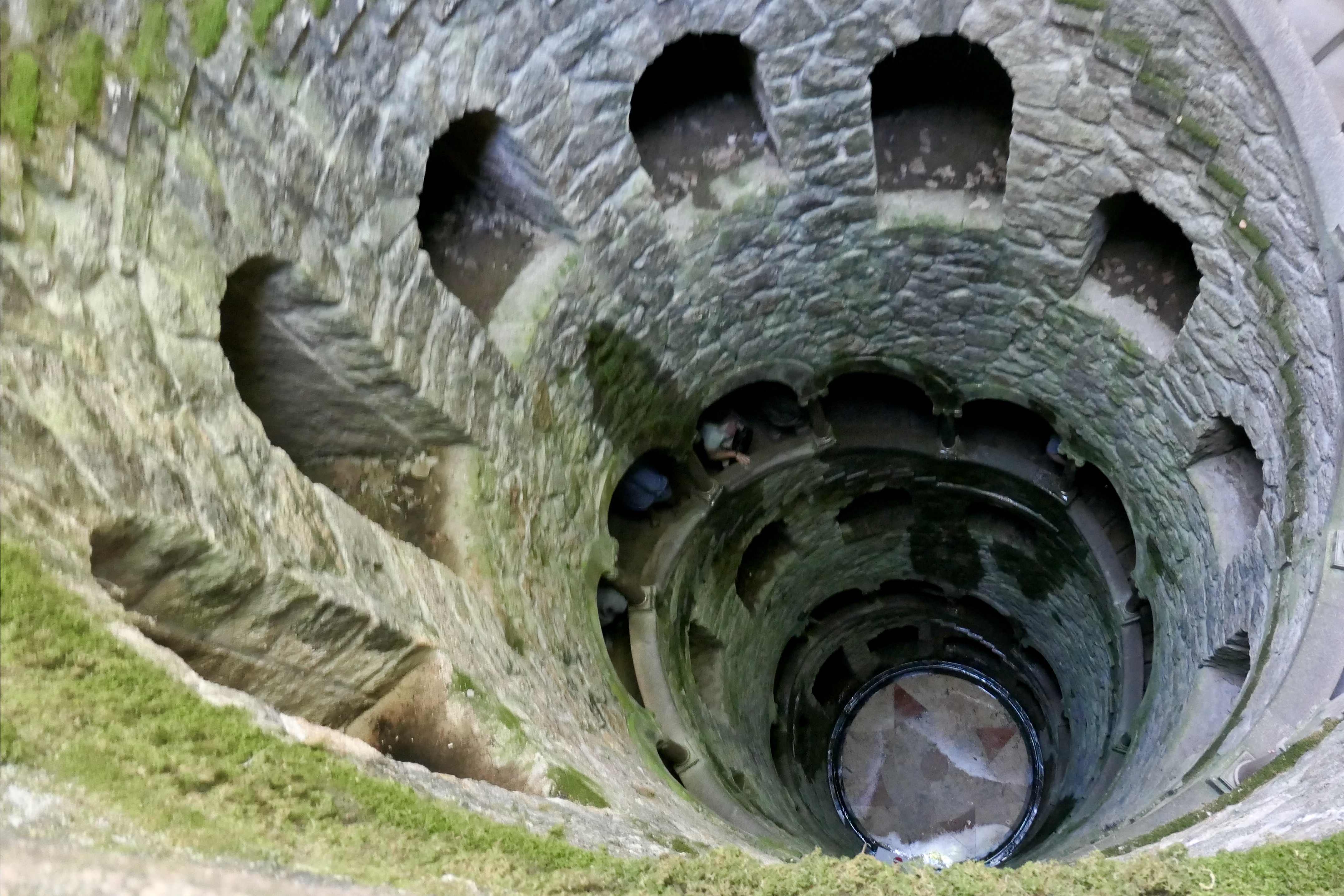
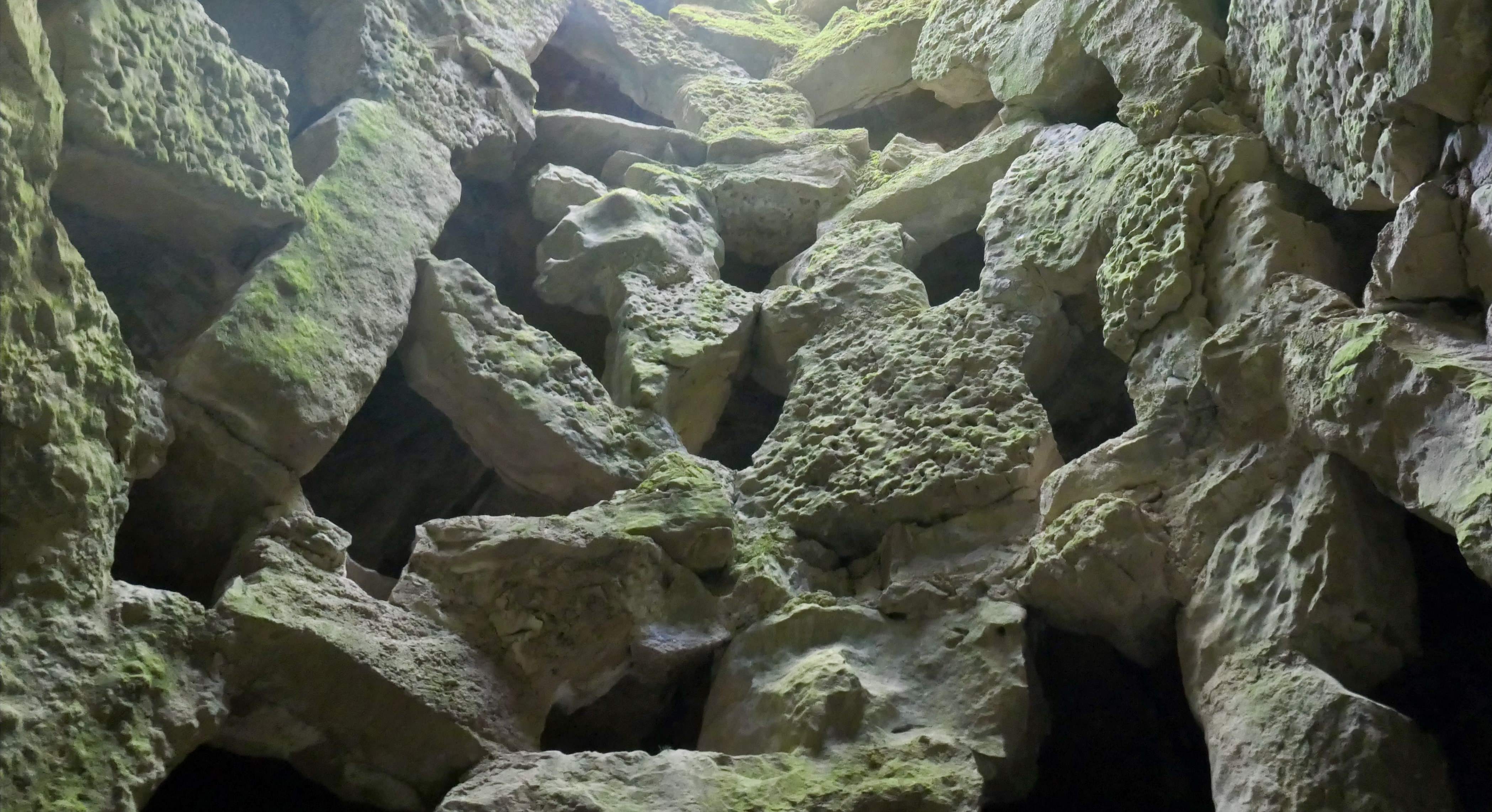
Looking down the mystical Initiation Well — a spiral descent said to symbolize rebirth and spiritual awakening.
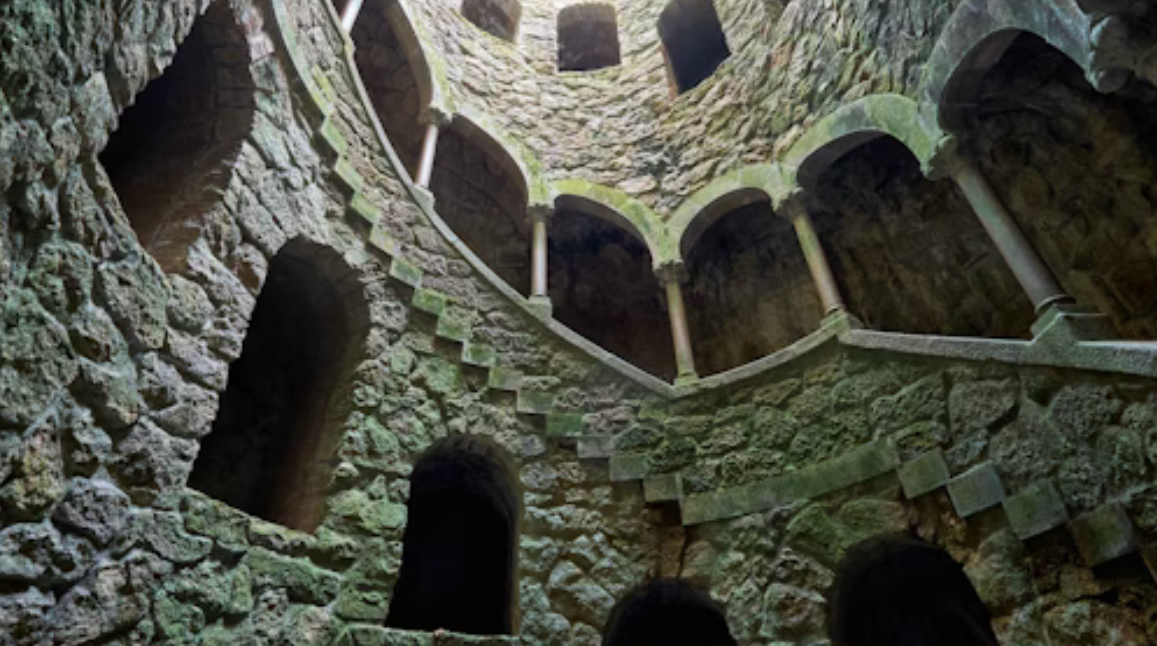
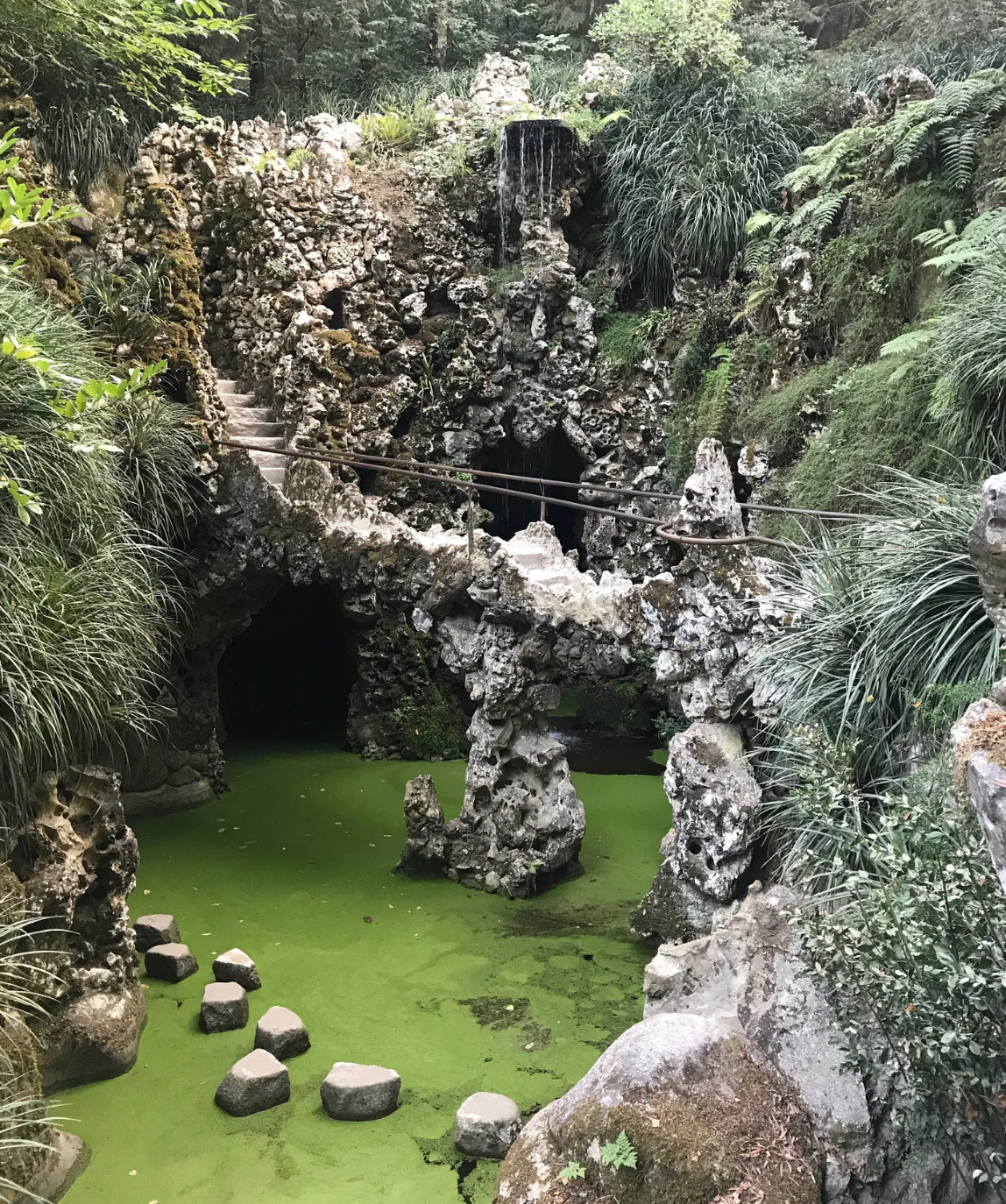
Emerging from the tunnels at Quinta da Regaleira, crossing stepping stones toward daylight and “rebirth.”
Pena Palace — A Royal Daydream
Our next stop looked like someone had let Gaudí, Disney, and a pack of crayons loose on a mountaintop. Pena Palace, perched high above the clouds, is a riot of colors — canary yellow towers, lavender domes, coral-red walls — each corner revealing another fairytale view of the forested valleys below.
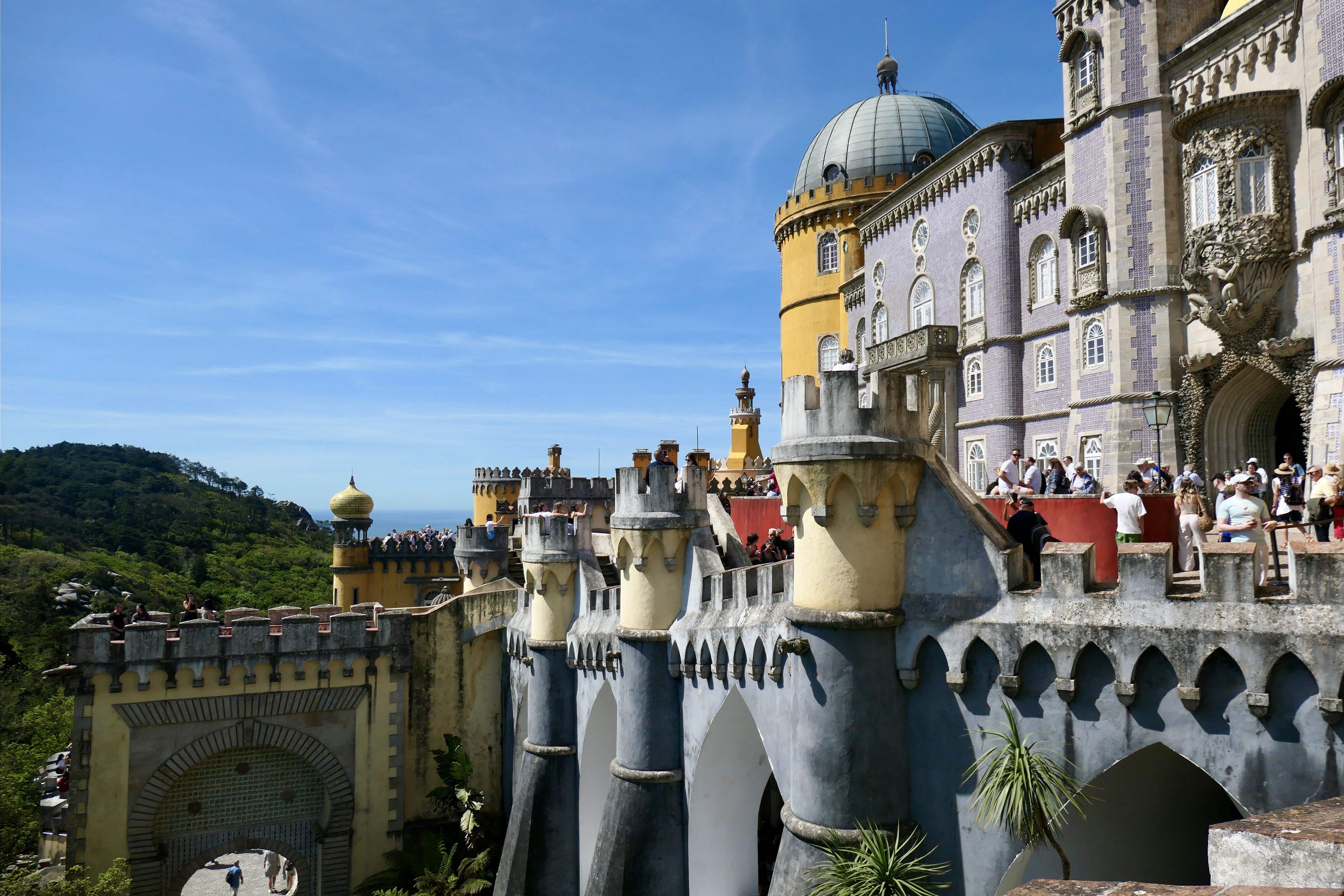
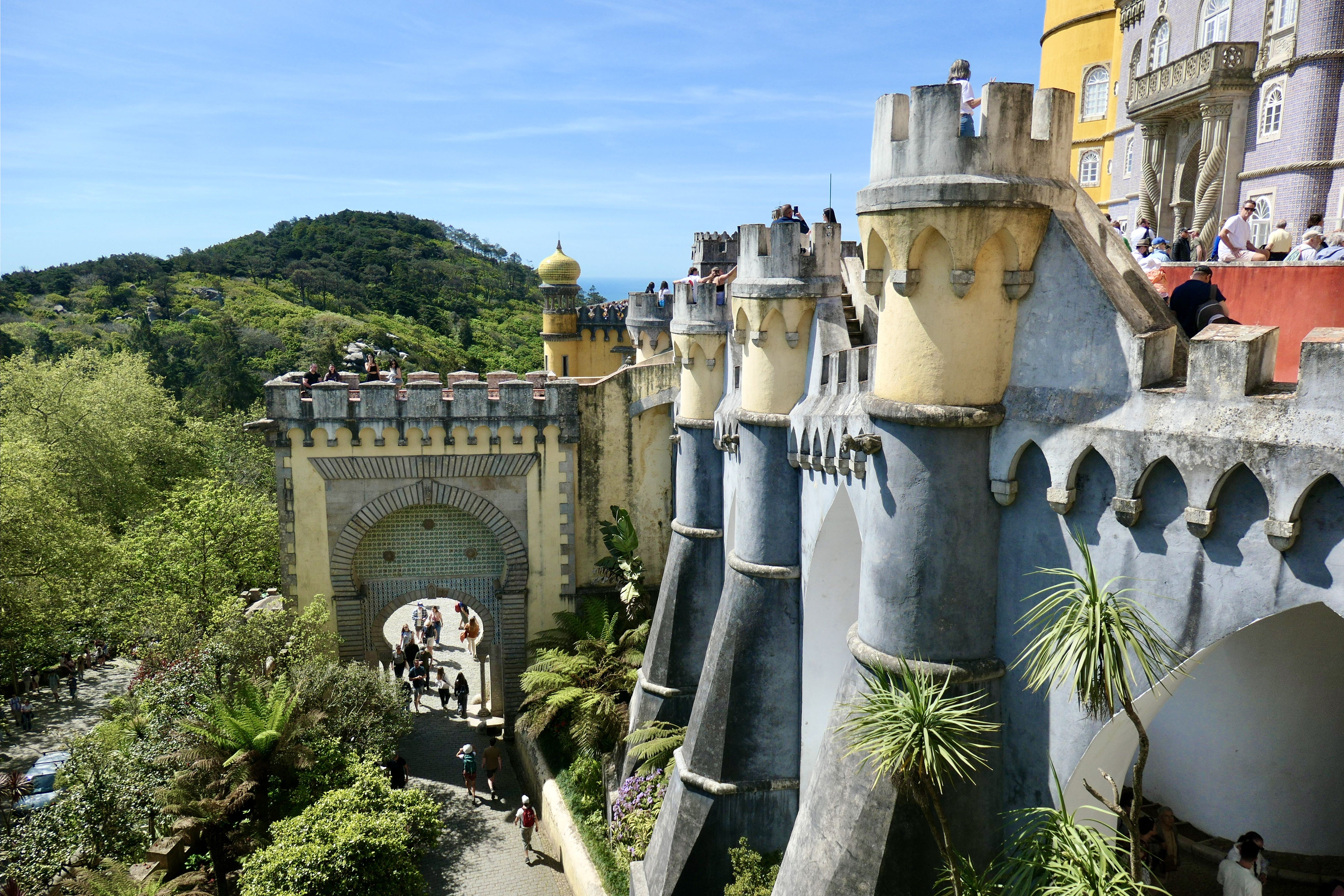
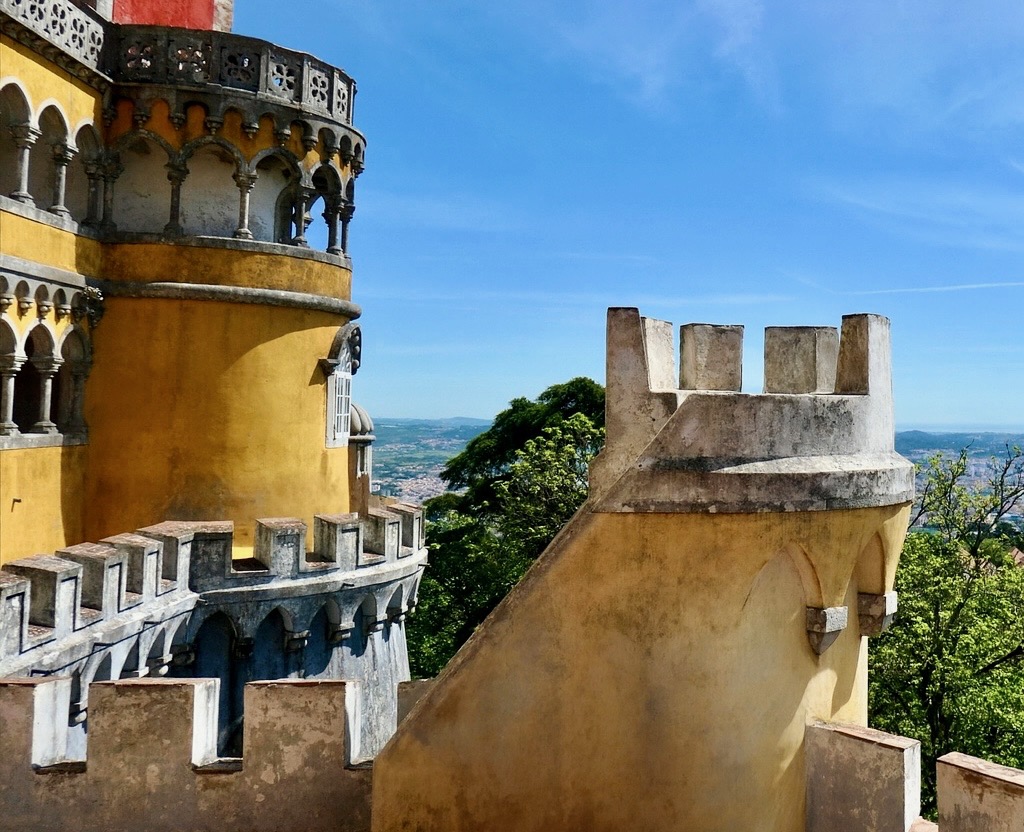
Pena Palace in full technicolor — where yellow towers, coral walls, and lavender domes meet the clouds.
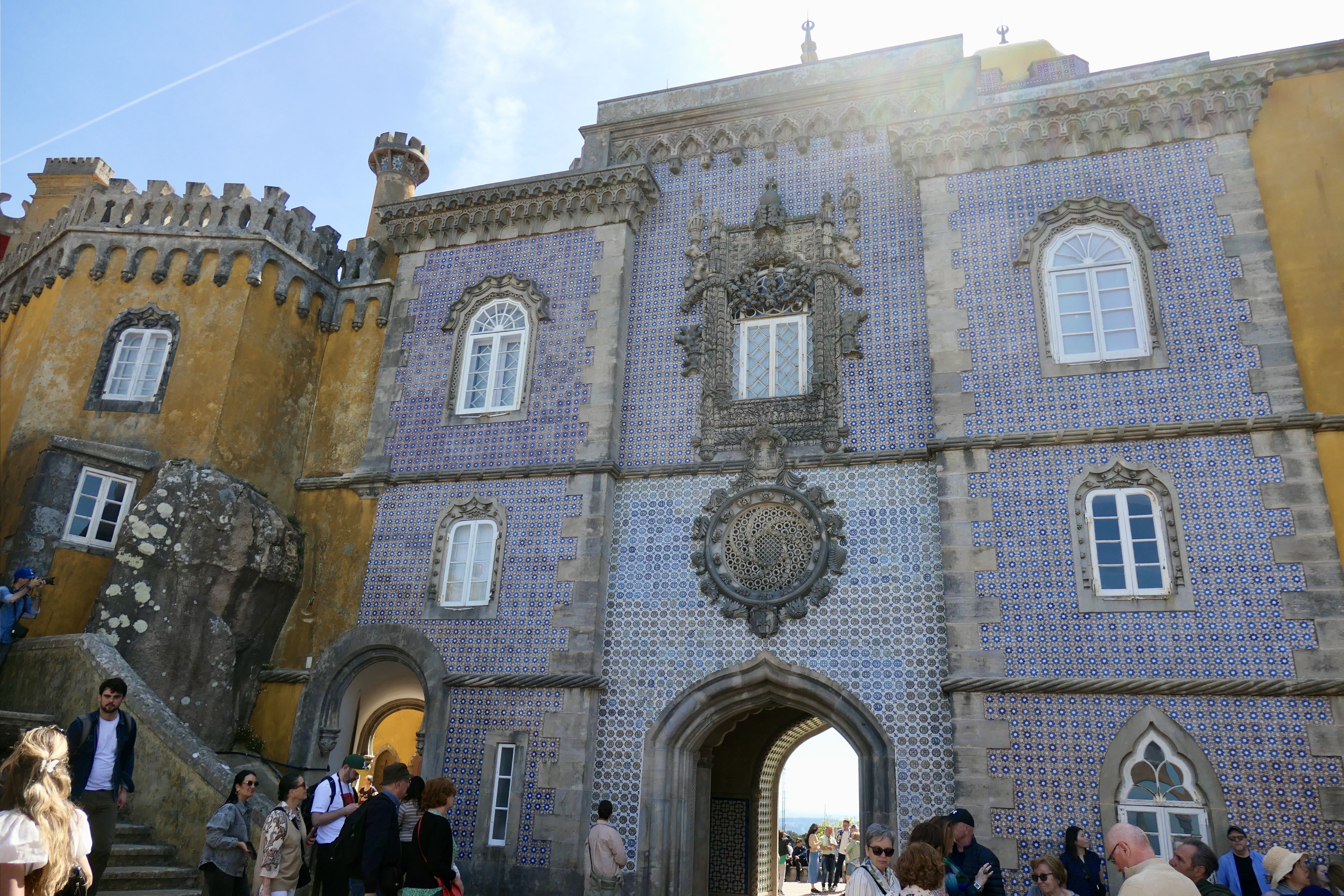
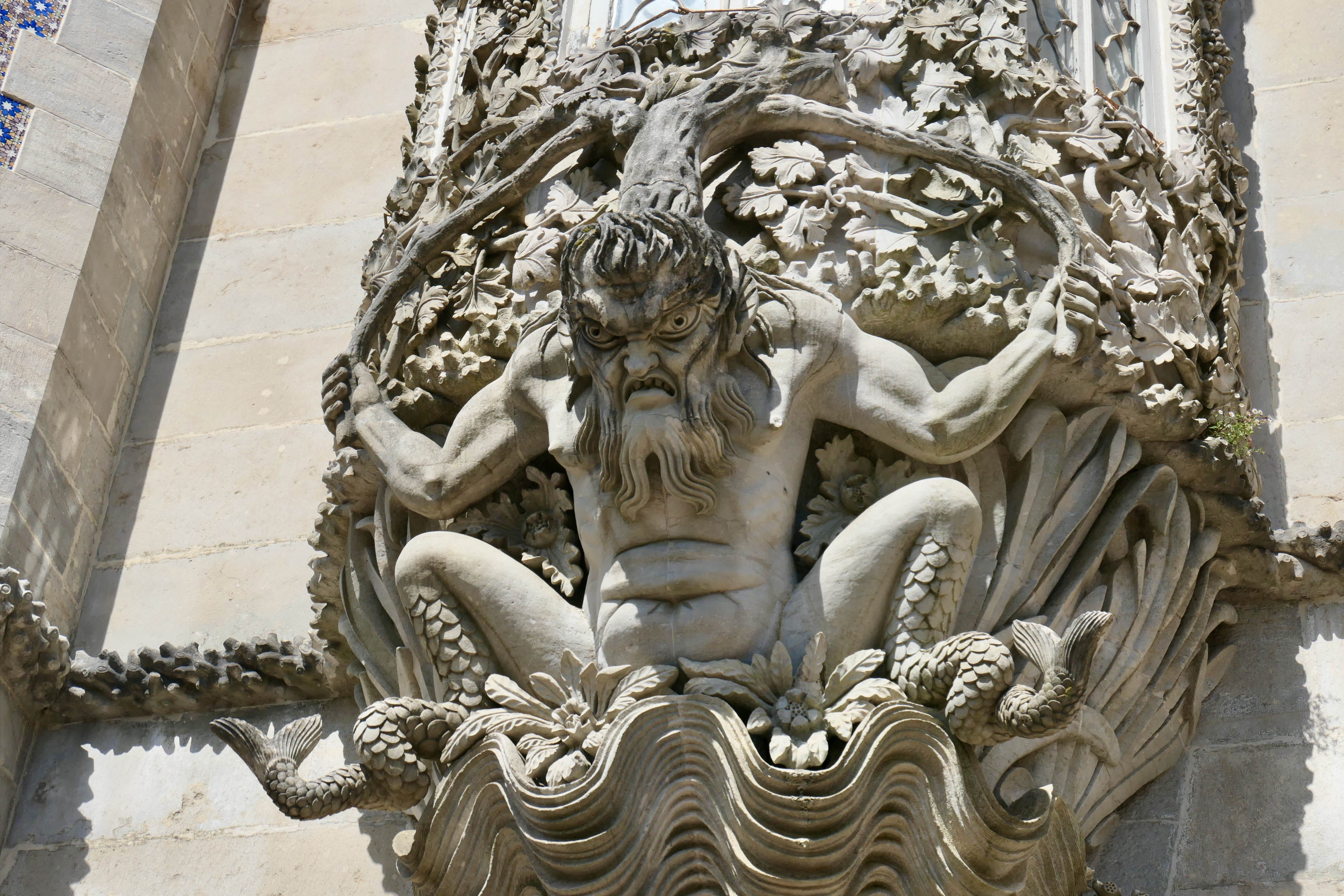
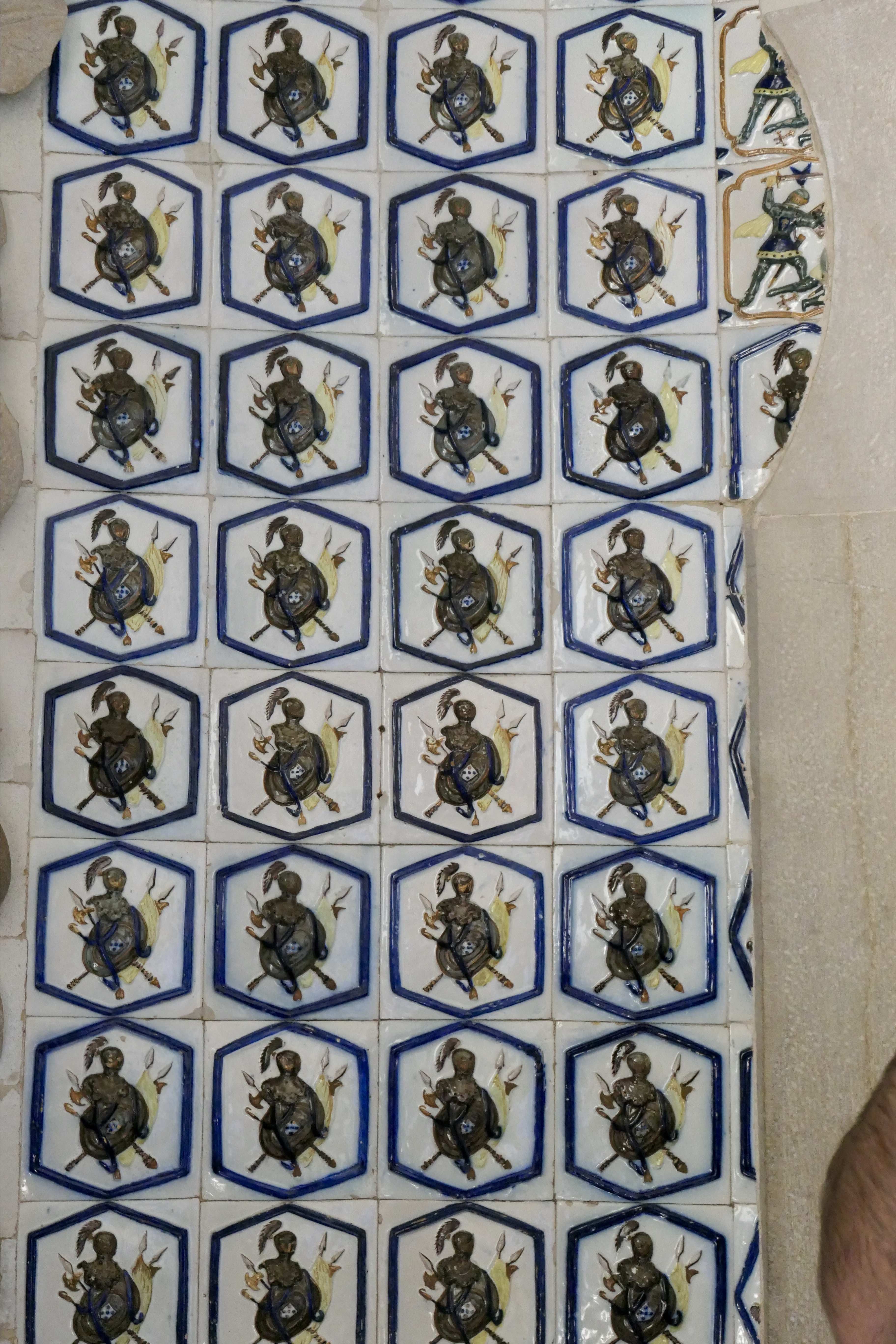
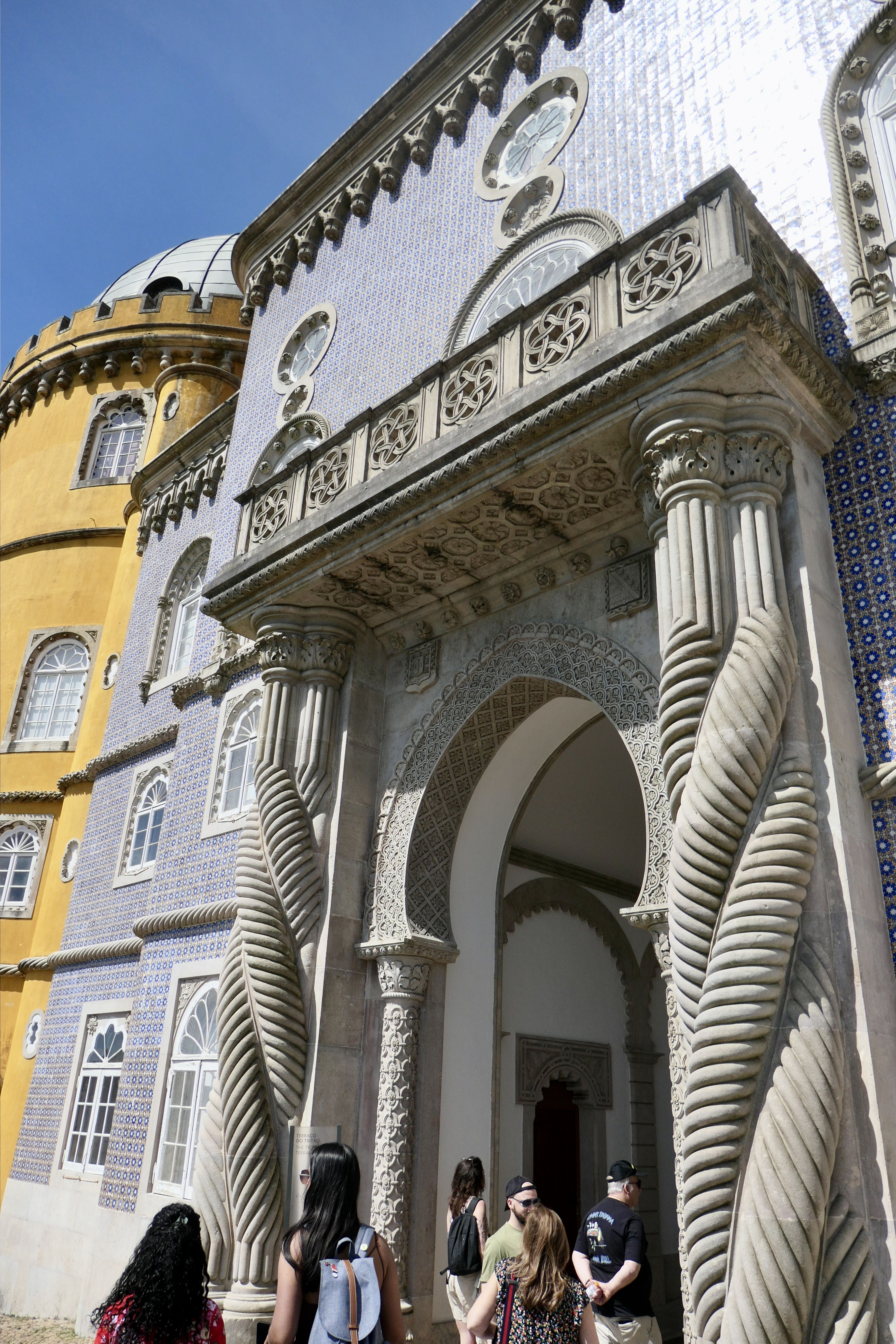
The eclectic details of King Ferdinand II’s Romantic masterpiece, perched high above the Atlantic.
Originally a monastery, it was transformed in the 19th century by King Ferdinand II into a Romantic masterpiece. The eclectic mix of Neo-Gothic, Neo-Manueline, Neo-Islamic, and Neo-Renaissance styles somehow works — like a royal Pinterest board come to life. We wandered its terraces, admired the ornate tilework and arches, and soaked up sweeping views that stretch all the way to the Atlantic.
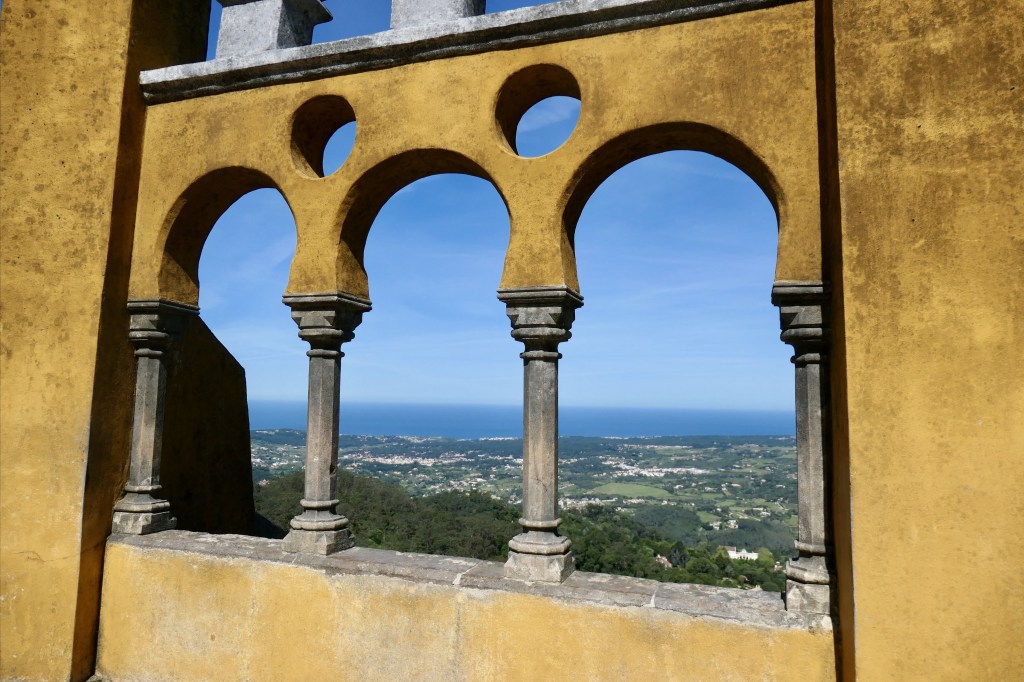
Views from Pena Palace stretching across the Sintra hills — Portugal’s fairytale in panoramic form.
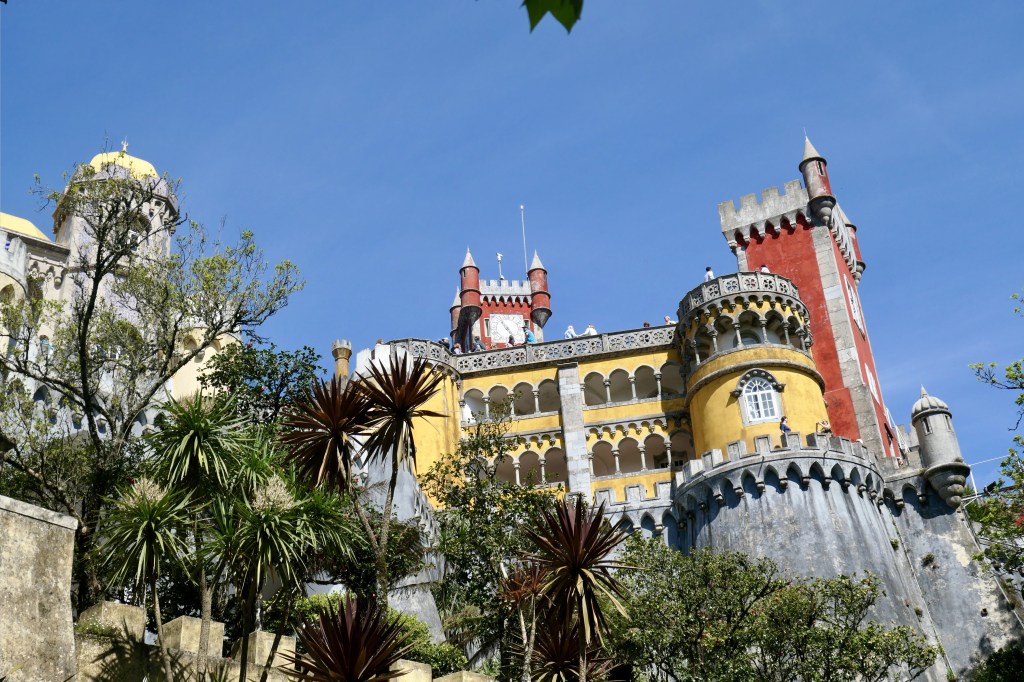
Ornate Manueline stonework framing endless blue sky.
Lunch in Colares — A Hidden Gem
By now, all the stair climbing had earned us lunch — and what a find it was. We tucked into Julio’s Toca, a family-run restaurant hidden in the quiet village of Colares, surrounded by greenery and locals lingering over wine.
Inside, the vibe was rustic and cozy, with potted plants and sunlight spilling through glass windows. The grilled fish was fresh off the boat, the potatoes buttery and perfect, and while I couldn’t try the cheesecake (thanks, dairy intolerance), my husband declared it “worth the flight.” It felt like one of those magical finds you only stumble upon when you follow your instincts (and get a little lost).
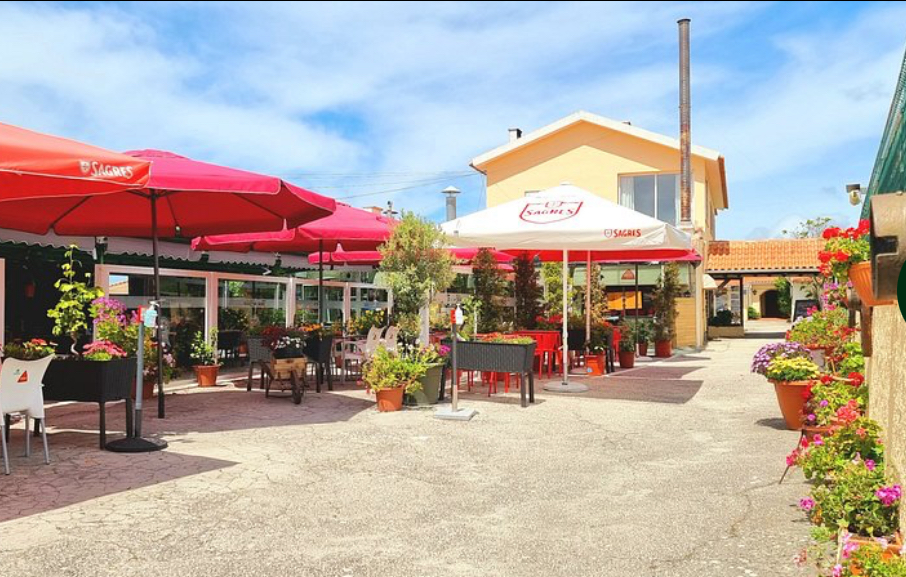
The cozy glass-enclosed dining room at Julio’s Toca, filled with greenery and sunlight.
Cabo da Roca — Where the Land Ends
From the forests of Sintra, we drove west until the road could go no further — Cabo da Roca, the westernmost point of continental Europe. Standing on the cliffs, wind whipping through our hair, we looked out at the endless Atlantic and read the inscription:
“Where the land ends and the sea begins.”
It felt wild, untamed, and exhilarating — a reminder of Portugal’s deep connection to exploration and discovery. The lighthouse perched above the crashing waves completed the scene, standing sentinel at the edge of the known world.
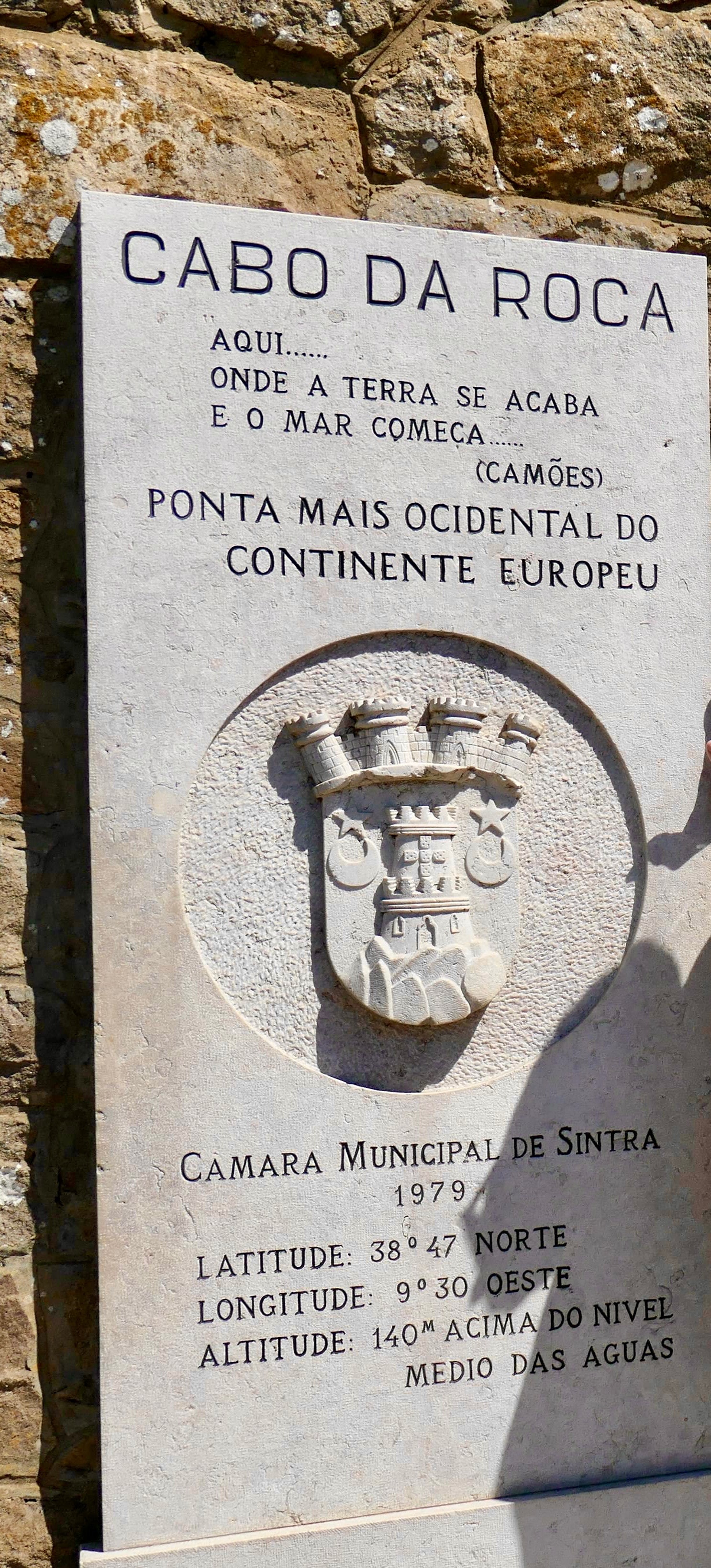
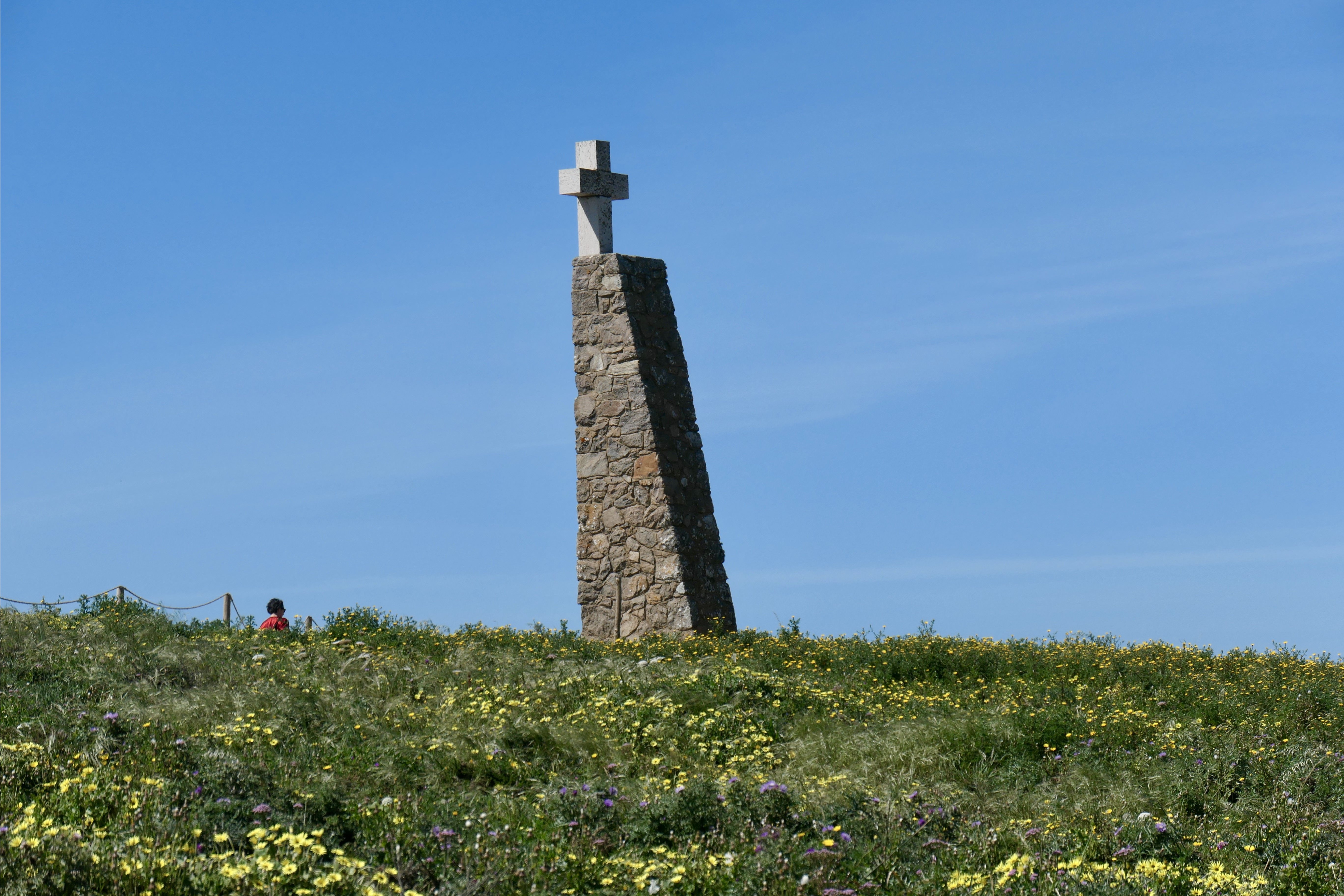
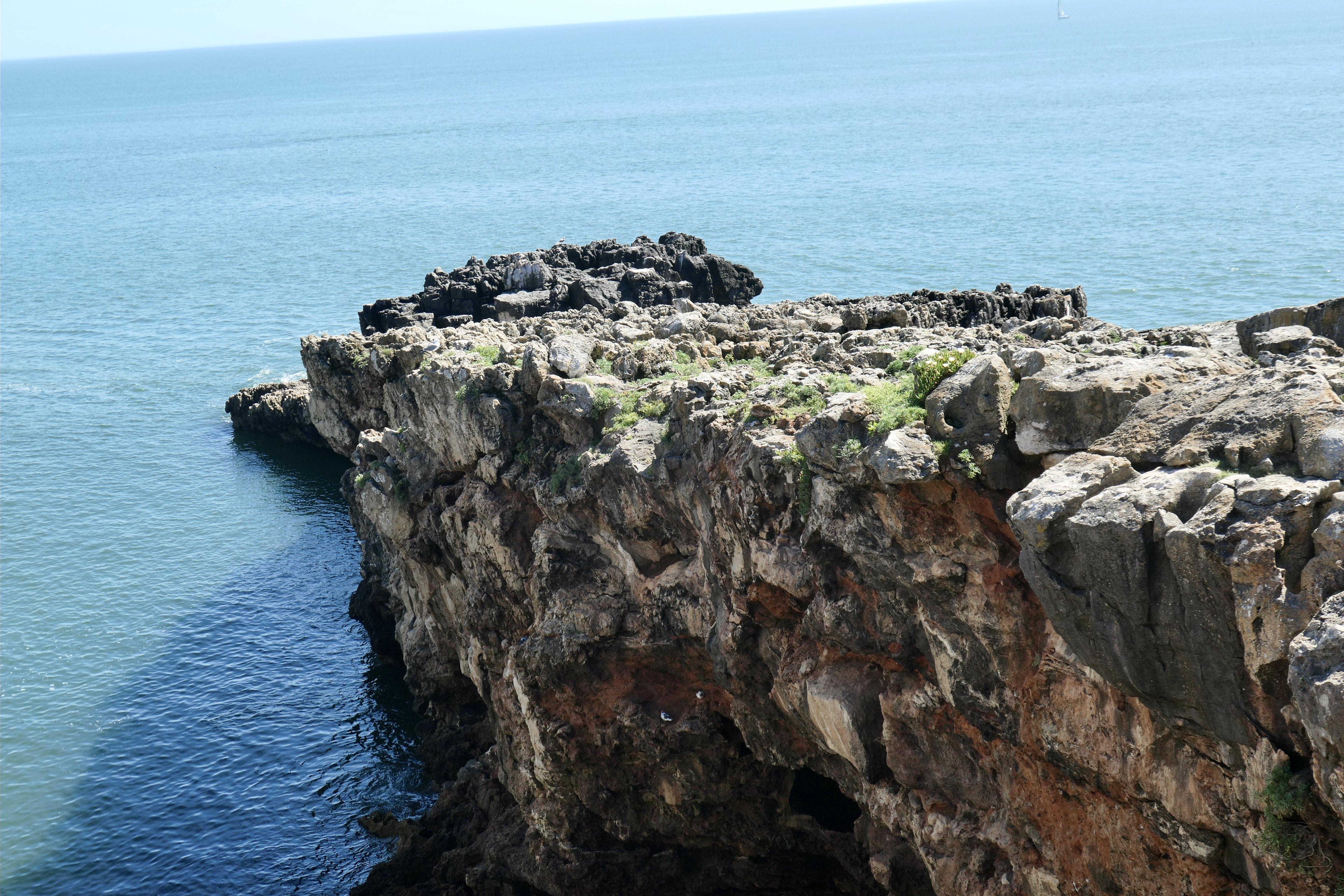
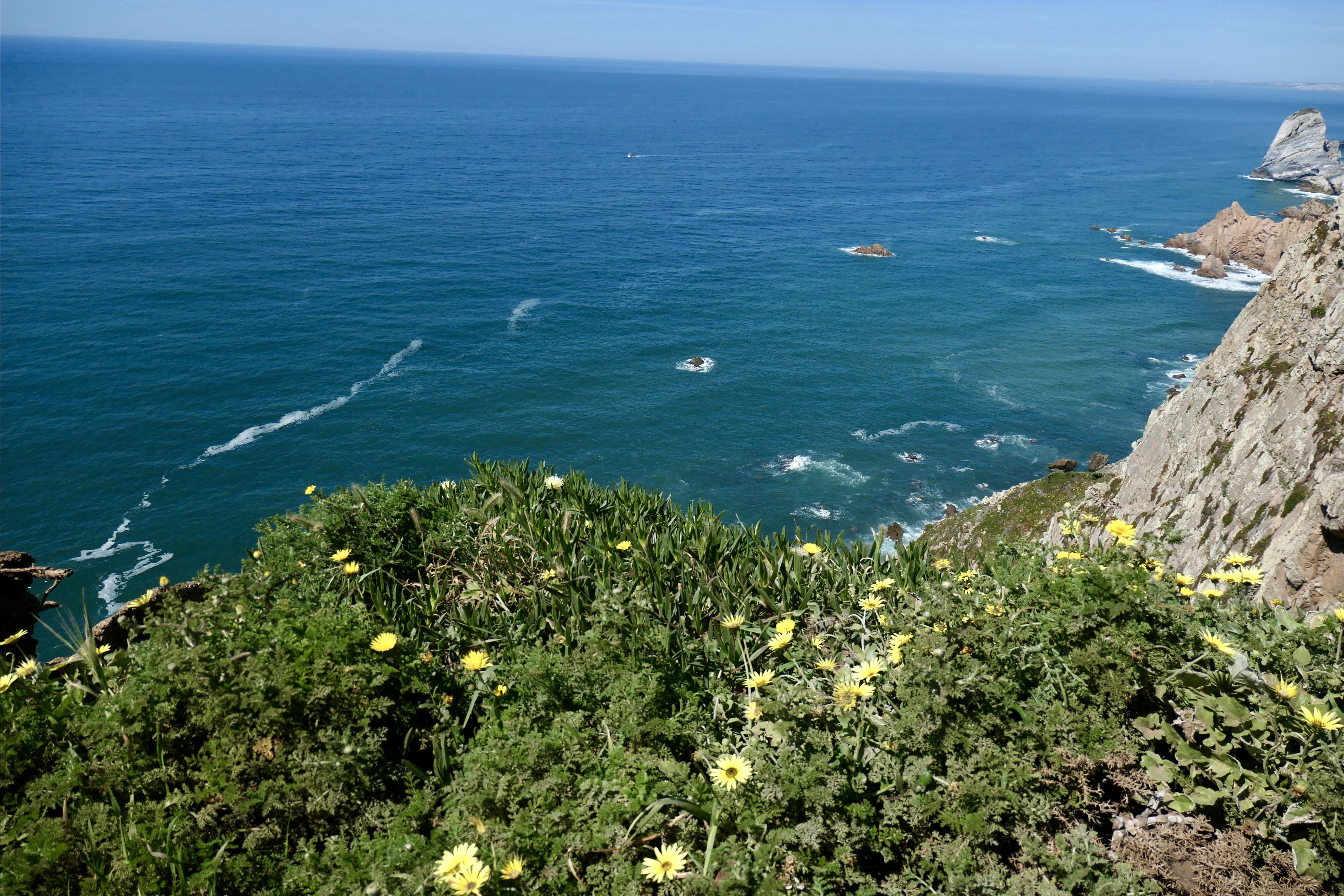
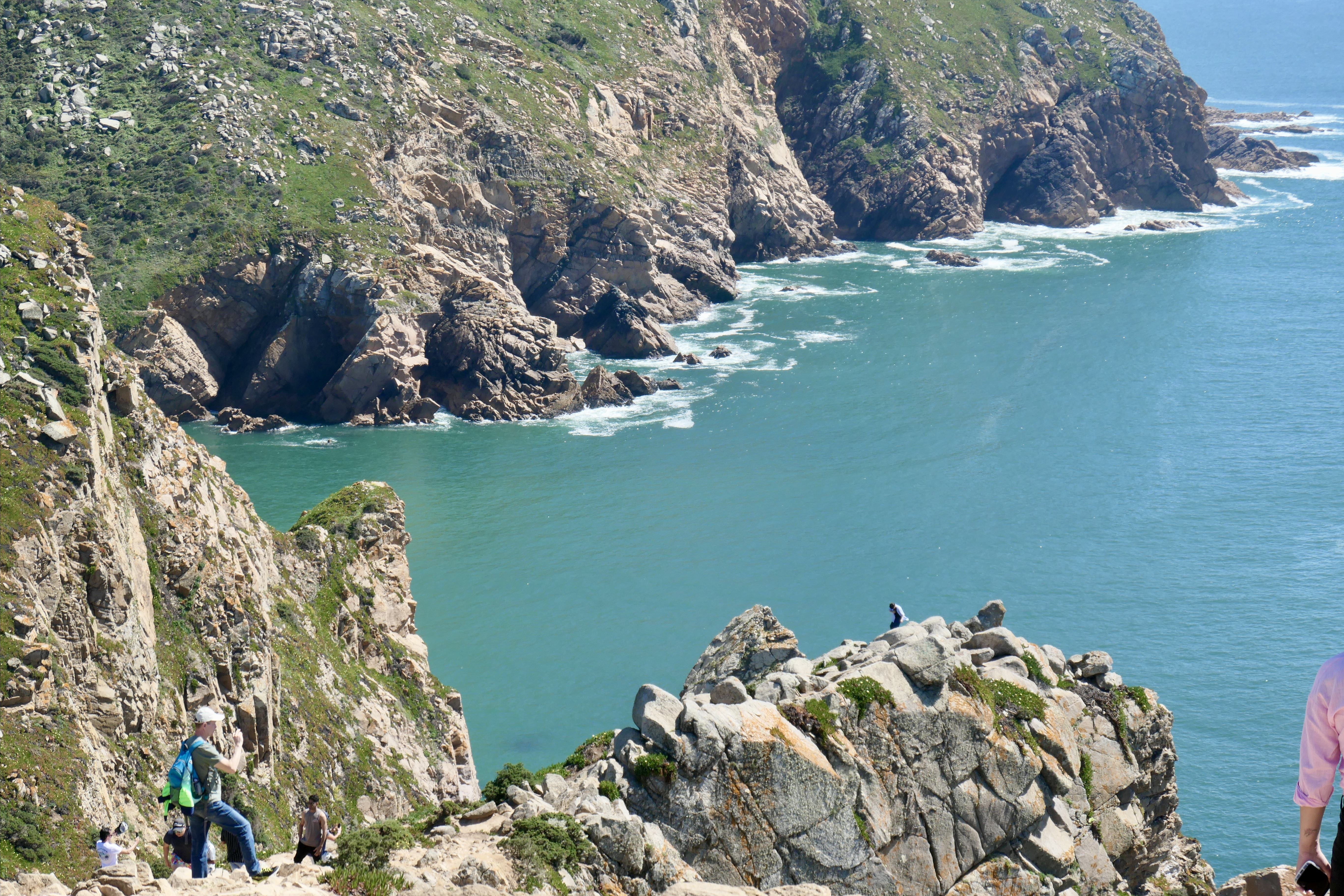
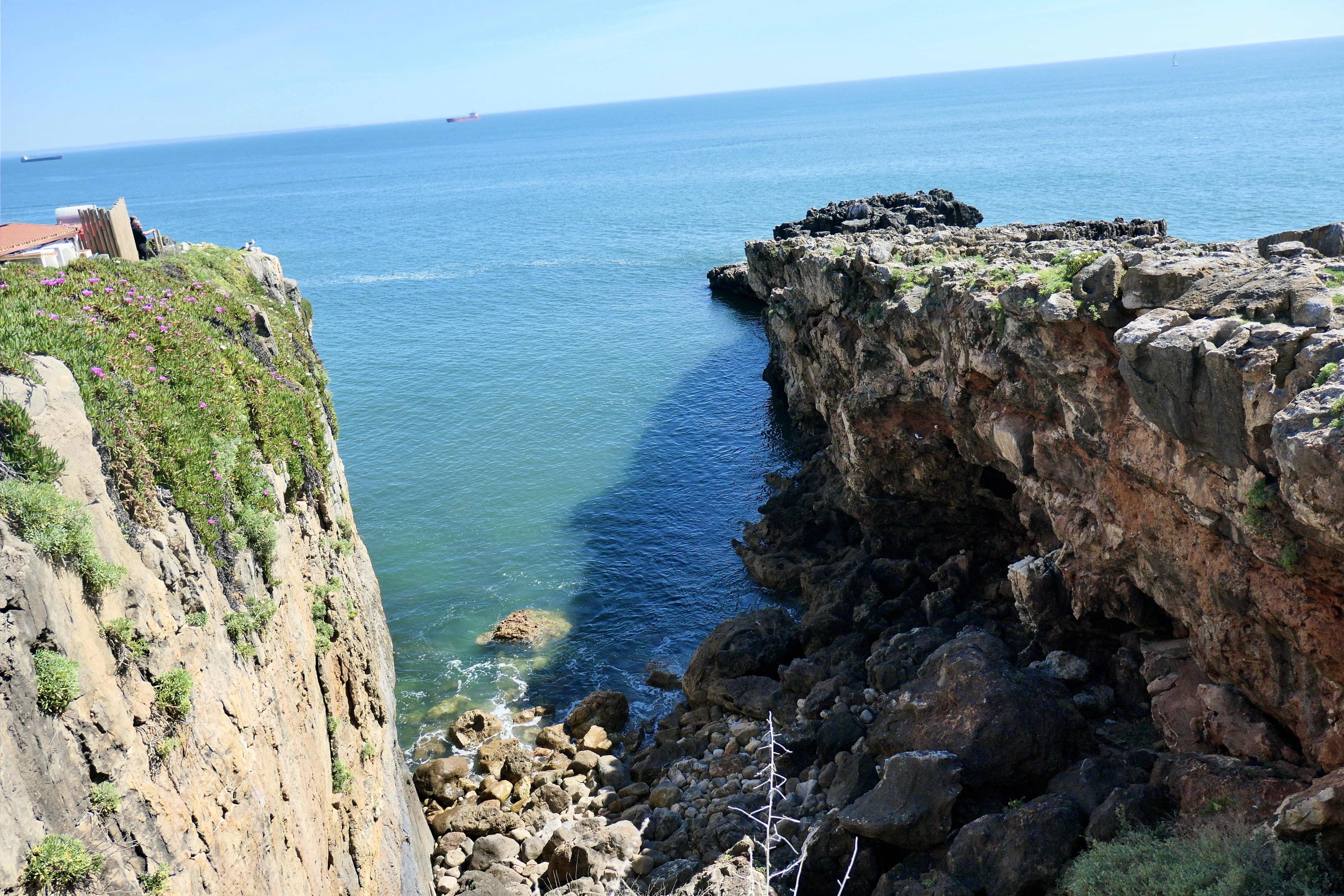
Cabo da Roca — the westernmost point of continental Europe, where the land ends and the sea begins.
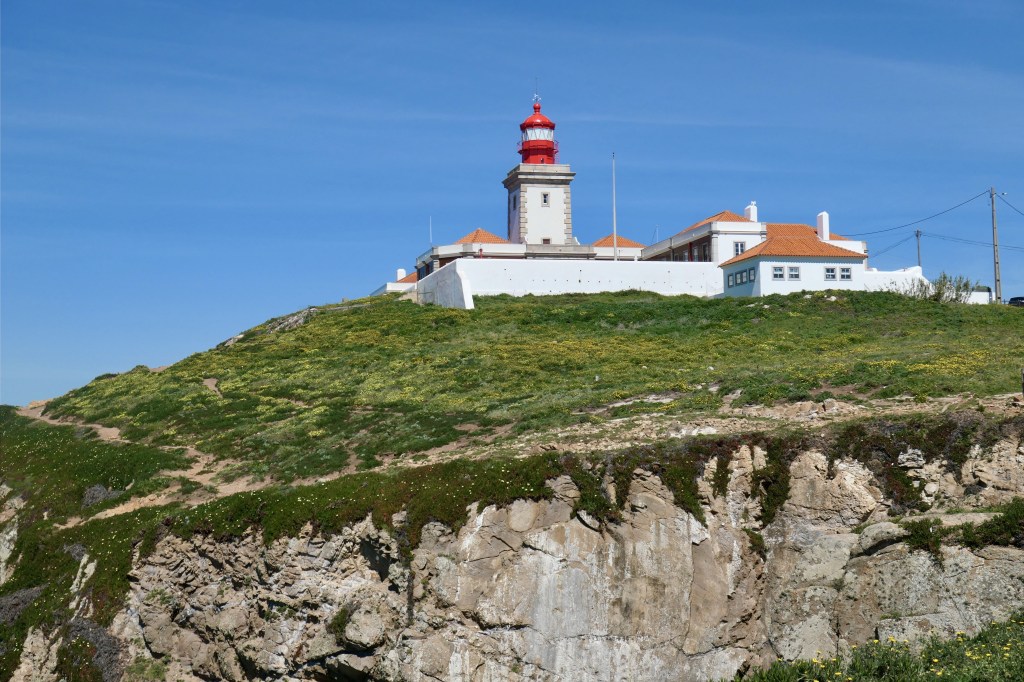
The red-topped lighthouse standing guard over cliffs that drop into the Atlantic.
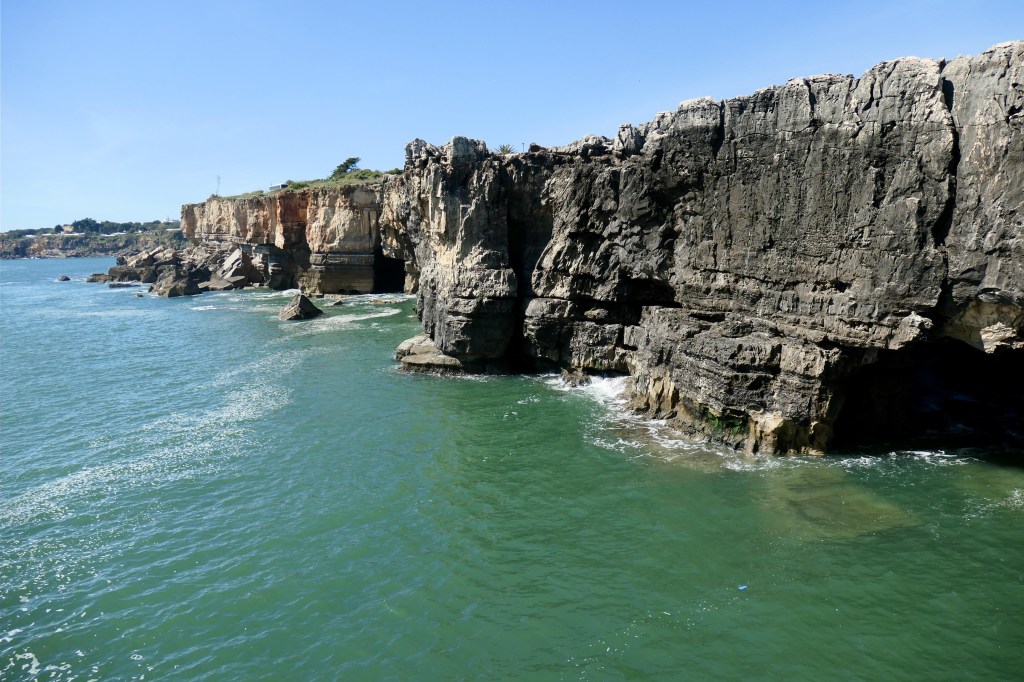
Wind, waves, and wonder at the edge of Europe.
Boca do Inferno & Cascais — Beauty and Fury
Next came Boca do Inferno, or “Hell’s Mouth,” a dramatic sea arch carved by centuries of Atlantic waves. Watching the water thunder into the cavern below, it’s easy to see how it earned its name. Nature’s raw power on full display — and yes, I took about 47 photos trying to capture the spray at just the right moment.
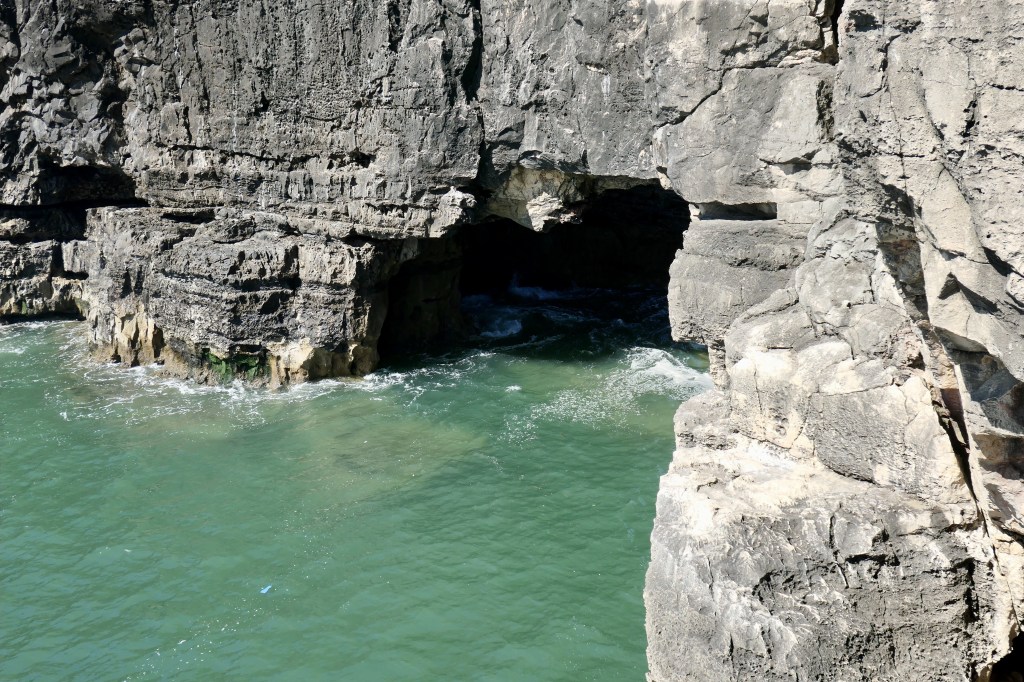
“Hell’s Mouth” in all its fury — Atlantic waves crashing into the cave at Boca do Inferno.
As we continued toward Cascais, our guide was beside himself pointing out local landmarks — including Cristiano Ronaldo’s coastal mansion, where he insisted every passing car slow down just in case the football legend decided to wave. (Spoiler: he didn’t.) A few minutes later we passed the elegant Hotel Palácio Estoril, which not only hosted exiled royals during World War II but also starred in James Bond: Casino Royale. I half expected Daniel Craig to emerge from behind a palm tree.
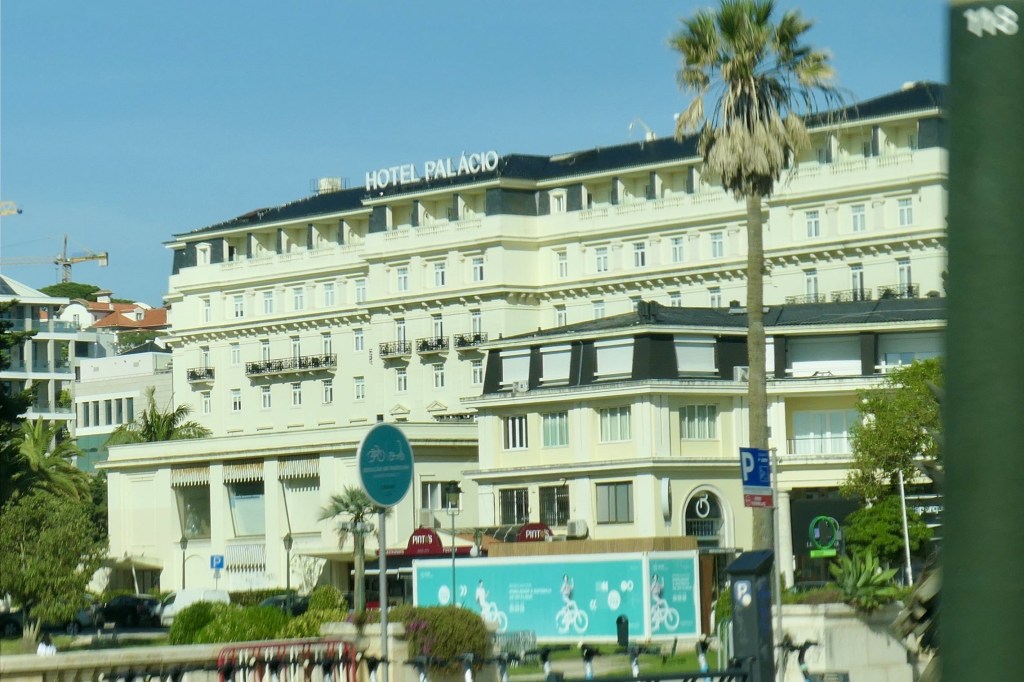
The elegant façade of Hotel Palácio Estoril — a real-life Bond film setting from Casino Royale.
Our final stop was the coastal town of Cascais, a charming mix of yacht harbors, sandy coves, and seaside promenades. Once a sleepy fishing village, it became a summer escape for Lisbon’s elite. Today, it’s equal parts laid-back and elegant — the kind of place where you can stroll by pastel villas, dip your toes in the surf, and pretend you live there.
Cascais harbor — pastel villas, sailboats, and the easy grace of coastal living.

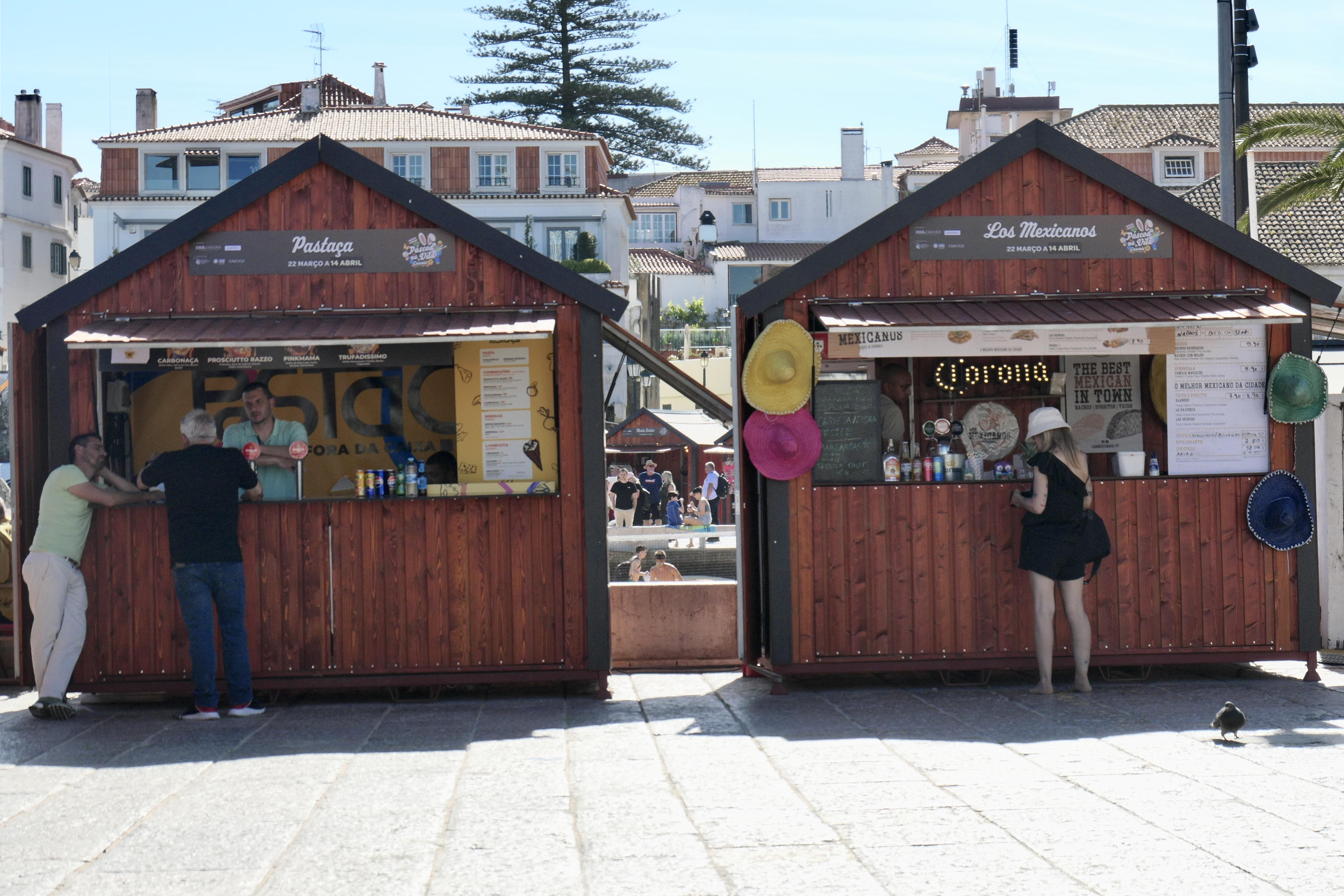
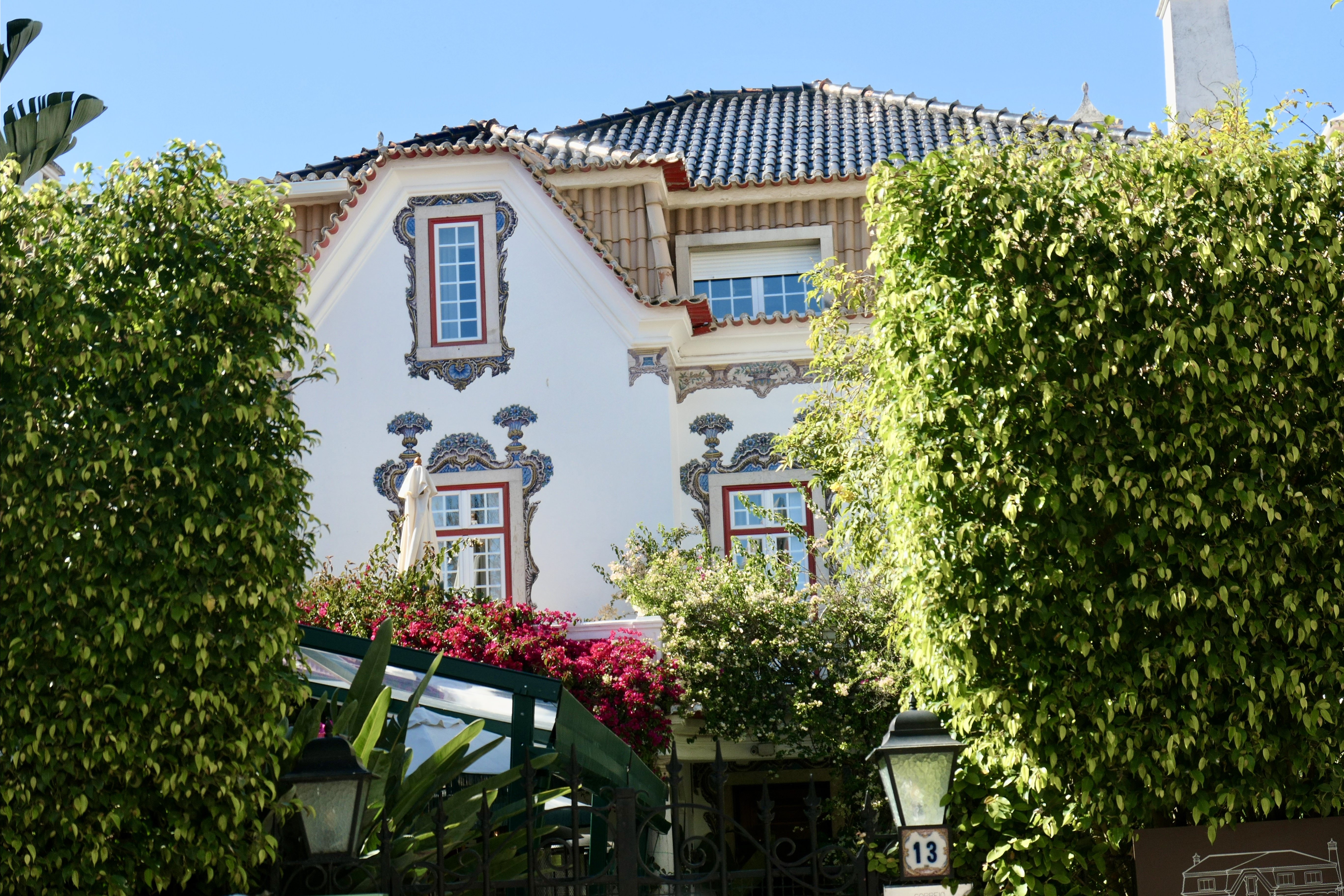
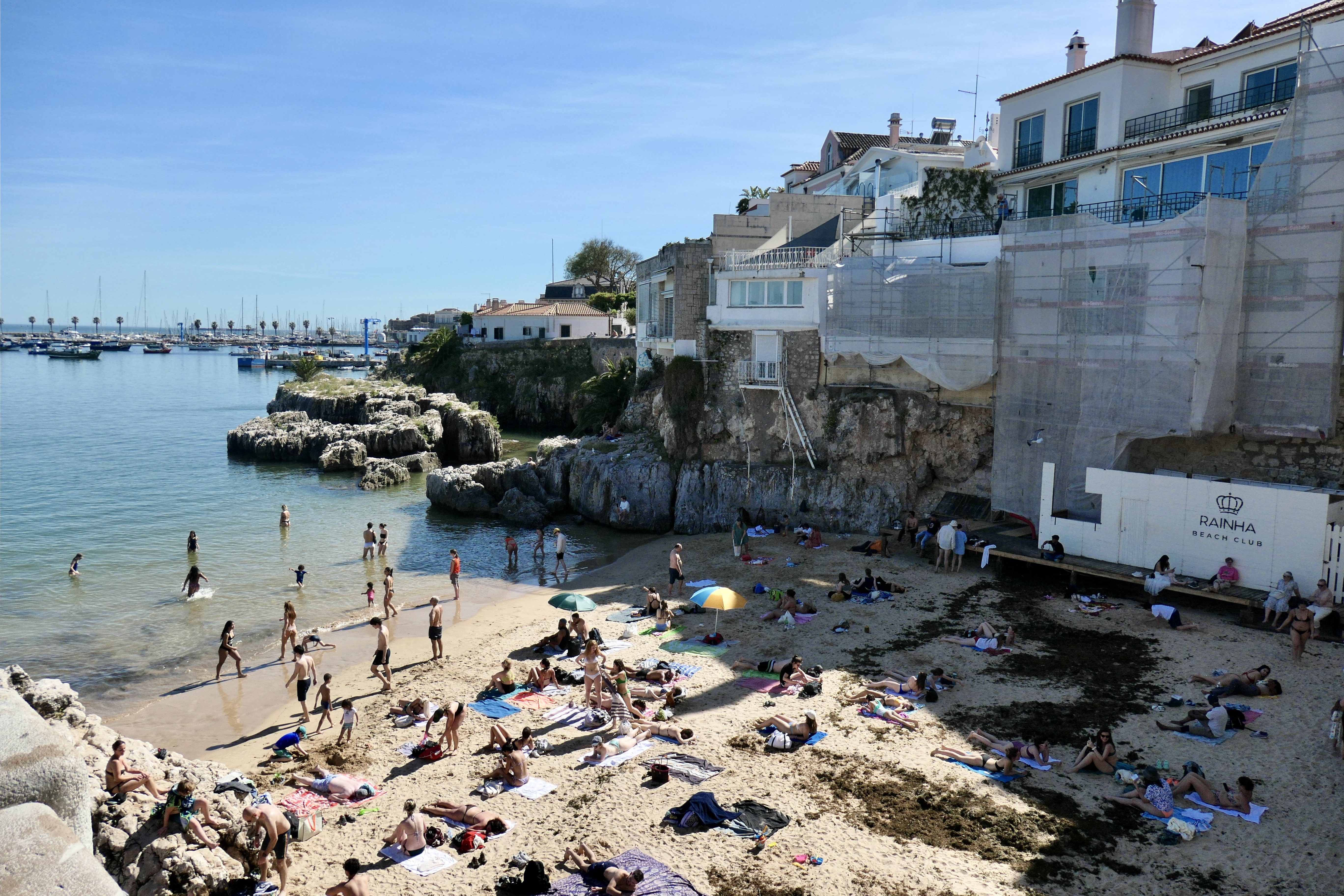

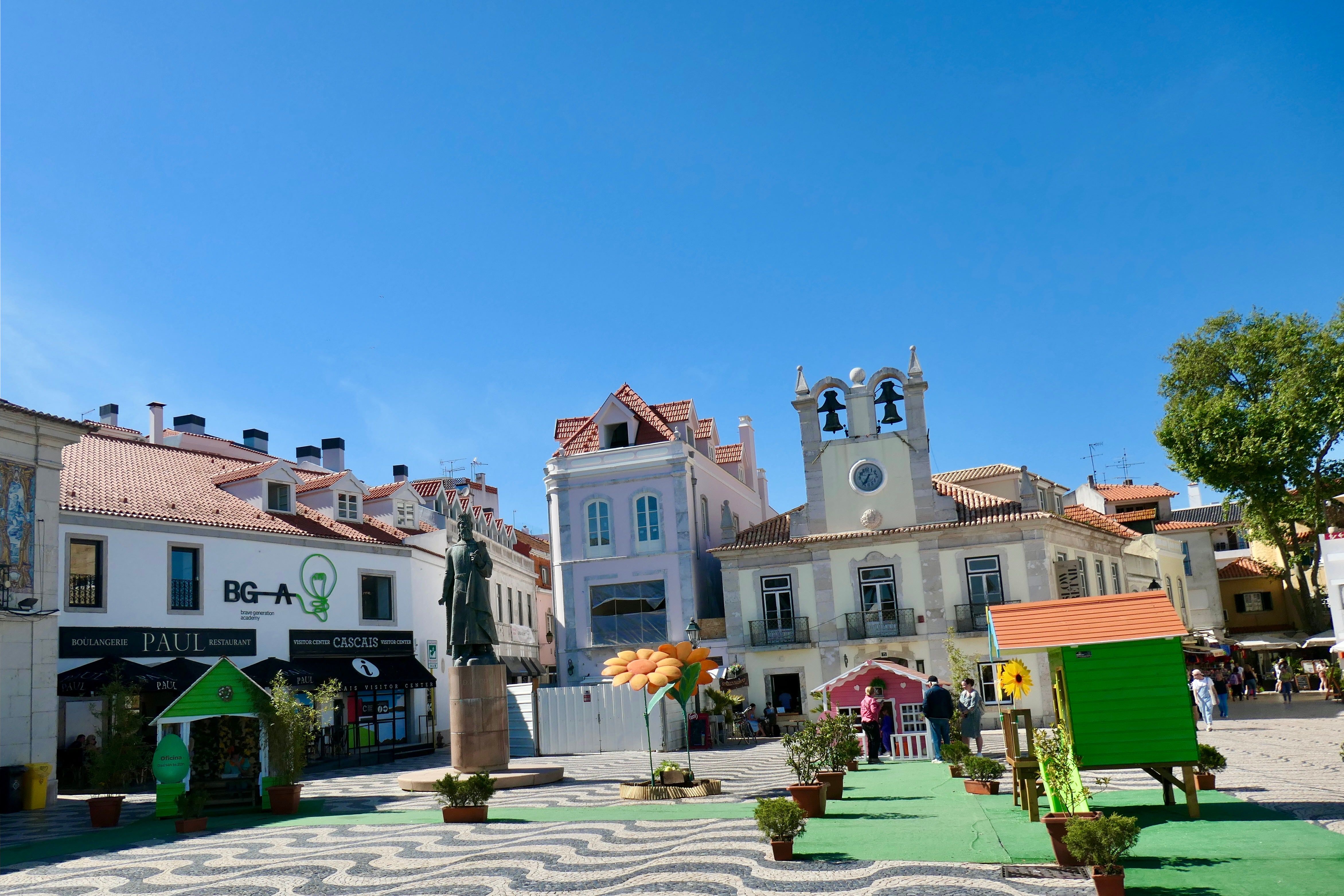
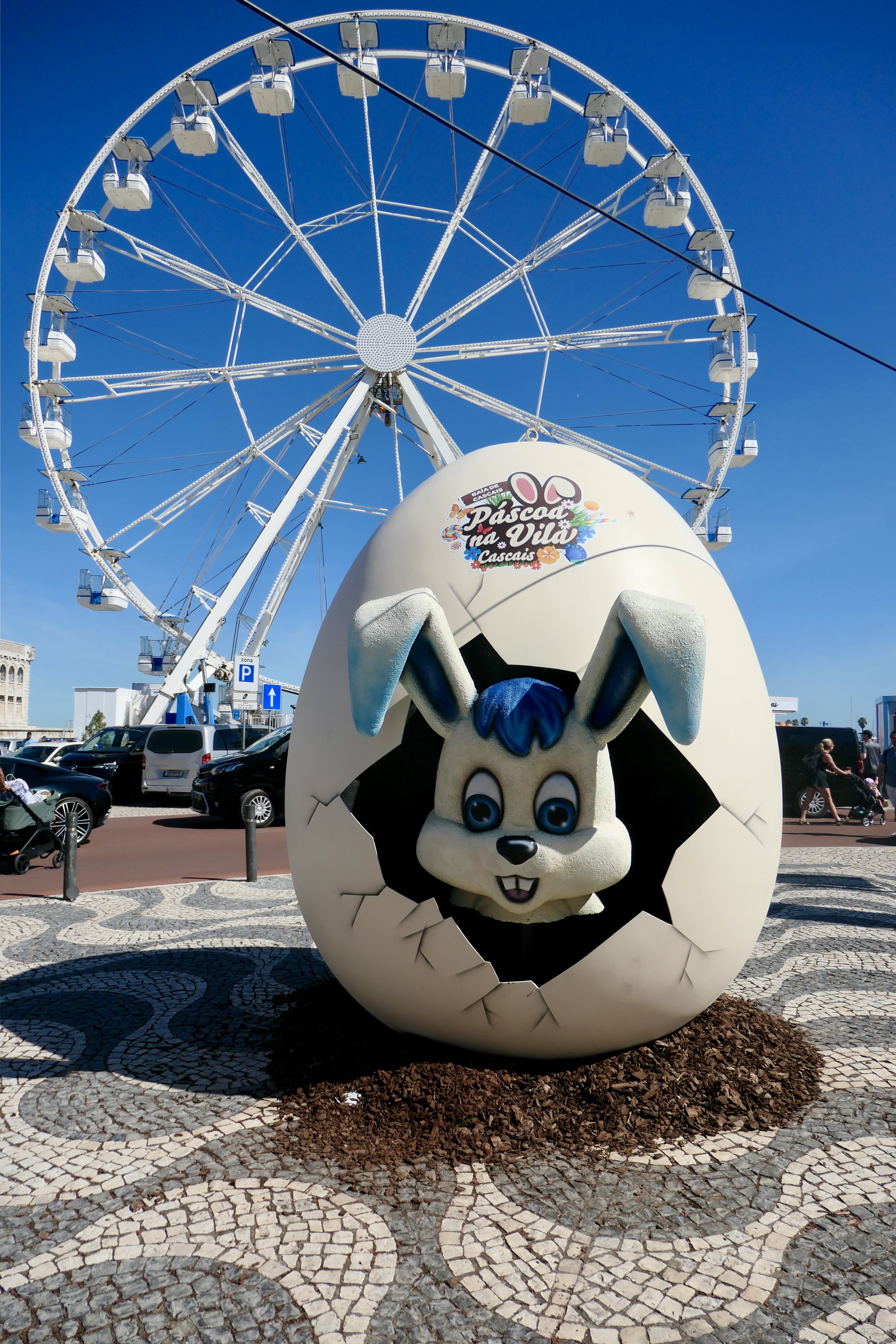
End of the day in Cascais: sunshine, surf, and one last stroll before heading back to Lisbon.
Reflections from the Road
By the time we drove back to Lisbon, my camera was full, my husband was dozing off in the seat beside me, and I couldn’t stop replaying the day — castles, caves, coastlines, and all. It’s hard to imagine a more magical escape just 30 minutes from the city.
Sintra and its surroundings are proof that Portugal doesn’t just have history — it breathes it. From mystical wells to royal palaces, football mansions to James Bond hotels, and cliffs that meet the horizon, this day felt like stepping through chapters of legend and walking straight into the Atlantic wind at the end of the world.
 Click, Wander & Savor