A Day in the Douro Valley: Vineyards, River Cruising, and Magellan’s Hometown
Leaving Porto for the Valley
Our Douro Valley adventure began early in the morning, departing from Porto under a light drizzle. As we wound our way into the hills, the landscape transformed from urban bustle to mist-covered mountains, with terraced vineyards spilling down toward the river. The rain lent a soft, moody beauty to the scenery—and by the time we reached the valley, patches of blue sky began to peek through.
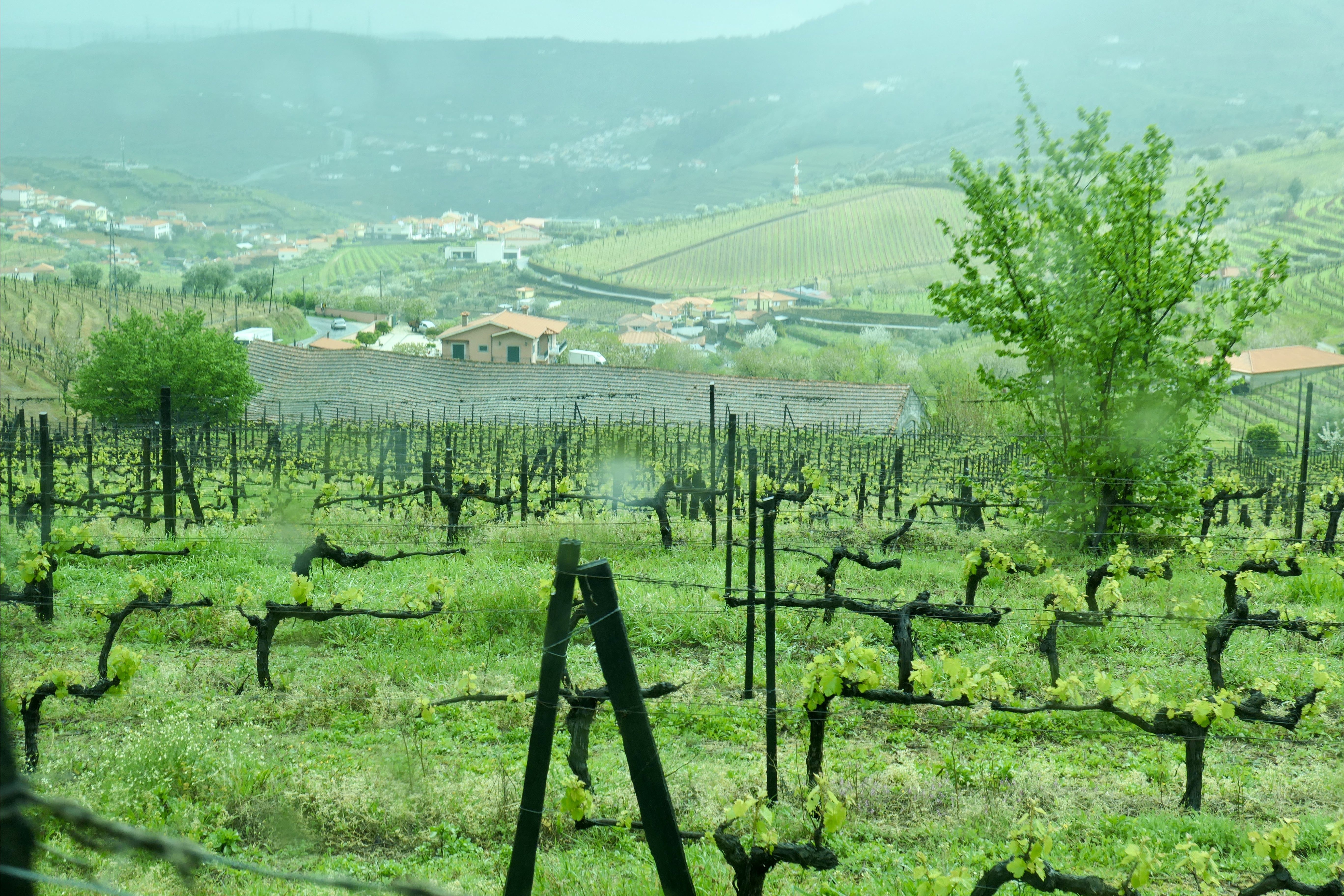
Early morning clouds drifting over the Douro Valley hills
The Douro Valley: One of the World’s Great Wine Regions
The Douro Valley isn’t just a scenic drive—it’s one of the world’s great wine regions, often listed beside Napa Valley, Bordeaux, Tuscany, Mendoza, Barossa Valley, and Rioja.
It’s also the oldest demarcated wine region in the world, established in 1756, where vineyards cling to steep schist terraces carved by hand over centuries. The landscape tells a story of endurance and artistry—each wall and vine representing generations of labor and pride.
Here, the river that once carried barrels of Port to Porto now reflects the vines that produce some of Portugal’s most elegant wines.
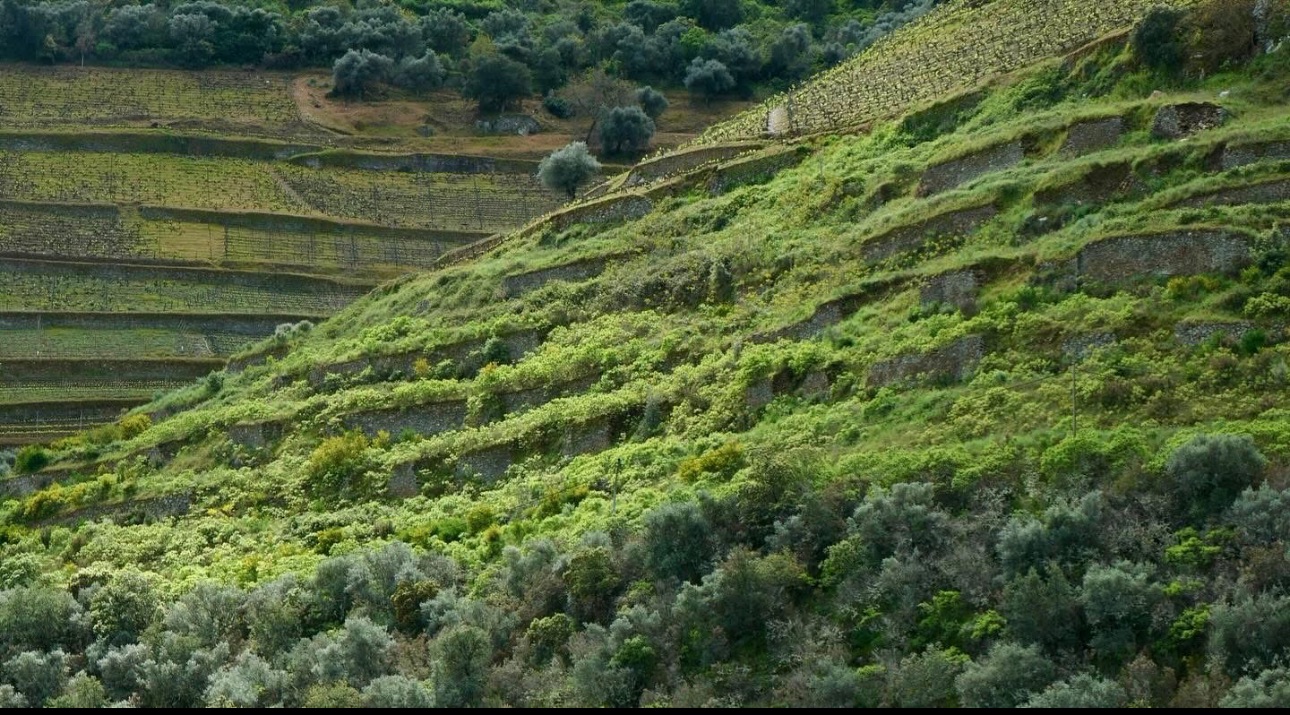
Endless terraces of green vineyards descending toward the Douro River
First Stop: Quinta de Sequeiros (Lamego)
Our first stop was at Quinta de Sequeiros, a family-owned vineyard near Lamego, one of the valley’s oldest and most spiritual towns. It was the perfect introduction to the region—quiet, authentic, and deeply rooted in tradition.
While our guide poured glasses of their crisp white and smooth red wines, my husband stepped outside to walk among the vines, taking in the fresh air after a long, winding ride through the hills. I joined a small group for a private tasting, where we learned about the vineyard’s generations-old production methods and how the mineral-rich schist soil shapes the flavor of each varietal.
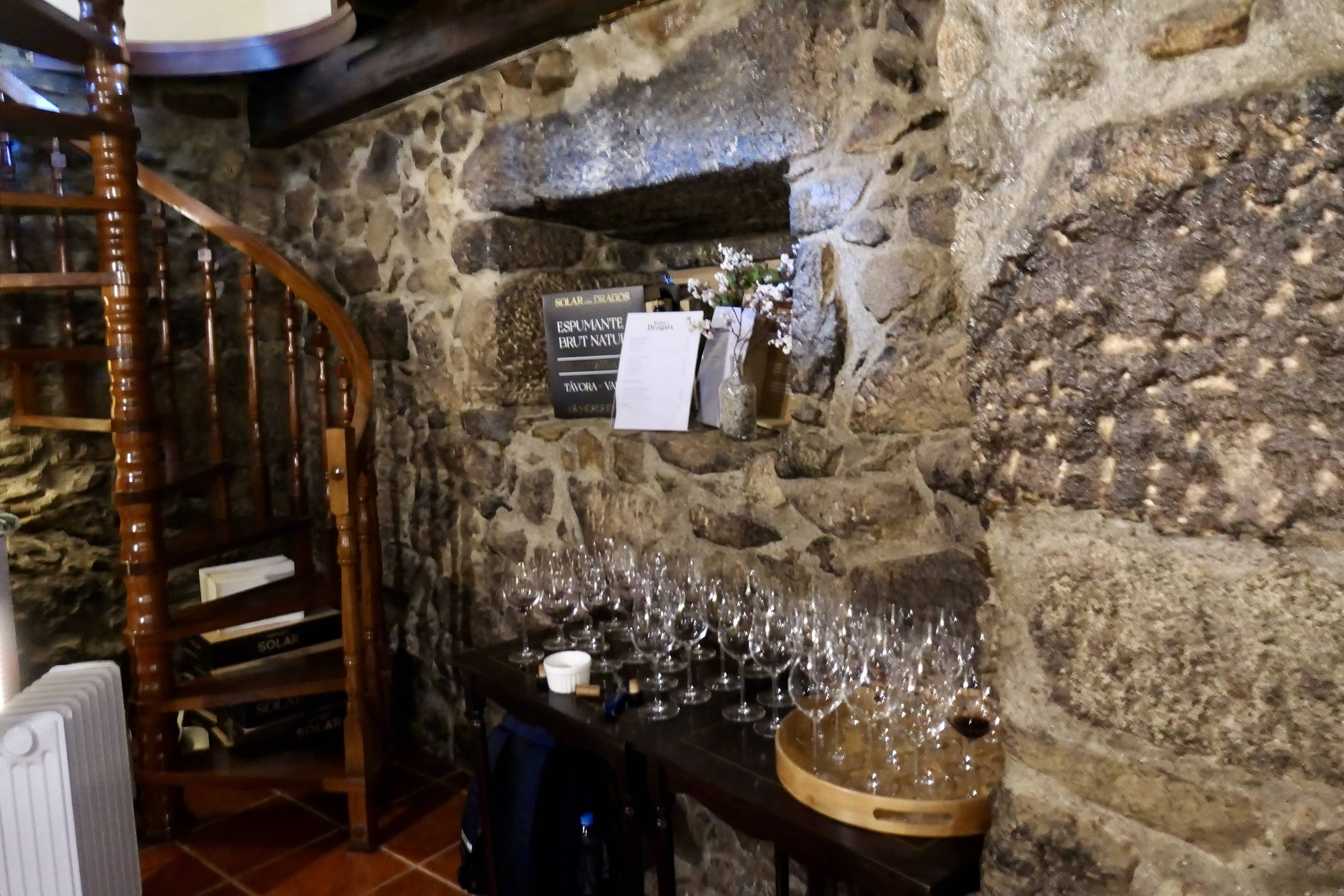
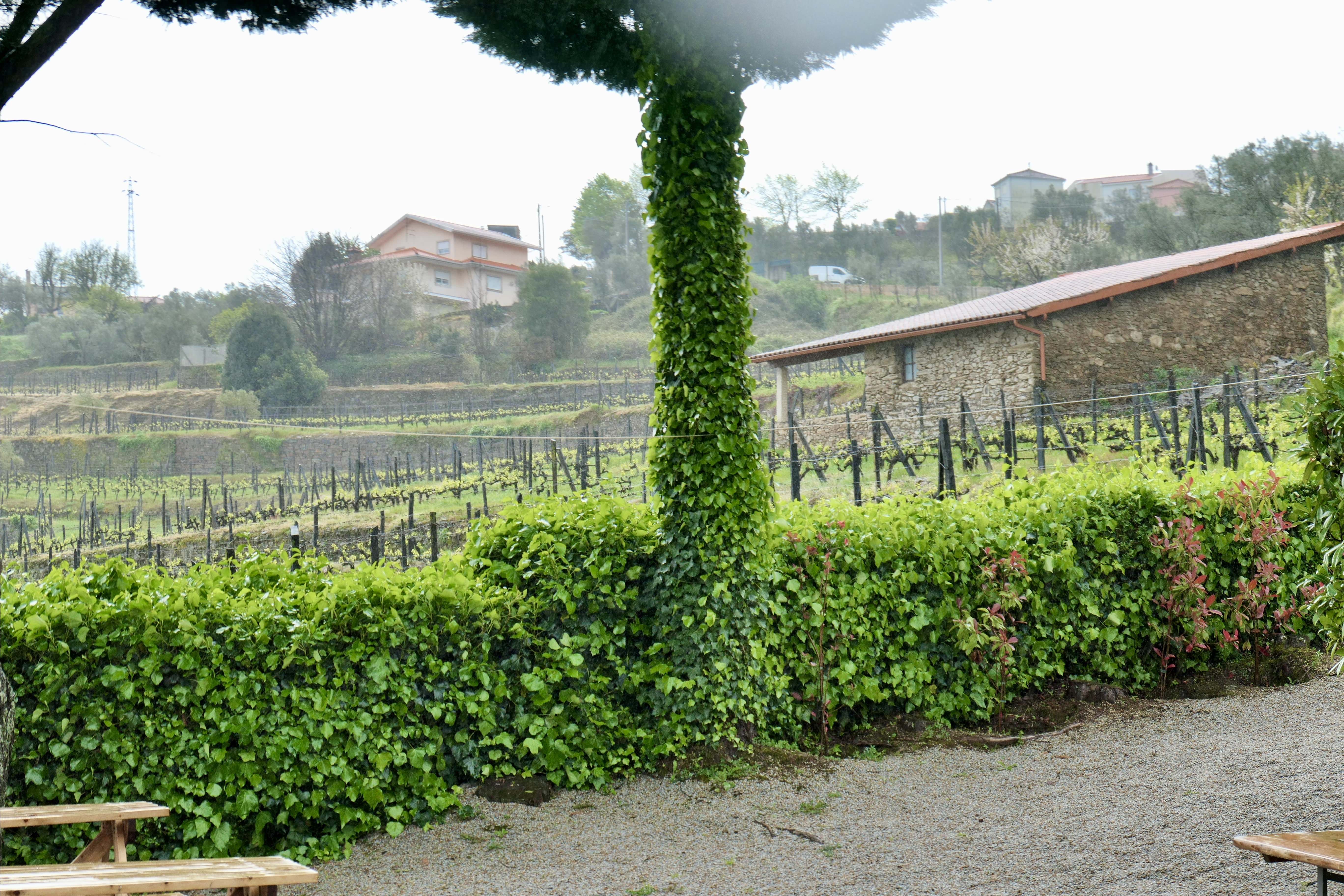
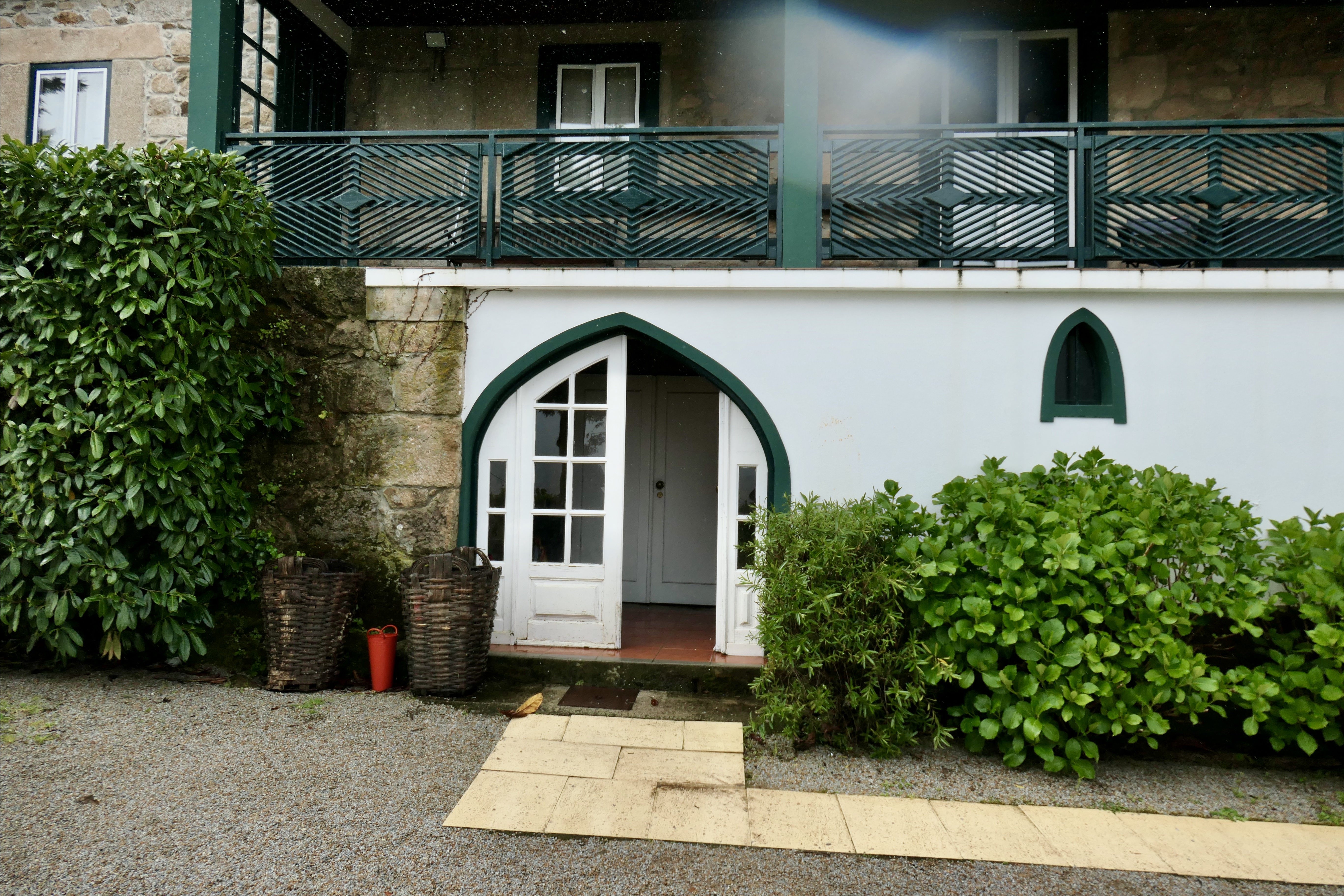
Quinta de Sequeiros a private winery nestled among rolling vineyards
The Scenic Drive to Pinhão
We continued along National Road 222, a ribbon of asphalt that twists dramatically above the river and is often called one of the most beautiful drives in the world. Around every curve, a new panorama unfolded—tiny red-roofed villages, olive groves, and the sculpted green waves of the terraced hills.
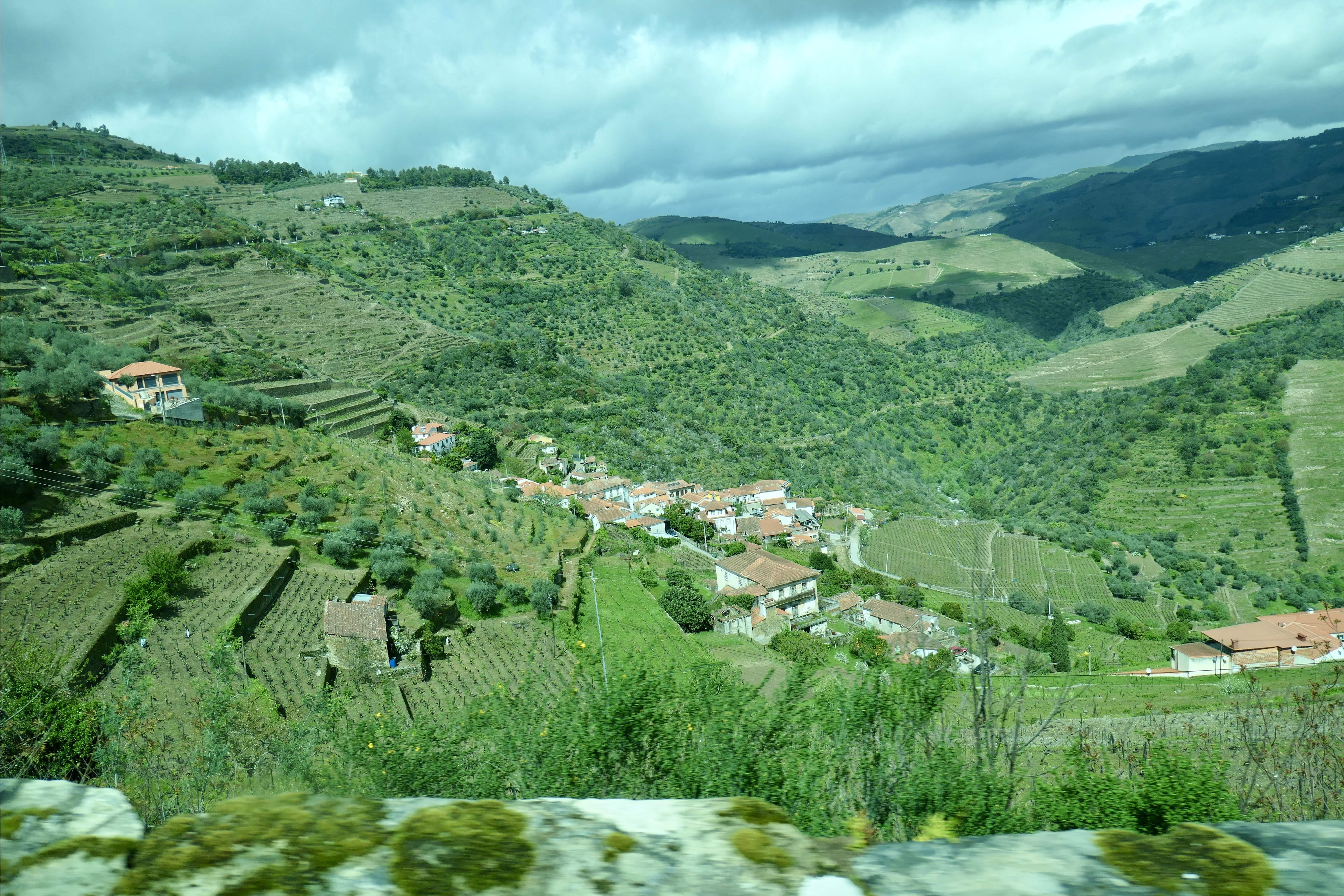
View of the Douro River from a roadside miradouro
Cruising the Douro River
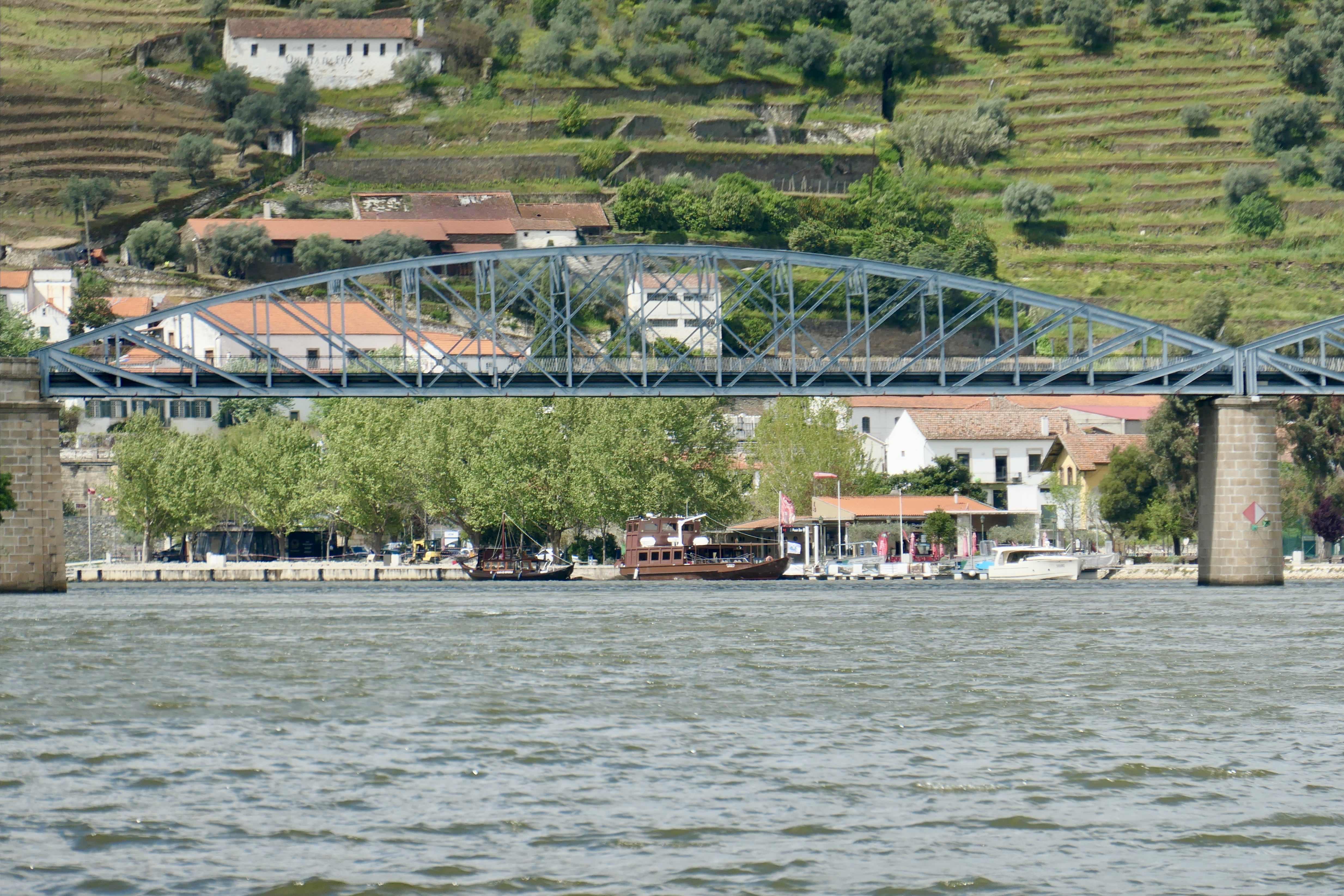
In Pinhão, we boarded a traditional rabelo boat, once used to carry Port wine barrels downstream to Porto. My husband opted to sit this one out, still recovering from the winding mountain roads, while I joined the others for a one-hour cruise along the heart of the Douro.
By now, the sun had broken through, and the reflections on the water were dazzling. The river glided between steep vineyards, each slope striped with stone terraces—a landscape that felt alive, shaped by both nature and human hands.
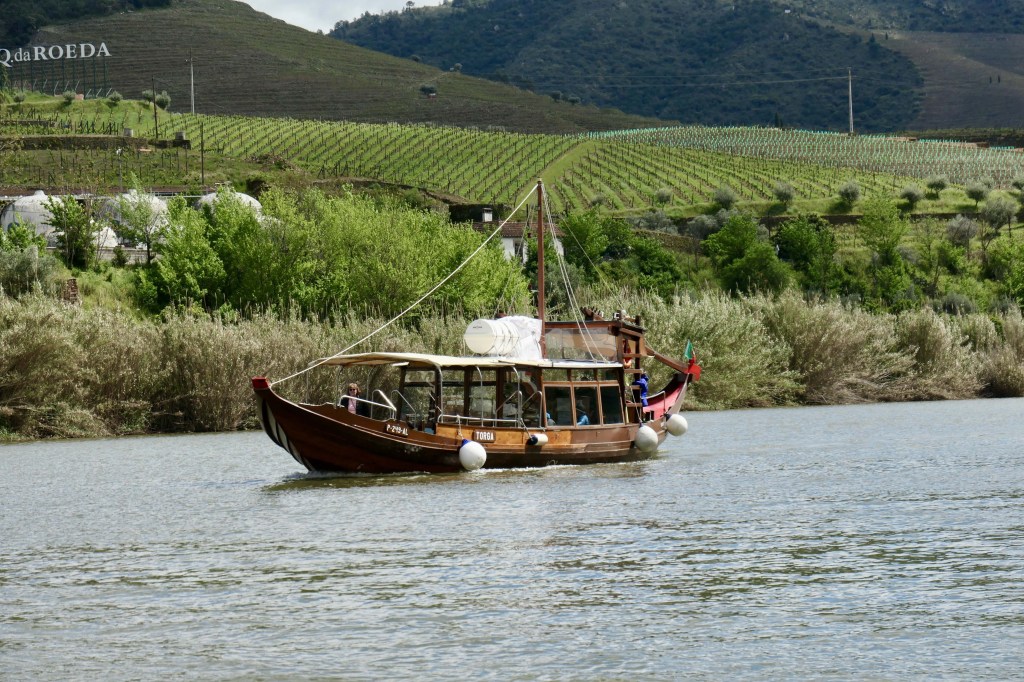
Traditional rabelo boat on the Douro River, surrounded by green vineyards
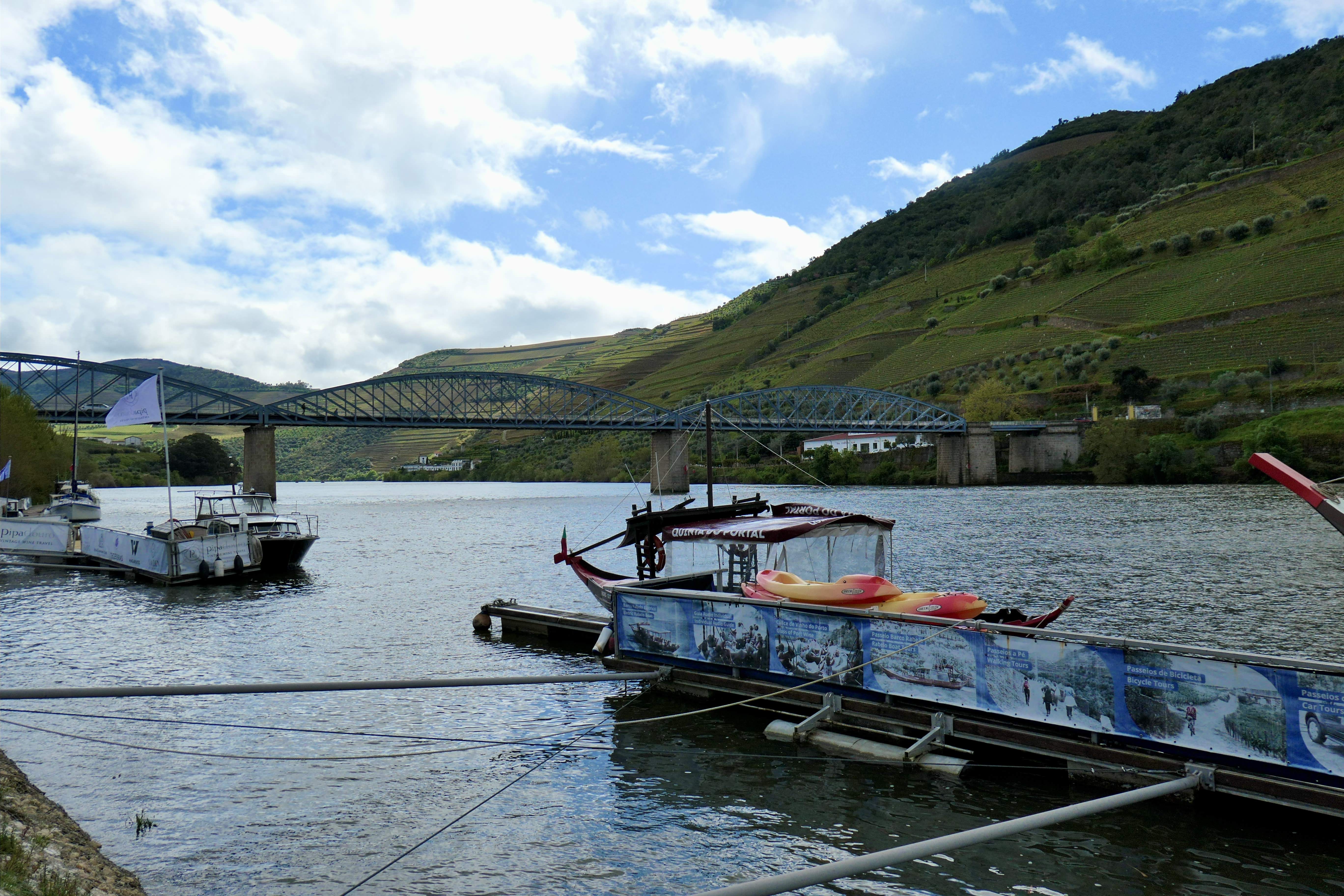
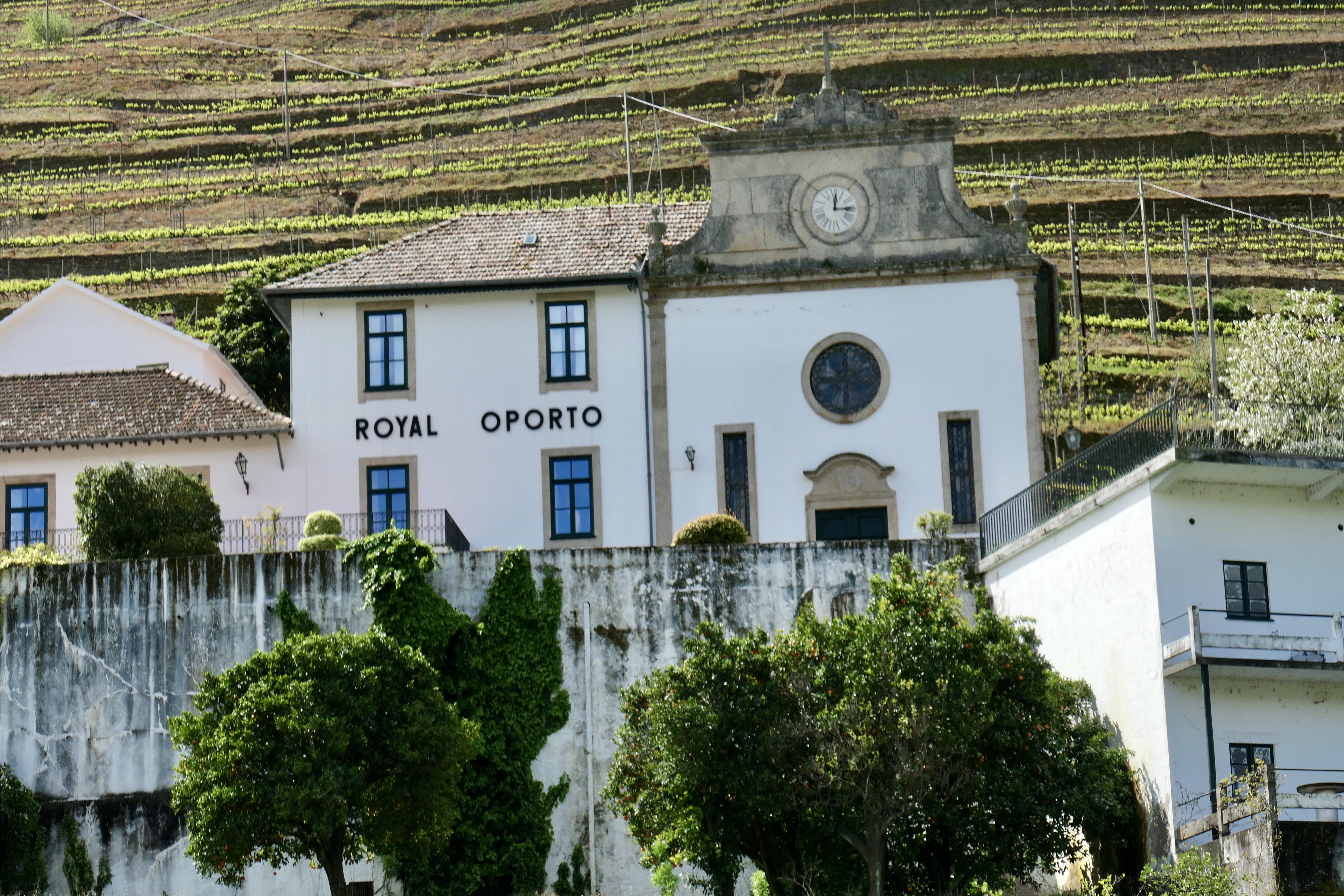
Miradouro de São Cristóvão do Douro
After the cruise, we climbed higher into the mountains, stopping briefly at the Miradouro de São Cristóvão do Douro, where the view seemed to stretch forever. From this vantage point, you could see the serpentine river below, dotted with boats, and the mosaic of vineyards that have made this valley world-famous.
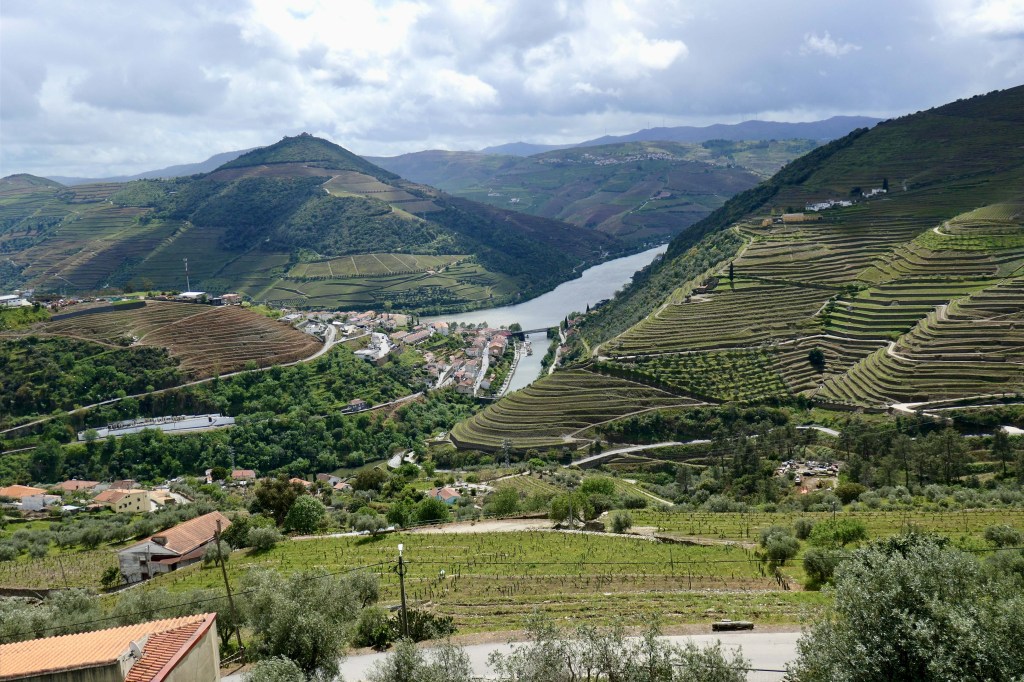
Sweeping view over the Douro River and terraced vineyards
Lunch and Tasting at Casa dos Barros (Sabrosa)
Our final stop was in Sabrosa, a charming town surrounded by vineyards and olive groves—and notably, the birthplace of Ferdinand Magellan, the Portuguese explorer who led the first circumnavigation of the globe. A statue in town honors him, standing as a tribute to Portugal’s spirit of exploration.
We arrived at Casa dos Barros, an elegant manor-style winery where lunch was served in a bright, rustic dining room overlooking the vineyards. The four-course meal felt like an event—fresh bread with olive oil, soup, a hearty main dish, and a sweet finish, each course paired with a different house wine.
On the way, we had passed groves of cork oaks, their bark peeled back in places to reveal the deep red trunks beneath. Our guide explained that Portugal produces more than half the world’s cork, harvested every nine years by hand—a sustainable cycle that allows the trees to regenerate naturally. Seeing them in person felt symbolic of the patience and care that define this region.
As I sipped a glass of ruby Port, my husband smiled and joked, “You’re our own Magellan, mapping every leg of our travels.” I had to laugh—he wasn’t wrong.
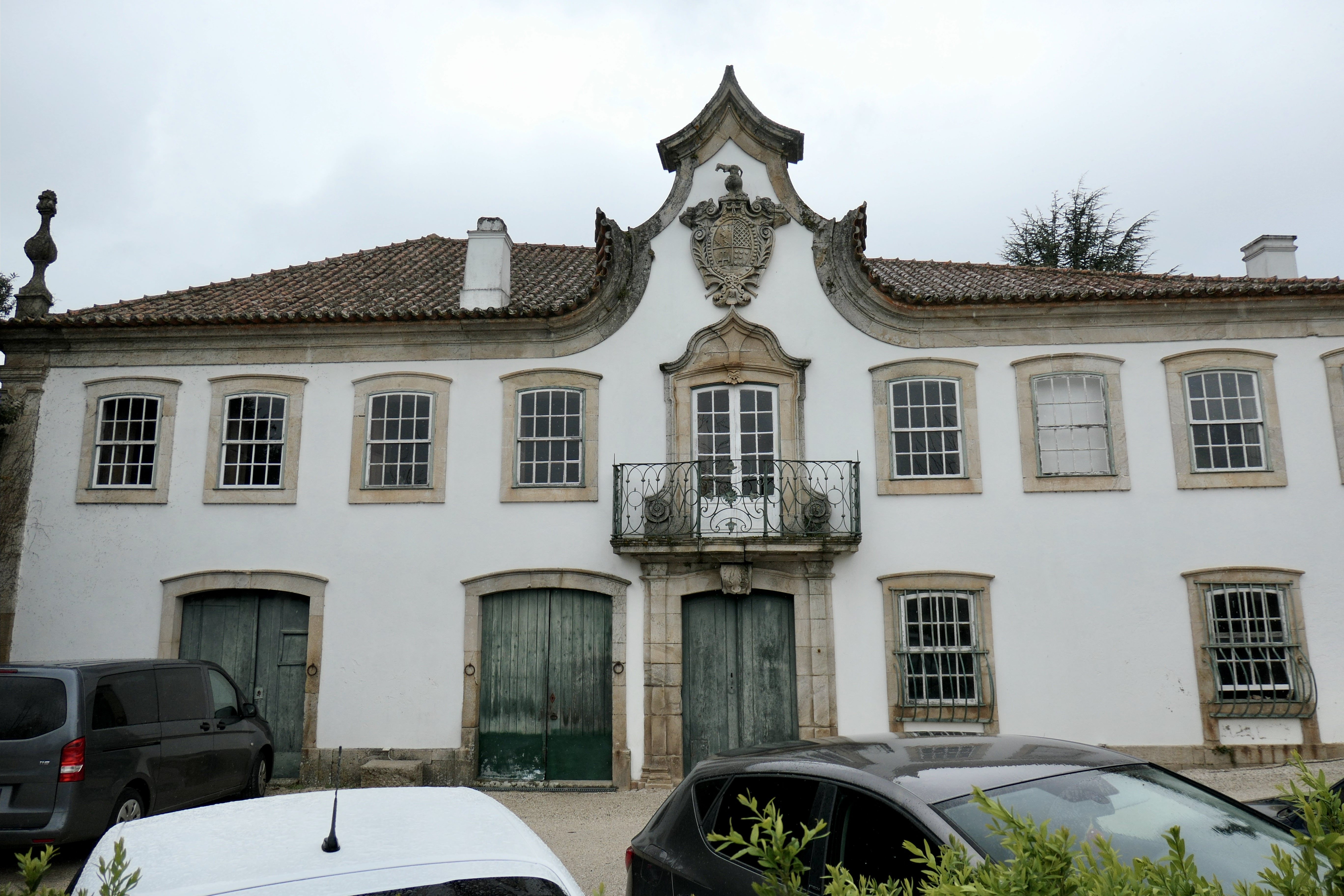
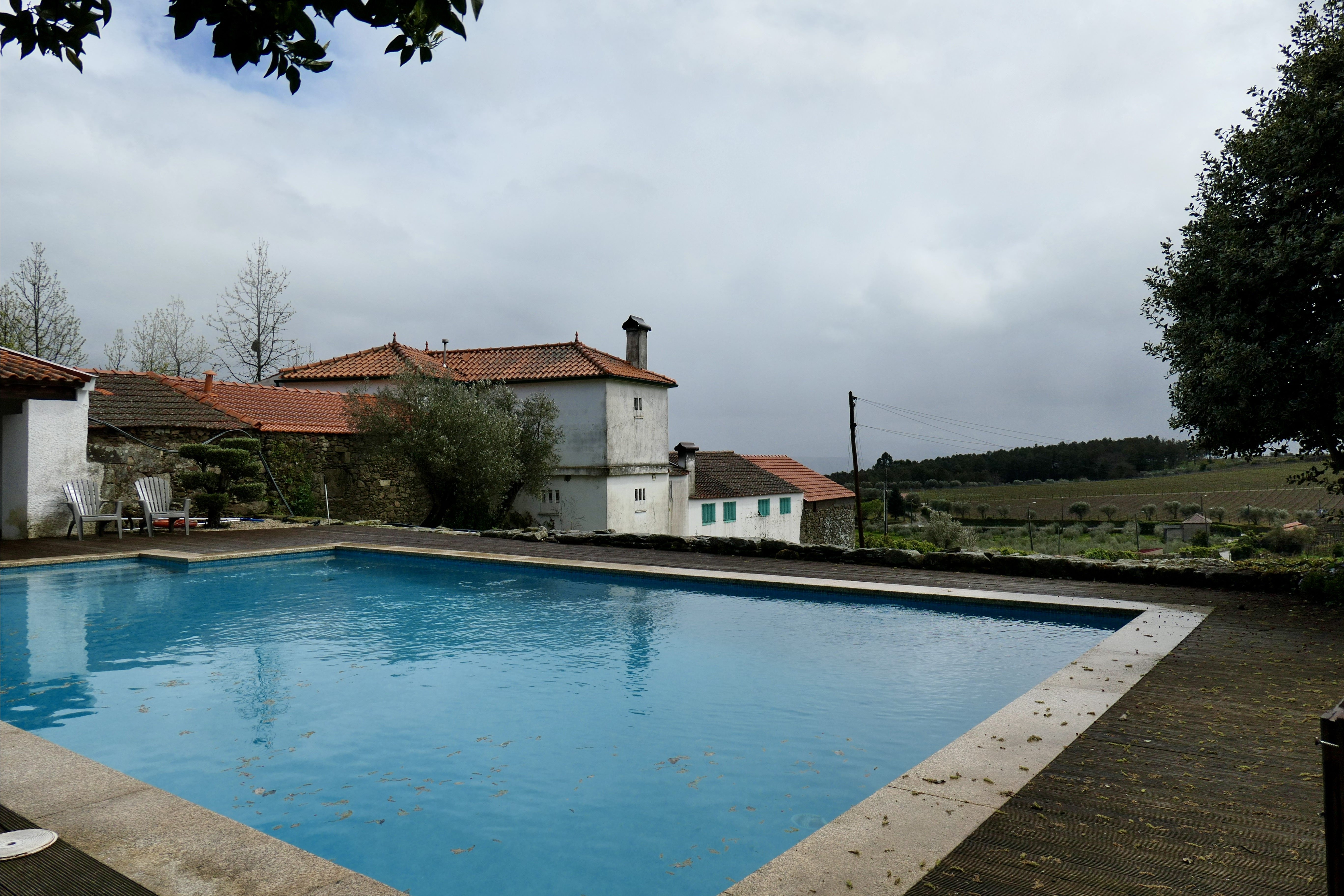
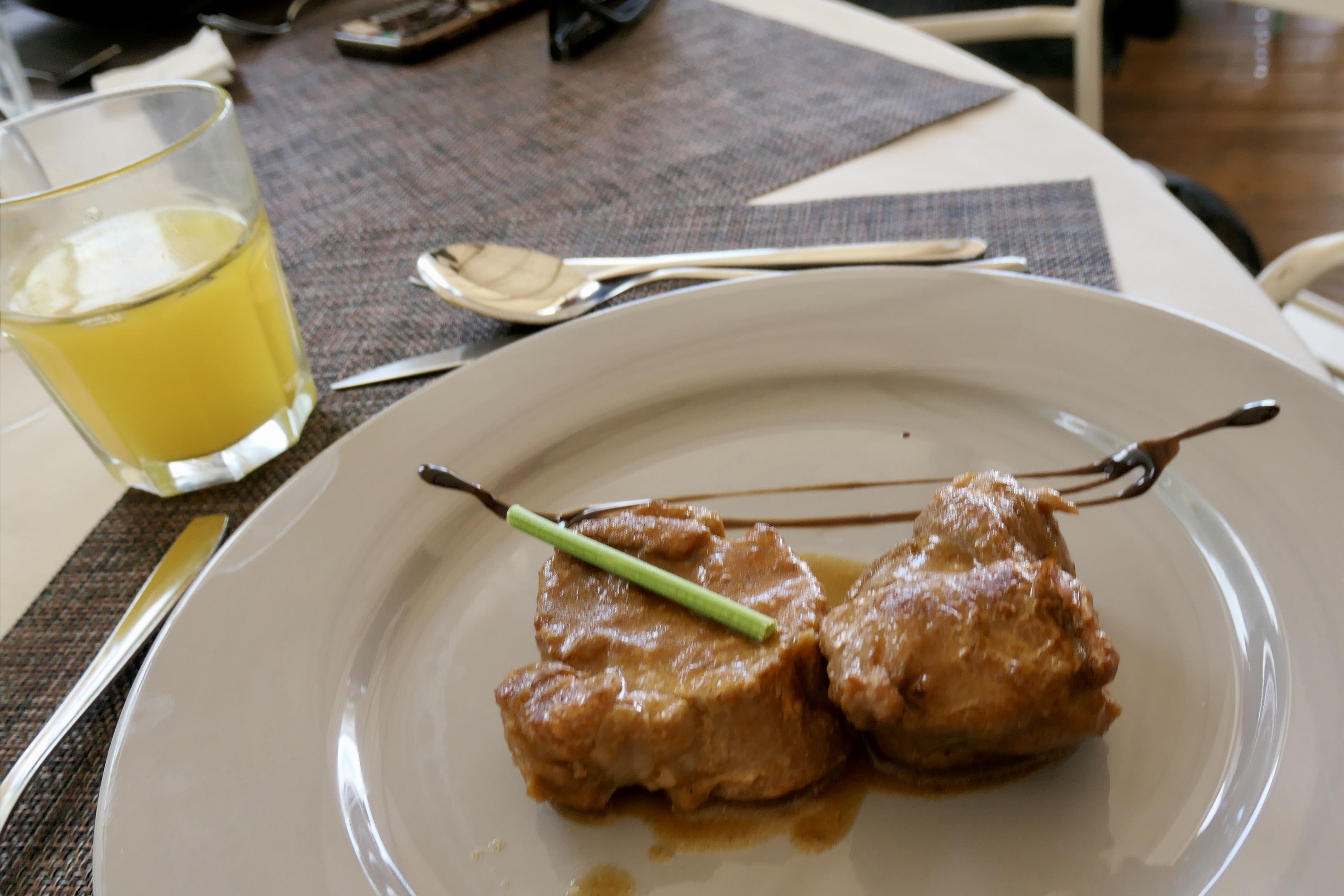
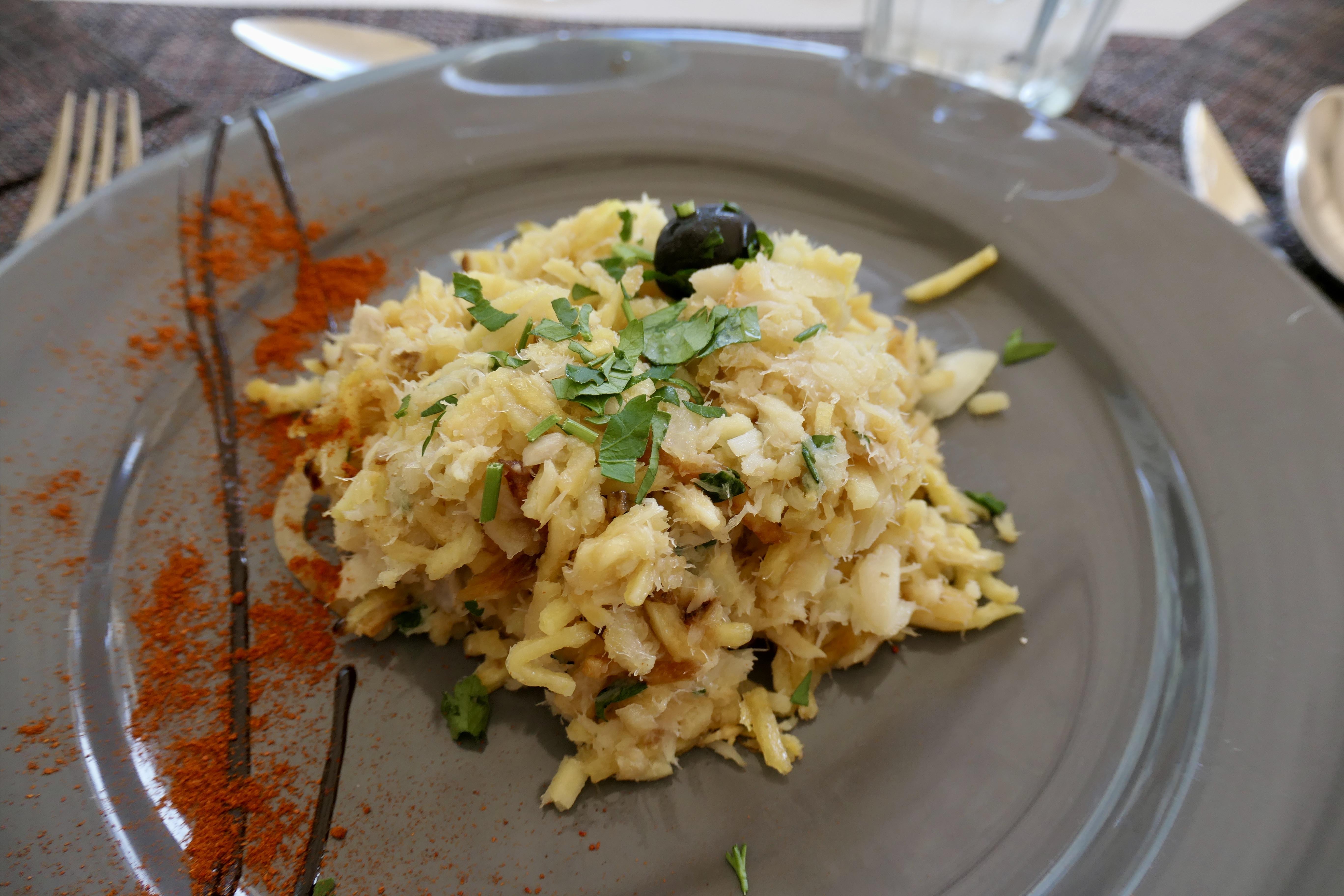
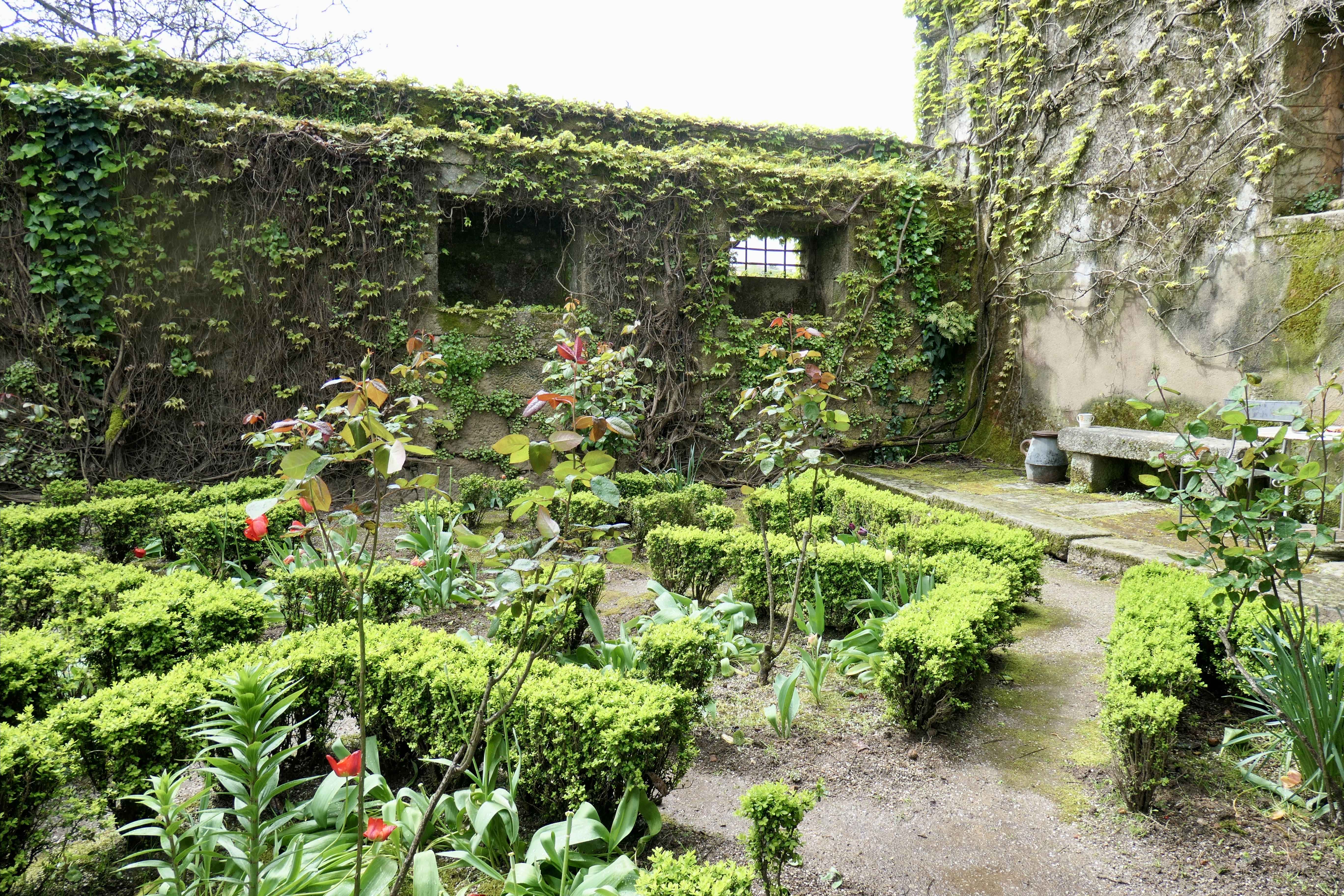
Lunch and Wine tasting at Casa dos Barros winery and vineyards
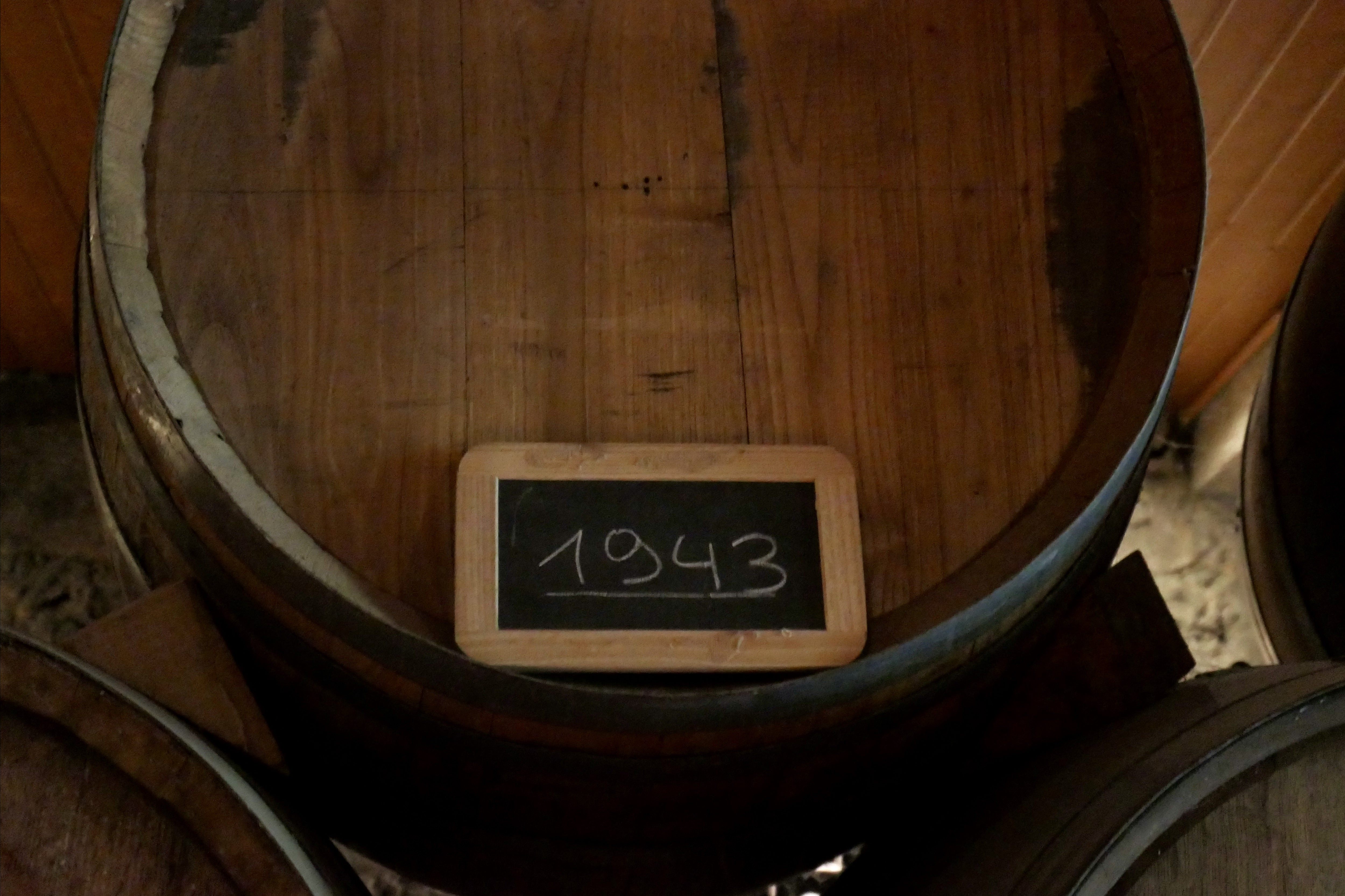
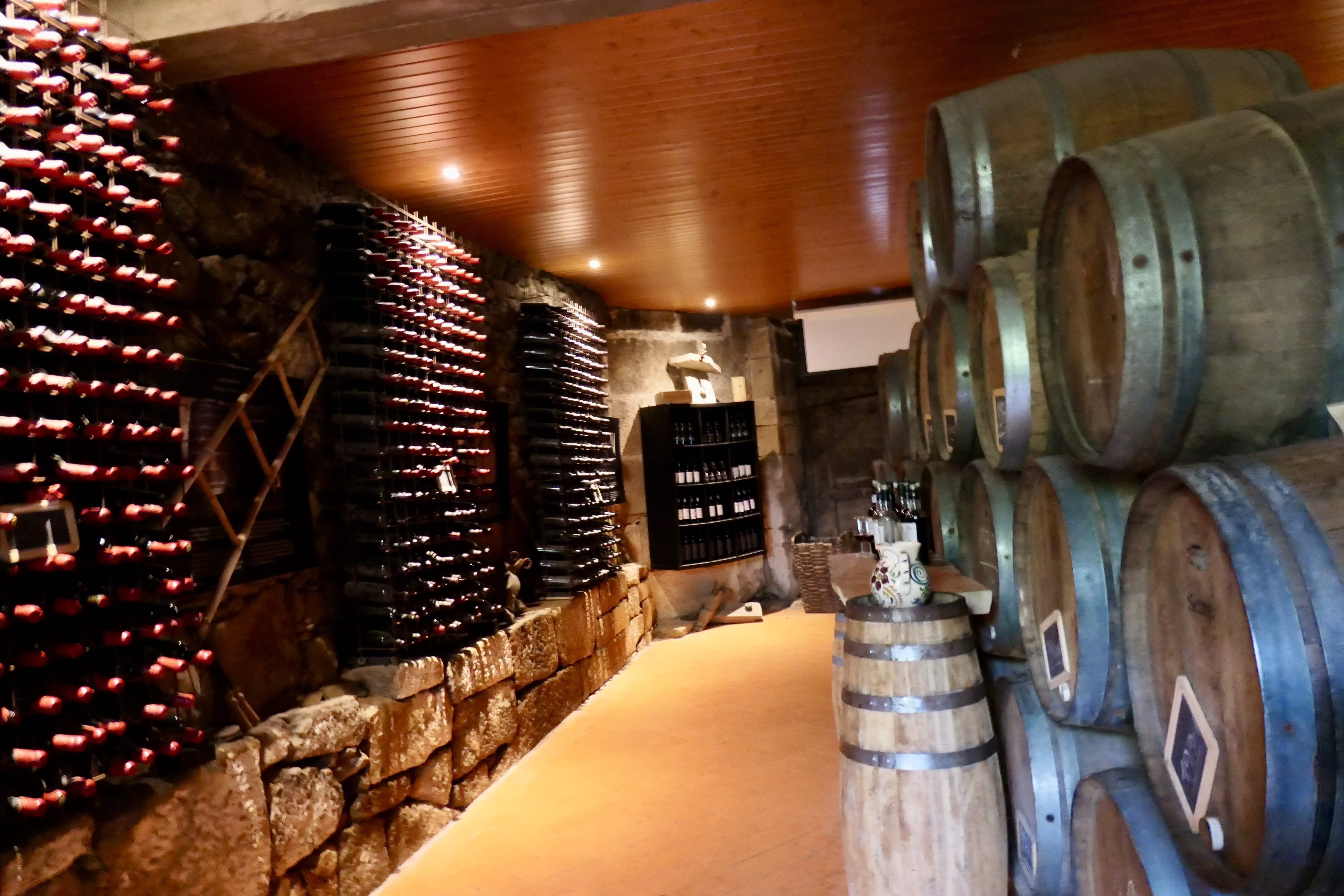
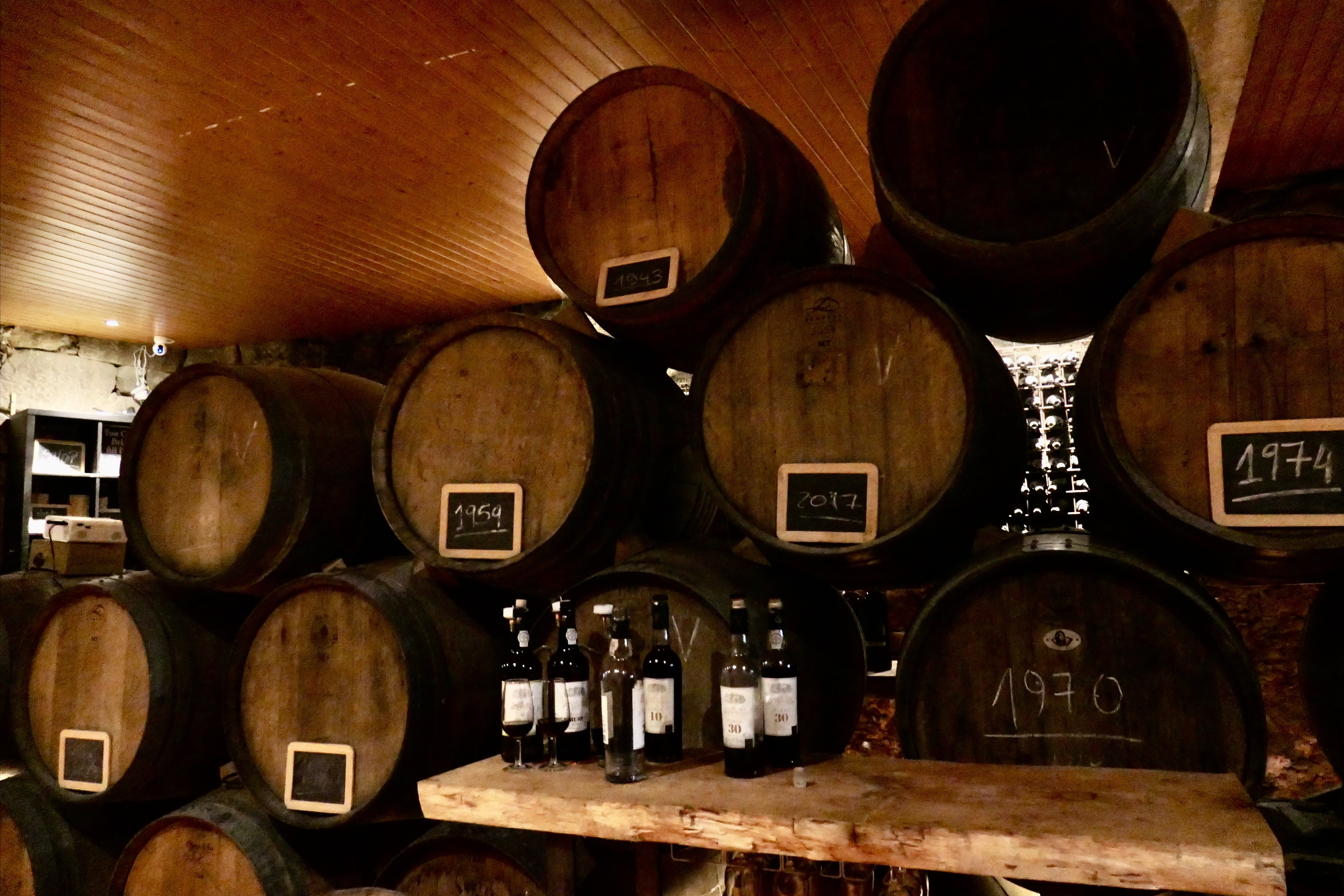
Barrel cellar at Casa dos Barros with vintage Port years marked in chalk
Returning to Porto
As the day came to an end, we drove back toward Porto with golden light spilling over the hills. The Douro River shimmered below, winding gracefully toward the sea. It felt like the perfect ending to a day of discovery—one that combined breathtaking landscapes, centuries of winemaking, and a deep sense of Portuguese history and warmth.
The Douro isn’t just a place to visit; it’s a place to feel—layer by layer, terrace by terrace, sip by sip.
 Click, Wander & Savor