🇲🇪 Montenegro: Mountains, Bays & A Thousand Stone Steps
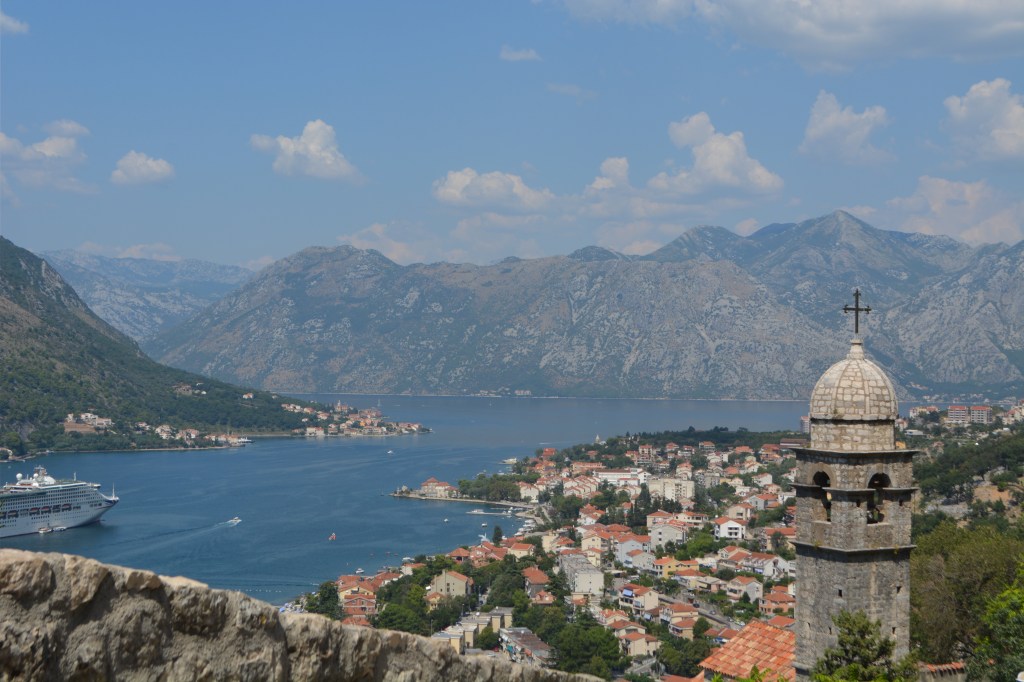
Crossing into Montenegro from Croatia felt like stepping into another world — one framed by mountains that plunge dramatically into mirror-still water. The drive from Dubrovnik hugged the Adriatic coast, every curve revealing another jaw-dropping view: red rooftops tumbling toward turquoise coves, church spires rising from stone towns, and laundry fluttering like flags of everyday life.
Perast & Our Lady of the Rocks
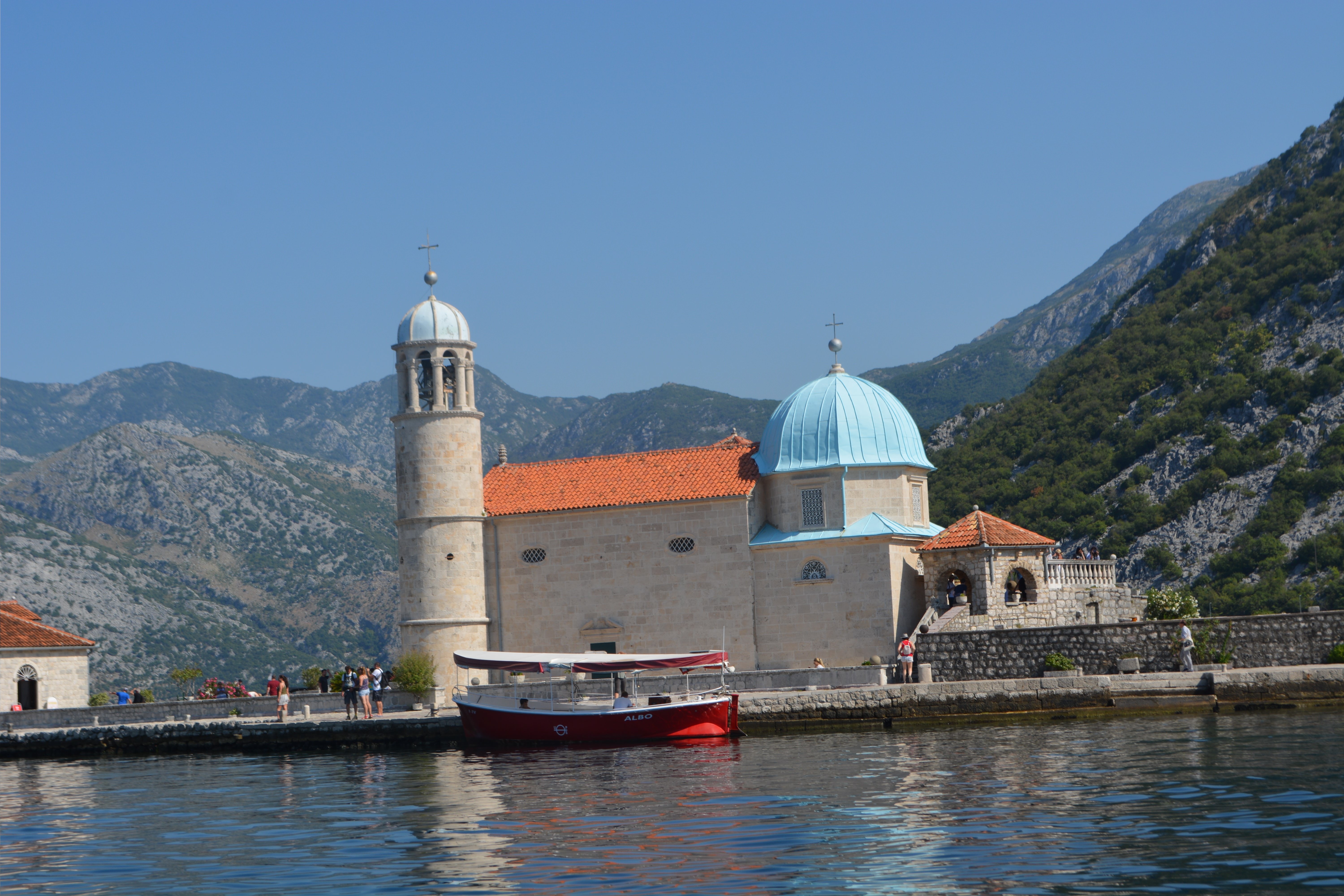
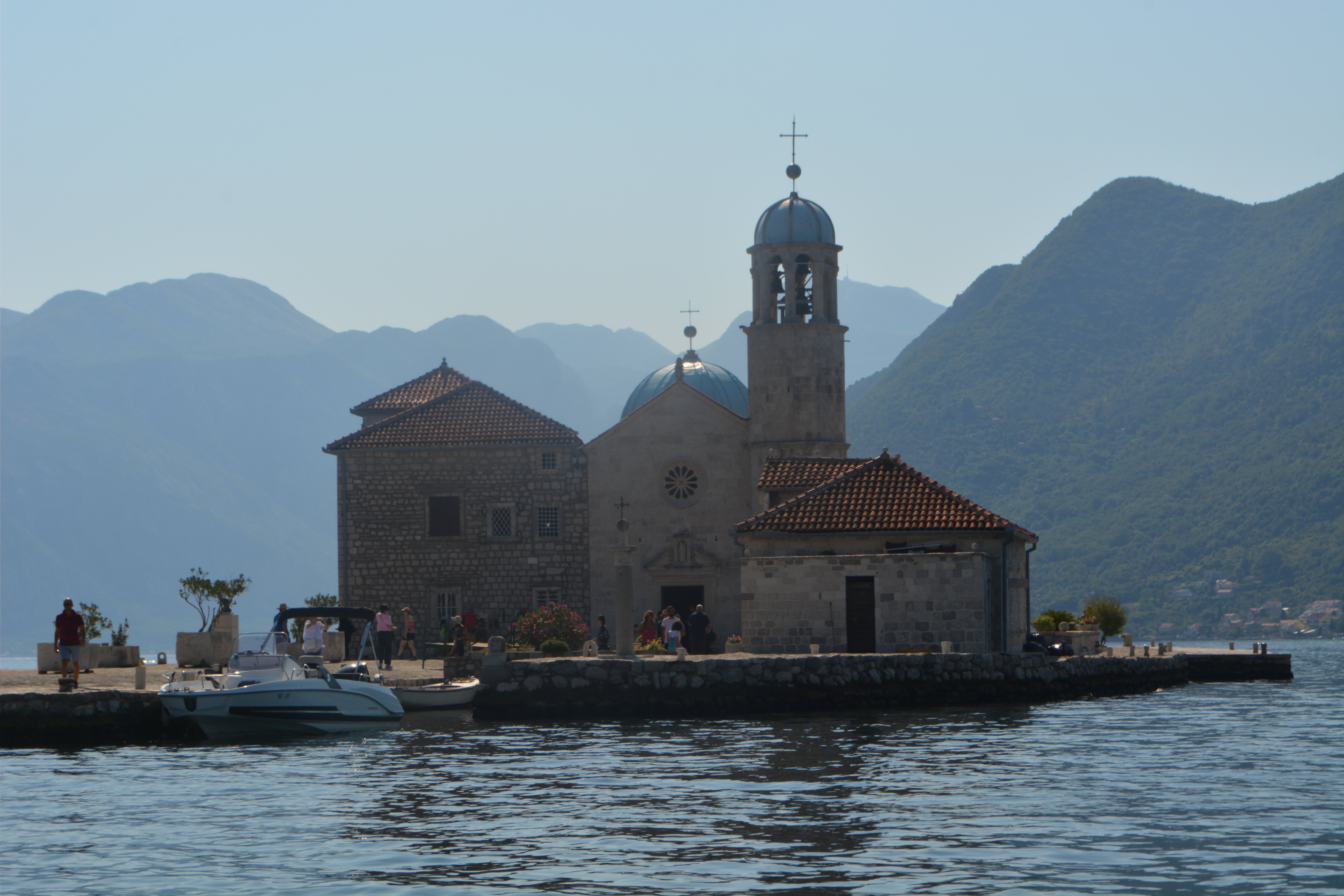
Our first stop was Perast, a storybook town frozen in Venetian time — elegant façades, marble balconies, and a waterfront that looks like it was designed for postcards. Just offshore float two tiny islets: St. George Island, a quiet monastery retreat, and Our Lady of the Rocks, an artificial island built stone by stone by generations of sailors.
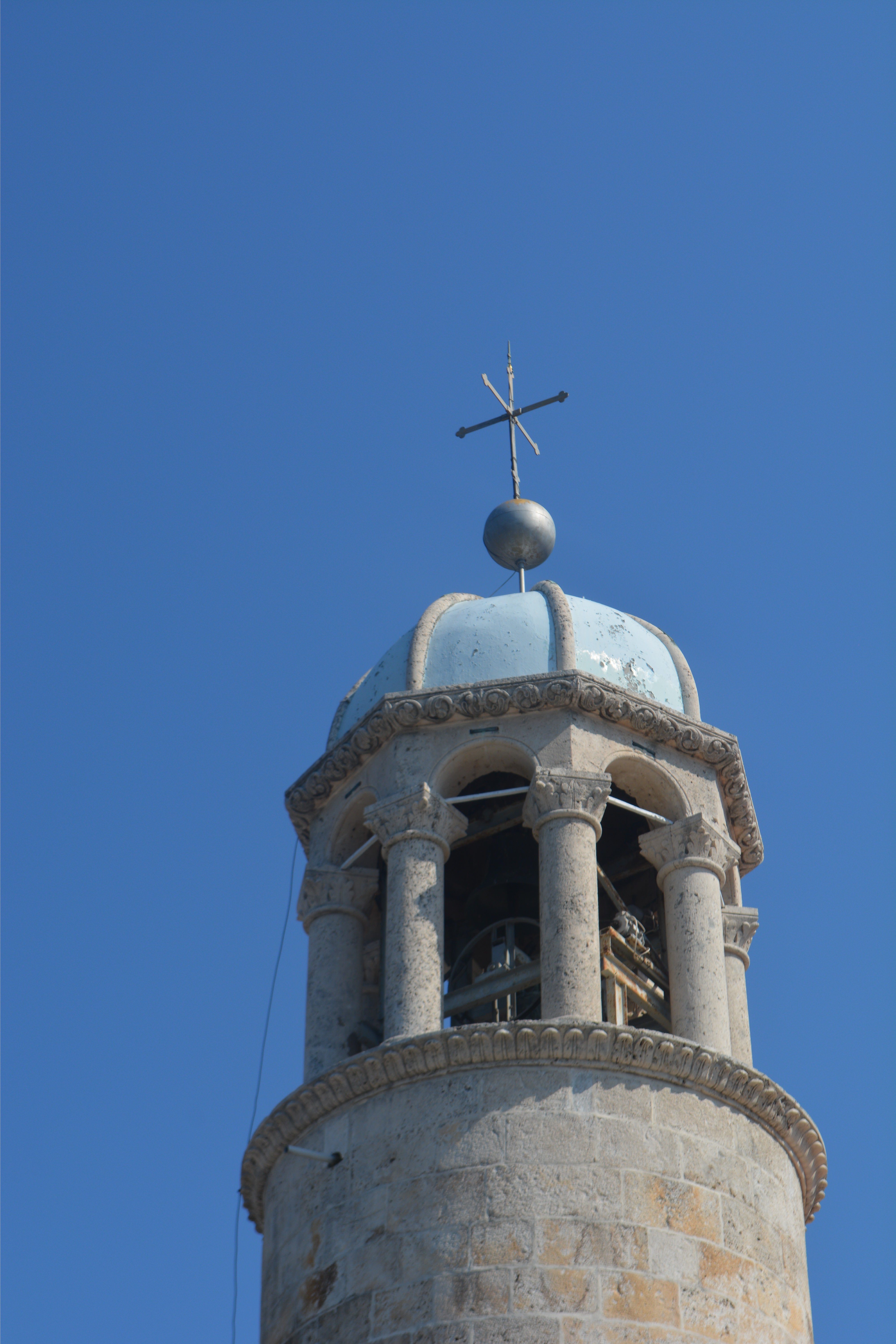
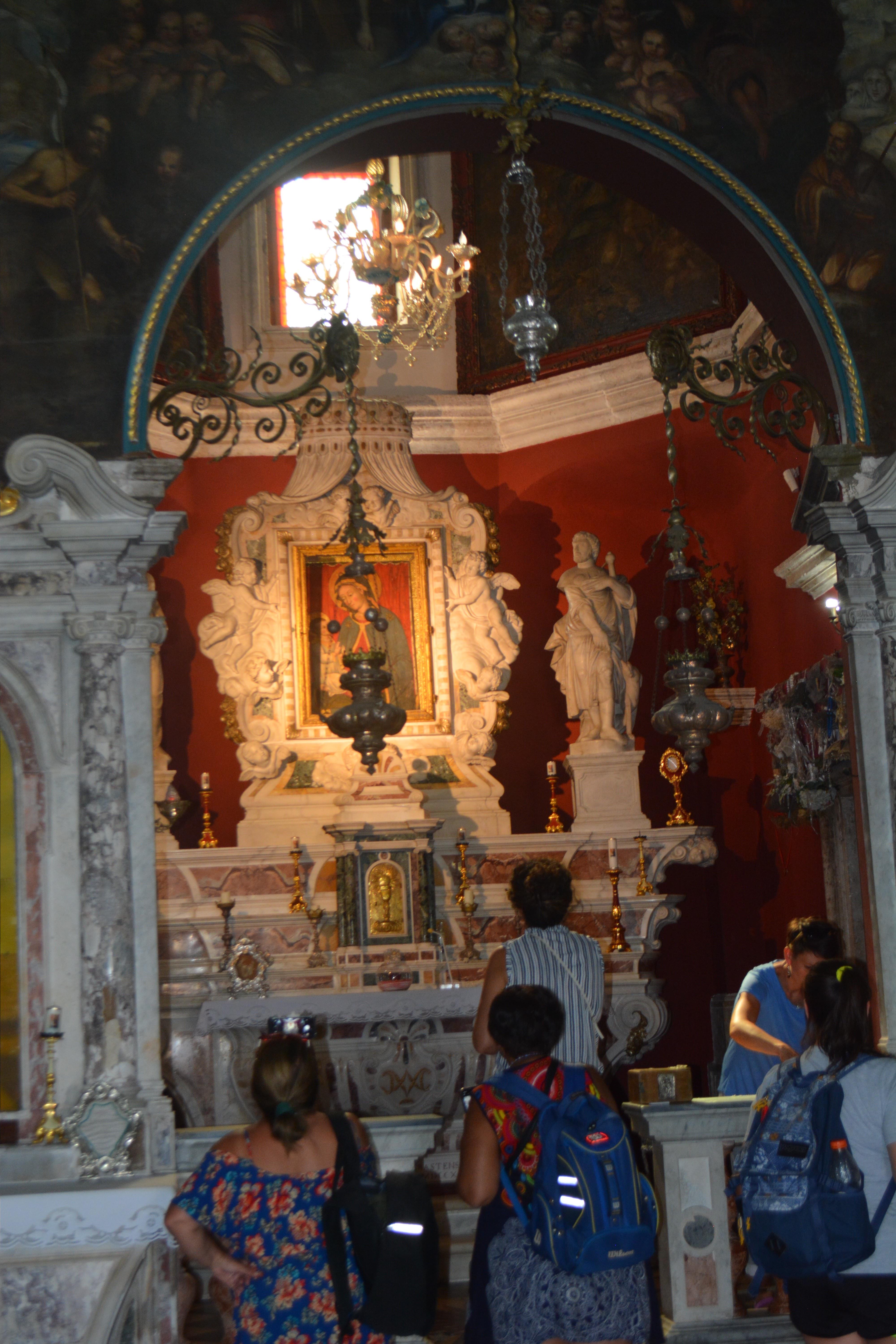
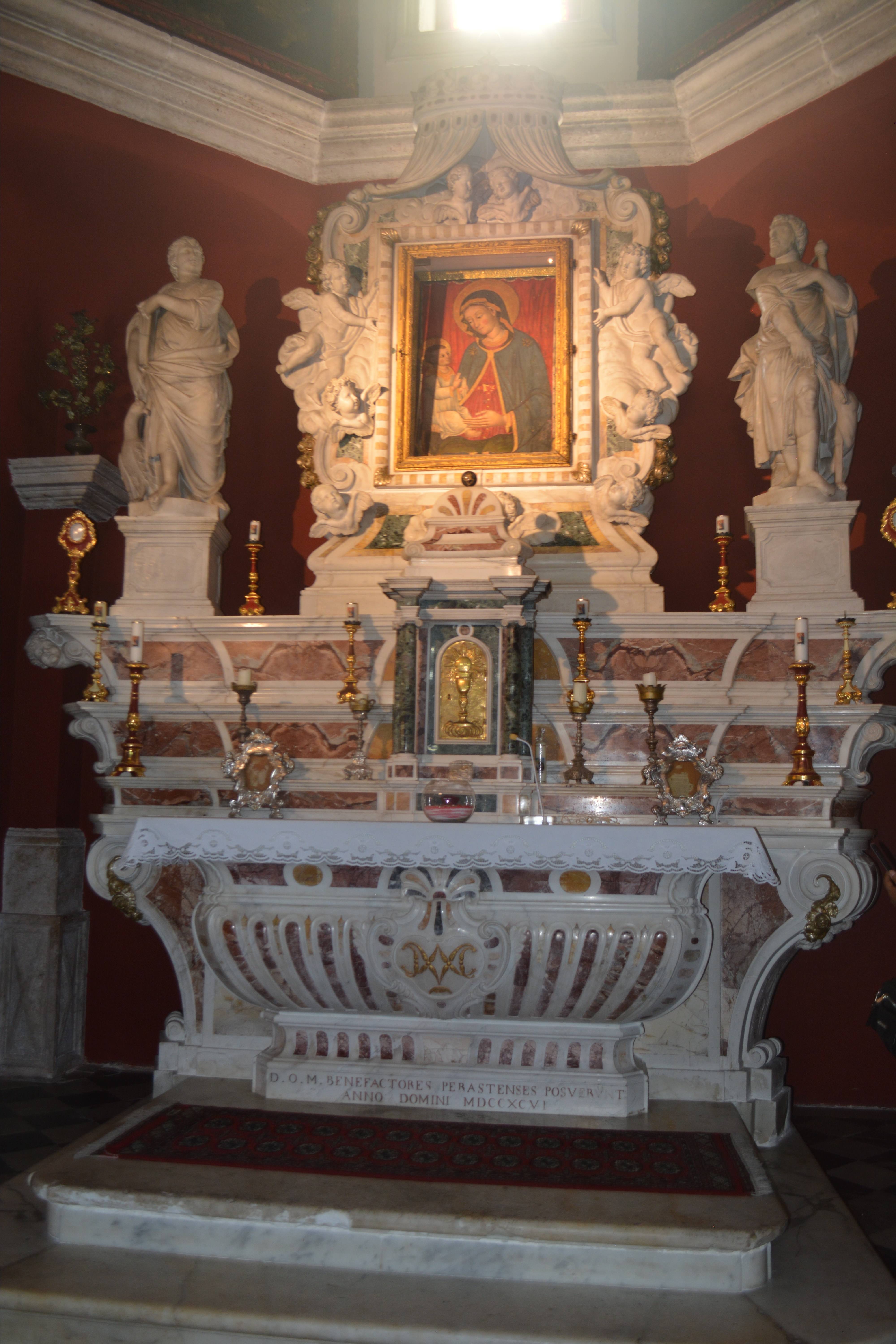
We took a small boat across the still water, the blue dome of the church shimmering ahead. Inside, votive plaques and intricate paintings told stories of shipwrecks and salvation. The legend goes that every time sailors returned safely, they laid another rock — until faith became geography.

Back on land, the café-lined promenade begged us to linger. Elderly men sipped espresso slowly under the shade, while tourists snapped photos and ordered another round.


Kotor: Fortress, Cats & Cake
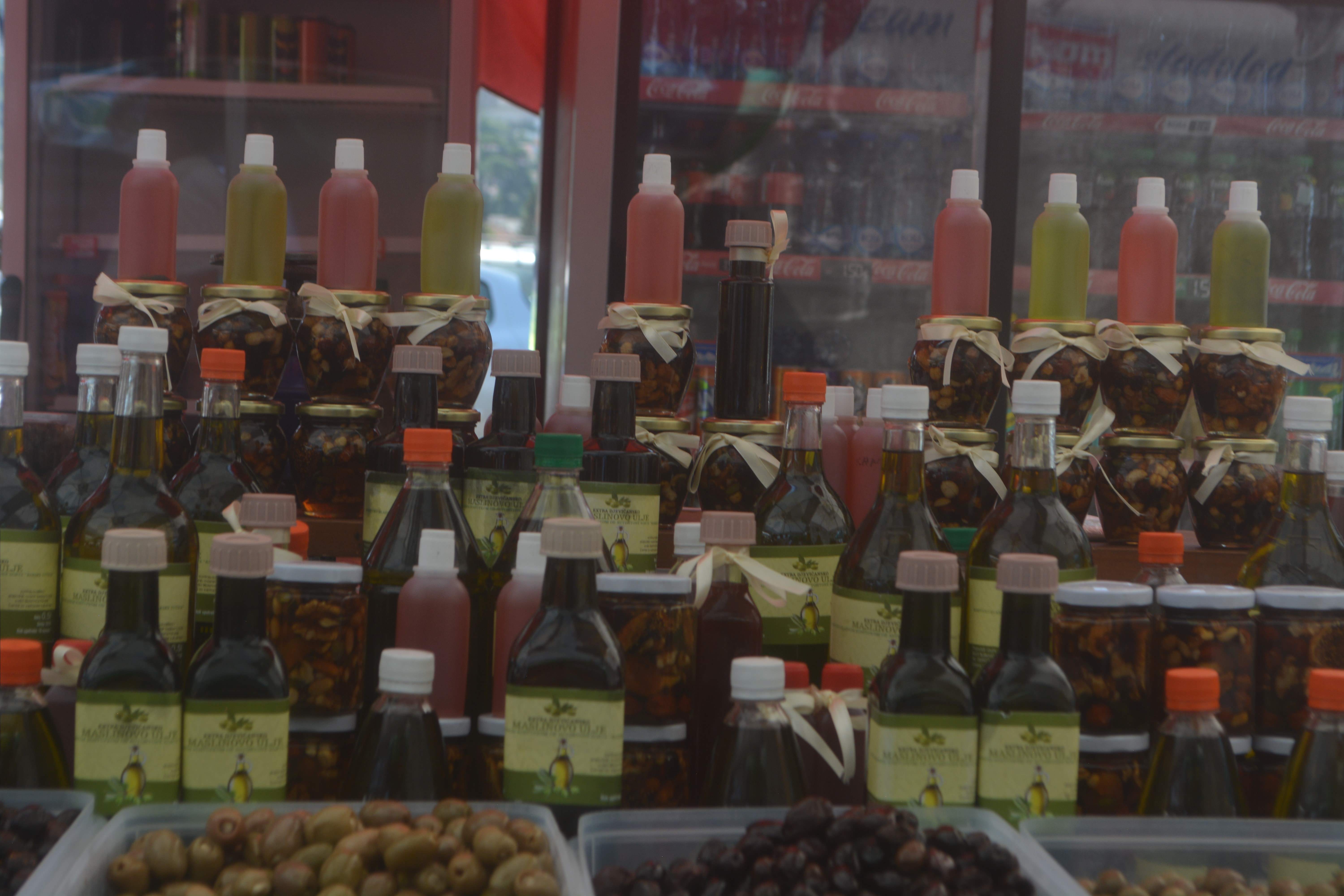
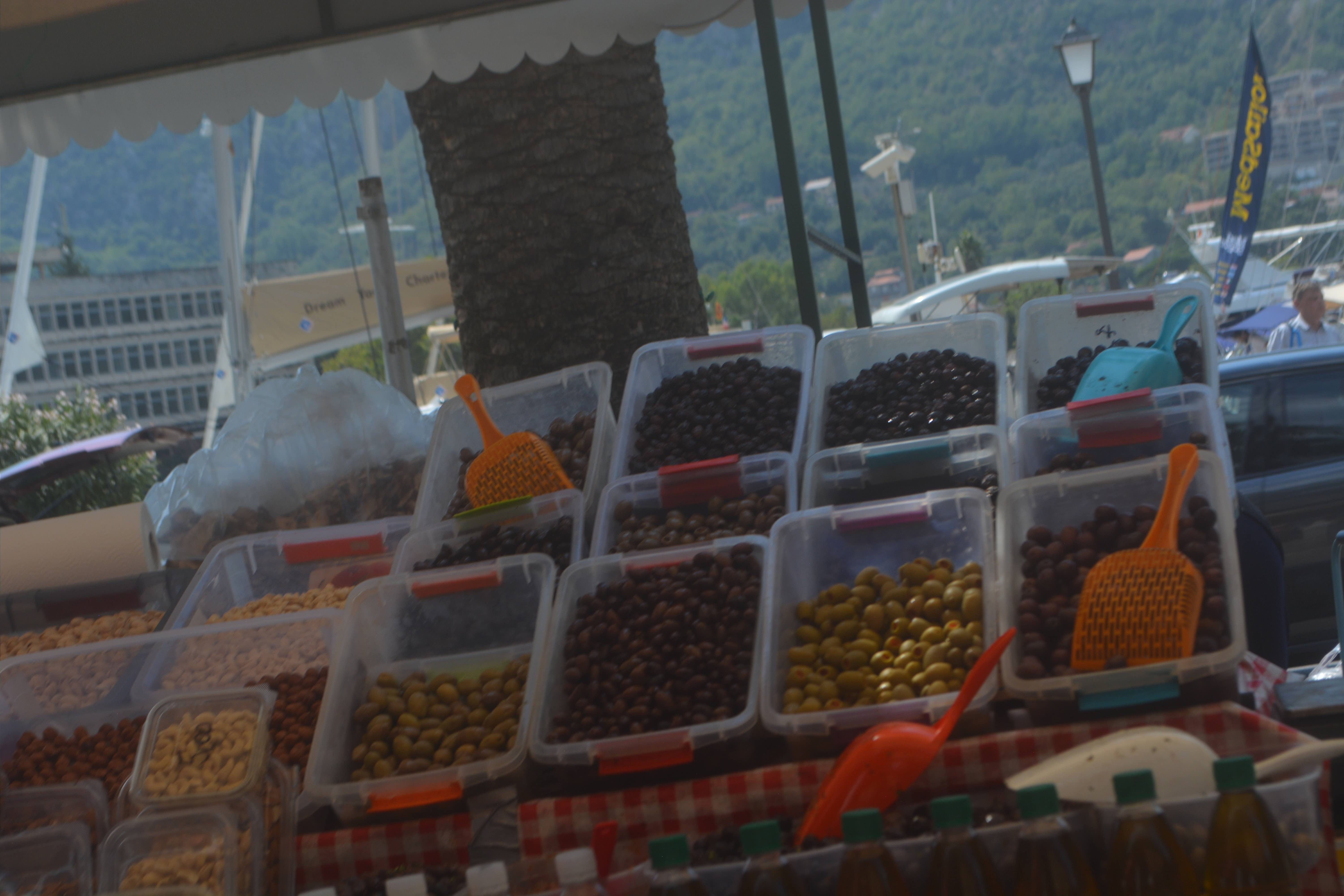

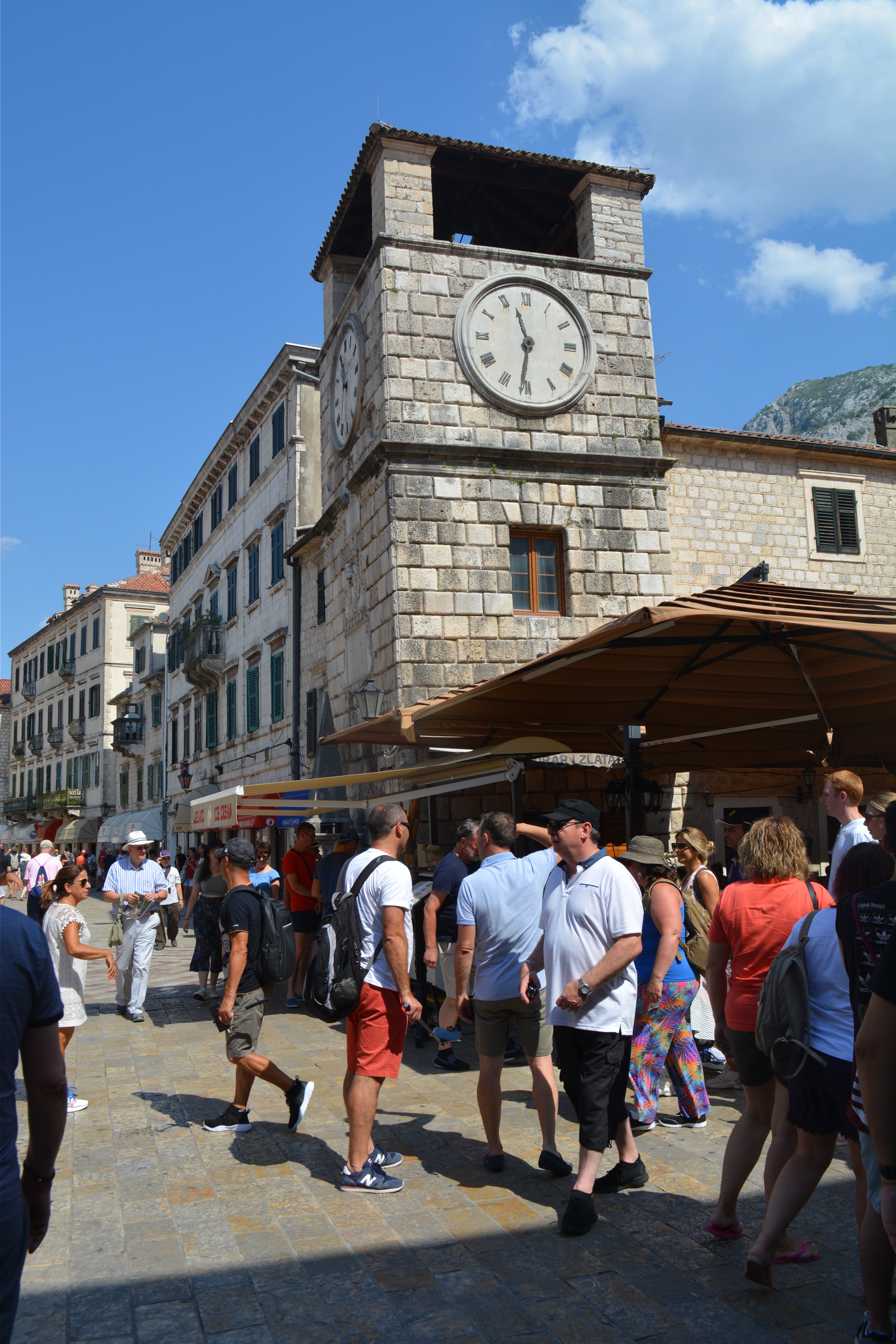
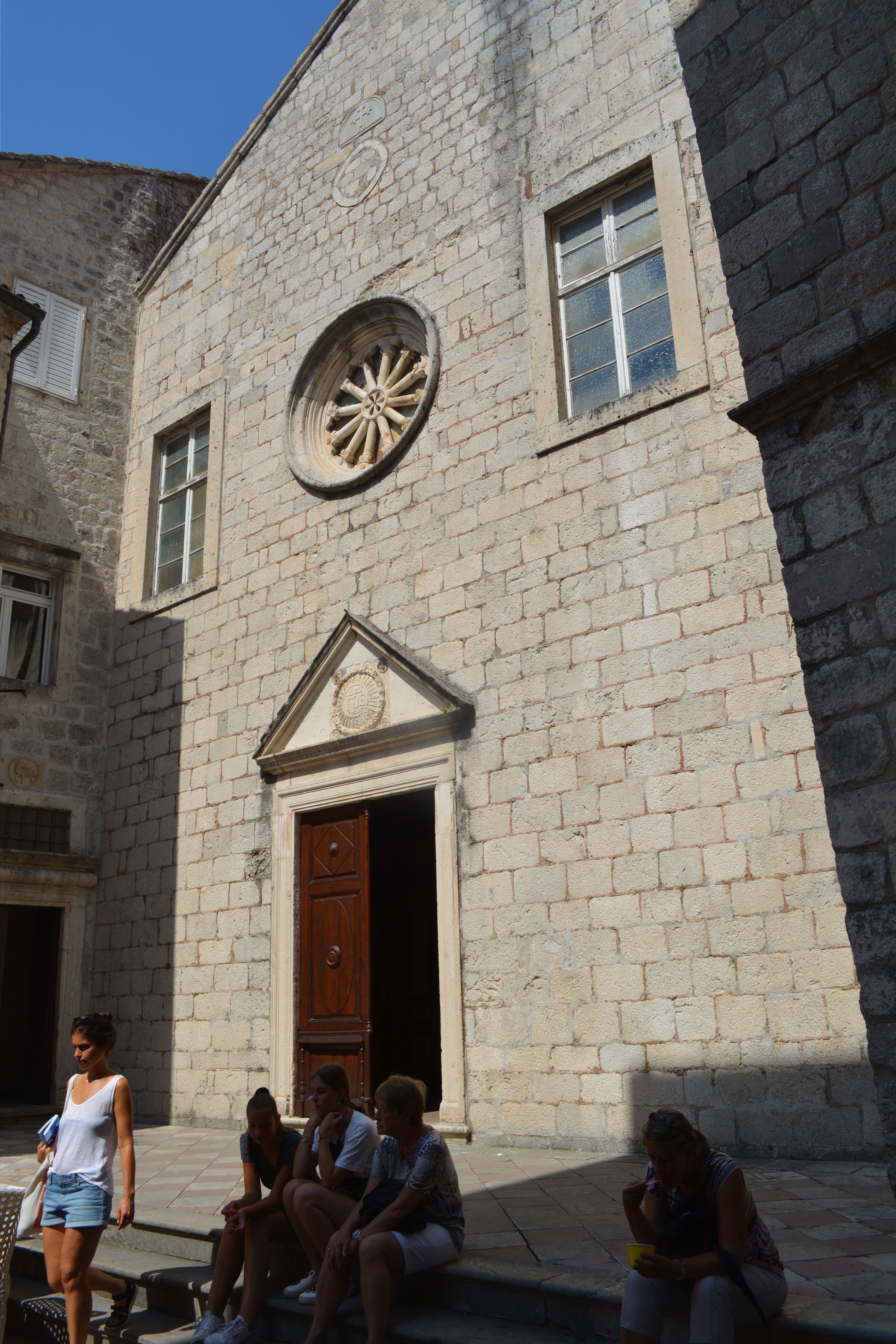

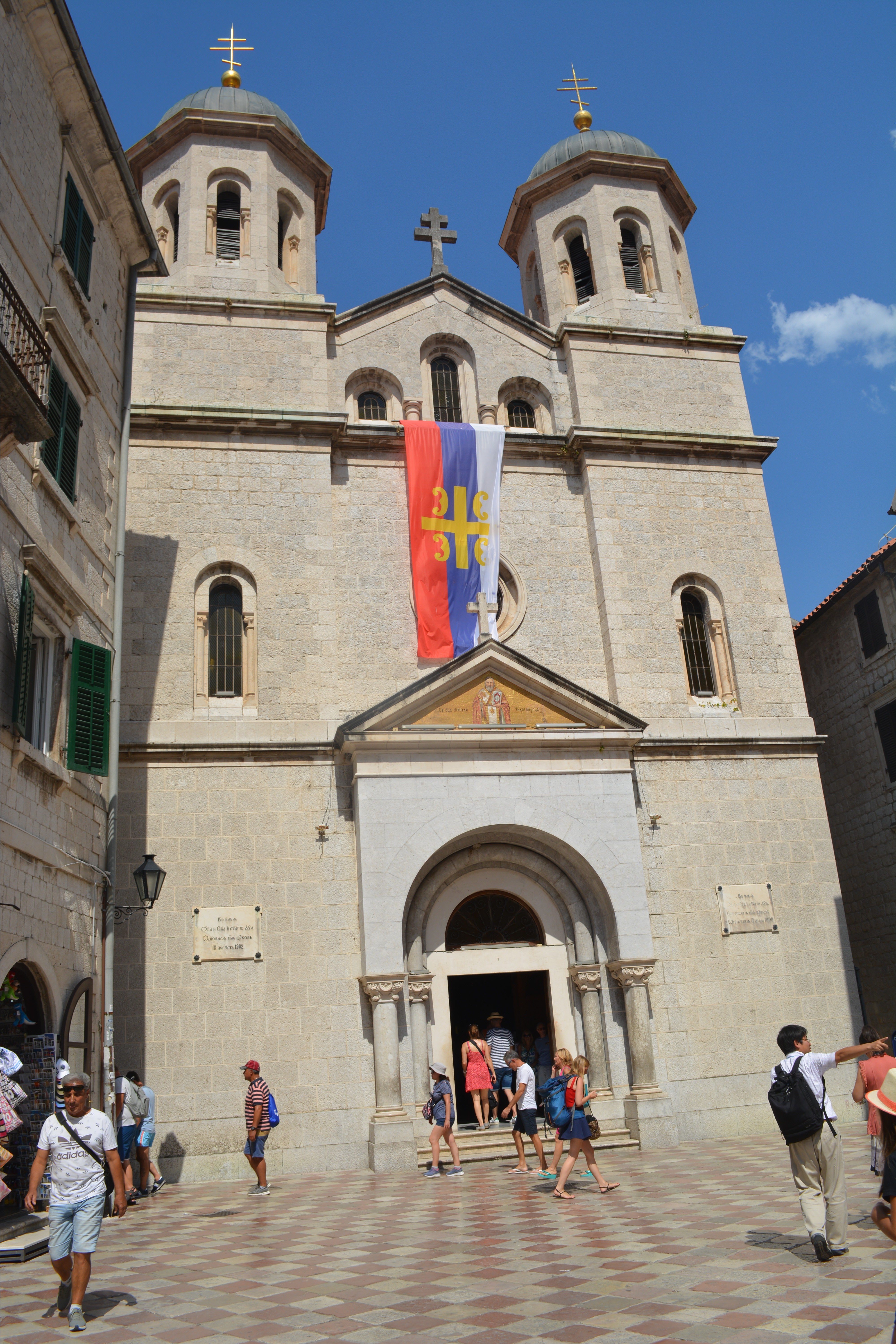
Next came Kotor, Montenegro’s medieval crown jewel — a city built where the mountains meet the sea. We entered through the 16th-century Sea Gate, its stone etched with Tito’s 1944 liberation date, and found ourselves in a maze of alleys that smelled of espresso, olive oil, and history.
The town square buzzed with energy: cafés packed with travelers, shopkeepers offering lavender soap and local rakija, and cats — endless cats — lounging in sunbeams or weaving between cobblestones like they owned the place.
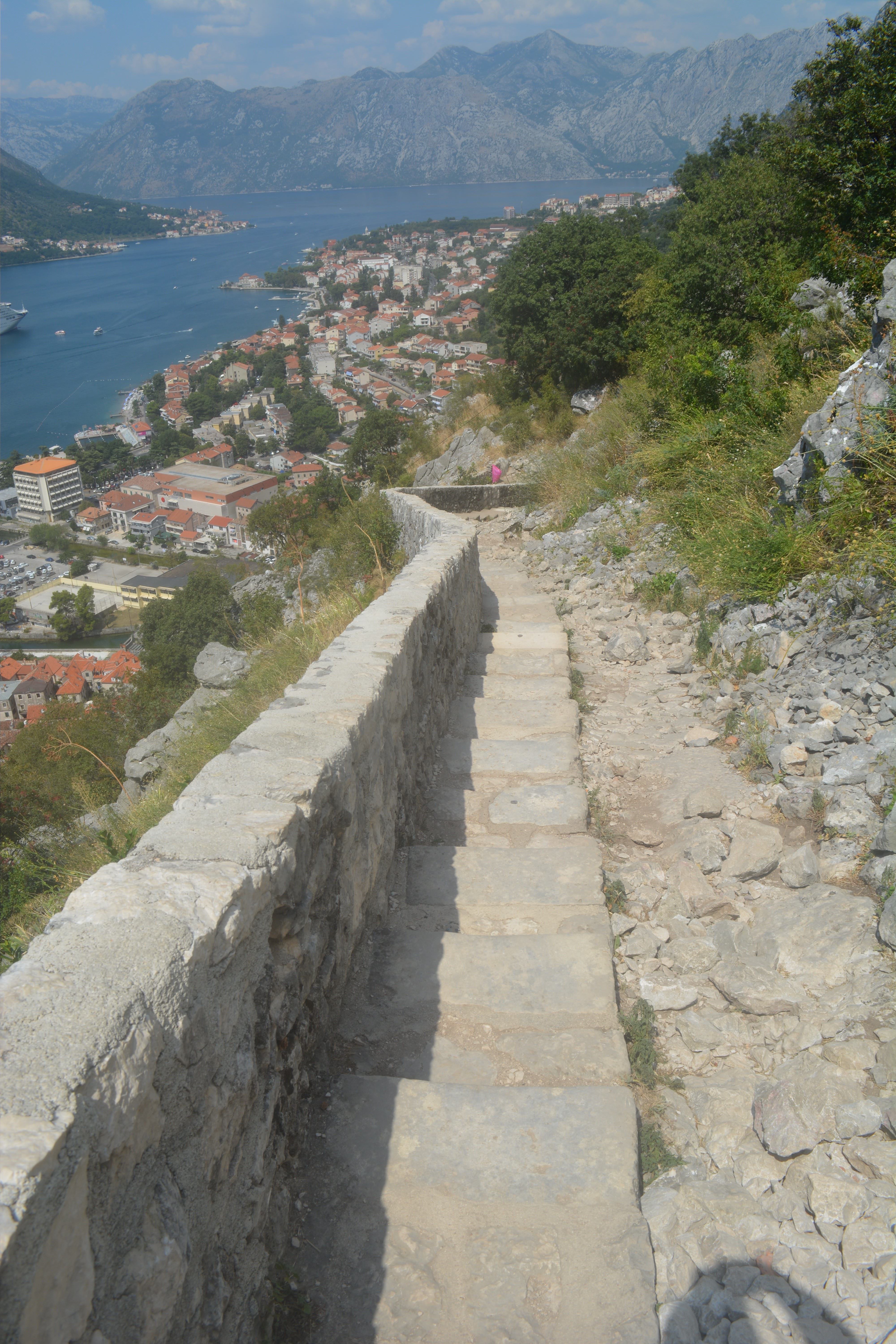
We climbed the 1,350 steps to St. John’s Fortress, winding past the church of Our Lady of Remedy, its bell tower peeking over the old town. The sun was relentless, the steps uneven, and every pause was an excuse to “admire the view” (code for “catch our breath”). But when we reached the top — sweaty, exhilarated, and mildly sunburned — the view made everything worth it. The Bay of Kotor spread below us like a painting: mountains cradling the blue-green water, dotted with red rooftops and cruise ships gliding silently through.
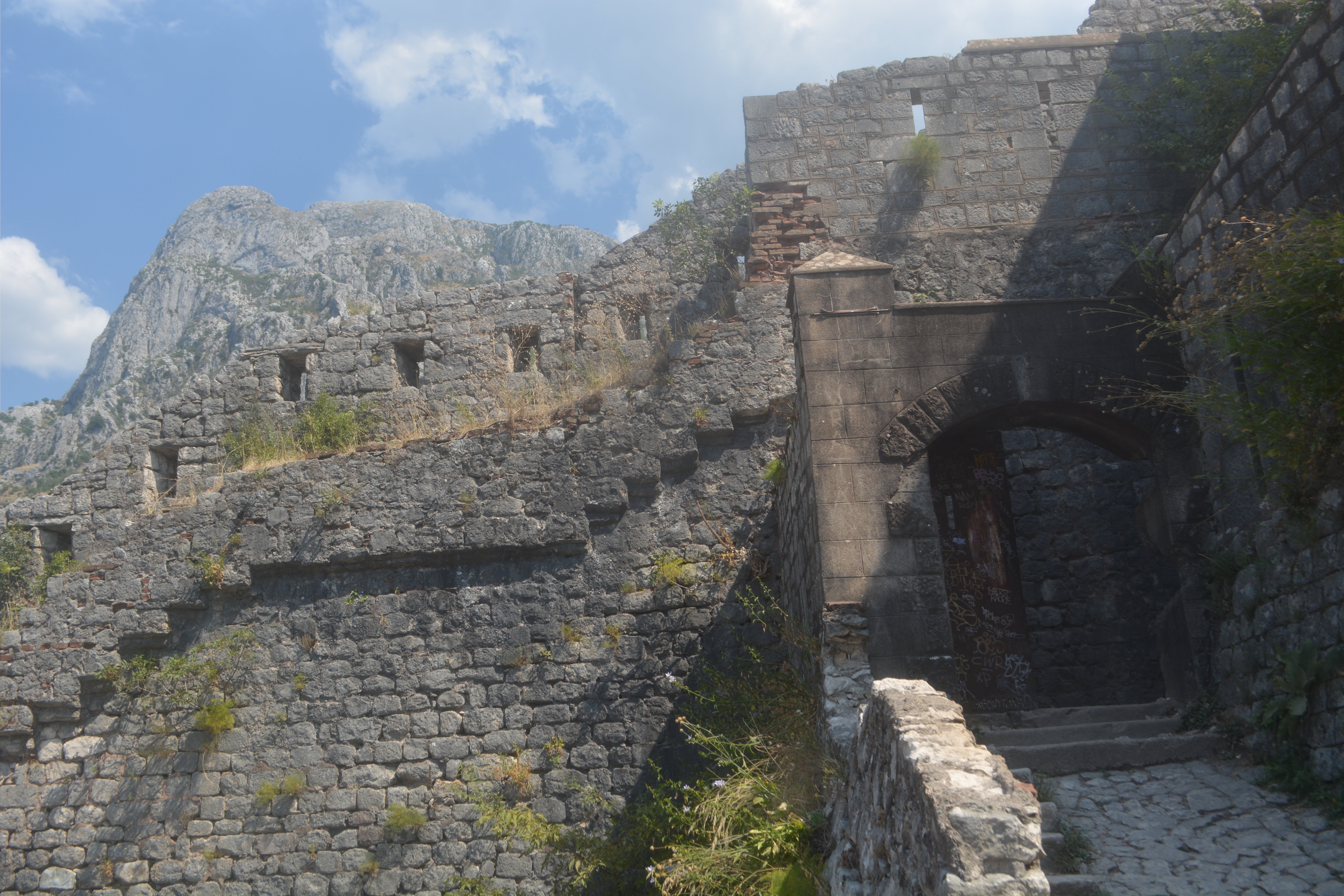
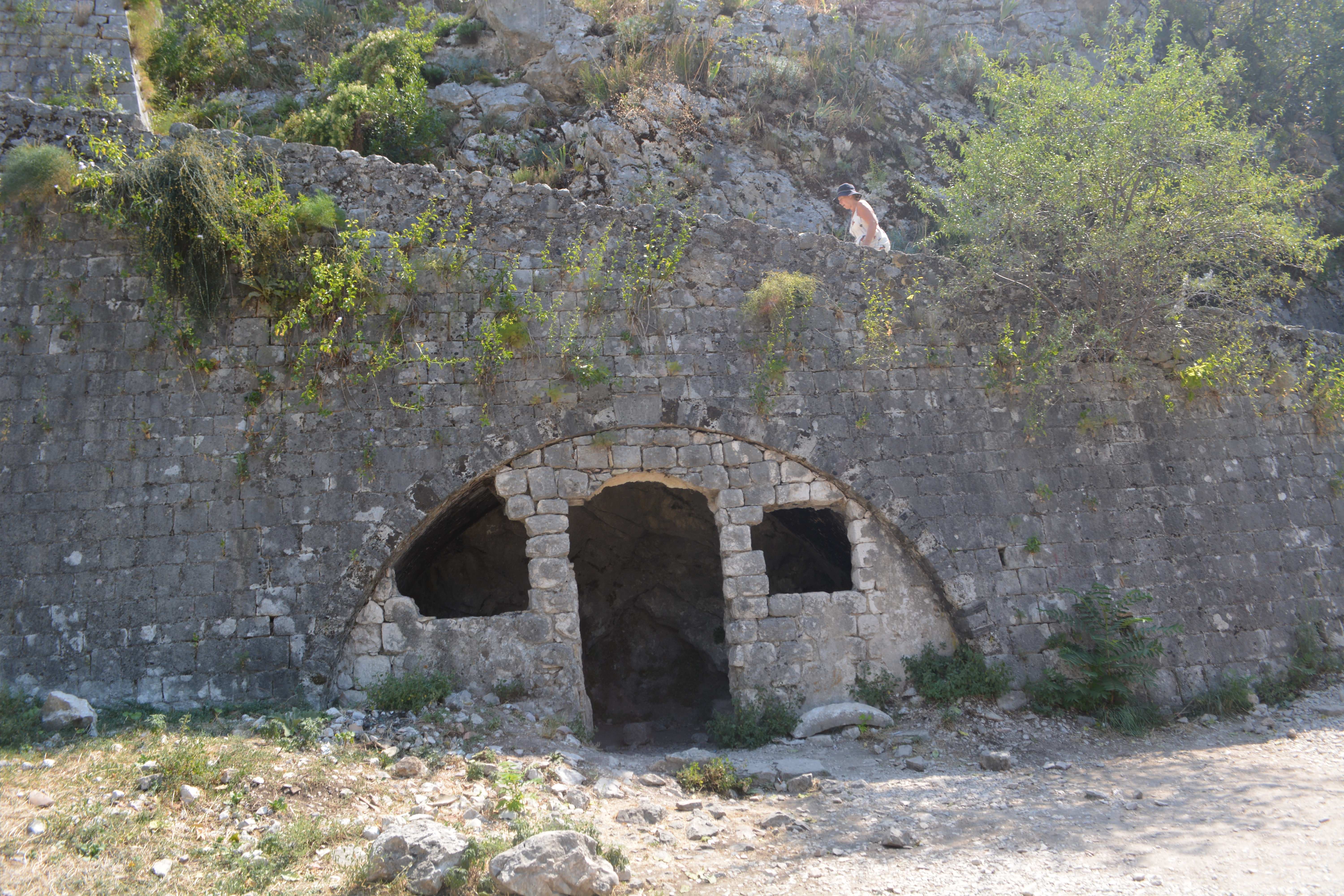
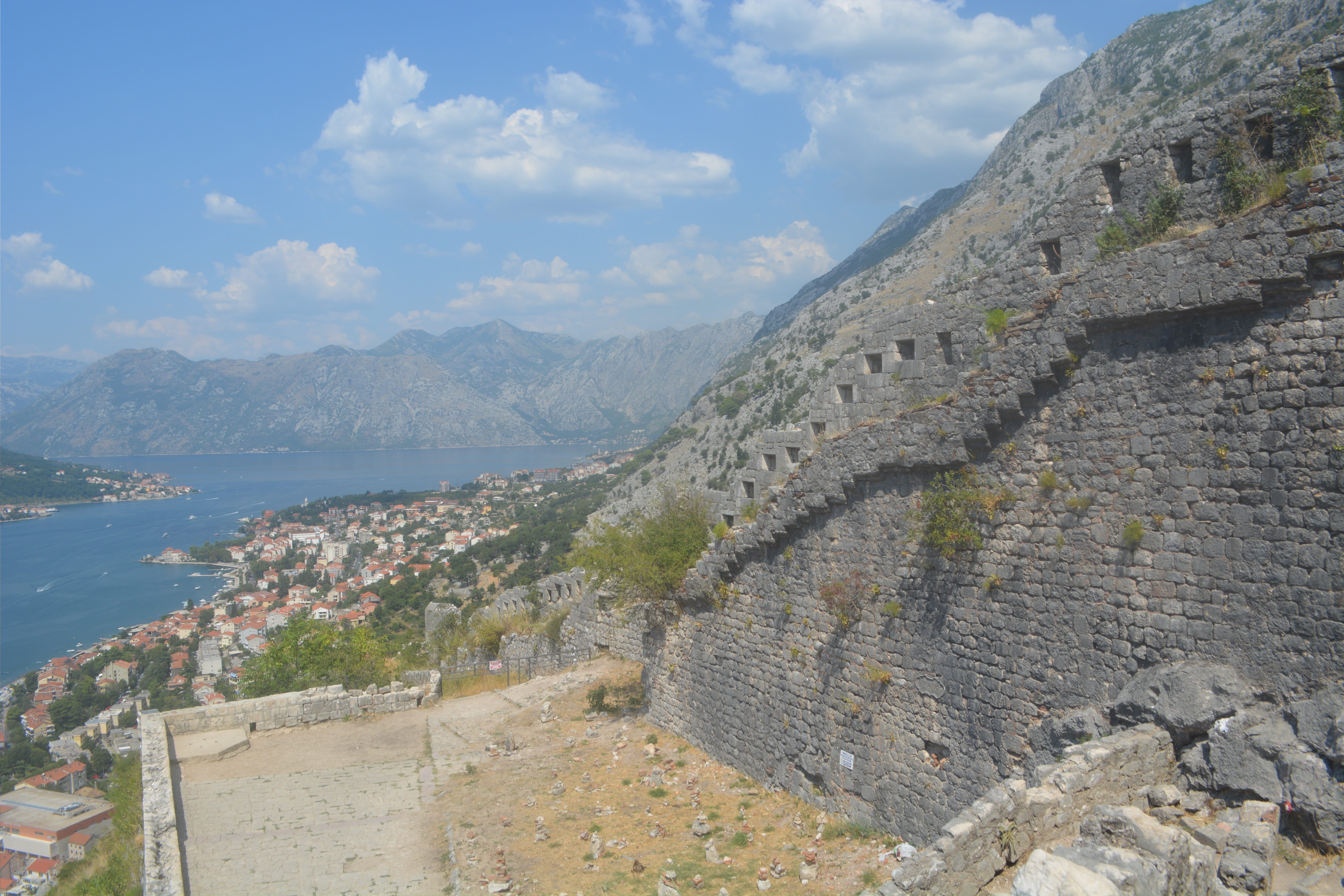
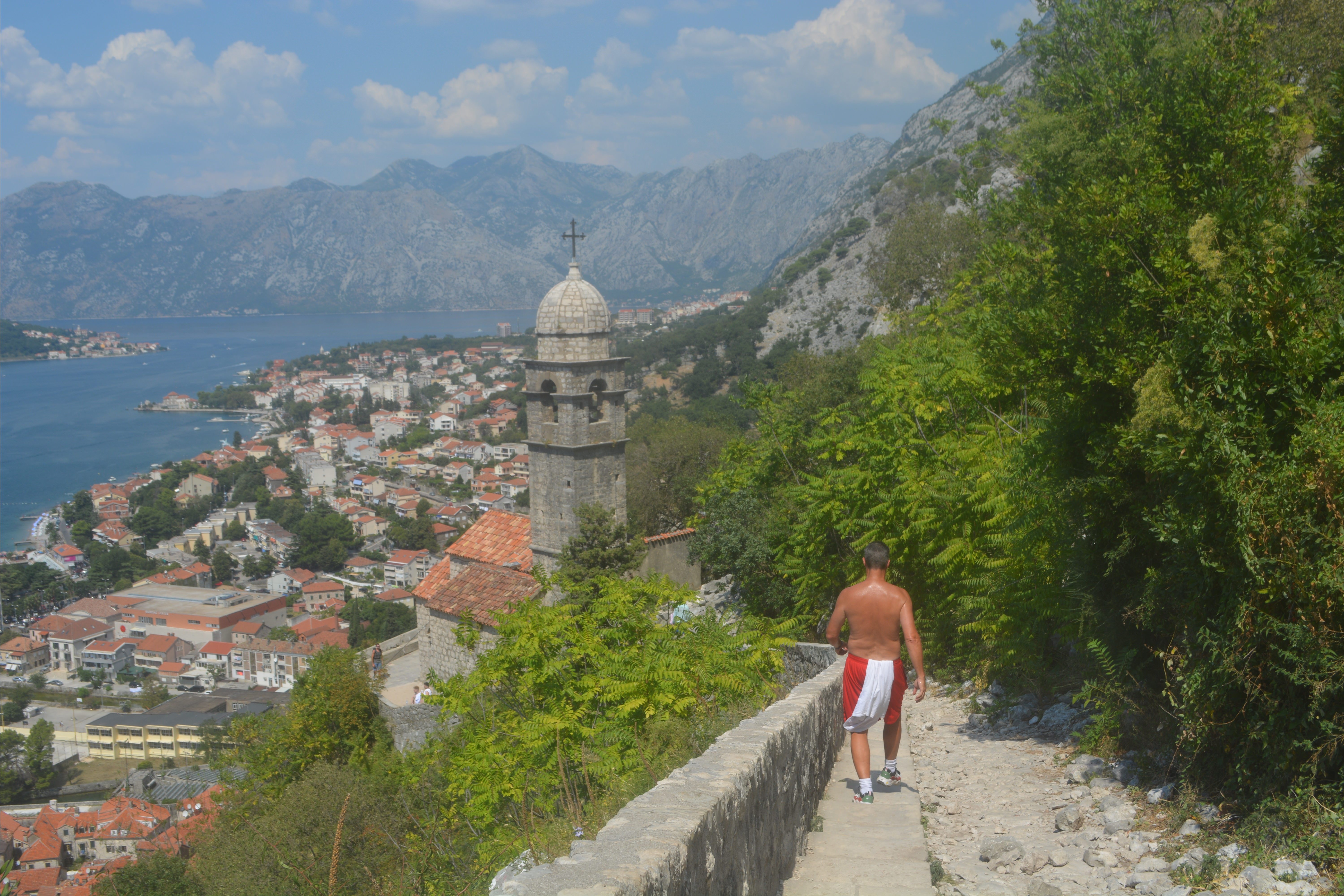
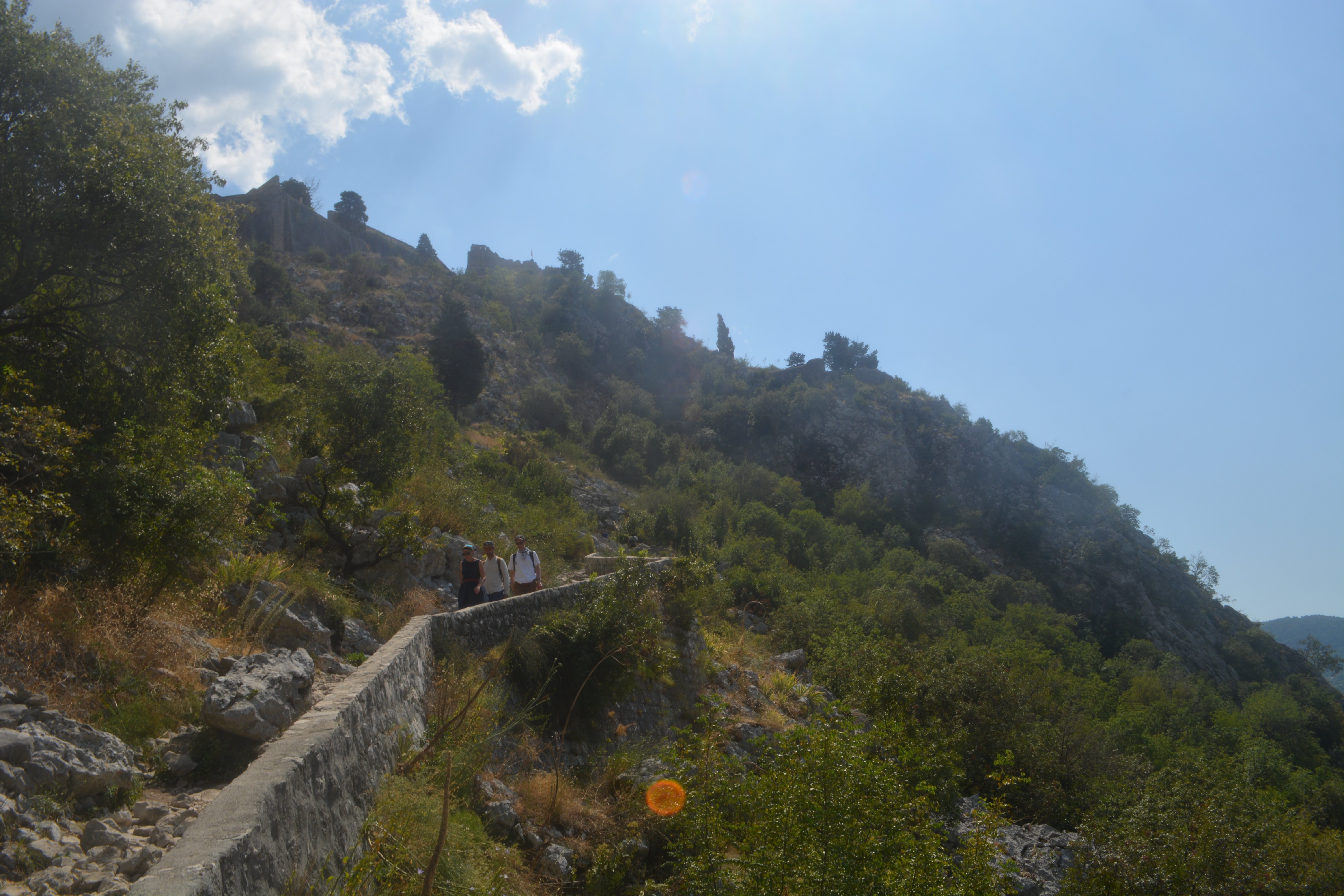
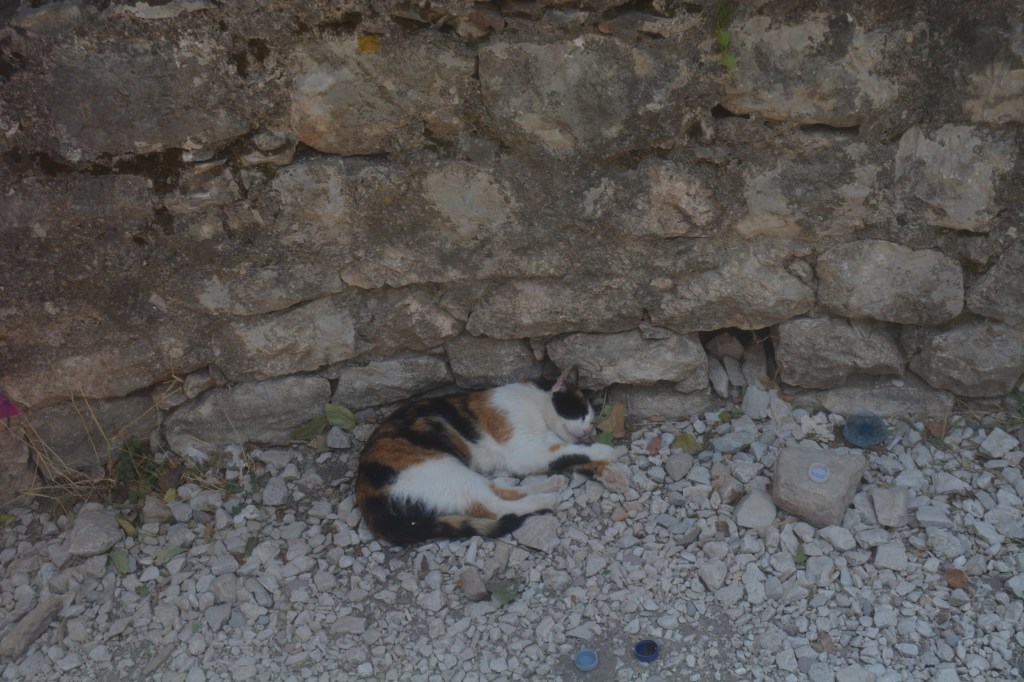
Halfway down, a calico cat napped in the shade against a stone wall — clearly the only one who had figured out the right way to experience Kotor’s fortress.
Our post-hike reward? A local favorite: Kotor Cream Cake (torta od oraha i voća). Layers of walnut sponge, custard, fruit, and whipped cream — the kind of dessert that makes you forget how hot and tired you are.

Budva: Oysters, Octopus & Beachfront Buzz
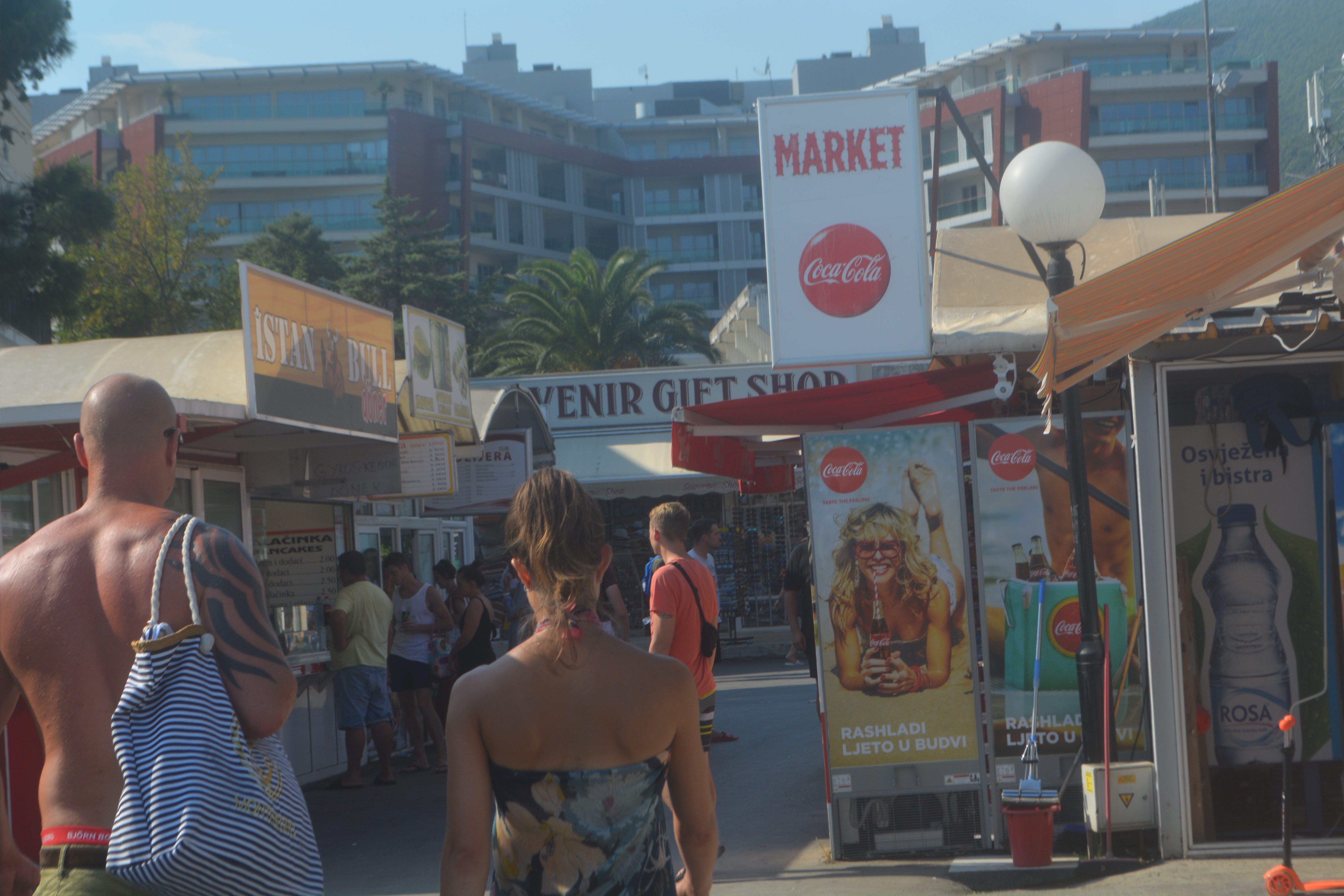
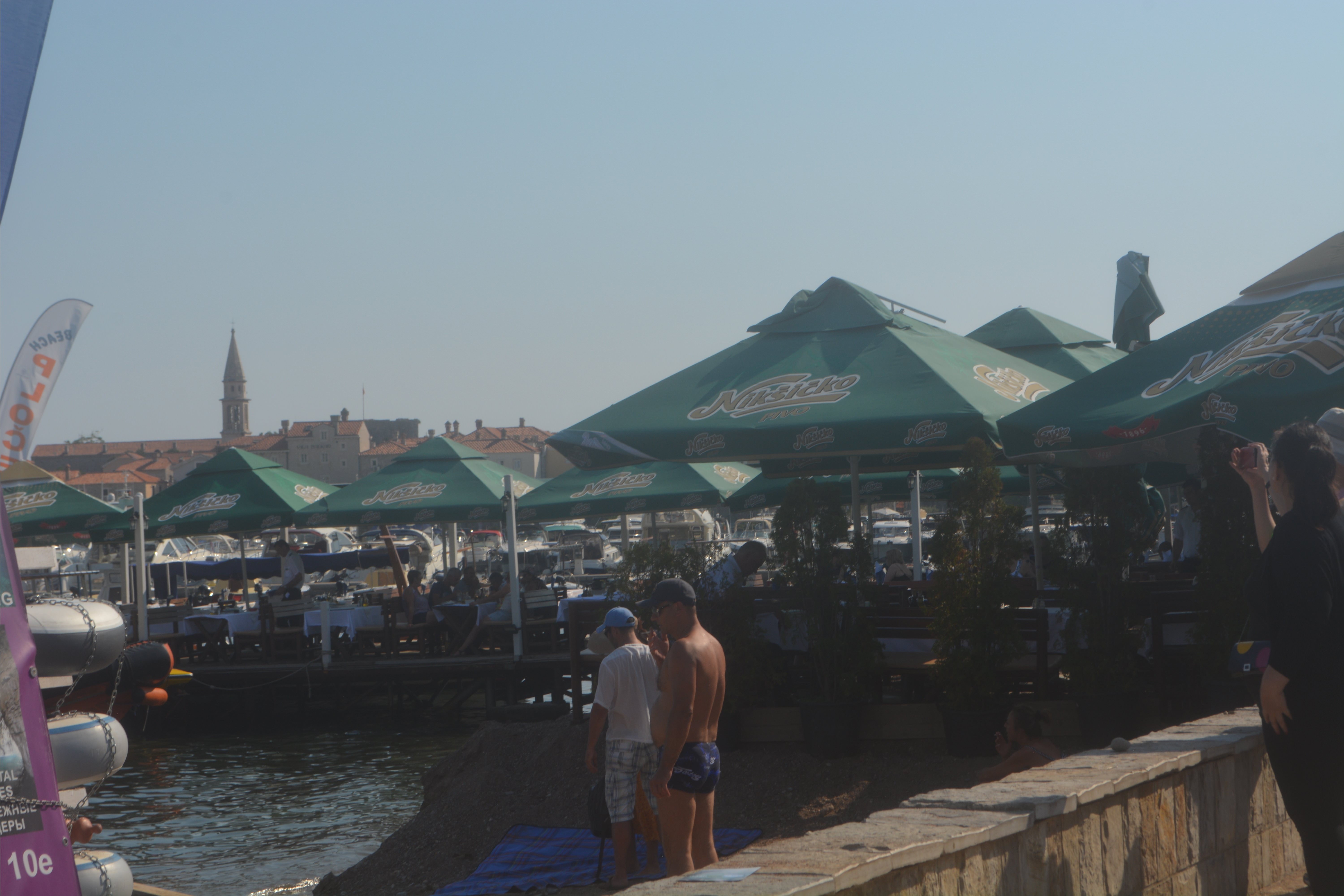
From Kotor, we continued down the coast to Budva, Montenegro’s splash of Riviera glamour. The air smelled of salt, sunscreen, and grilled seafood. Beach clubs lined the shore, pop music drifted from every direction, and bronzed tourists strolled between souvenir stands and floating restaurants.
We found a shady spot overlooking the marina with a view of Sveti Nikola Island (locals call it “Montenegro’s Hawaii”). First came a platter of fresh oysters, briny and perfect with just a squeeze of lemon. I could have eaten a dozen — and I might have.
Then came grilled octopus with blitva, tender and smoky, served over garlicky Swiss chard and potatoes. Each bite tasted like the Adriatic — clean, bright, and kissed by fire. My husband and I exchanged that quiet look couples give each other when they know they’ve found a meal worth remembering.
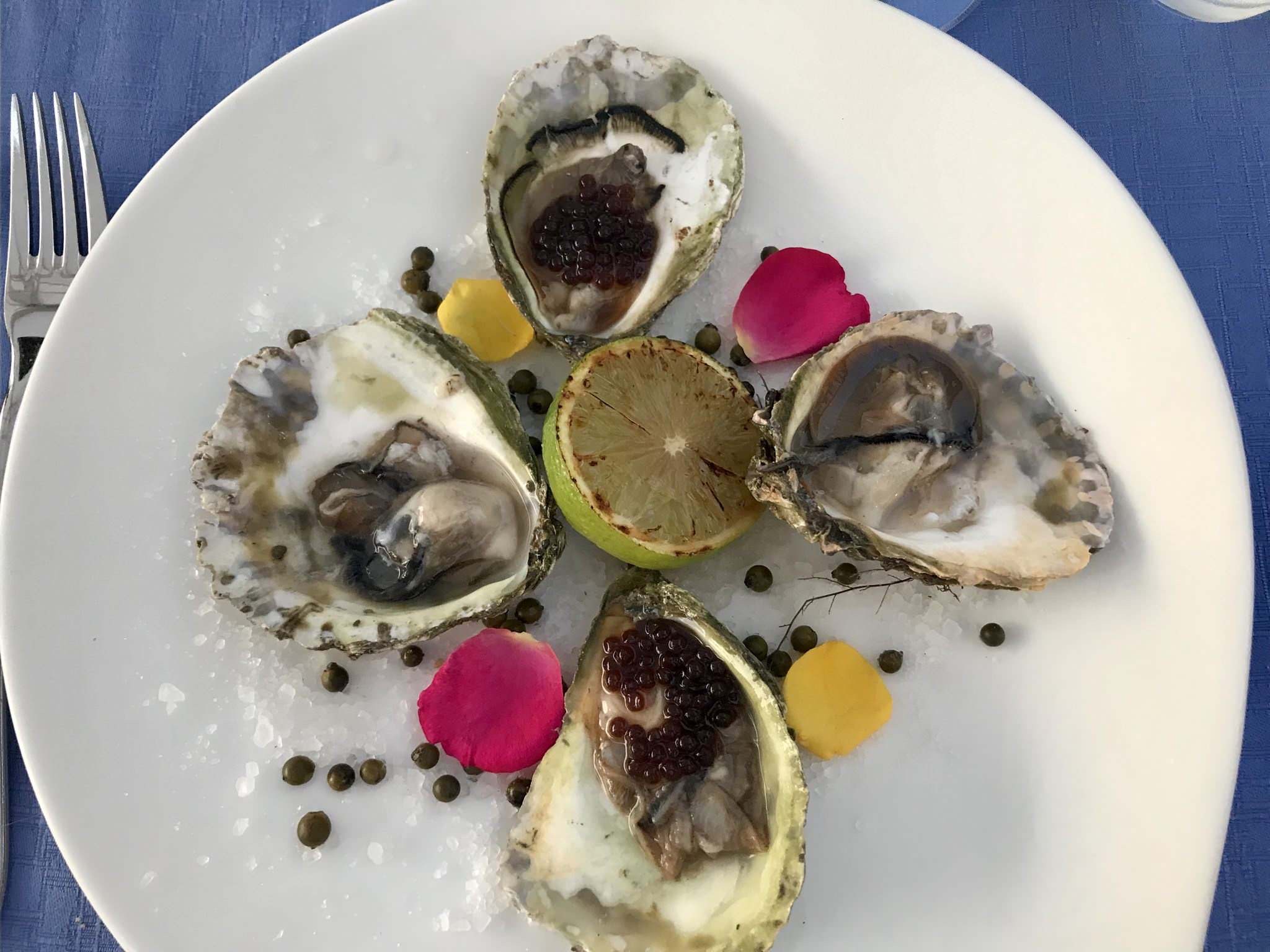
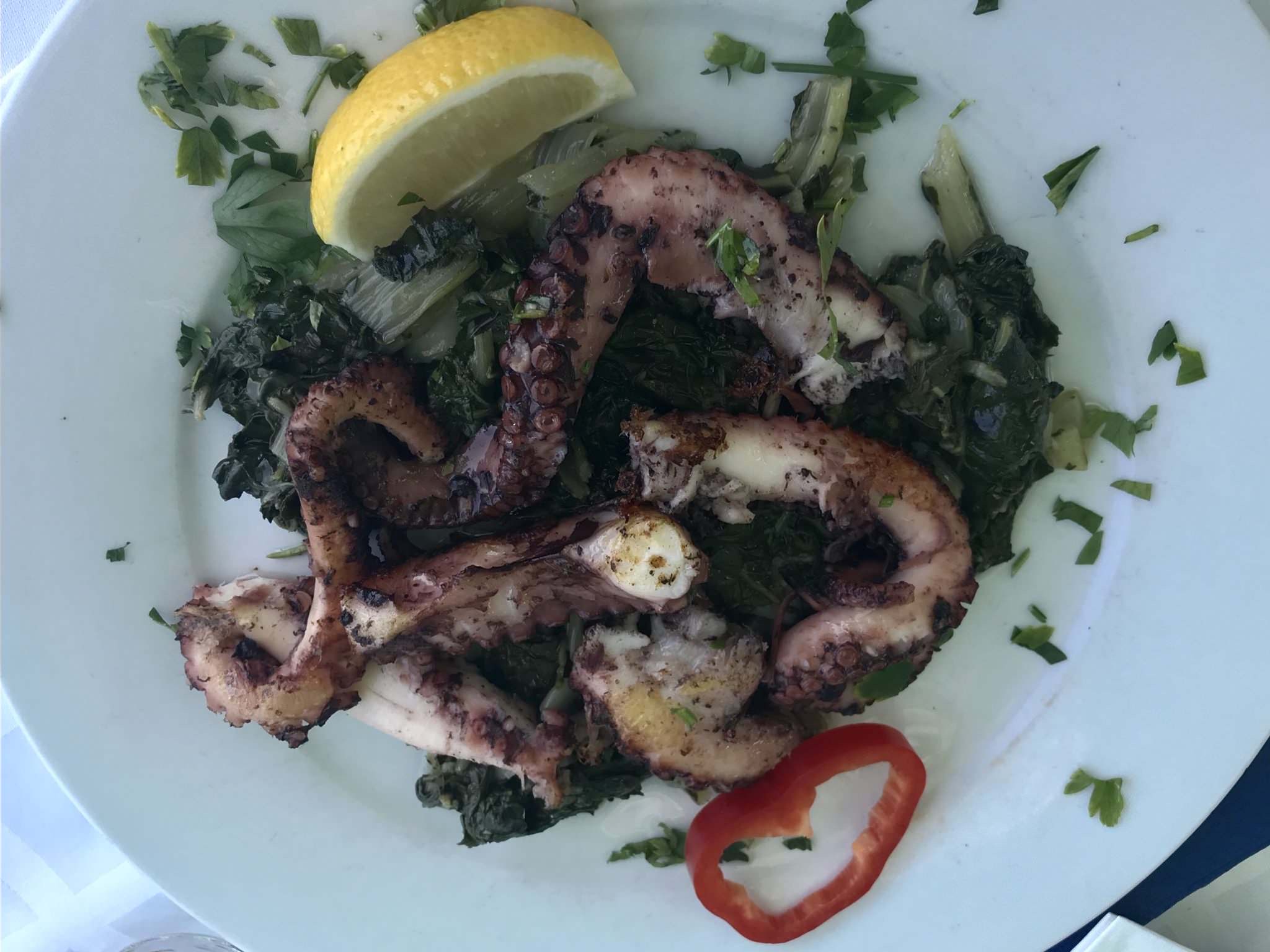
After lunch, we wandered Budva’s lively promenade — souvenir stalls, beach bars, Coca-Cola umbrellas, and sunburnt tourists all swirling together in the heat of the afternoon. It was loud, imperfect, and completely alive.
The Kamenari Ferry

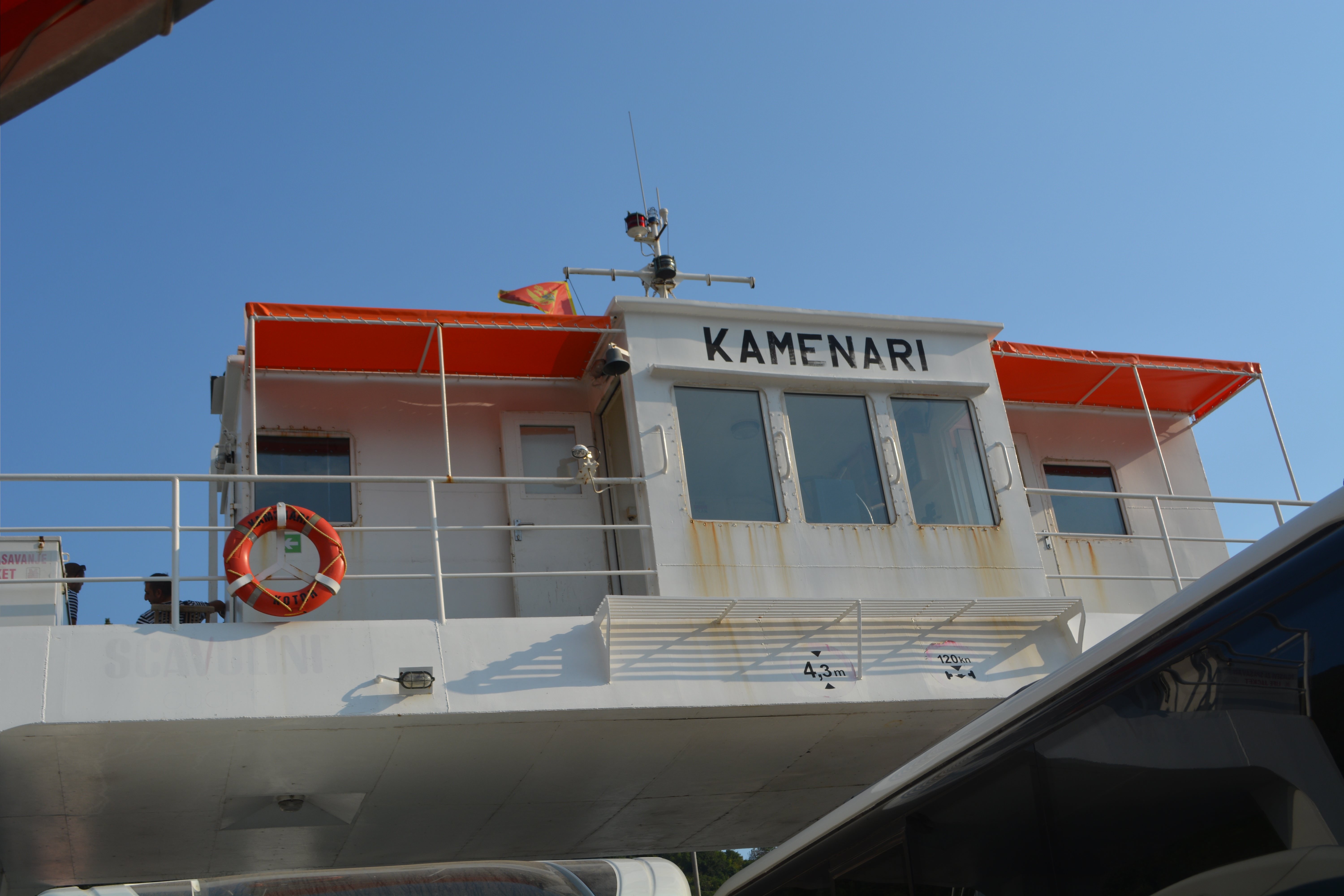
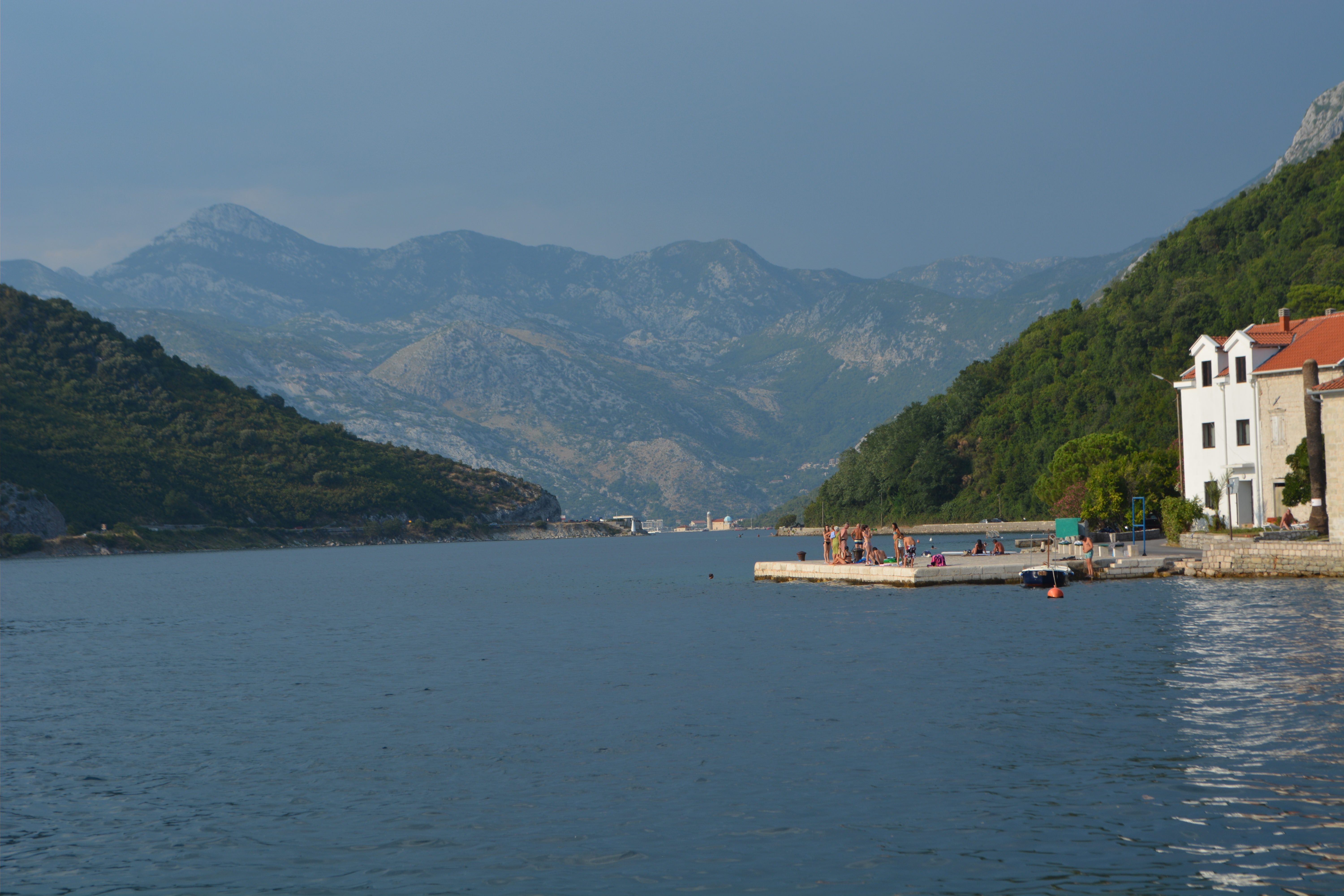
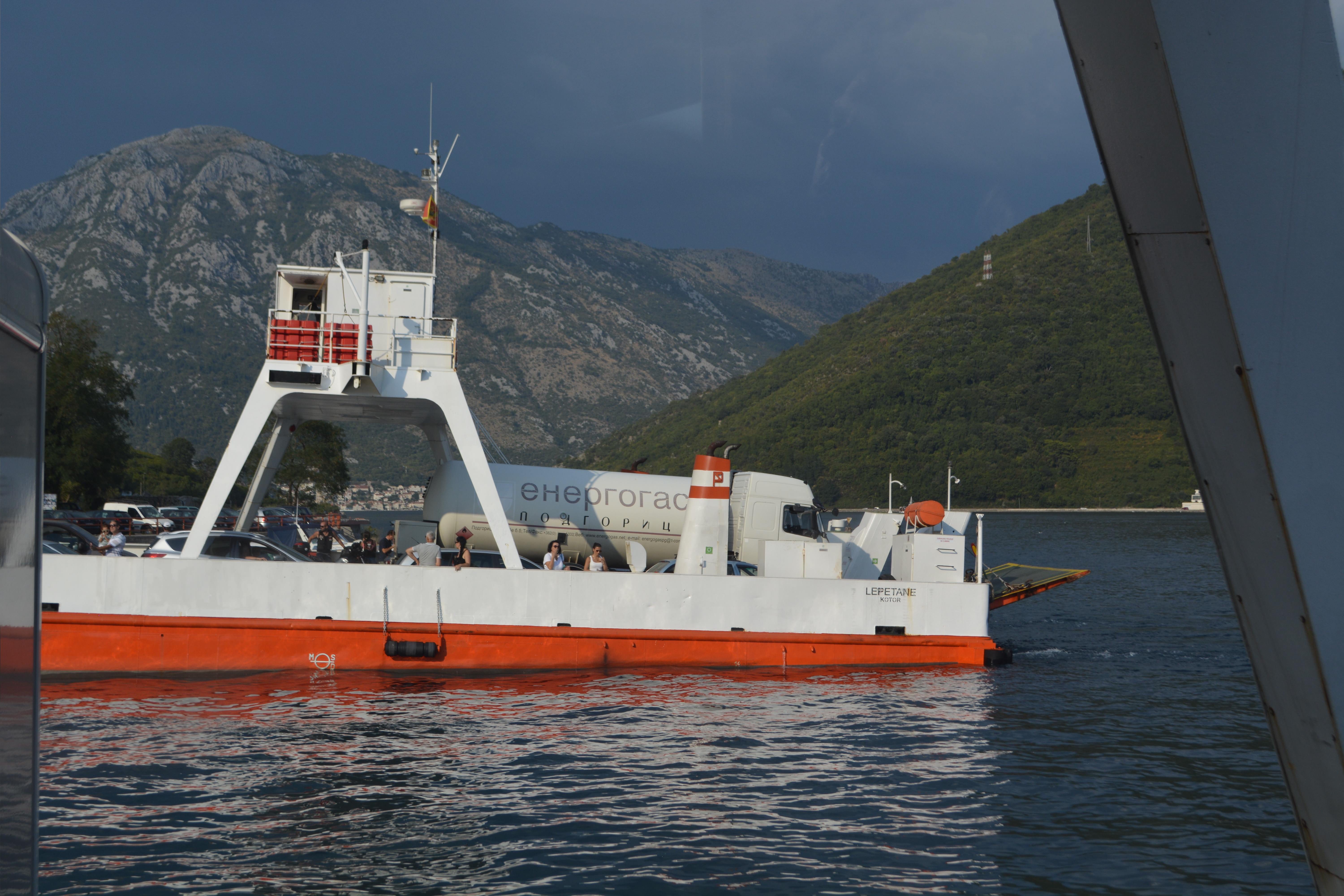
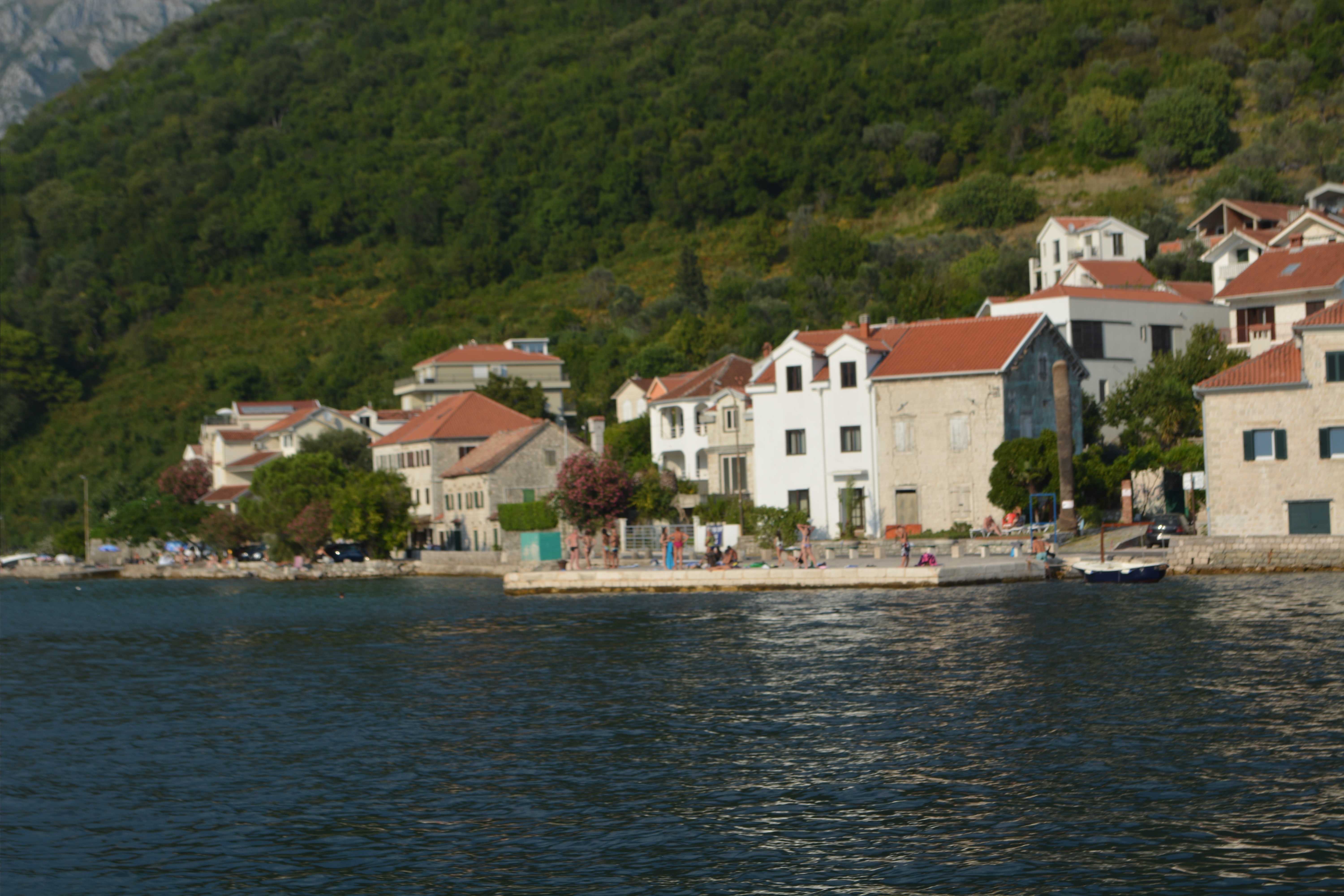
To save time on the drive back, our tour bus boarded the Kamenari–Lepetane ferry, a broad, orange-and-white boat that carries cars, buses, and passengers across the narrowest part of the bay. From the deck, we watched as the mountains rose around us and the water reflected the soft light of late afternoon. Villages dotted the hillsides, red-roofed and peaceful, smoke curling from a few chimneys as the day began to fade.
The crossing lasted barely ten minutes, but it was one of those perfect travel pauses — no talking, just everyone gazing out at Montenegro in silence.
Back Toward Croatia
After the ferry, the road wound north along the coast until we reached the border. That’s where things got interesting.
Two enormous buses from Albania pulled up beside us, engines rumbling. Our driver muttered something that sounded like, “This could take a while.” Moments later, customs officers boarded their buses — papers were checked, compartments opened, and soon passengers spilled out for inspection. Men in tracksuits and gold chains leaned against the guardrail, lighting cigarettes and chatting casually while officials moved through the aisles.
It felt like watching a scene from an action movie, minus the soundtrack. My imagination immediately jumped to every spy film ever made — too many late-night Netflix binges.
When the officers finally reached our bus, they scanned our passports, exchanged a nod, and waved us through. No searches, no questions, just a quiet “go ahead.”
As our bus rolled back into Croatia, the sun sank behind the mountains and the Adriatic shimmered below. Montenegro slipped from view, but not from memory.
⸻
If You Want to Stay in Montenegro
If I were to return, I’d spend two to three nights here — enough time to slow down and savor each stop without the rush of a day tour.
• Kotor makes the perfect base for first-timers — historic, walkable, and full of charm. Stay just outside the walls for a little more quiet.
• Perast is for peace and beauty — morning swims, candlelit dinners, and silence broken only by church bells.
• Budva is for beach energy — lively, fun, and great food with a view. Perfect if you want to mix relaxation with nightlife.
• Tivat and Herceg Novi are smaller and more local, great for those who want fewer crowds and more authenticity. (They are on my list for another visit.)
Three days lets you wander, dine, climb, and still catch your breath — with a little time left for spontaneous detours.
⸻
Tips for Visiting Montenegro
• Bring cash — many small cafés and shops don’t take cards.
• Carry your passport — you’ll need it at border crossings.
• Start hikes early — the fortress climb in Kotor is best before 9 a.m.
• Eat the seafood — oysters, octopus, and grilled fish are exceptional.
• Take the ferry — the Kamenari route saves nearly an hour’s drive and gives you gorgeous bay views.
• Use euros (€) — Montenegro isn’t in the EU, but it uses the euro.
• Driving — expect narrow, winding roads; take your time.
• Best time to visit — May through September for warm weather and full ferry schedules; shoulder seasons are quieter but still stunning.
⸻
Montenegro may be small, but it leaves a big imprint — a place of mountains that meet the sea, fortresses that test your legs, seafood that spoils you forever, and sunsets that make every border wait worthwhile.
 Click, Wander & Savor