Crete in a Day: Palaces, Cats & Farm-to-Table Feasting
Our stop in Heraklion, Crete was just one day — but what a day it was. With a group of family and friends, we set out determined to see as much as possible, eat like locals, and maybe squeeze in a bit of mythology.
Knossos: The Palace of Ancient Legends
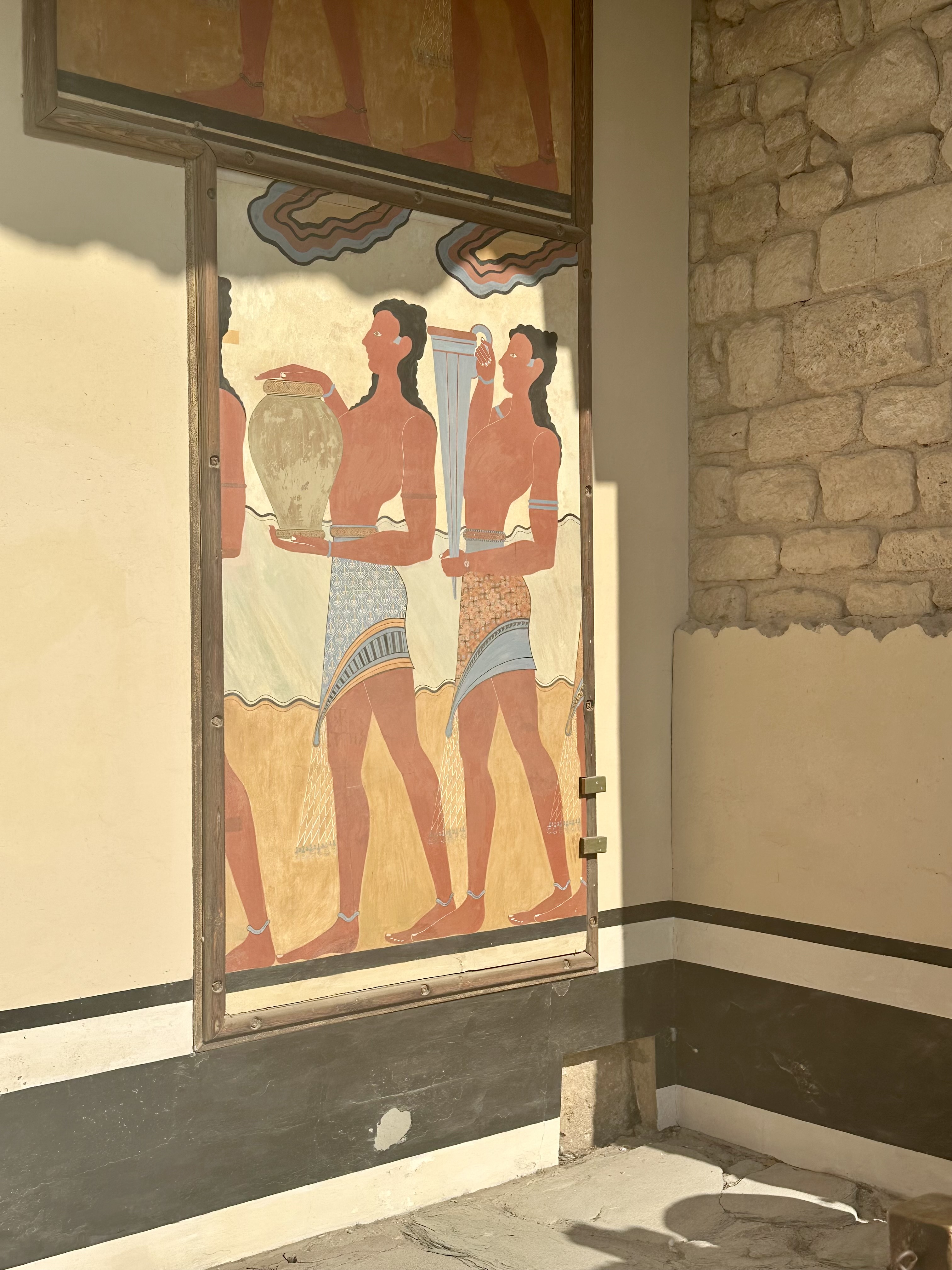

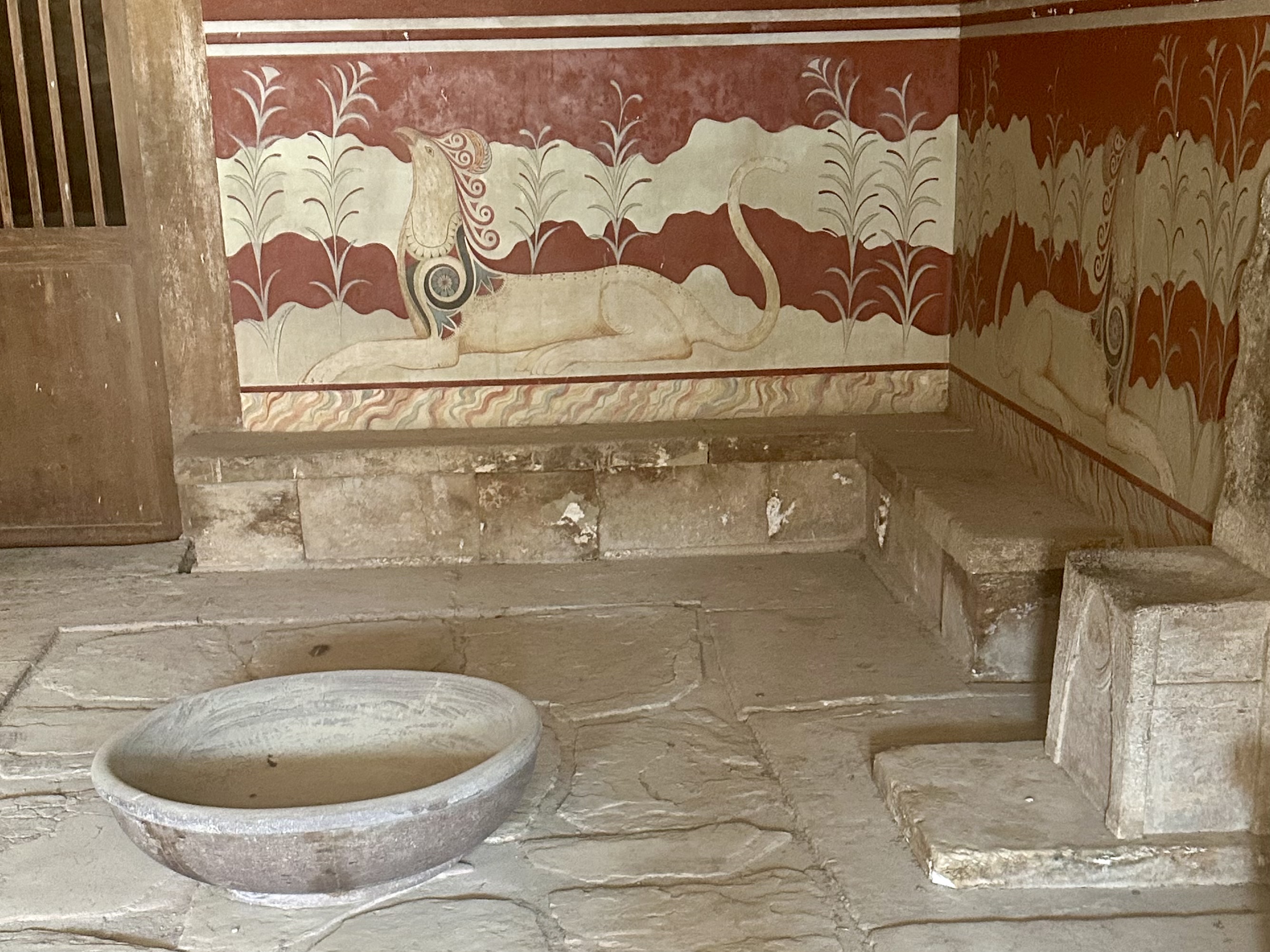
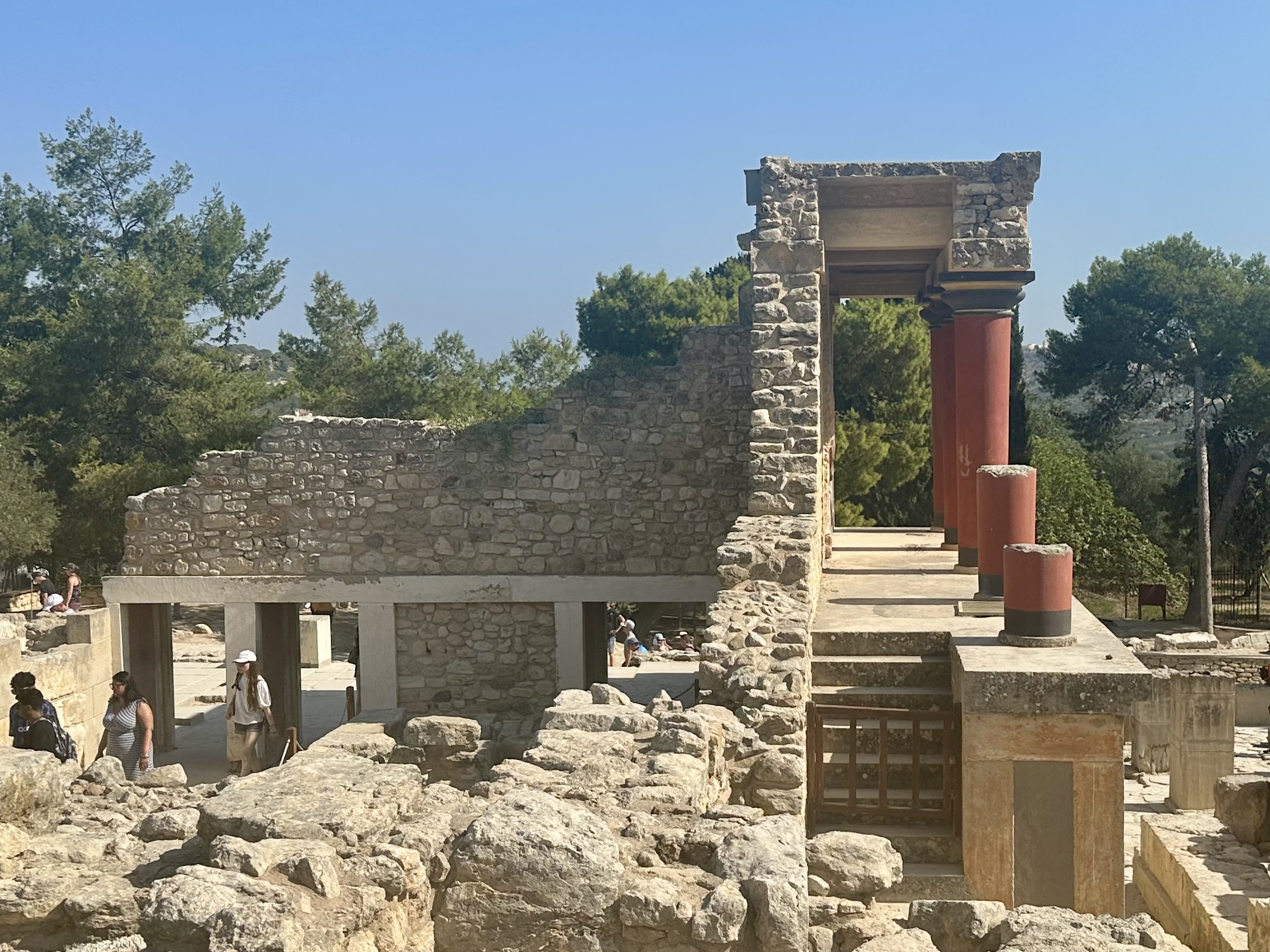
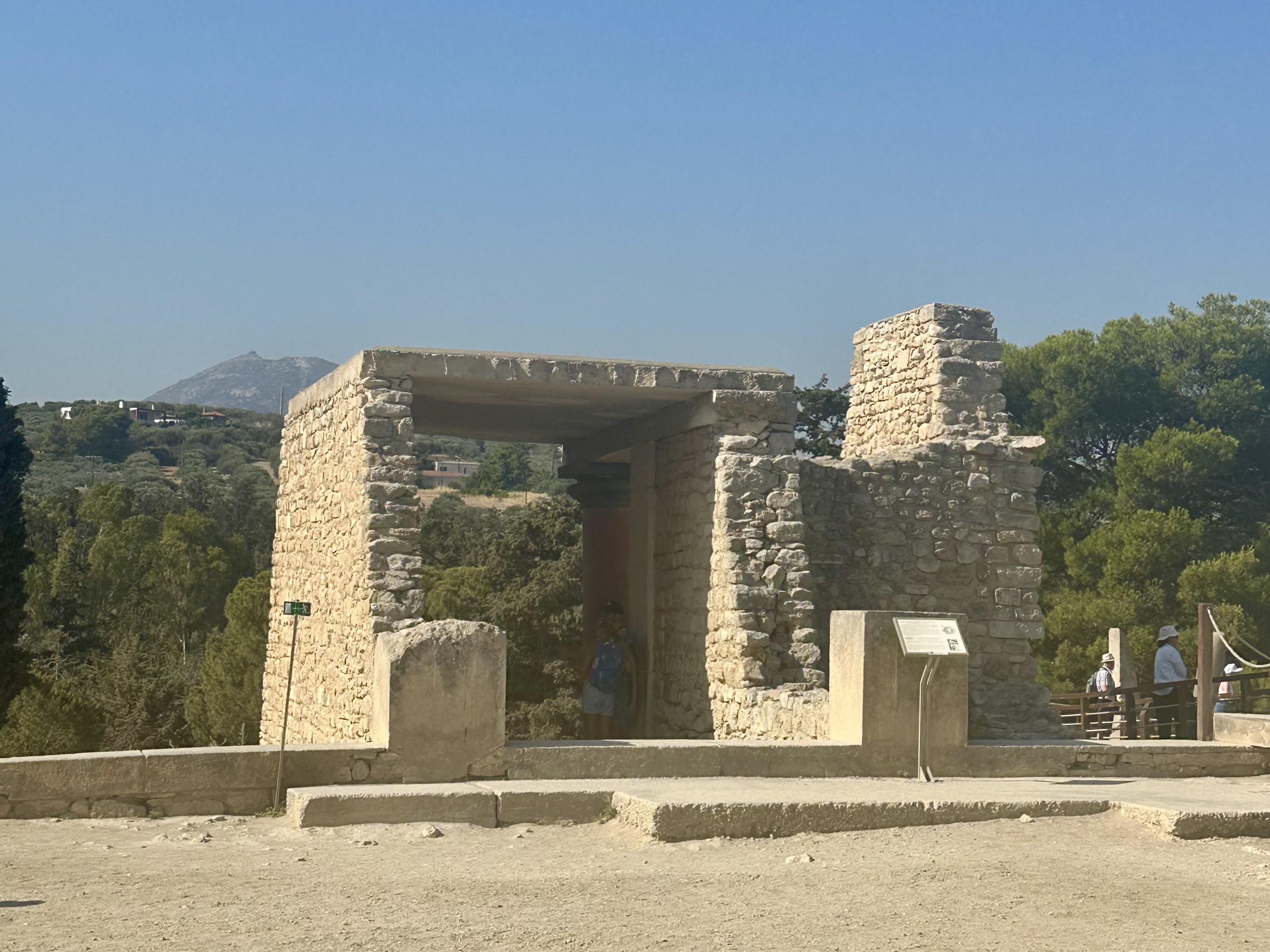
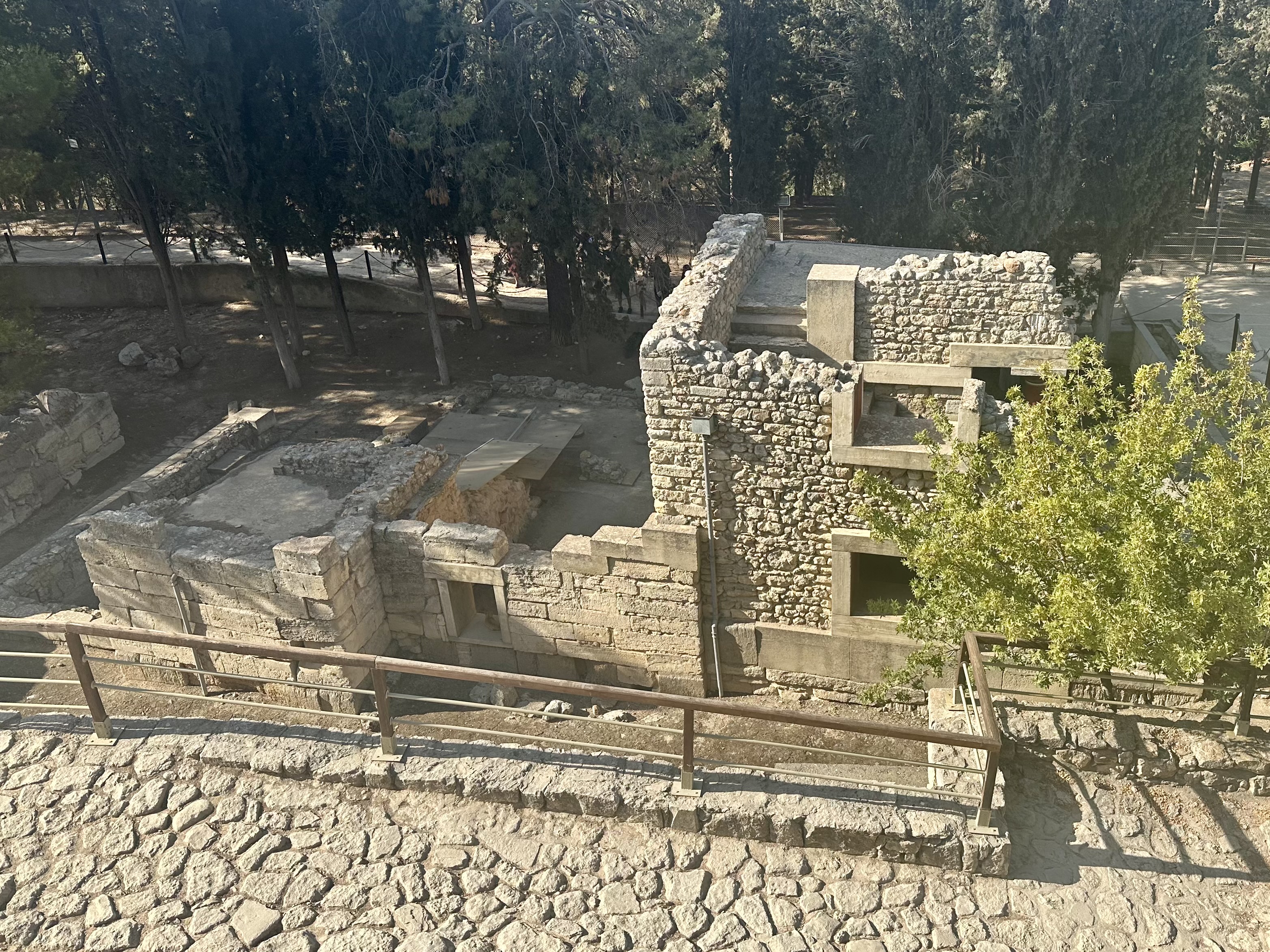
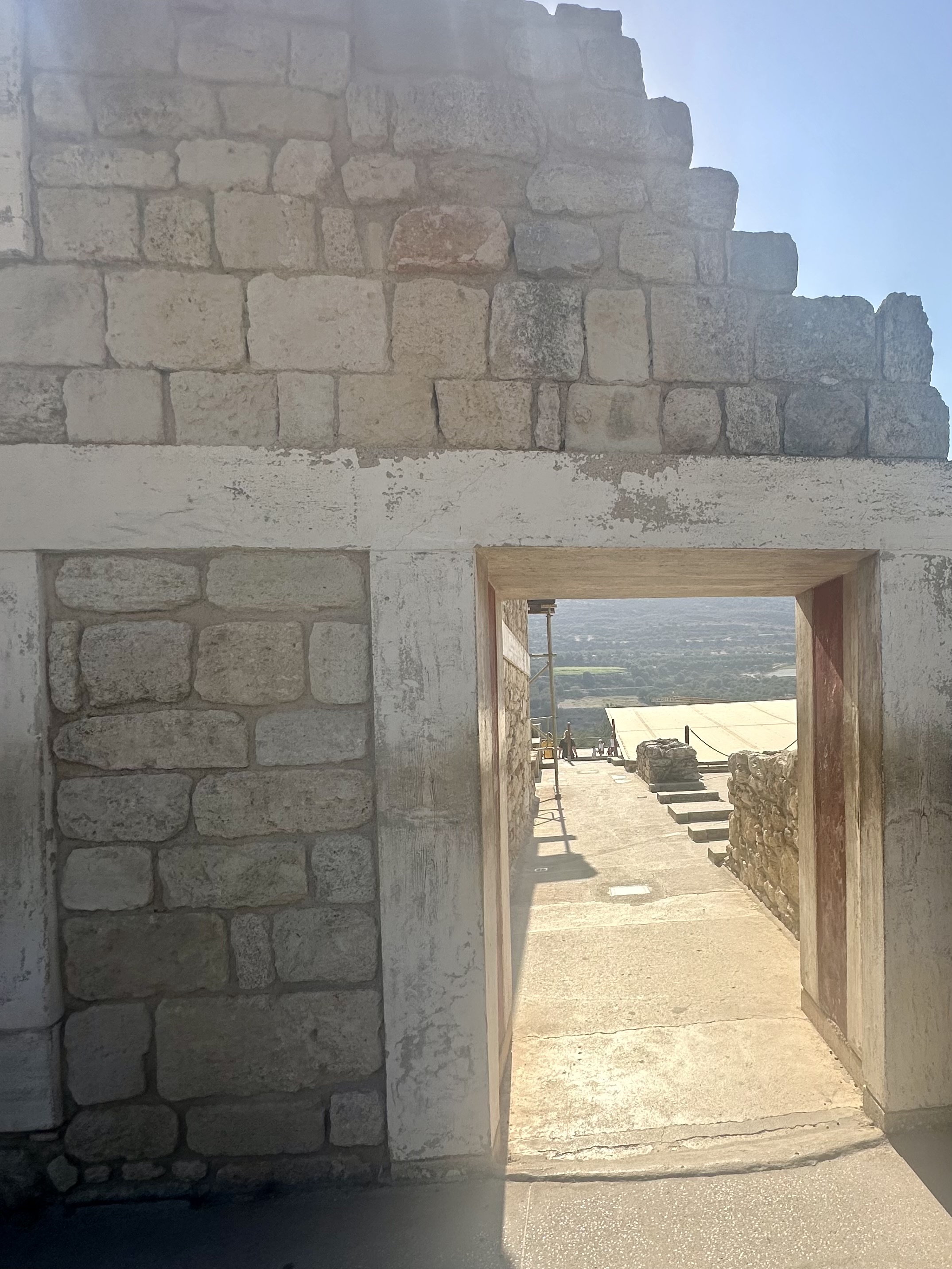
Our first stop was Knossos Palace, the largest Bronze Age archaeological site on Crete and the center of Minoan civilization. The first palace was built around 1900 BC and rebuilt several times after earthquakes and fires until its final decline around 1400 BC.
Knossos wasn’t just a royal residence — it was an entire complex of ceremonial courts, storage rooms, workshops, and ritual spaces. We wandered past massive storage magazines, stepped into the so-called Throne Room (with its griffin frescoes and central stone chair), and climbed stairs where ancient feet once hurried with offerings and grain jars.
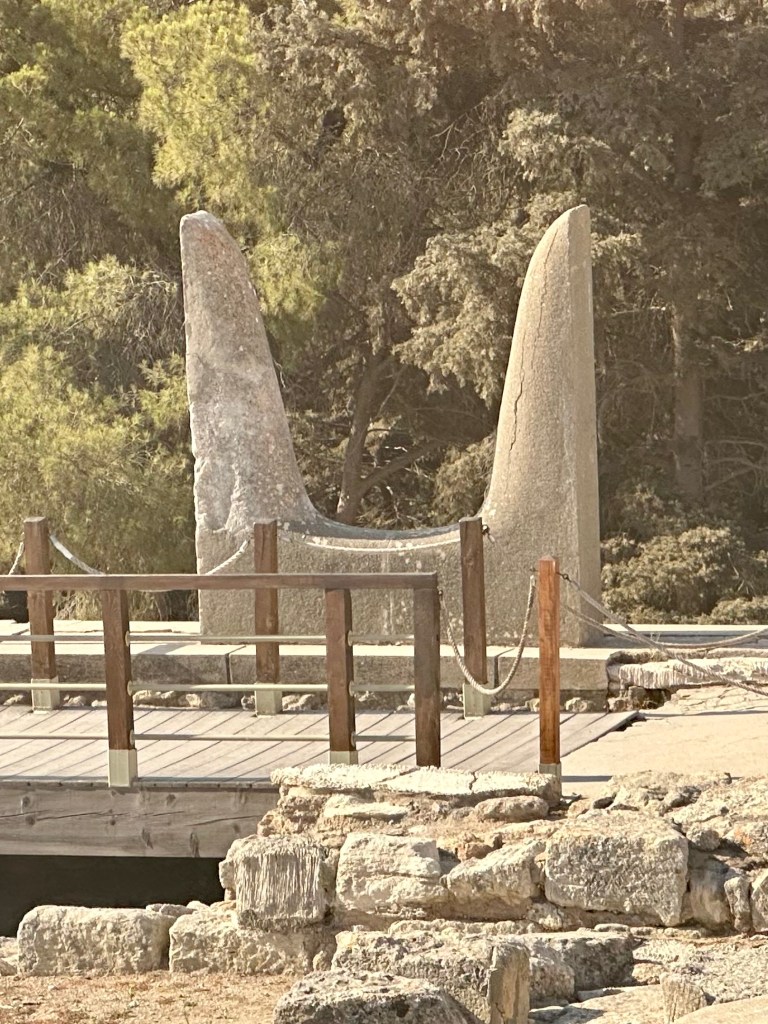
One of my favorite sights was the Horns of Consecration — huge stone bull horns placed atop walls and gates. Archaeologists believe they symbolized sacred power and were tied to the bull worship central to Minoan religion. Standing before them, you can almost hear the pounding hooves of the bulls that inspired such awe.
✦ Myth & Symbolism: The Bull in Minoan Culture ✦
• Bull-Leaping: Minoan frescoes show acrobats vaulting over bulls — a real ritual, not just a myth. It was probably both sport and sacred ceremony, a way to honor the animal and test human courage.
• Poseidon’s Bull: Greek myth says King Minos prayed for a sign from Poseidon and was sent a magnificent white bull from the sea — but he refused to sacrifice it. Angered, Poseidon caused Minos’s wife, Pasiphae, to fall in love with the bull, and from that union came the Minotaur.
• The Labyrinth: To contain the Minotaur, Daedalus built the labyrinth beneath Knossos. When you walk the winding corridors of the palace, it’s easy to see how later Greeks imagined it as a maze.
Arolithos Village: Shade, Snacks with Cats & Shopping
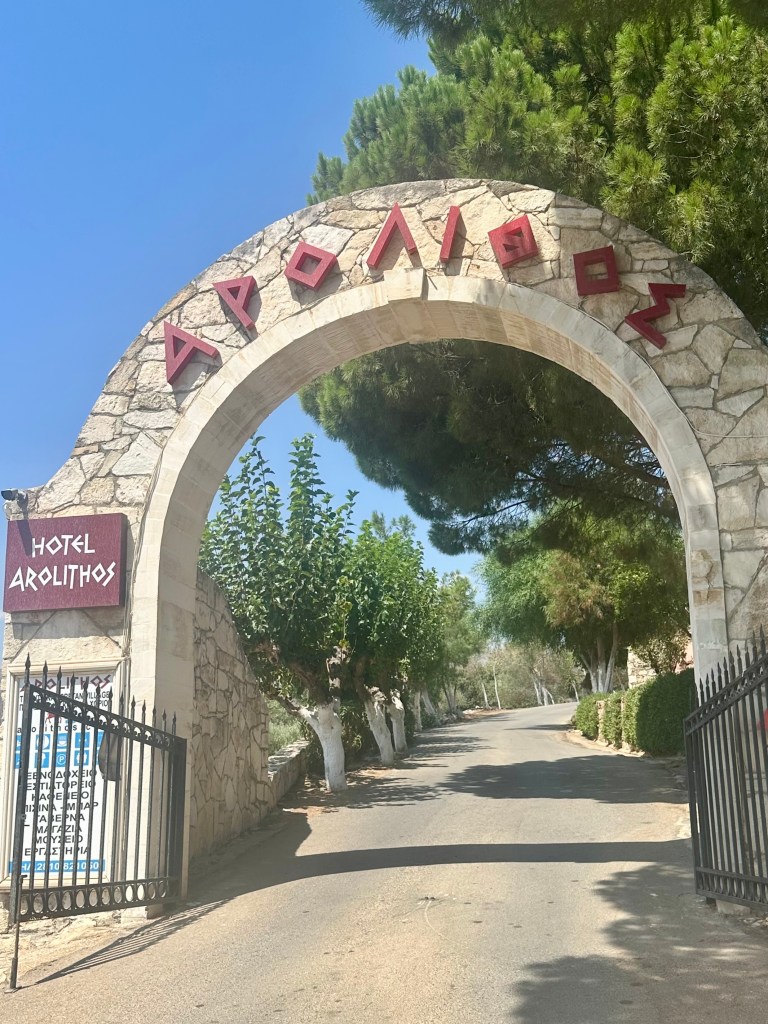
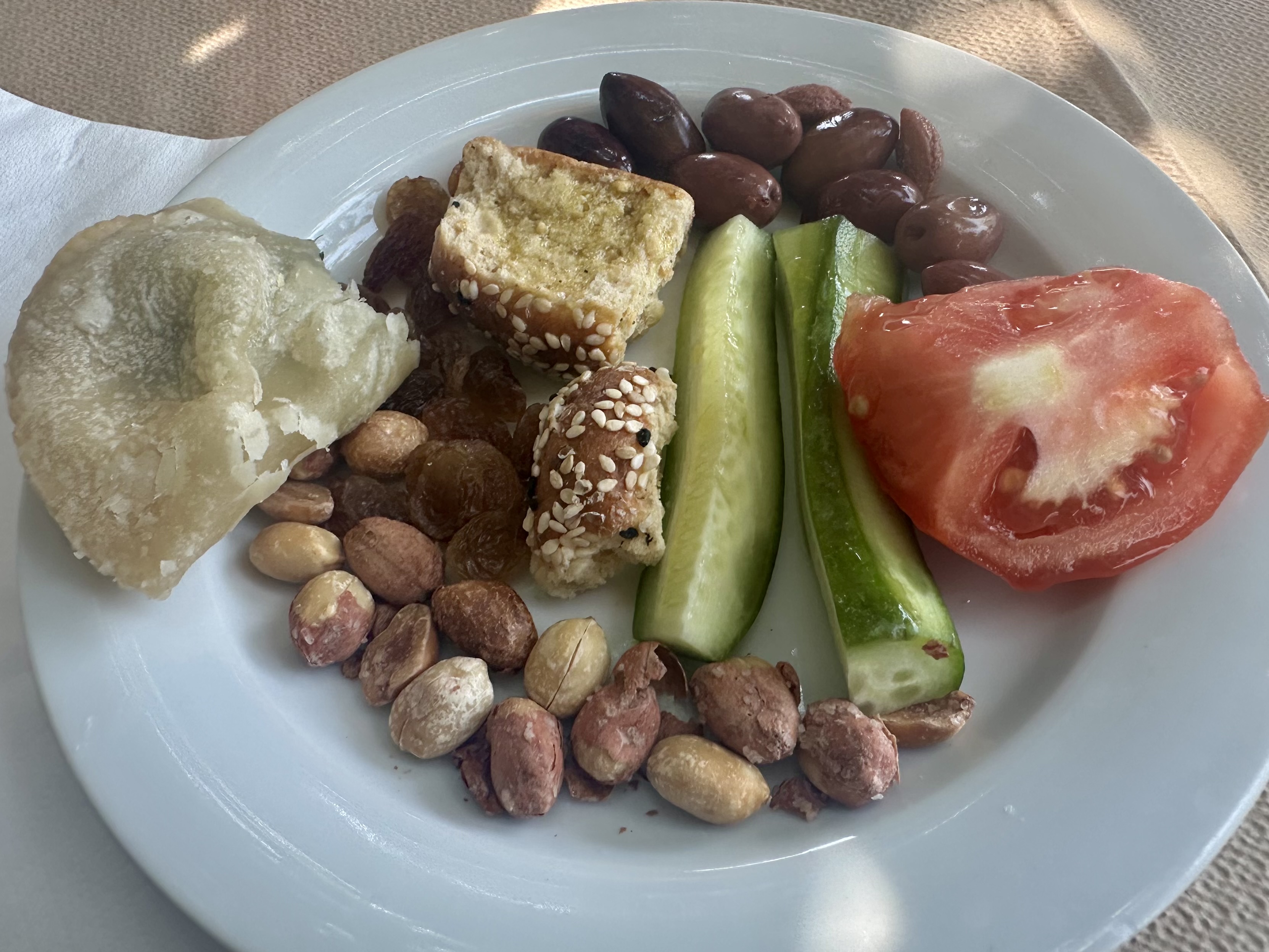
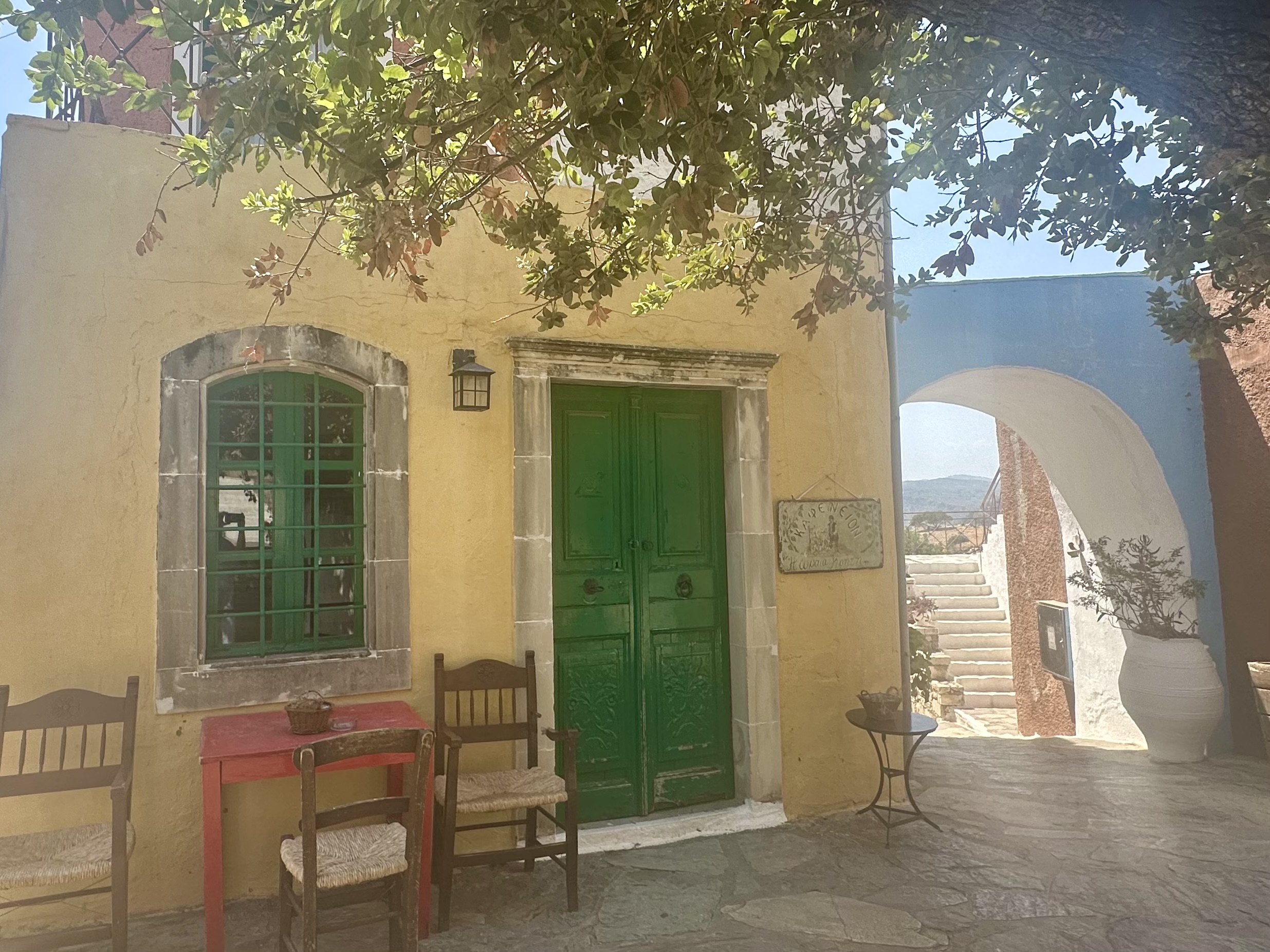
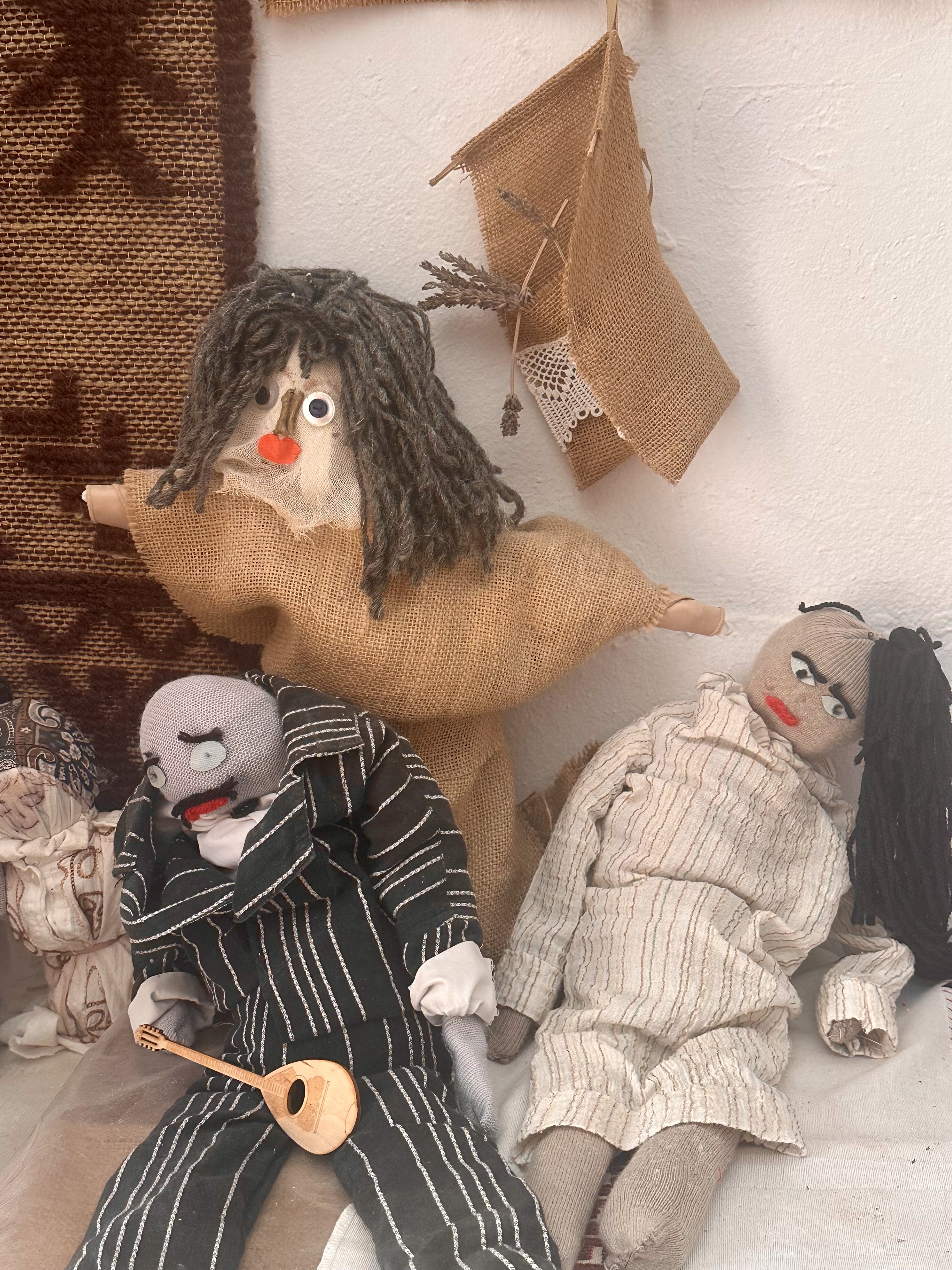
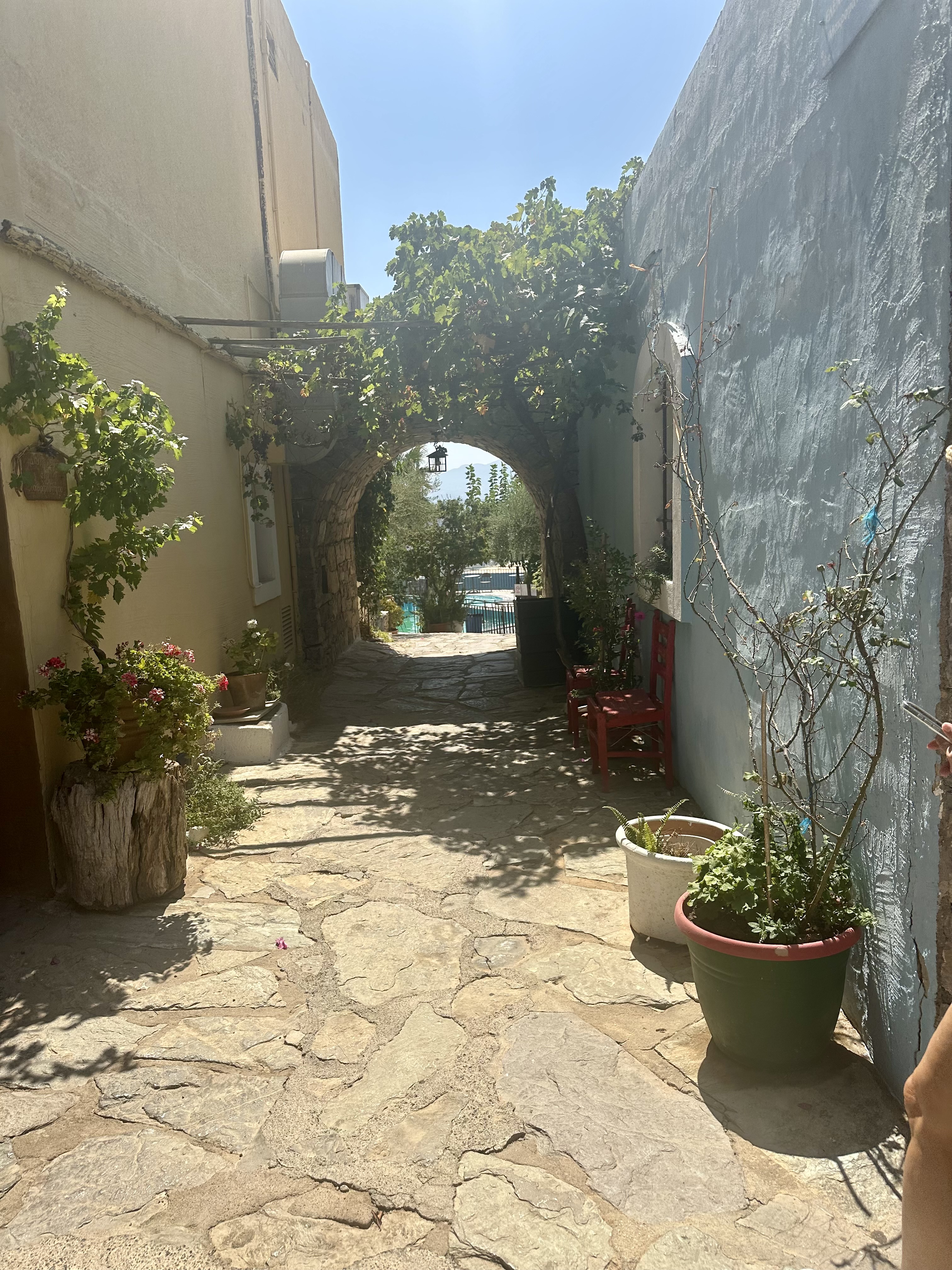
After ancient grandeur, we shifted to village life at Arolithos, a reconstructed traditional Cretan settlement. We sat under the shade of trees, enjoying snacks and drinks while a few friendly cats wove around our legs.
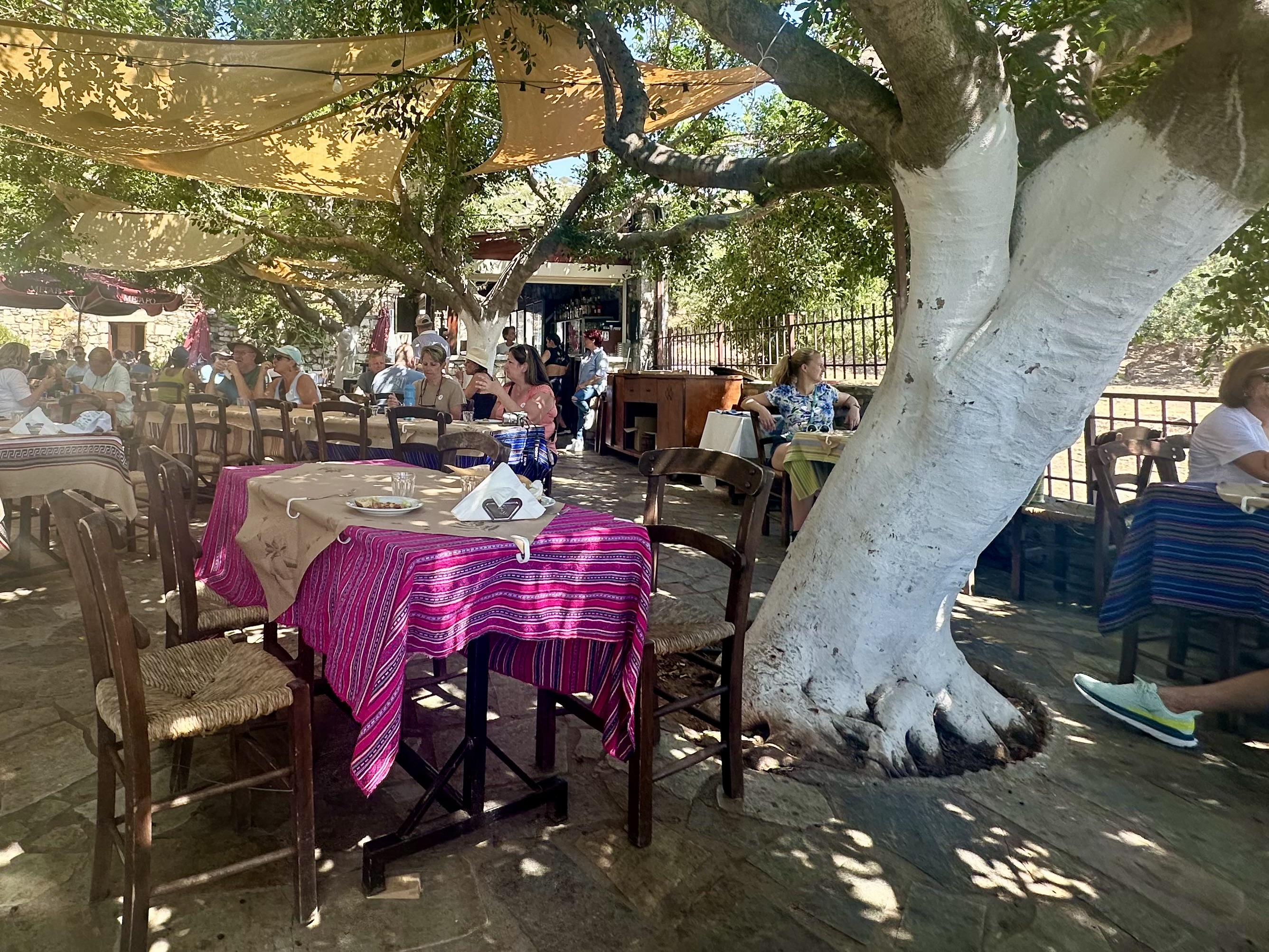
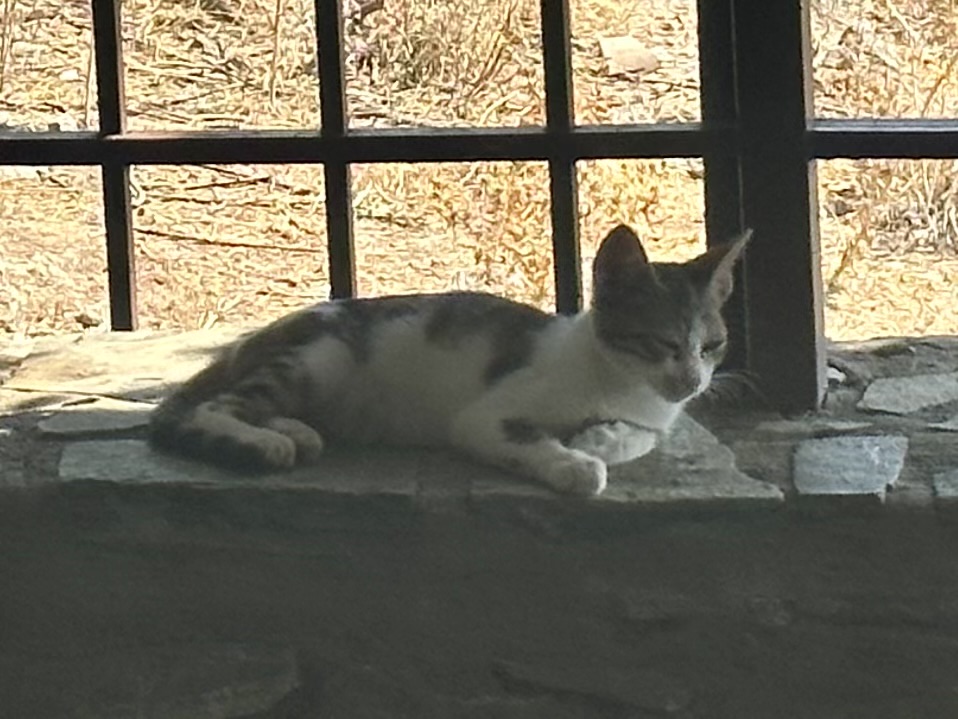
I’ve learned by now that Greek cats are “everybody’s cats.” They aren’t strays in the sad sense — they are community members, fed by shopkeepers, restaurant owners, and anyone with scraps or a soft spot. These ones looked healthy and content, lounging on stone walls and occasionally accepting a scratch behind the ears.
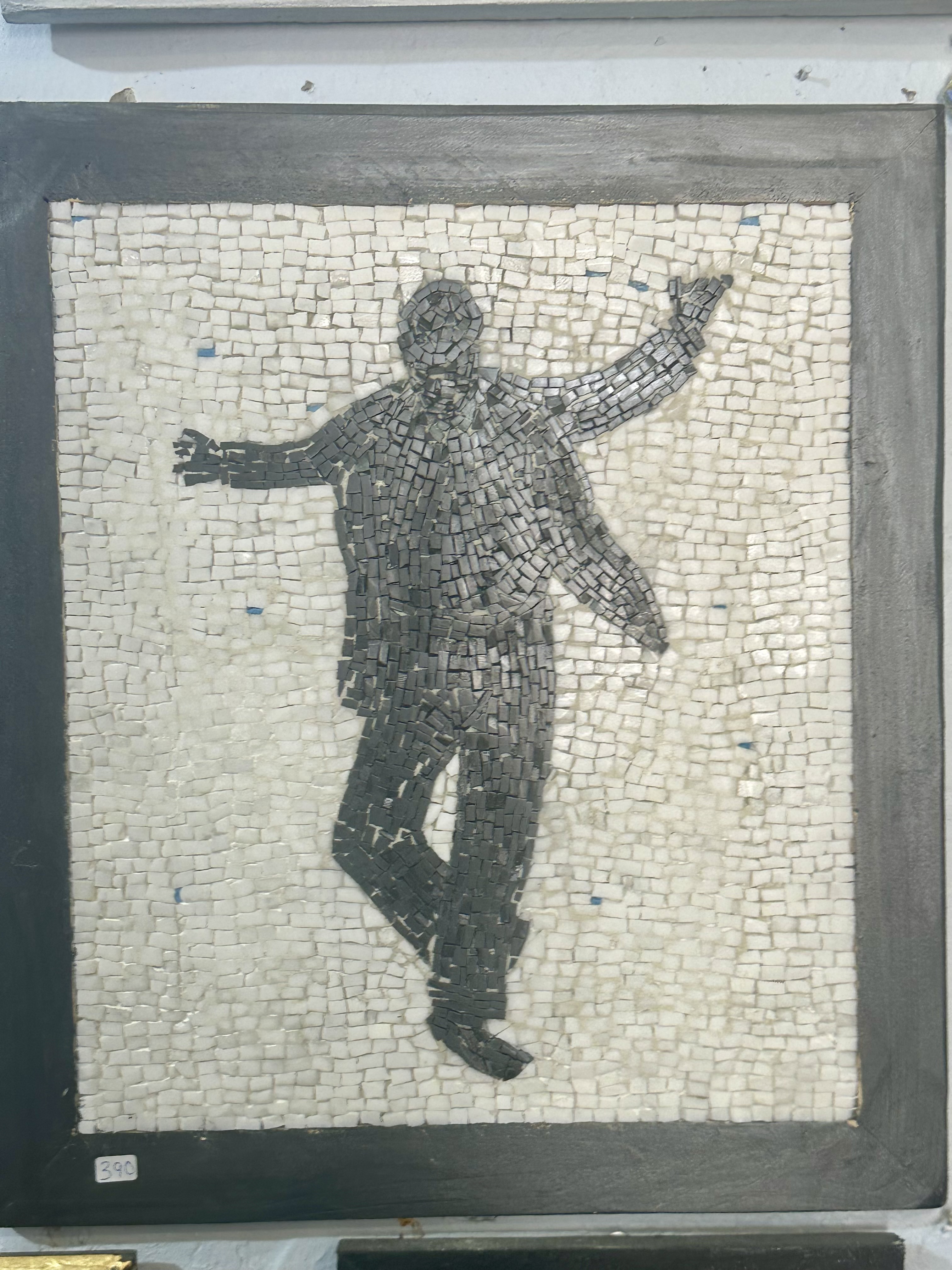
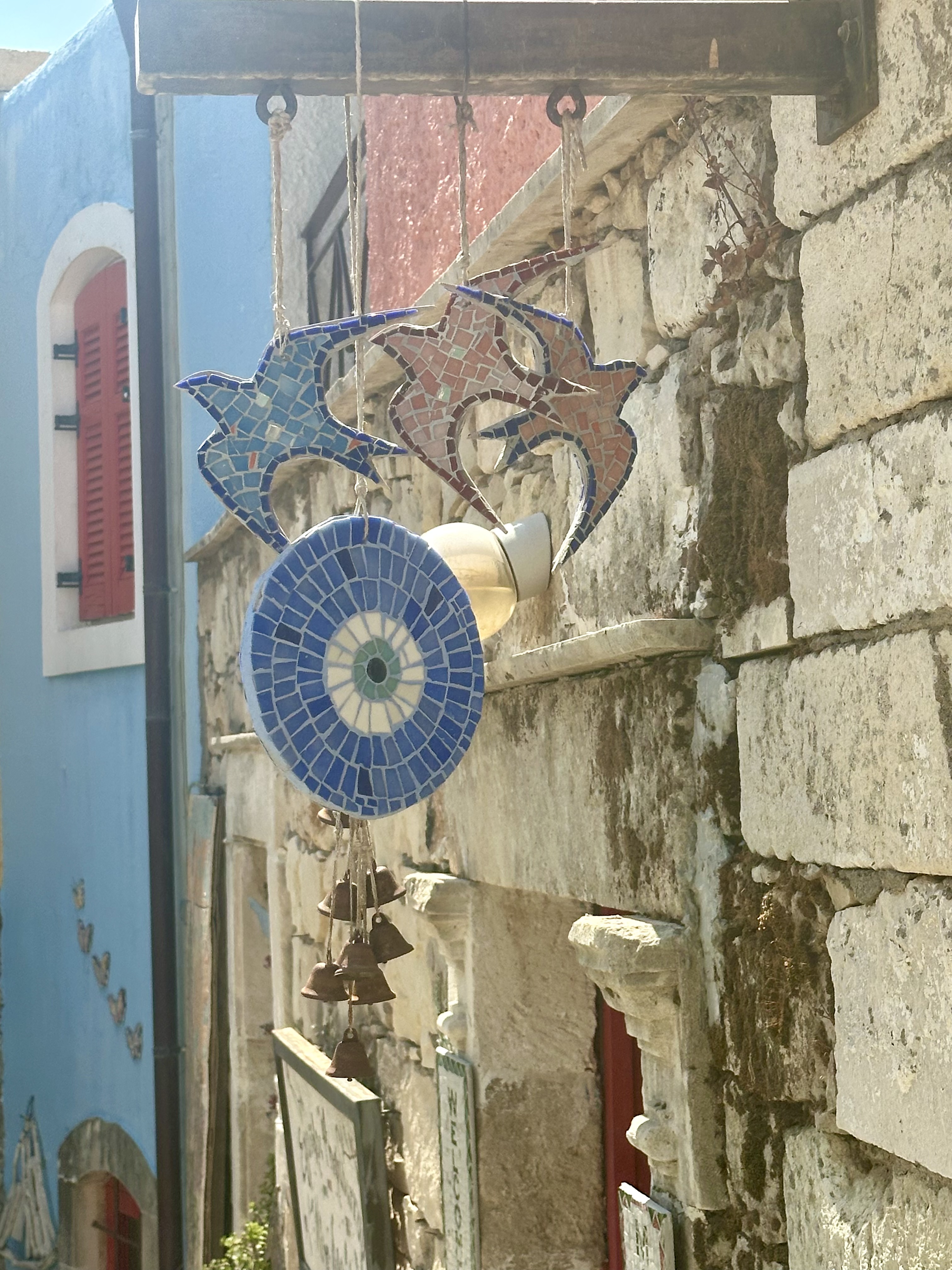
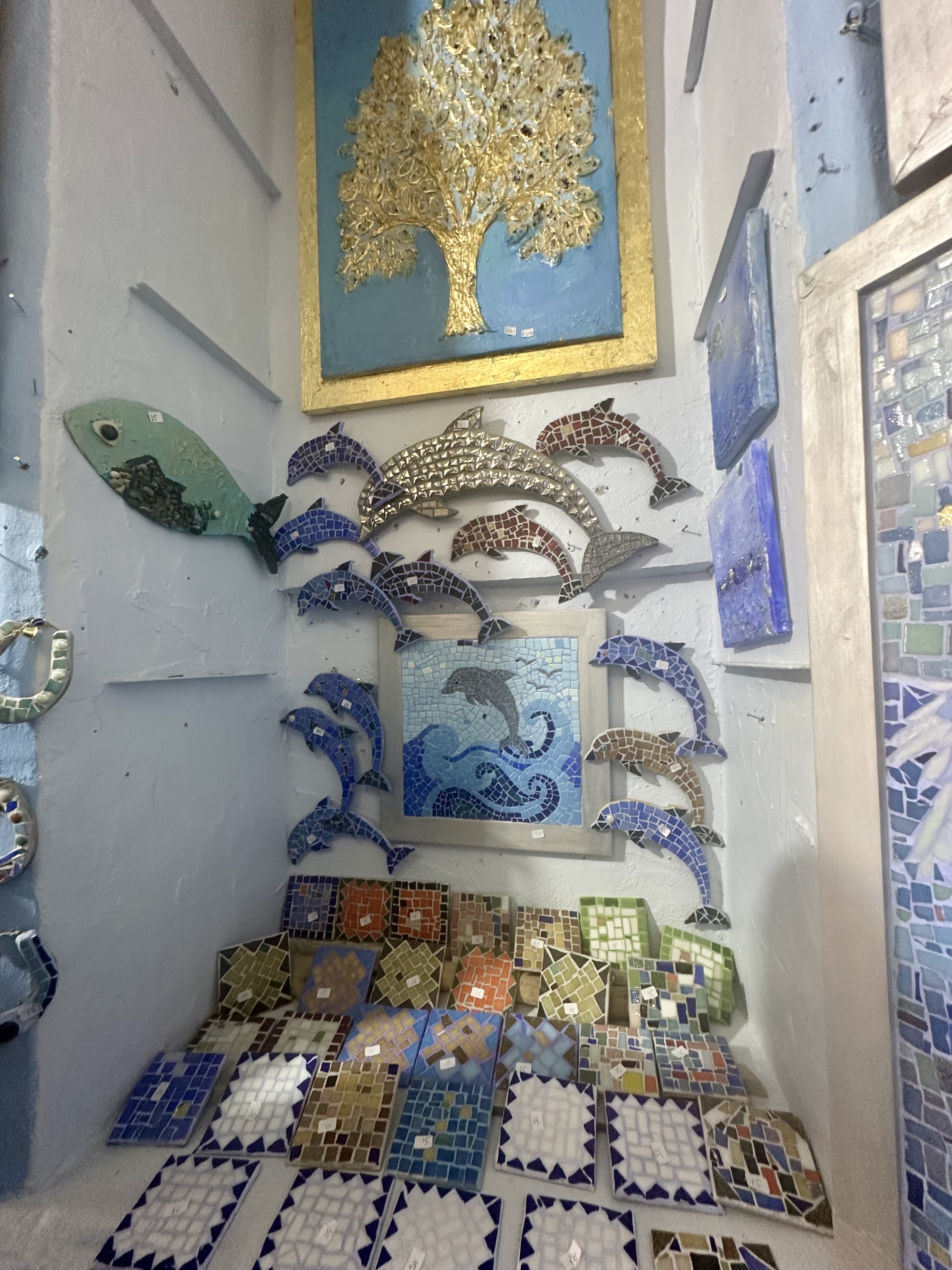
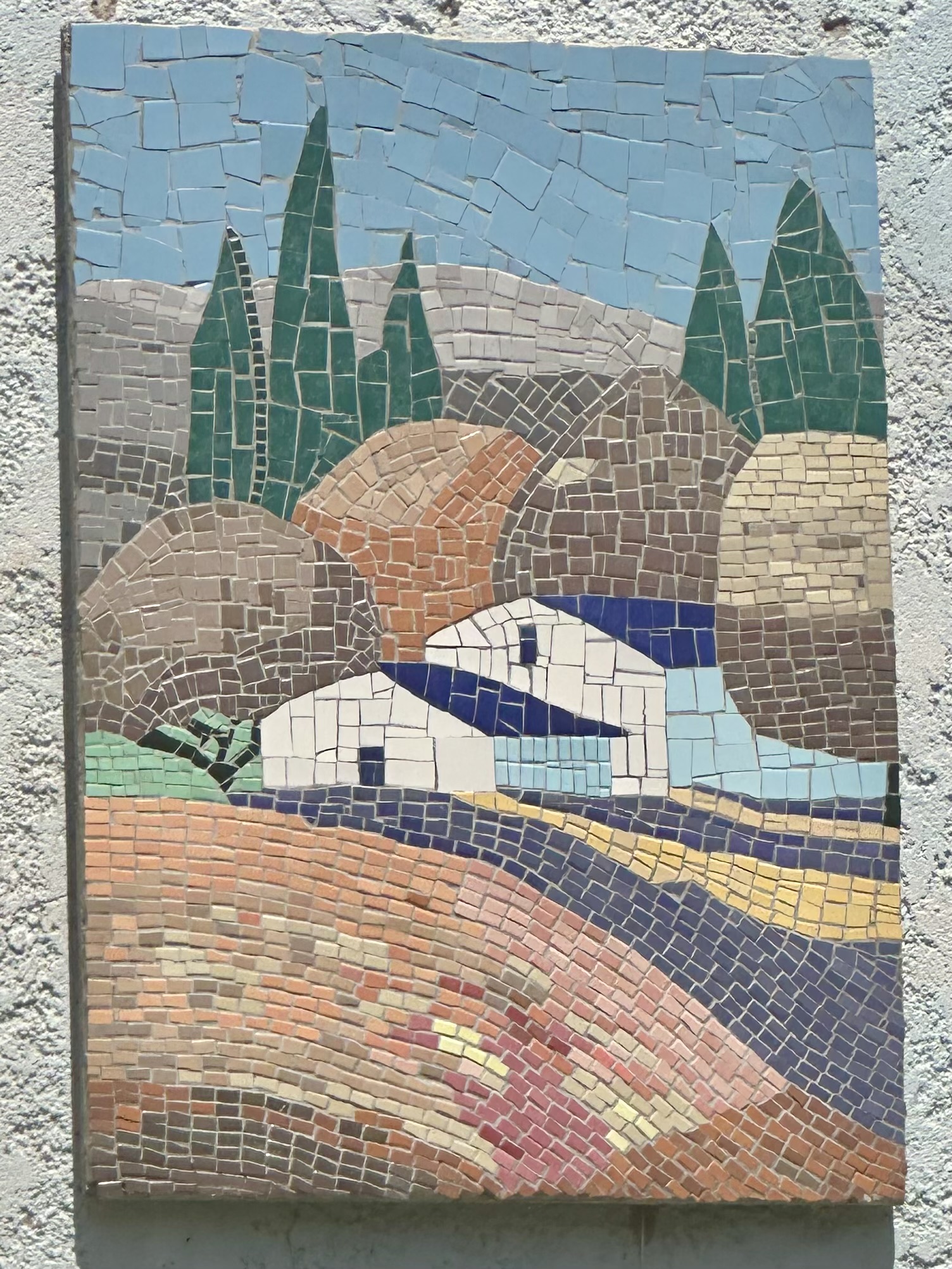
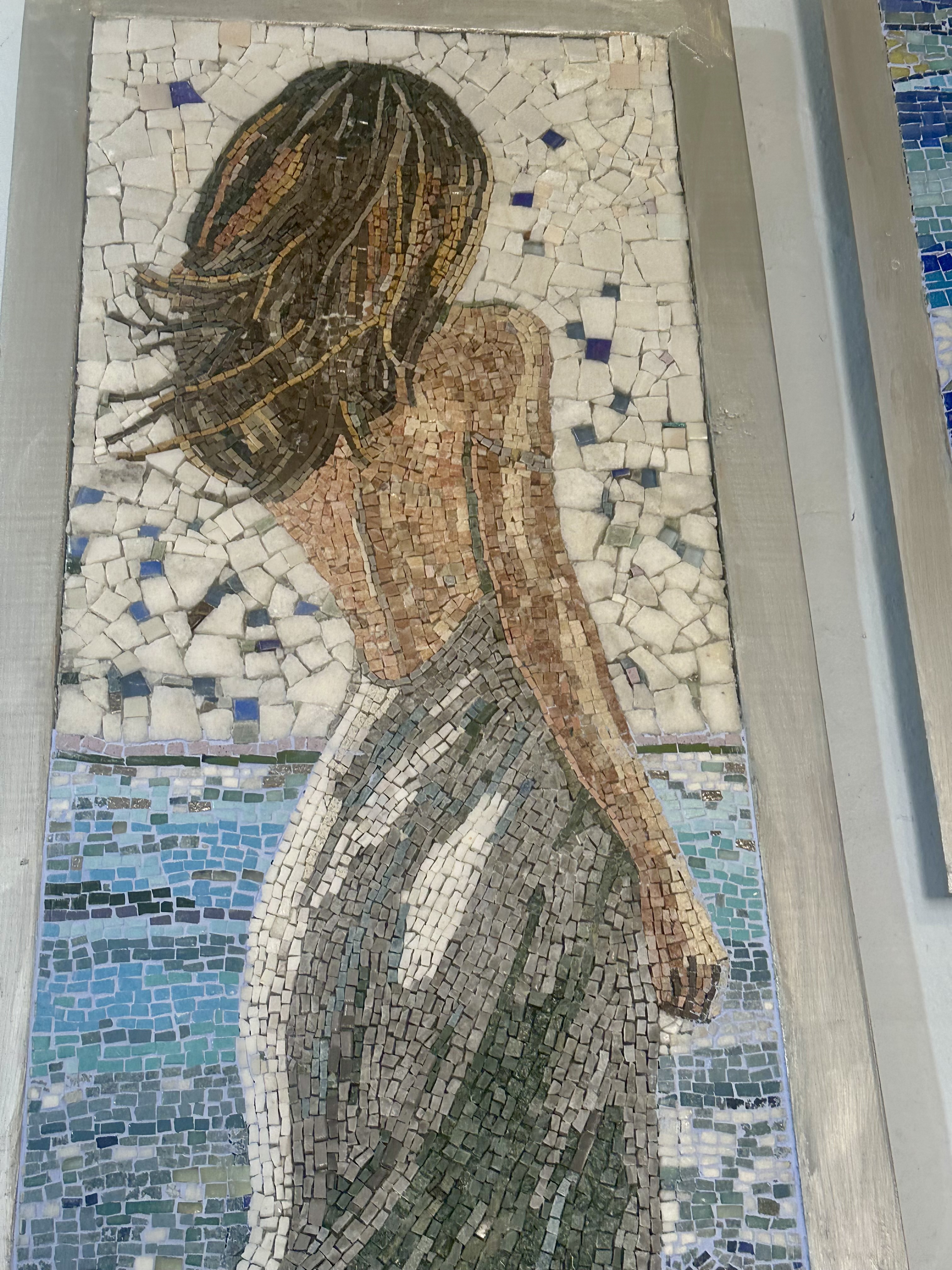
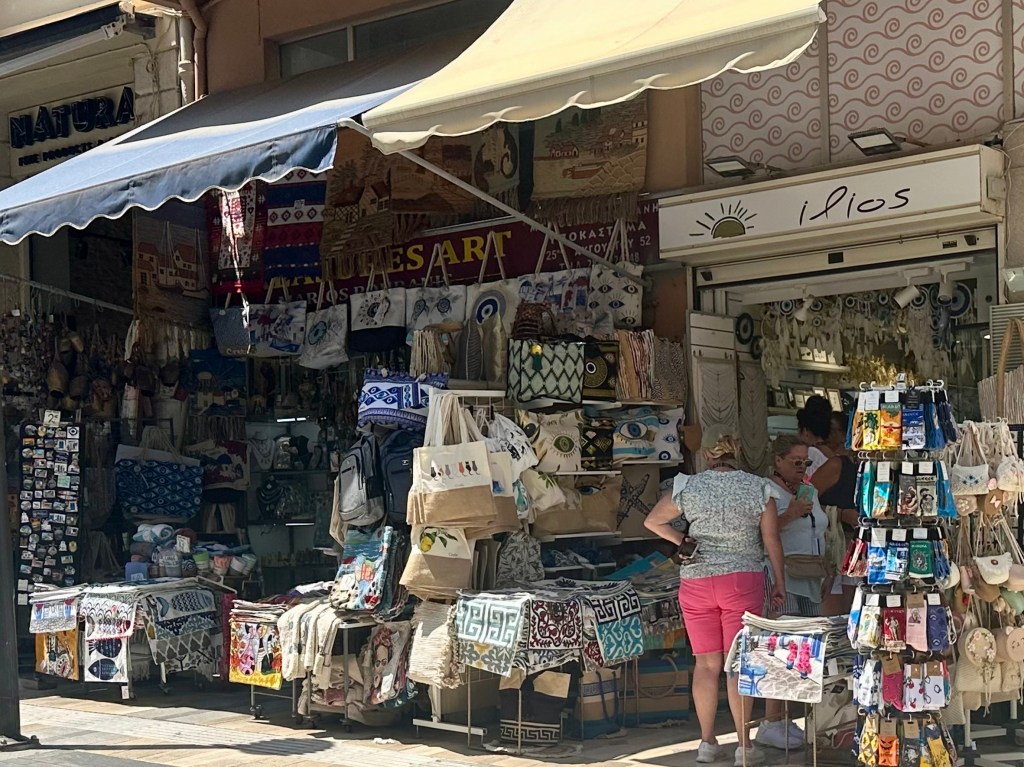
Then came shopping: small artisan shops sold local goods. We picked up olive oil soaps scented with jasmine and lavender, a honey liqueur, and a dolphin mosaic sculpture — small pieces of Crete to carry home.
Into Heraklion: The Lunch Worth Fighting the Heat For
When the tour ended, most of our friends voted to skip Heraklion’s city center. It was sweltering hot, the bus couldn’t get us all the way in, and the cruise ship food was calling.
But not me. I’d made reservations at Peskesi, a restaurant I had carefully researched — and I wasn’t leaving Crete without eating there. My husband and I dragged along my brother and brother-in-law (both mostly cruise-ship diners) into the city center. By the end, I think they were glad we did.
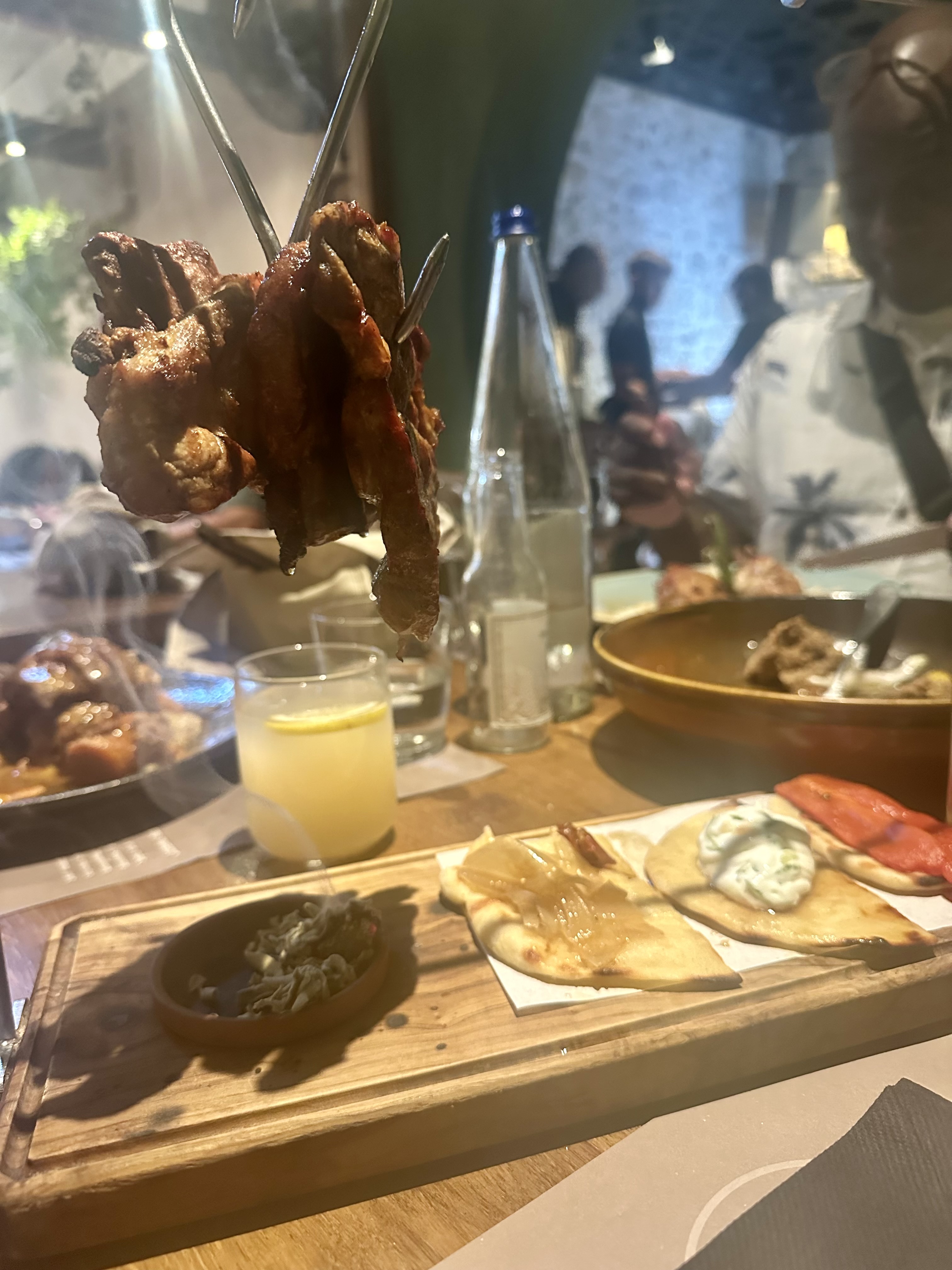
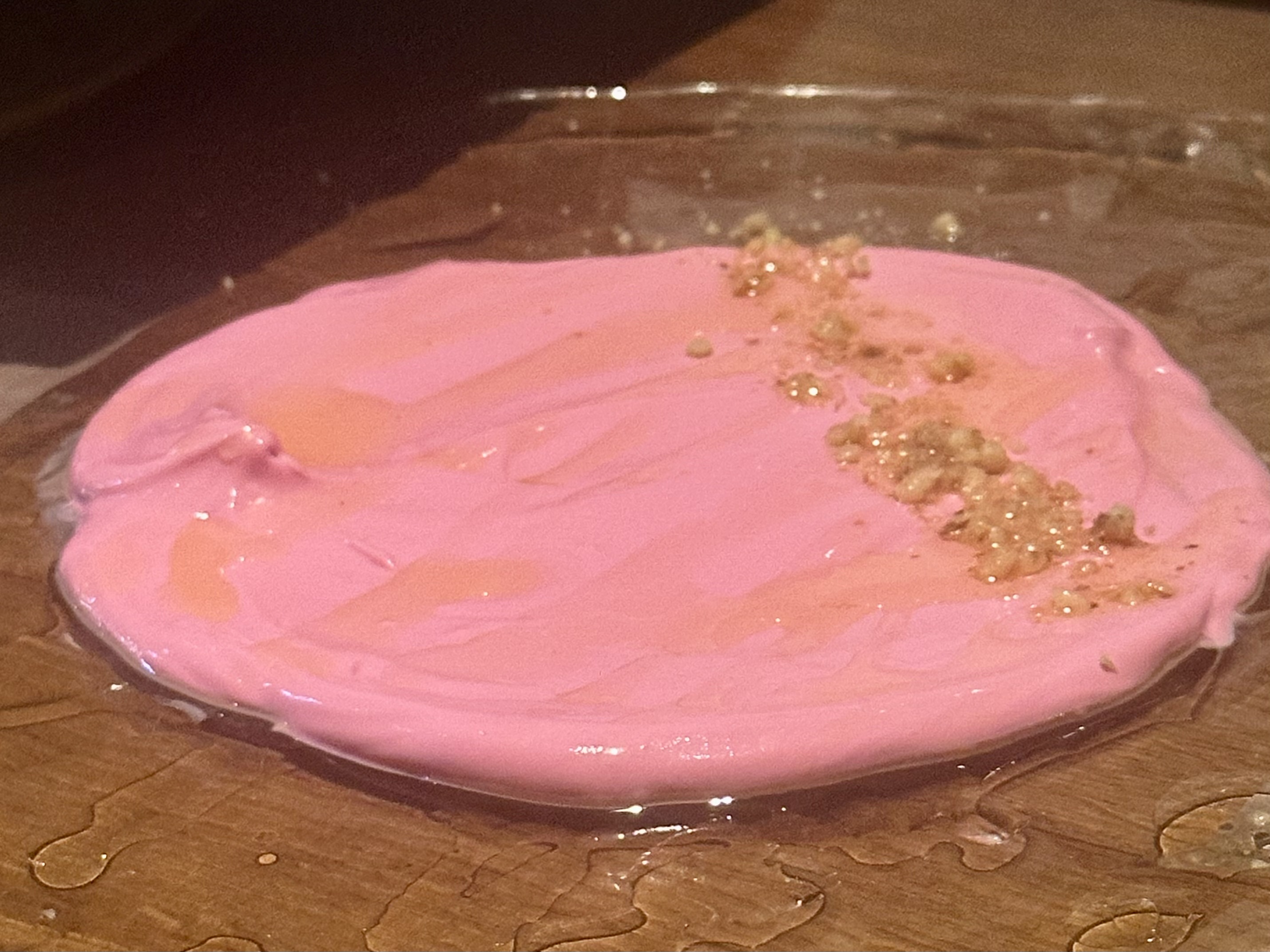
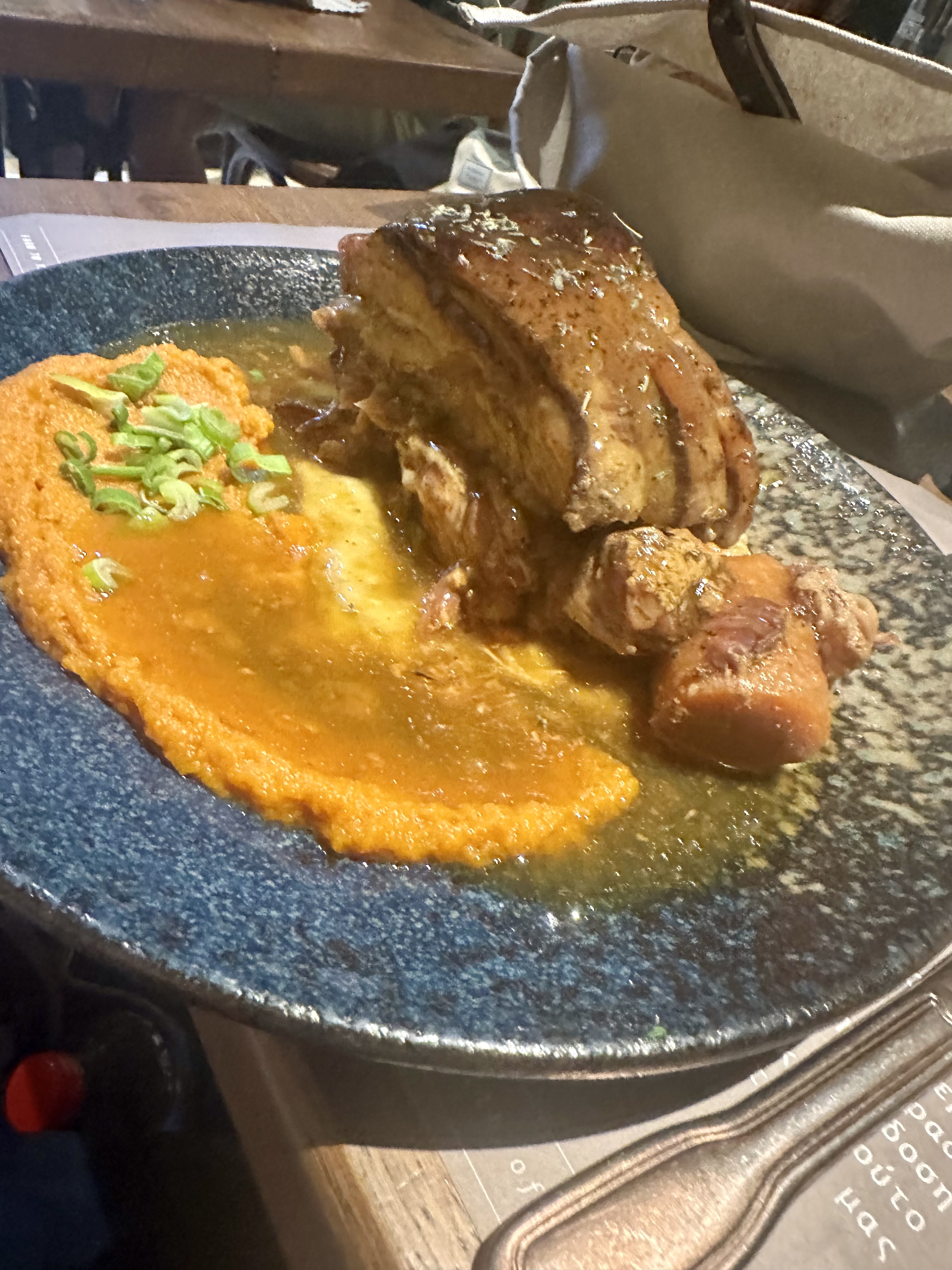
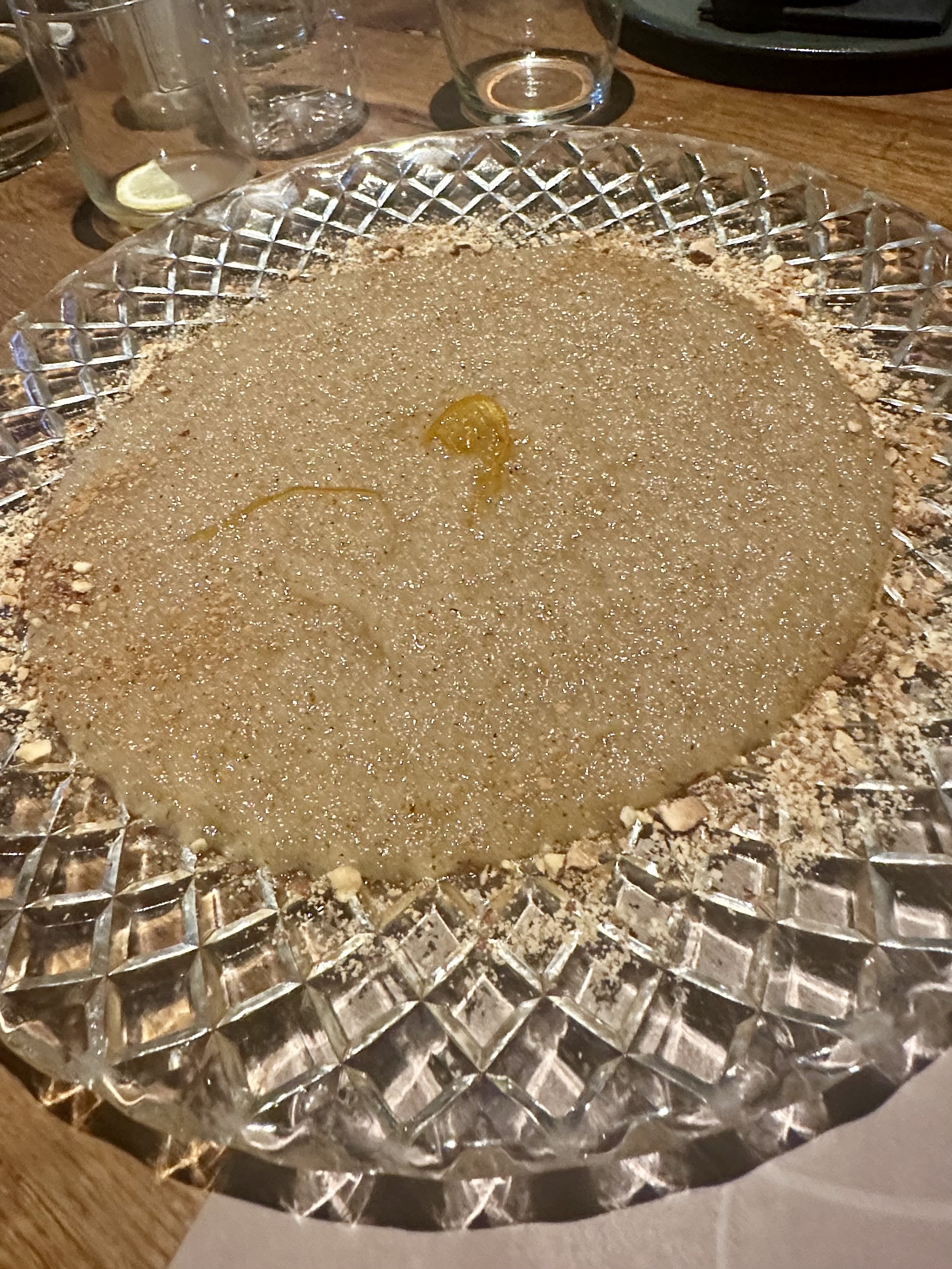
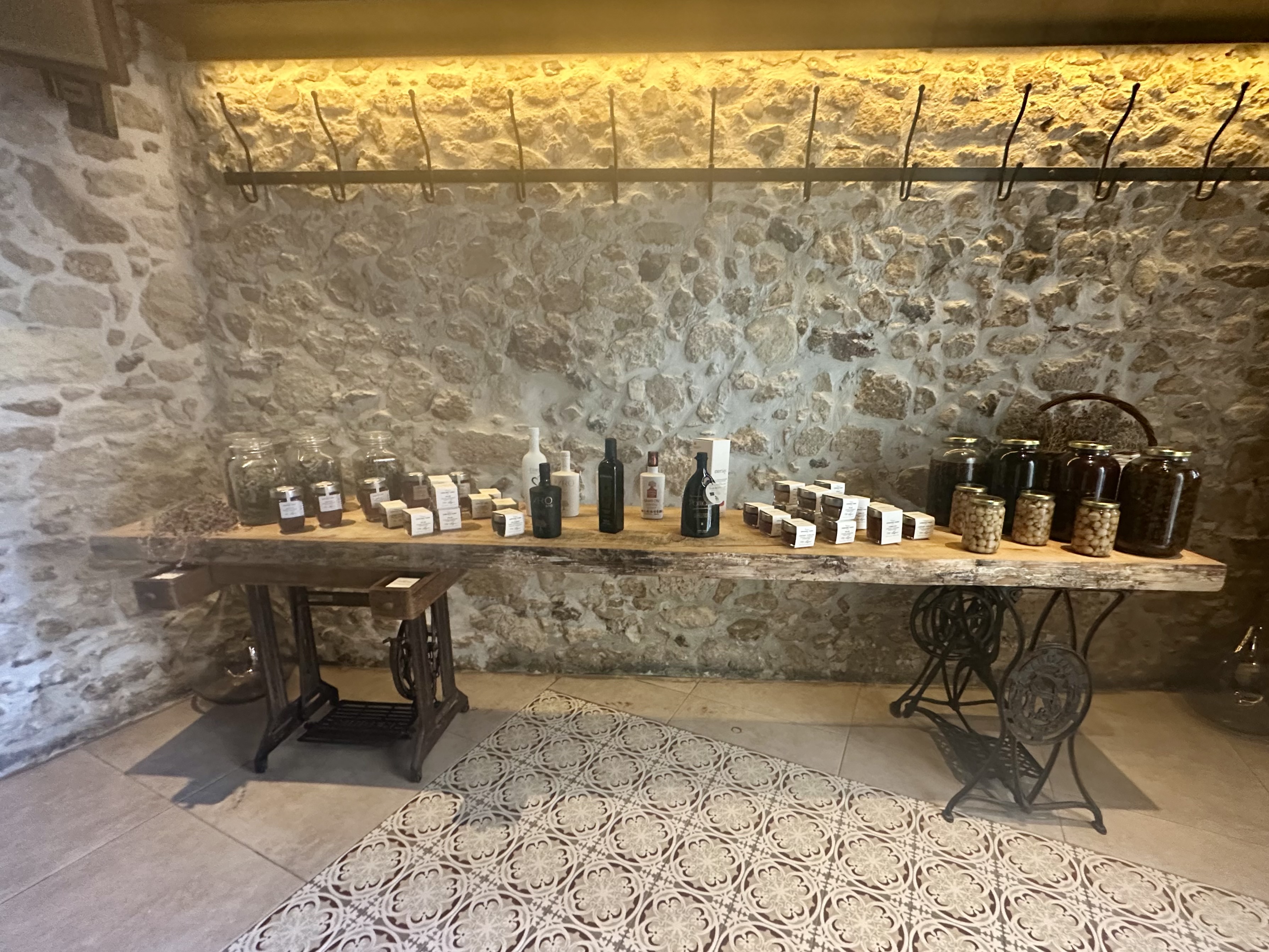
Peskesi is a gem: housed in a lovingly restored mansion and dedicated to farm-to-table Cretan cuisine, with many ingredients sourced from its own farm. The meal was unforgettable.
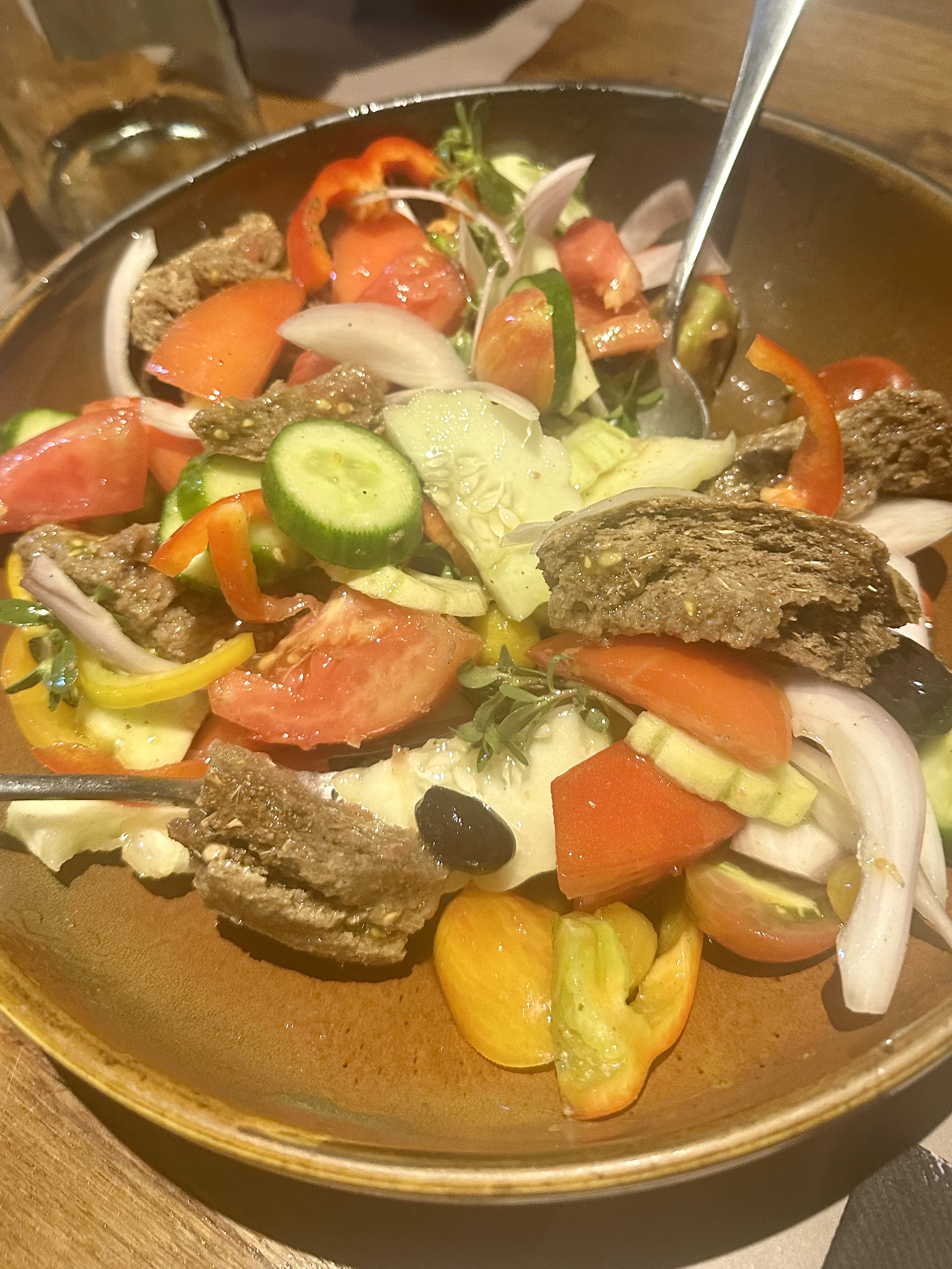
I did something I almost never do: I ordered pork chops — specifically, Syglino, Cretan smoked pork. It arrived hanging from a metal hook over herbs, part dramatic presentation, part aromatic infusion, and fully delicious. My brother declared the Greek salad the freshest he’d ever had (high praise from a man who usually sticks to sandwiches). Others tried Kreokakavos (a local meat dish with intense, rustic flavors) and Grandma’s Rooster, a recipe pulled straight from the heart of Cretan tradition.
We left full, happy, and sun-kissed, making it back to the ship just in time for departure — satisfied that we’d made the most of our short time in Crete.
Why This Stop Was Special
• Knossos with context: Myth and history collide here. The horns, the labyrinth stories — it feels alive, not just “ruins.”
• Village life & cats: Shade, local snacks, purring companions — this was slow travel at its best.
• Peskesi: Worth the heat, worth the extra steps. If you go, book ahead (reservations are a must) — you won’t regret skipping ship food if you’re on a cruise.
 Click, Wander & Savor