The Palace of Versailles
Gold, Grandeur, and the Ghost of the Sun King


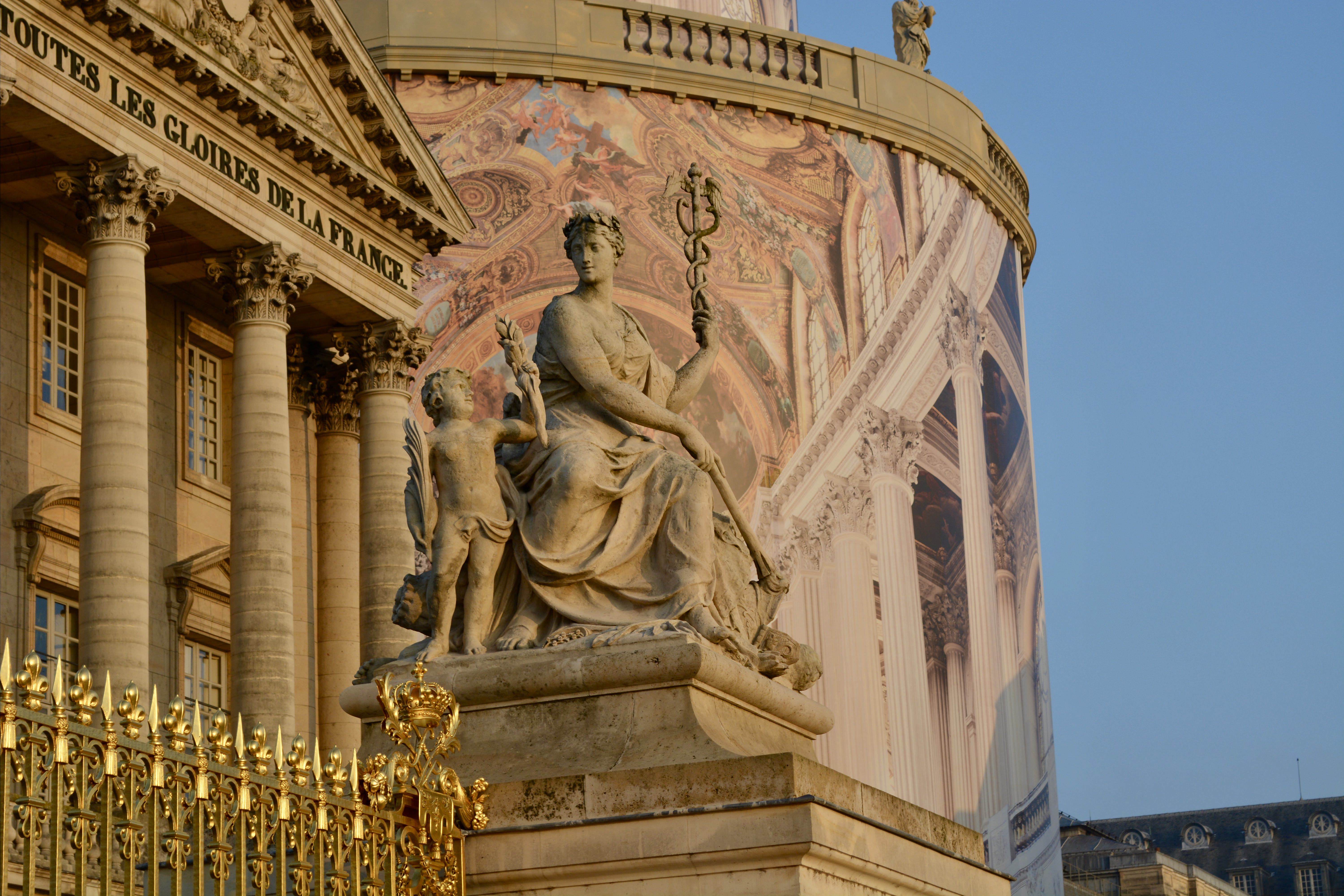
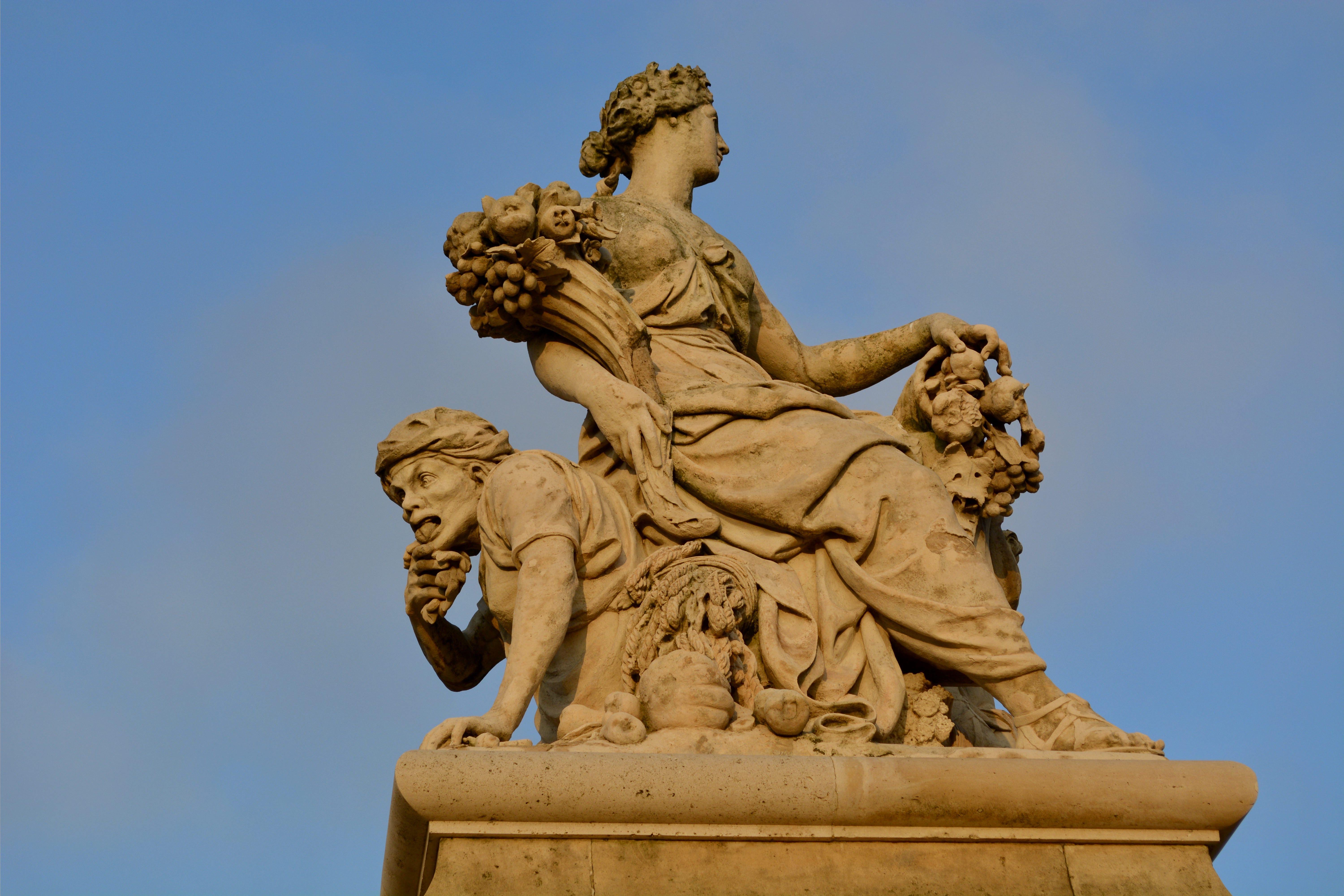
We set out early for Versailles in a private car, our driver navigating the outskirts of Paris with quiet skill as the city slowly woke around us. The mood felt different that morning – a kind of restrained tension humming in the air. Just days earlier, local protests over rising costs and government policies had spilled into the streets, and as we approached one of the main roads leading west, we found it blocked by police barricades and flashing lights. For a brief moment, I wondered if we’d even make it – but our driver, unfazed, rerouted down narrow side streets lined with shuttered cafés and sleepy neighborhoods until, finally, the city melted into the countryside.
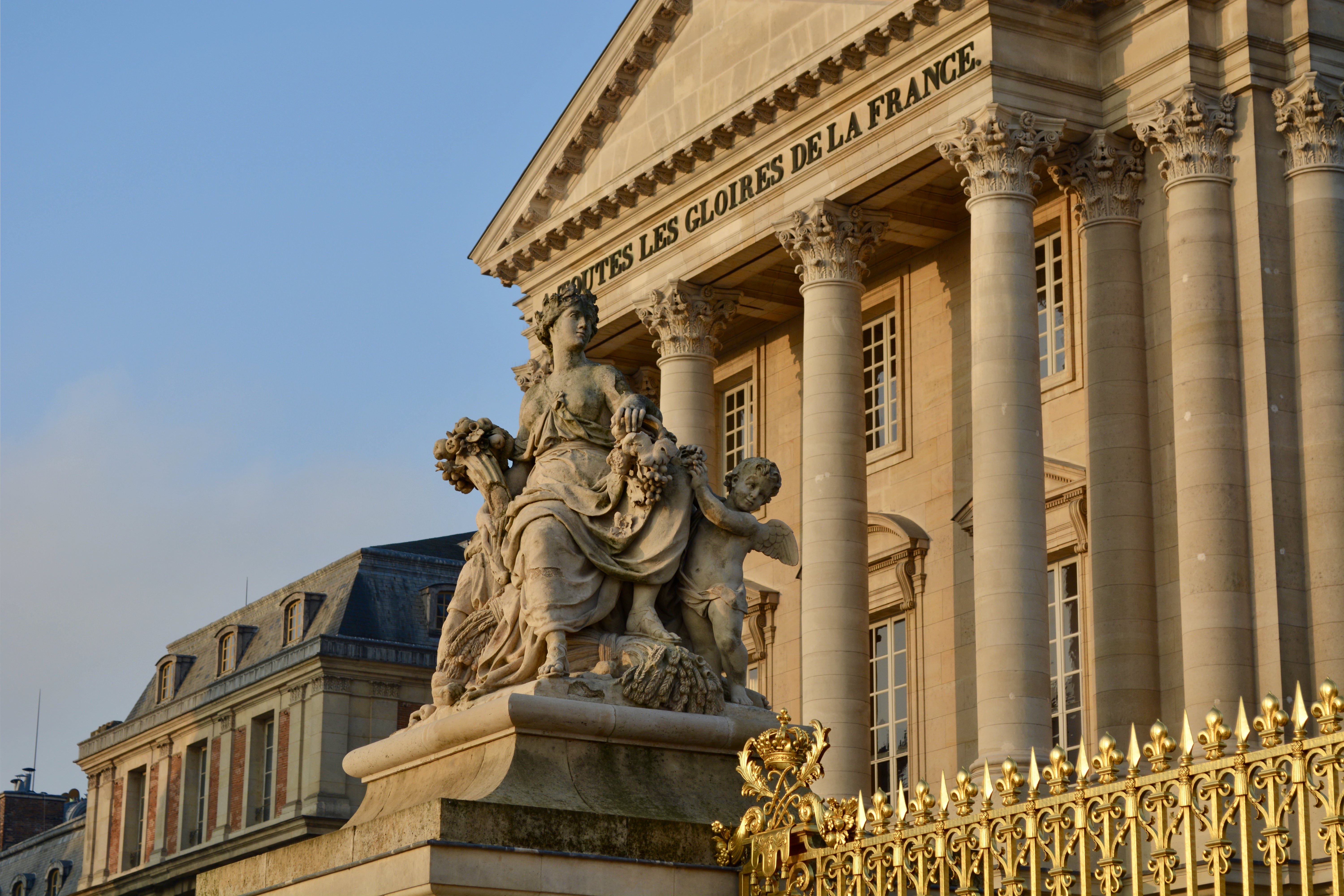
By the time the gilded gates of Versailles came into view, the world outside seemed far away – replaced by an image of impossible splendor. The morning sun hit the palace’s golden details just right, making it shimmer like a mirage.
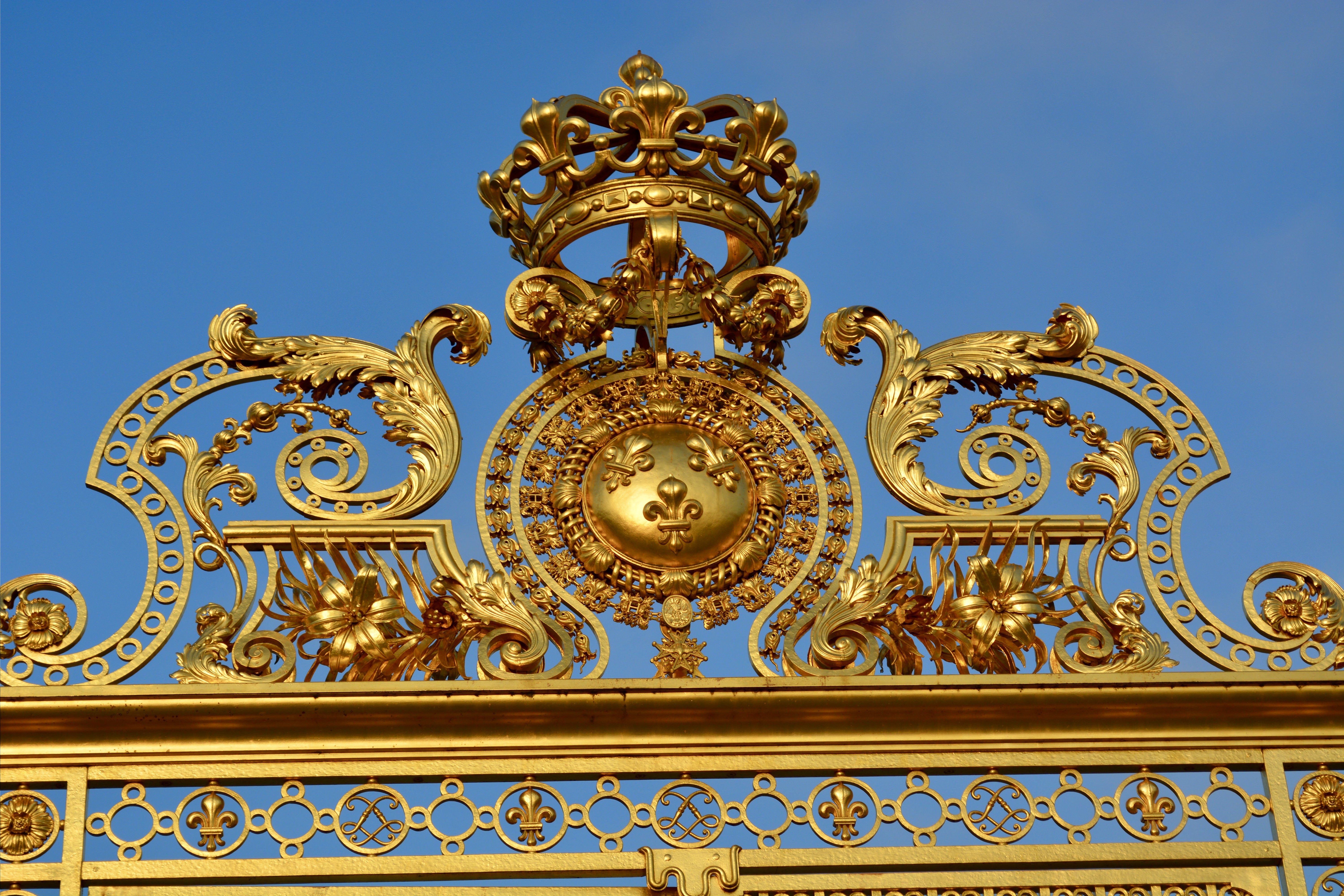
The golden gates of Versailles glowed in the morning light, a fitting entrance for the Sun King’s domain.
It’s hard to believe this sprawling masterpiece began as a humble hunting lodge before Louis XIV transformed it into the center of absolute monarchy – a place where power wasn’t just wielded but performed. The ornate iron gates, crowned by the king’s own radiant sun emblem, said it all: France’s light shone from here.
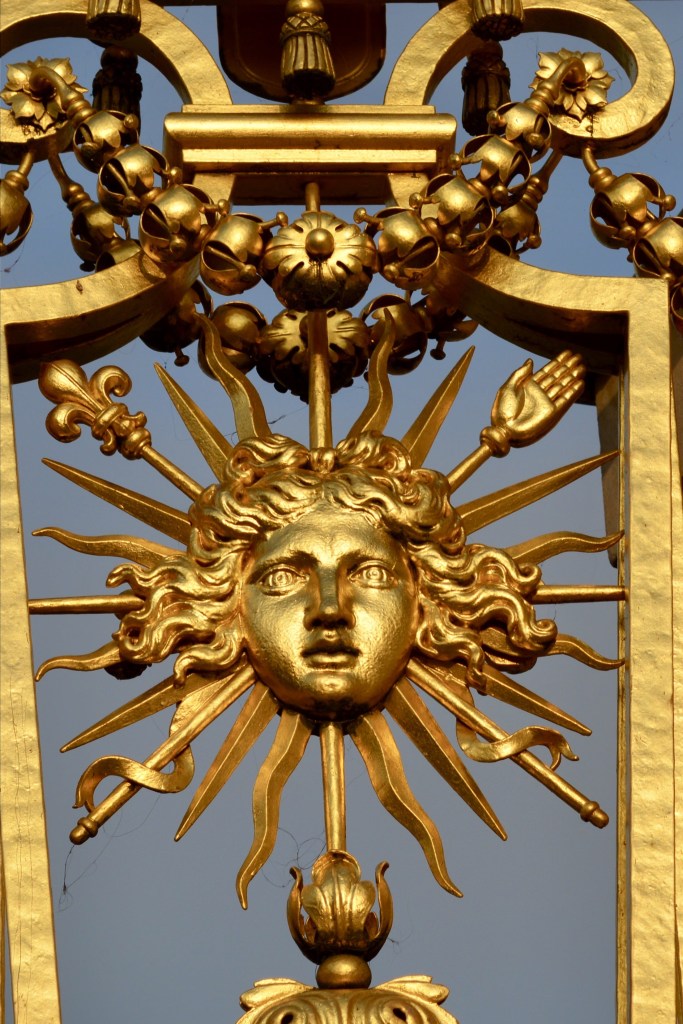
Close-up of the gilded gates – the Sun King himself immortalized in gold.
The Royal Apartments
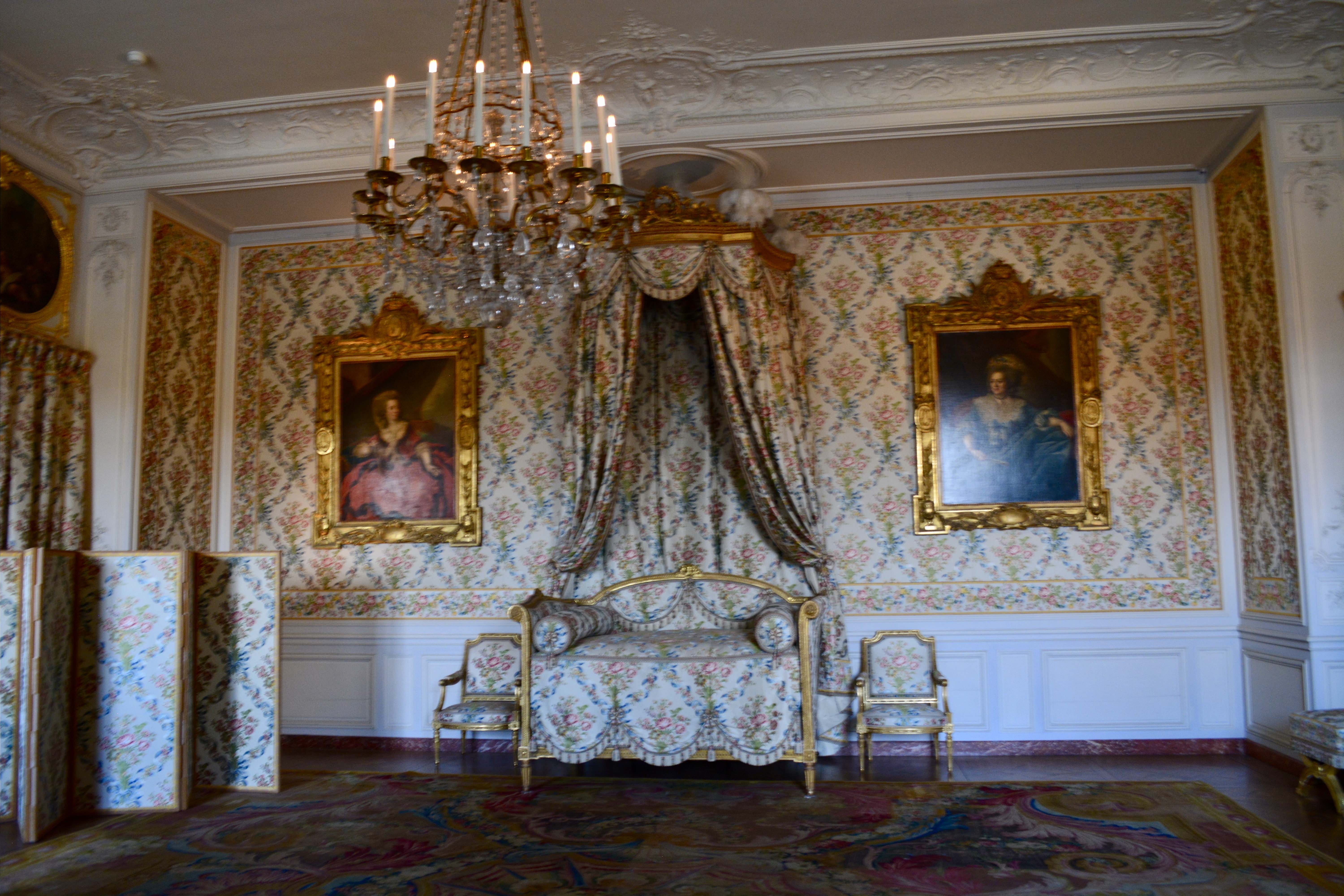
Inside, everything radiated ceremony. The King’s State Apartments, awash in red velvet and gold leaf, seemed more like a stage than a home. His bed, raised high beneath a canopy, wasn’t for sleeping so much as being seen – courtiers once gathered here at dawn to watch him wake and bow as he began his day.
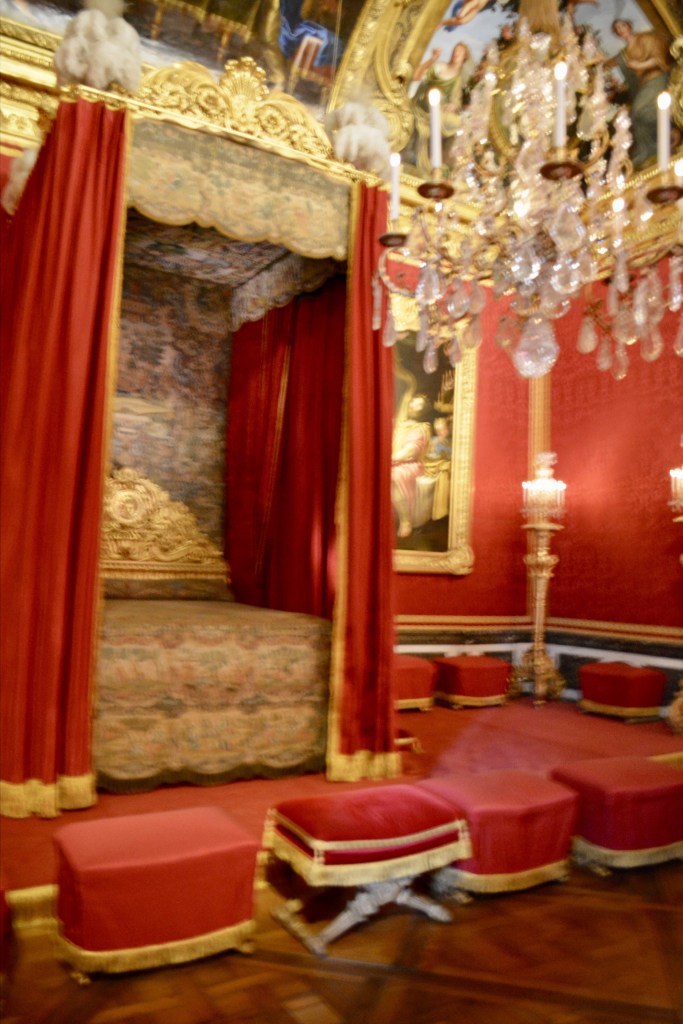
The King’s bedchamber, where even sleeping was a performance.
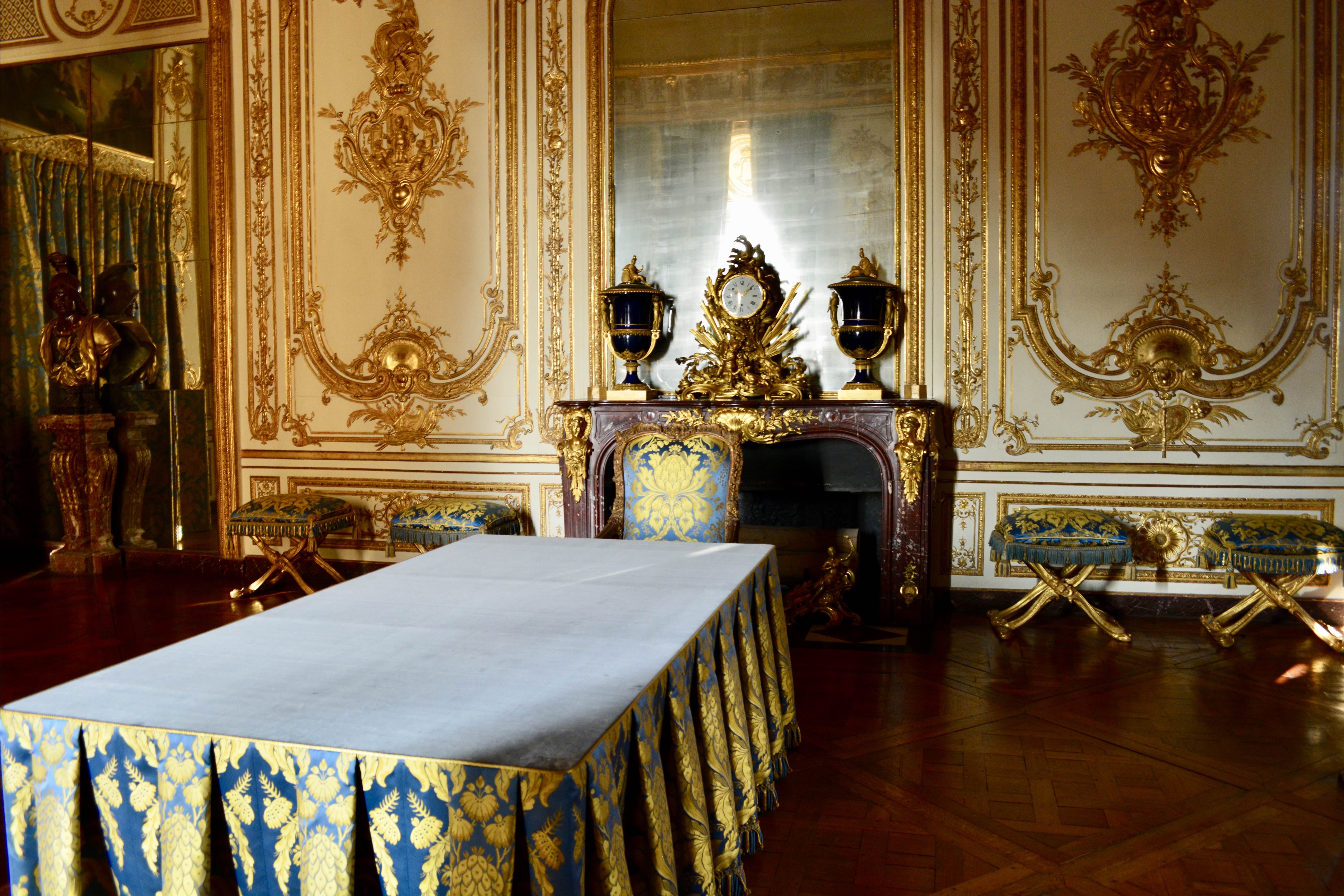
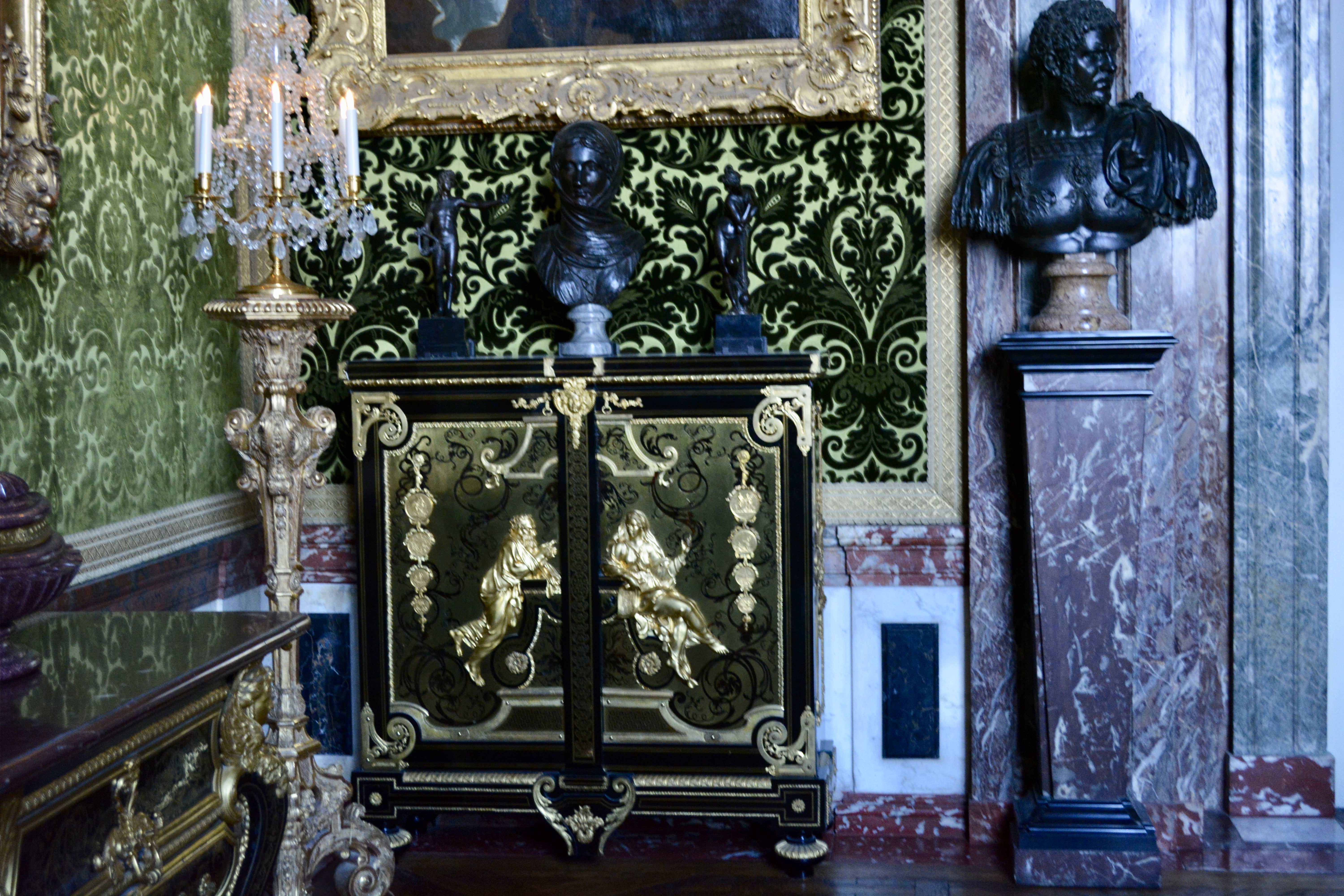
Above us, gilded ceilings told mythological stories where Louis XIV appeared as Apollo, the sun god, guiding his kingdom with divine light. Every painting, every chandelier, every polished surface reflected that same message: France revolved around one man. My husband, meanwhile, whispered that he couldn’t imagine trying to sleep under a hundred pairs of painted eyes.

Every inch told the same story – power, art, and divine right made tangible.
The Hall of Mirrors
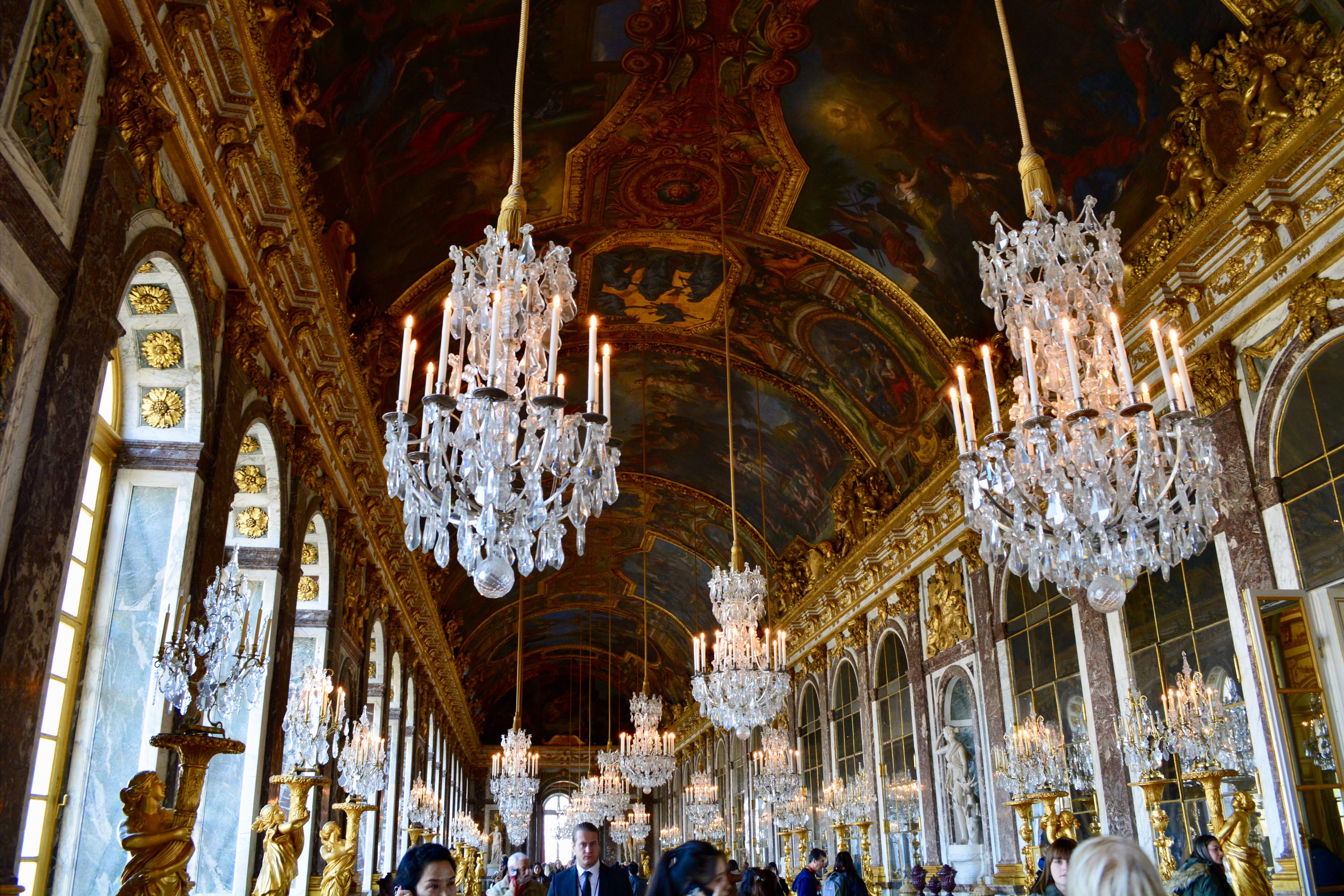
And then – the showstopper – the Hall of Mirrors. Even knowing what to expect, walking into that gallery felt like entering a dream. Seventeen mirrored arches face seventeen windows, multiplying sunlight and chandeliers into infinity. The effect is dizzying – all glitter, reflection, and grandeur.
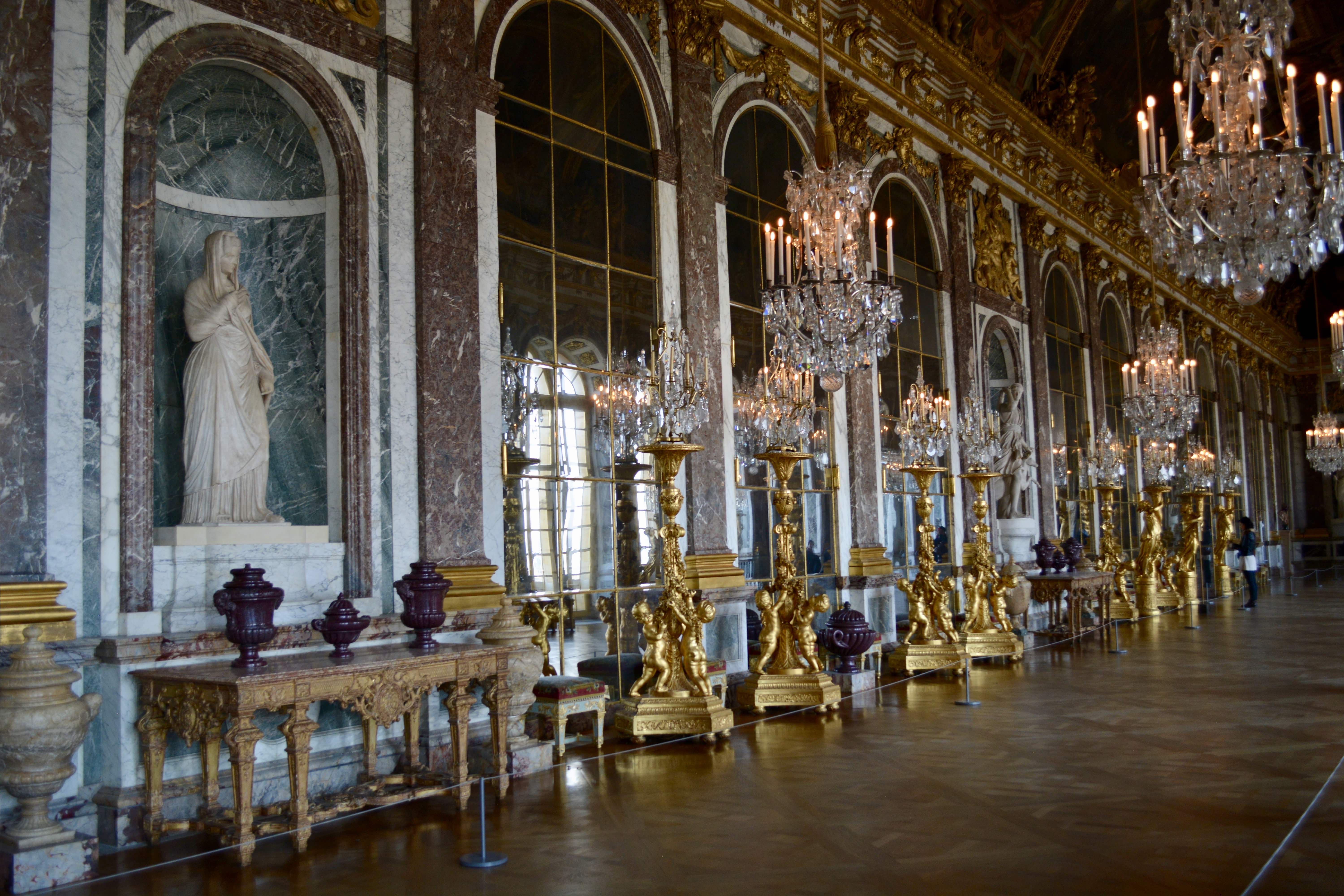
The Hall of Mirrors – 357 mirrors reflecting light, power, and vanity in equal measure.
This was where the Sun King hosted dazzling receptions, where courtiers jostled for proximity, and centuries later, where the Treaty of Versailles was signed in 1919, formally ending World War I. Standing there, surrounded by gold, marble, and echoes of power, it struck me how history loves symmetry: peace signed in the same hall that once glorified war.
As I caught my reflection in one of the mirrors, it was impossible not to think about the countless others who had done the same – nobles perfecting their bows, diplomats checking their expressions, tourists lifting phones for photos. The mirrors haven’t aged; they’ve just changed what they reflect.
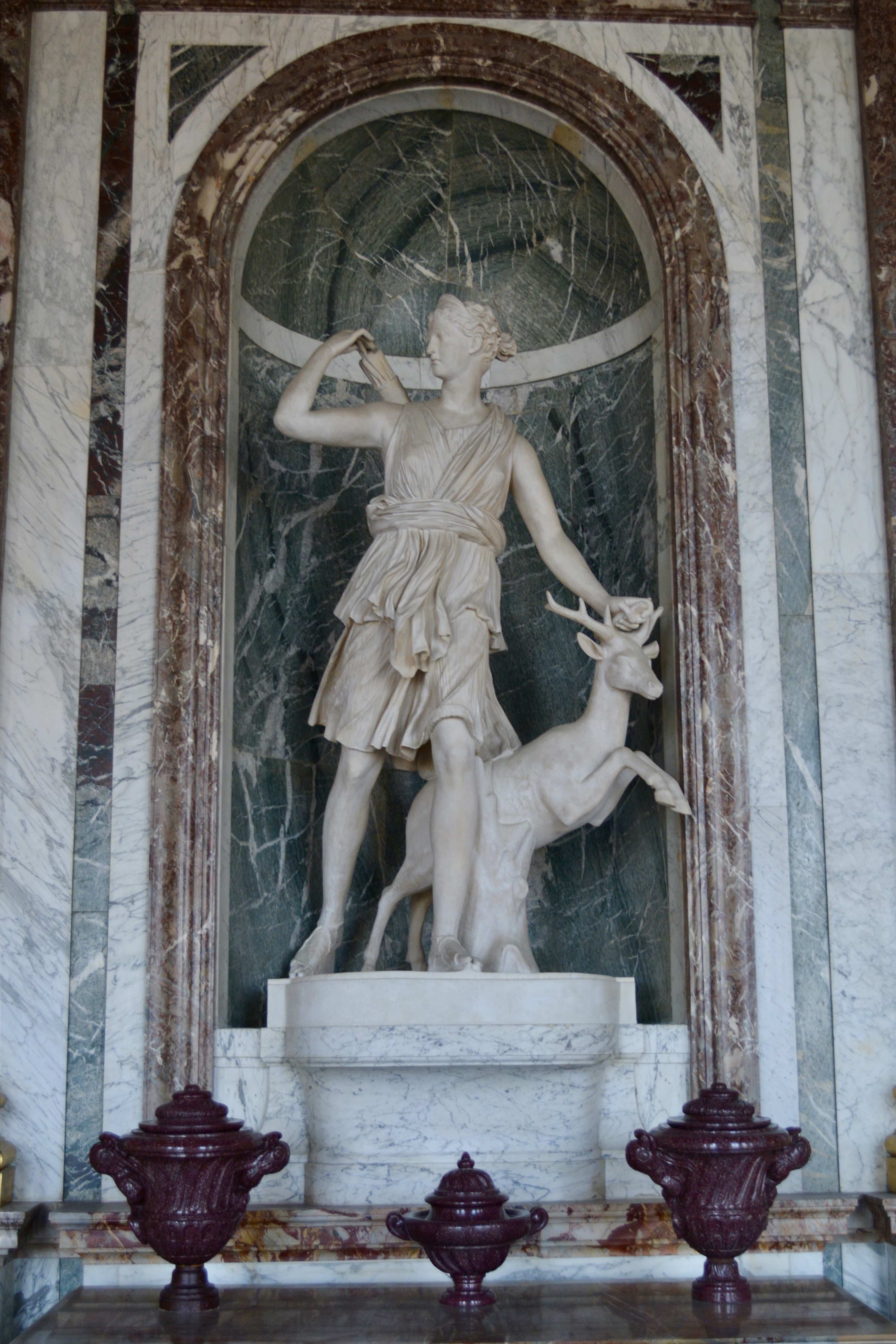
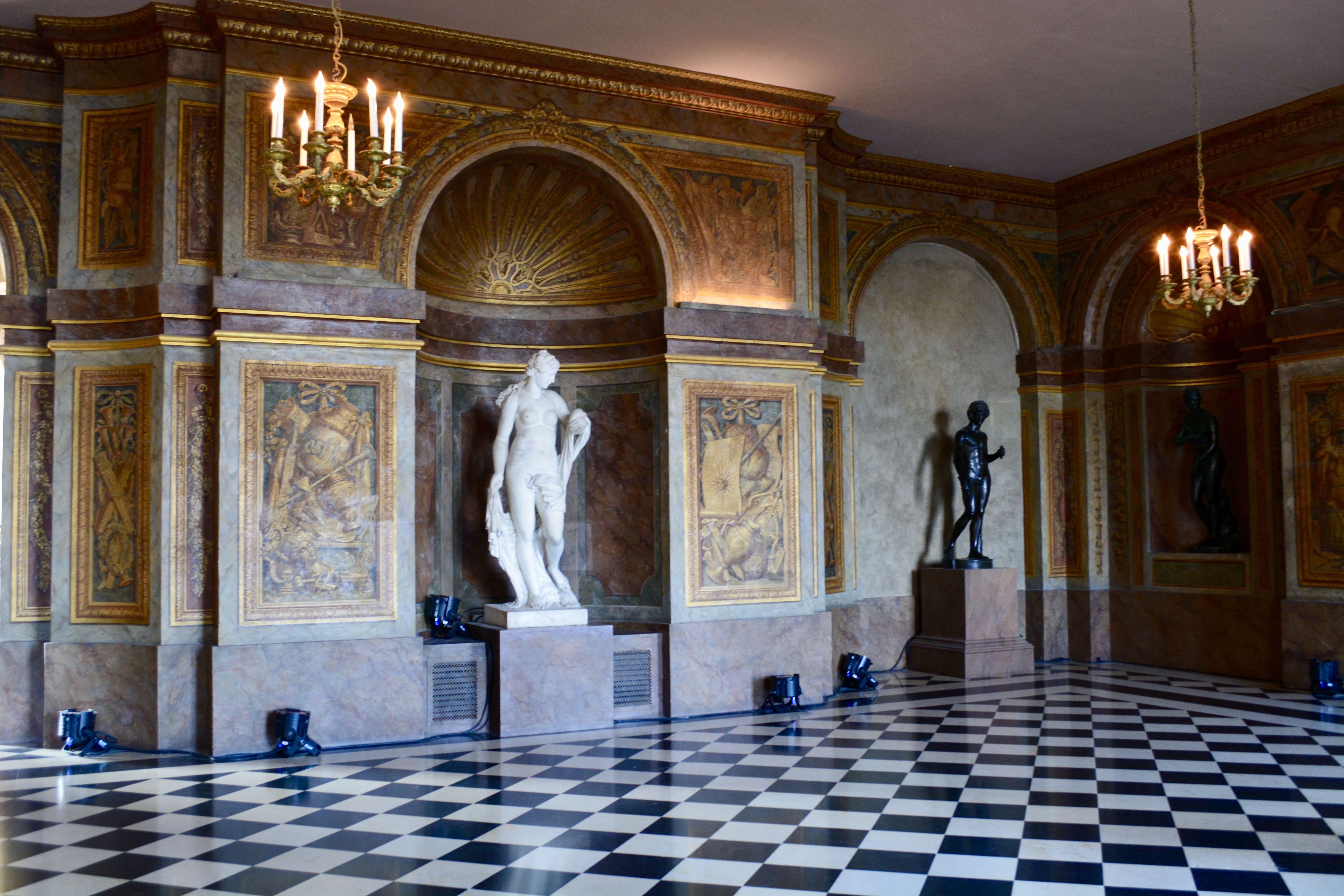
The Gardens of Versailles
Stepping outside felt like taking a deep breath after the intensity of the interiors. The Gardens of Versailles stretch endlessly – geometric perfection unfolding into the horizon. Even in winter, the symmetry was hypnotic: sculpted hedges, marble fountains, and long reflecting pools that draw your eye straight to the sky.
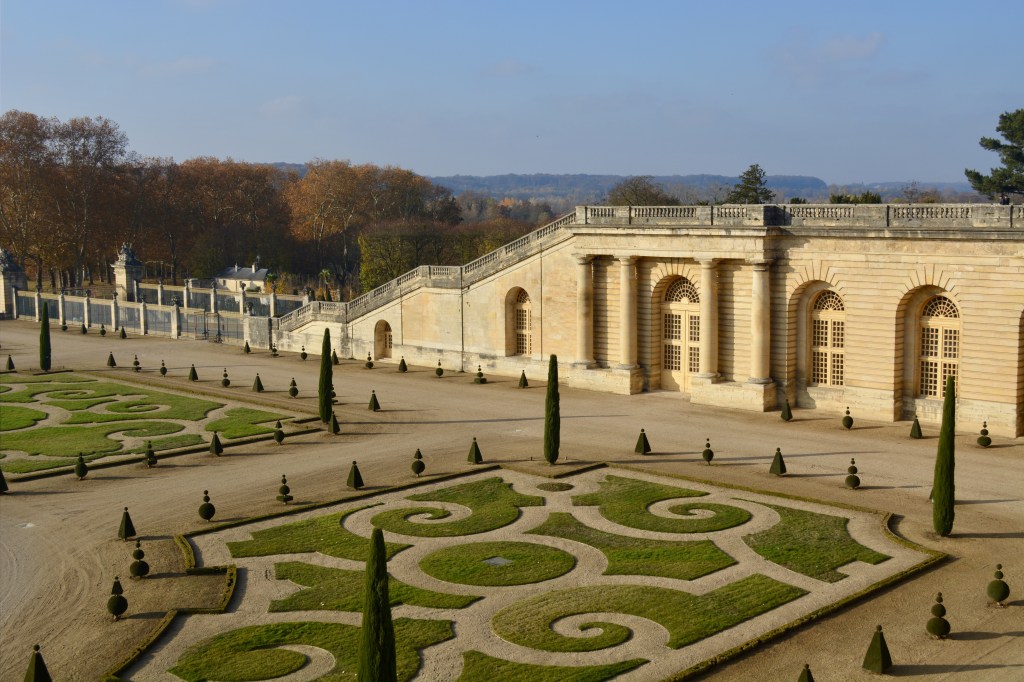
Looking down the Grand Perspective, where order, beauty, and ambition align.
We walked toward the Latona Fountain, its tiers of sculpted frogs and lizards frozen mid-rebellion beneath the goddess’s gaze – a not-so-subtle allegory for what happened to anyone who defied the king. The air was crisp, and the palace glowed behind us, its reflection mirrored in the water.
It was easy to picture court life spilling into these manicured grounds: powdered wigs, parasols, gossip disguised as politeness. For a moment, the faint sound of a fountain trickling through the quiet felt like time slowing down – the perfect counterpoint to the excess inside.
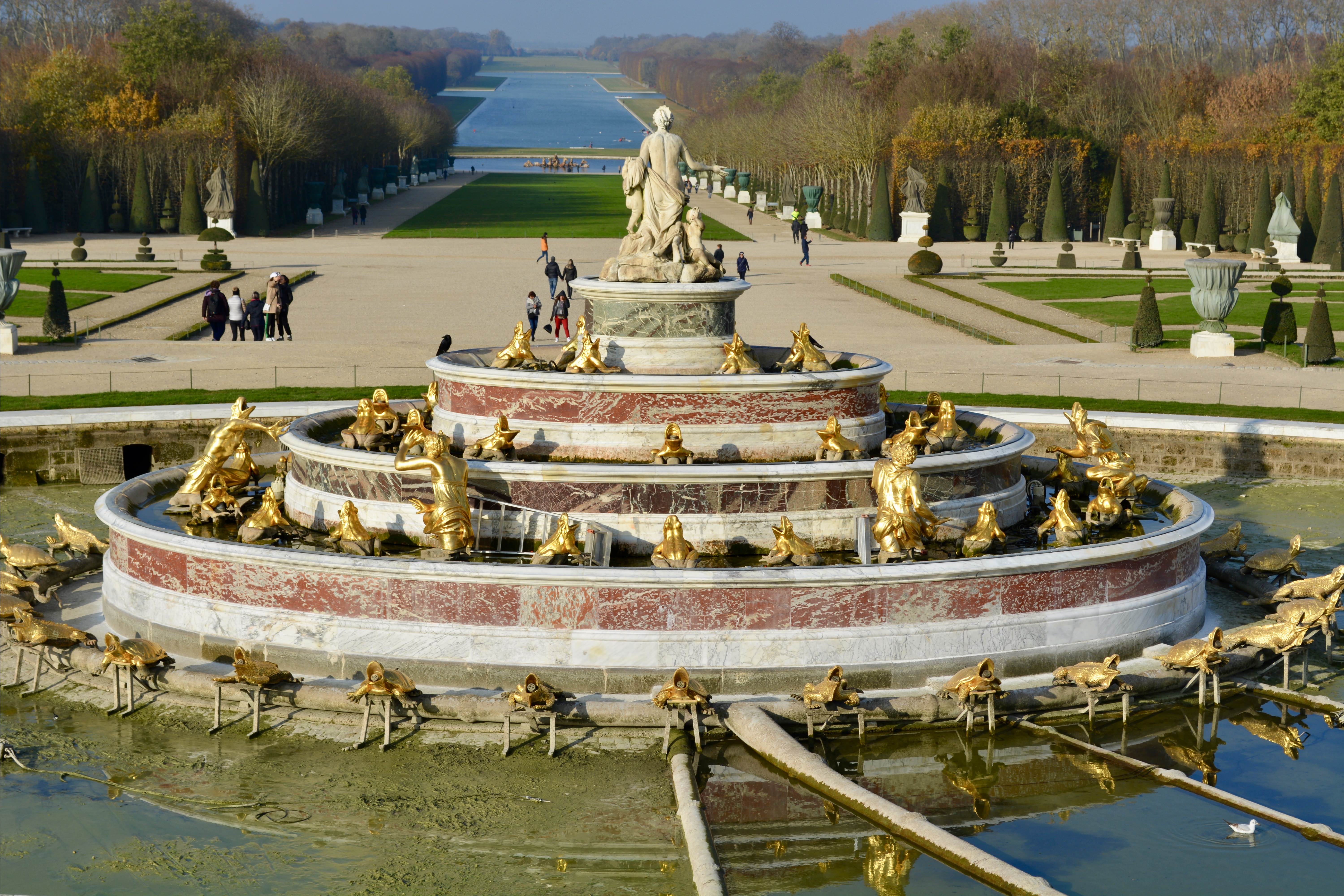
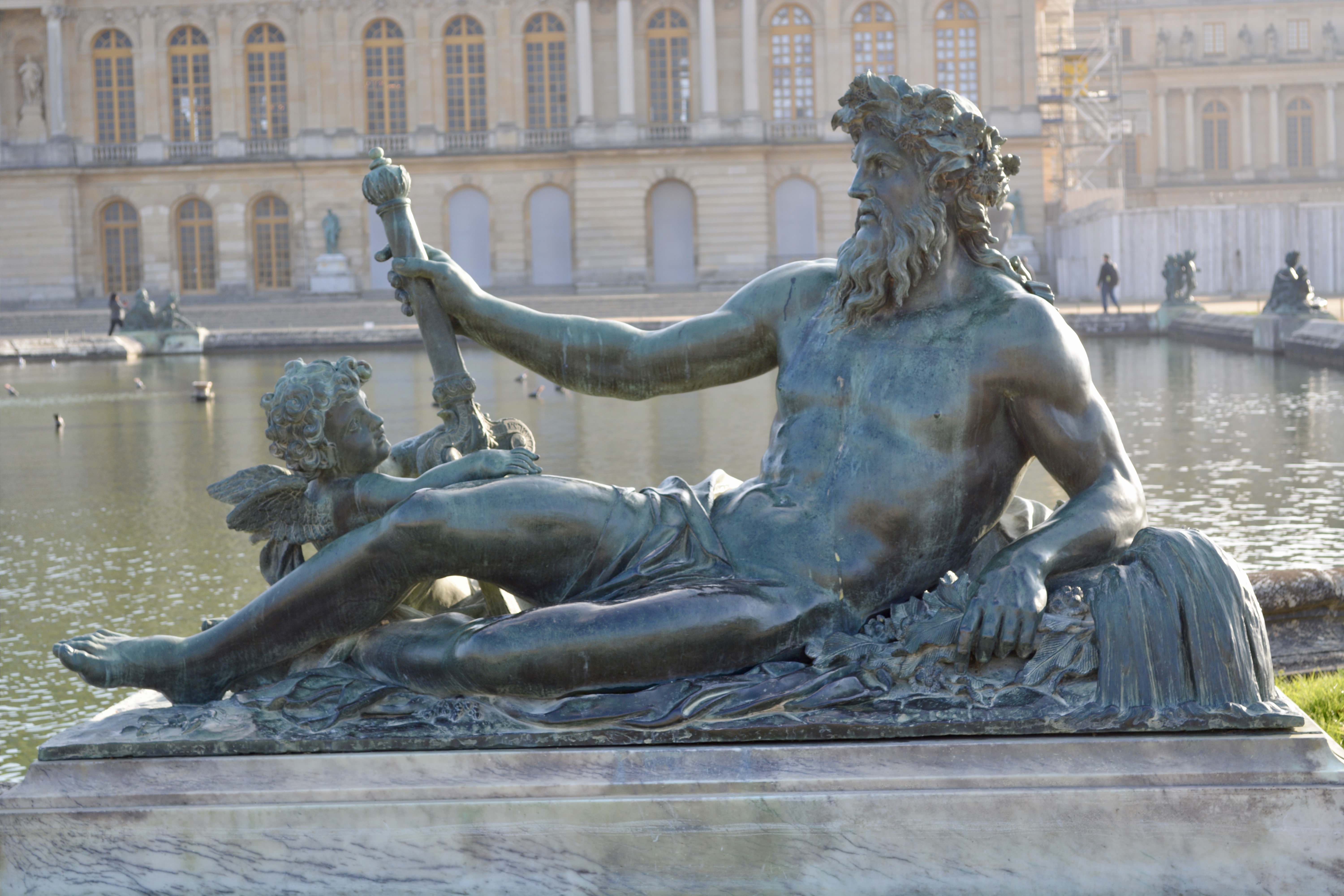
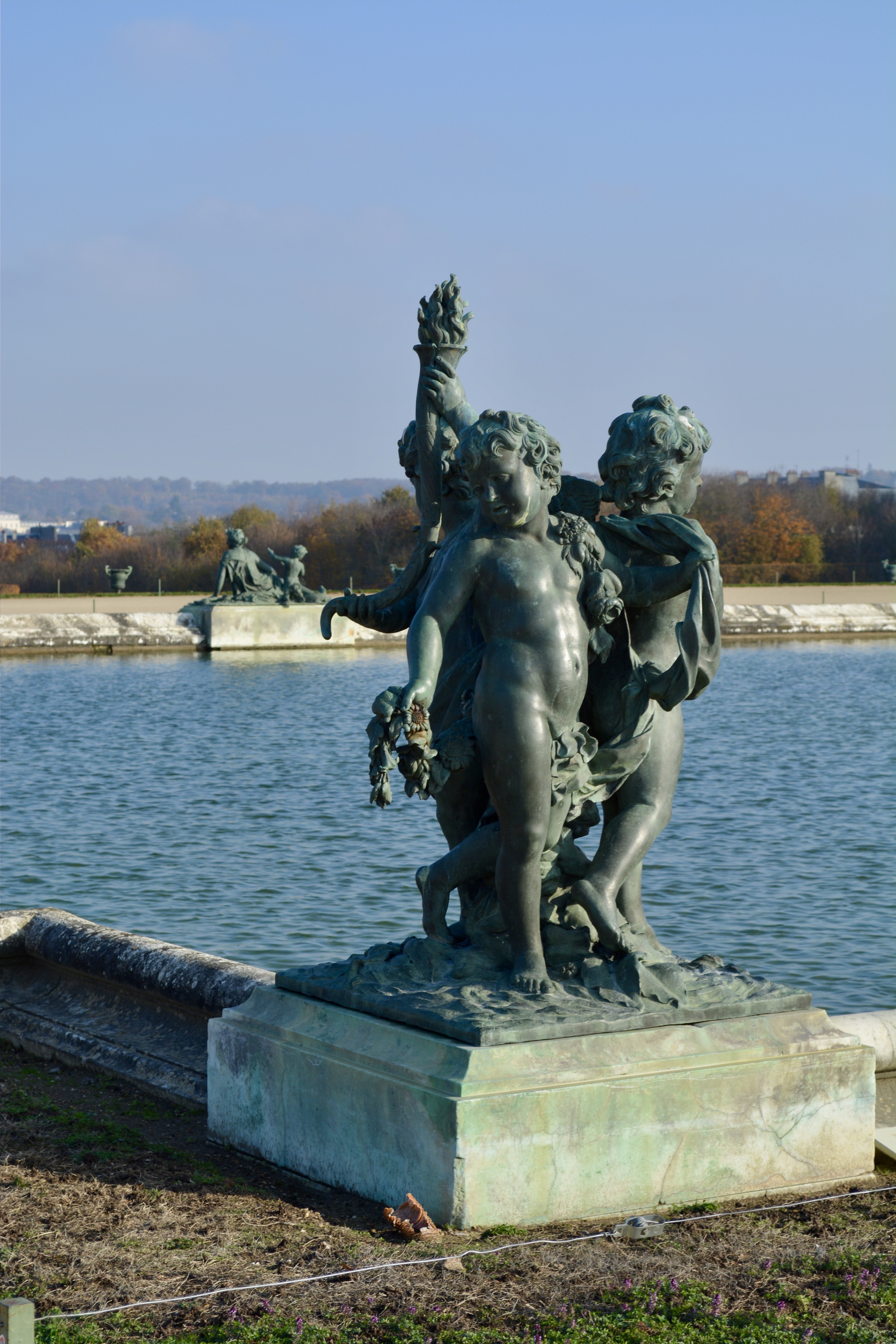
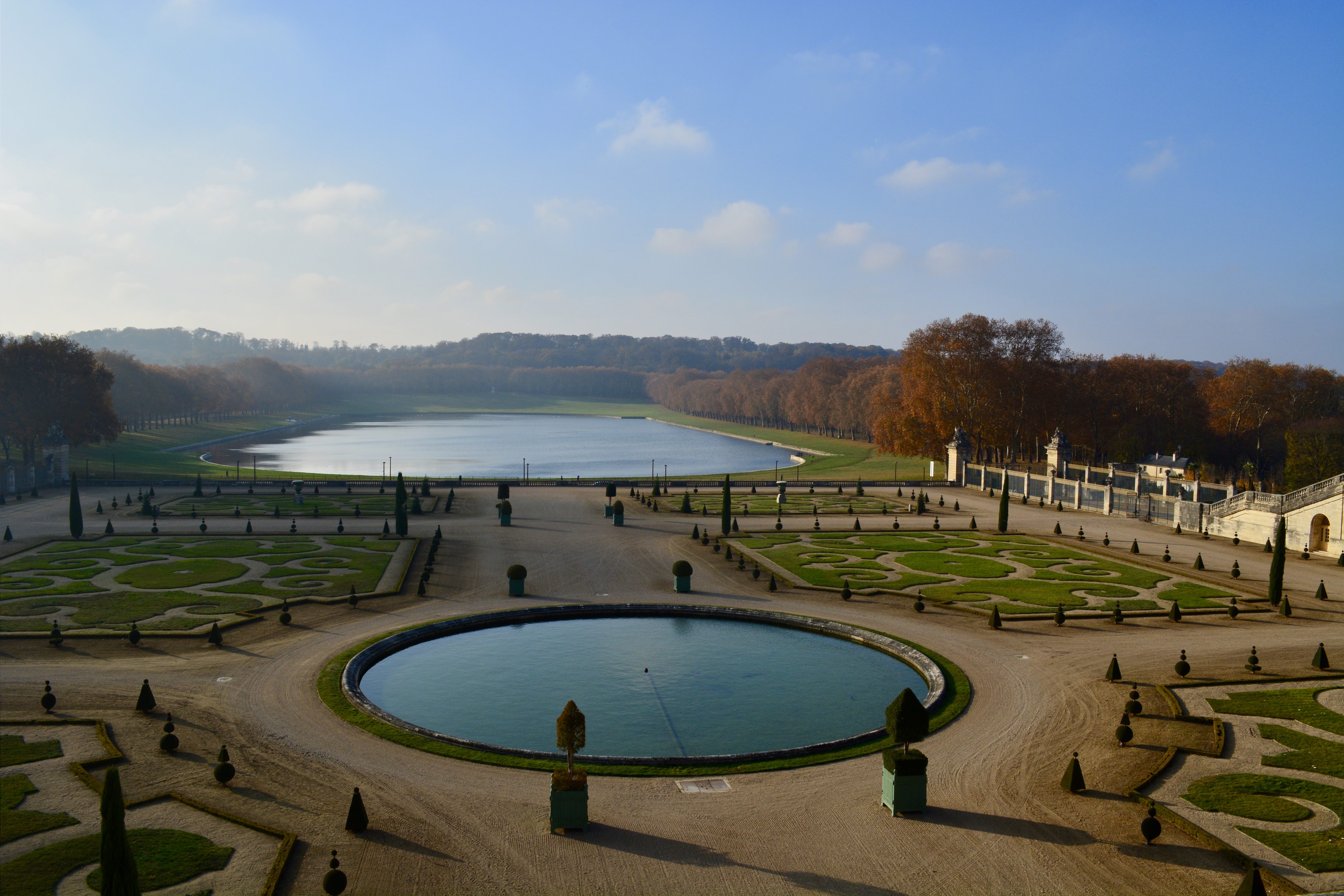
Even the gardens tell stories – of order imposed on nature, beauty as a symbol of control.
Reflections Leaving the Palace
As the afternoon light softened, we circled back toward the palace gates. The same gold that had gleamed that morning now caught the setting sun, deepening into a warm amber glow. Versailles isn’t just a royal residence – it’s a statement in architecture form: power manifested through beauty, art, and control.
It’s overwhelming, almost theatrical – but that’s what makes it so human. Every gilded flourish whispers of ambition, vanity, and the longing to be remembered.
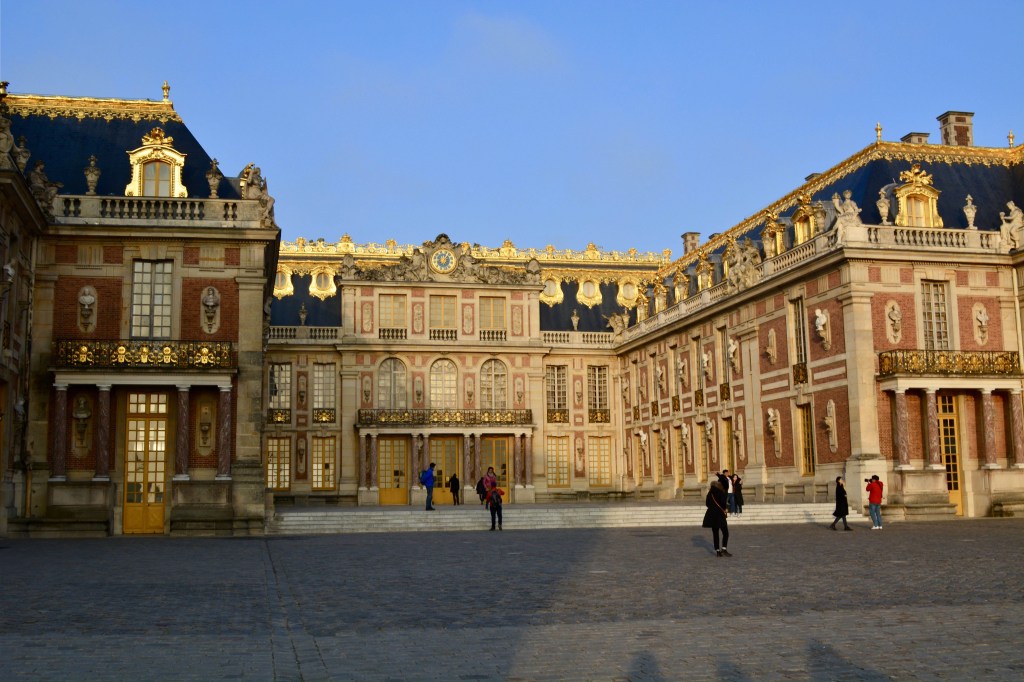
Versailles at sunset – the palace glowing one last time before the light fades, as if reluctant to let go of the day.
By the time we returned to Paris, the city protests had flared up again, reminding us that France’s story has always been a tug-of-war between grandeur and revolution. The same spirit that built Versailles eventually stormed it. And yet, somehow, it still stands – a glittering contradiction that refuses to be forgotten.
Click Wander & Savor Tips: Visiting Versailles
• Go early – really early. The crowds grow fast, especially at the Hall of Mirrors. Arriving before 9:30 a.m. means you’ll see the palace before it feels like a theme park.
• Buy skip-the-line tickets in advance (or a guided entry pass). It’s worth every euro, especially if you’re on a tight Paris itinerary.
• Consider a weekday visit. Tuesdays and weekends are the busiest. Wednesdays and Fridays are quieter.
• Wear comfortable shoes. The gardens are vast – think miles, not blocks – and you’ll want to explore at least part of them on foot.
• Plan for half a day minimum. Three to four hours inside and out is ideal, but full-day explorers will still find more to see.
• Don’t rush the gardens. Even if you skip the musical fountain shows, the peaceful walk is its own kind of luxury.
• Bring water and snacks. There’s a café inside, but it’s often crowded and expensive.
 Click, Wander & Savor