Šibenik, Krka & A Croatian Toast to the Good Life
Croatia has a way of making every day feel cinematic. One morning you’re wandering through medieval streets, the next you’re swimming beneath waterfalls that look like they belong in a dream, and by afternoon, you’re sipping wine poured by someone who feels like family. This day had it all – stone, water, laughter, and a little too much wine and cheese.
Šibenik: Stone, Silence, and a City That Feels Like a Secret
Our first stop was Šibenik, a city that doesn’t shout for attention like Dubrovnik or Split – it simply exists, effortlessly beautiful. Built where the Krka River meets the Adriatic, it’s Croatia’s oldest native coastal city and feels like a place that’s been watching centuries come and go with quiet confidence.
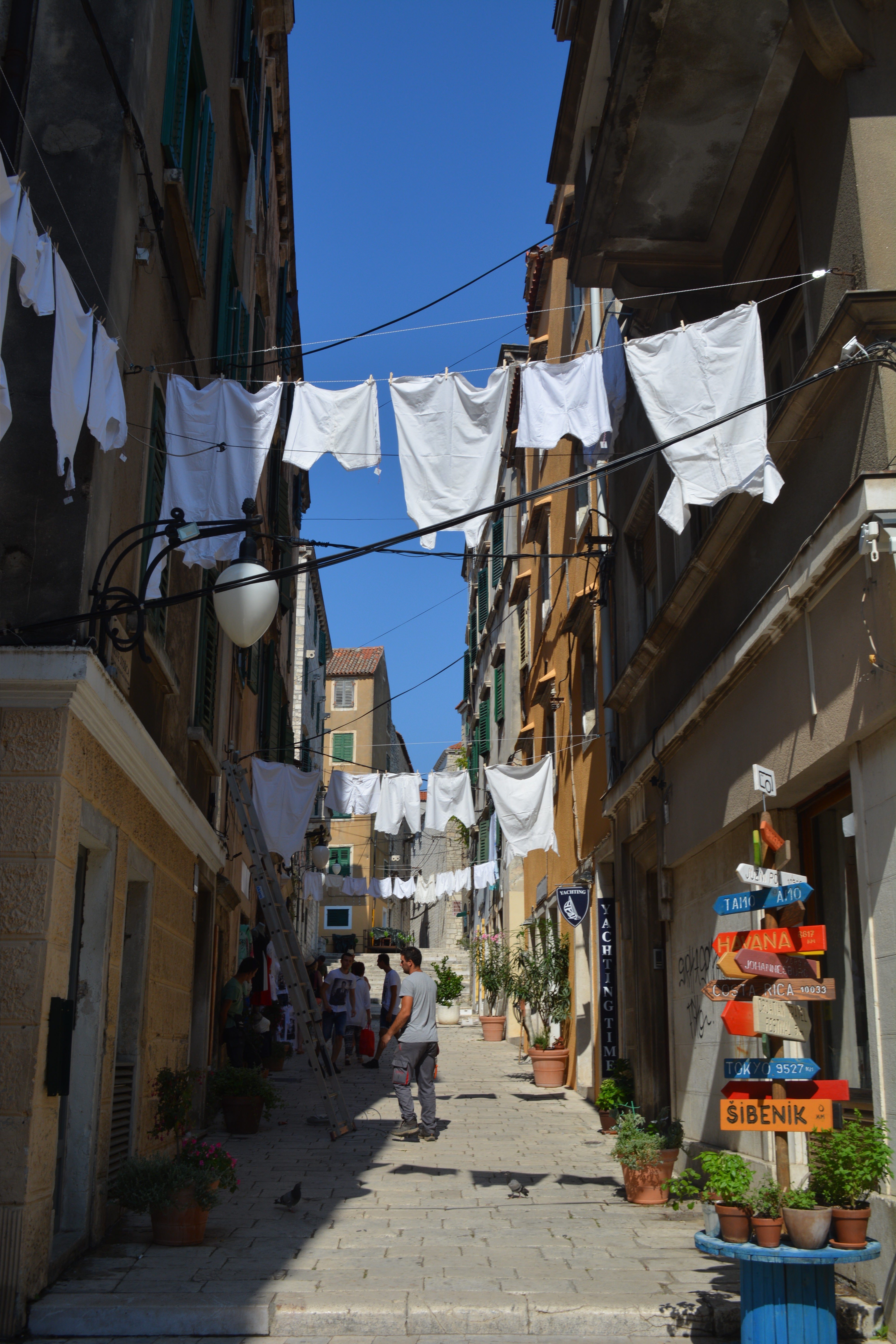
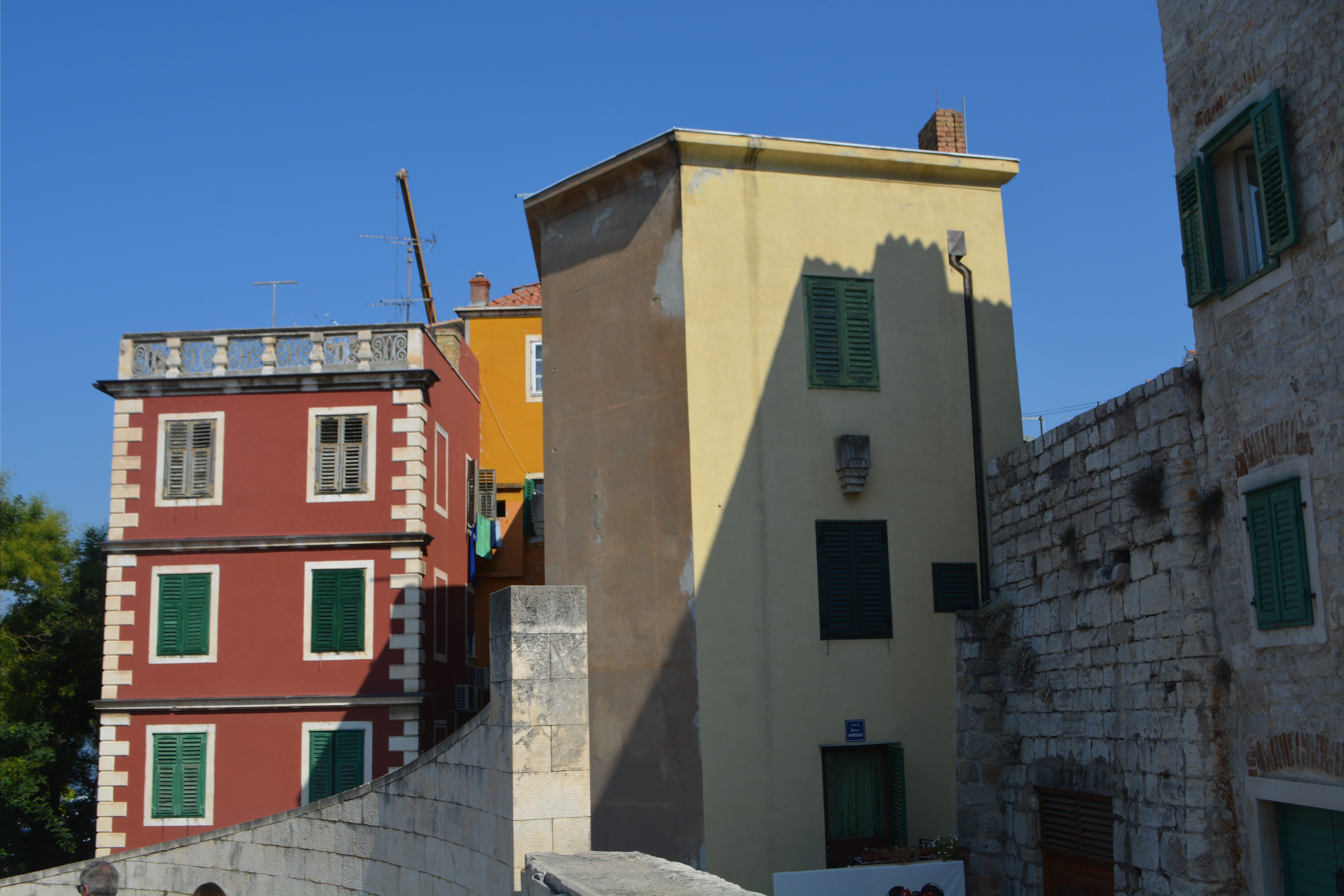
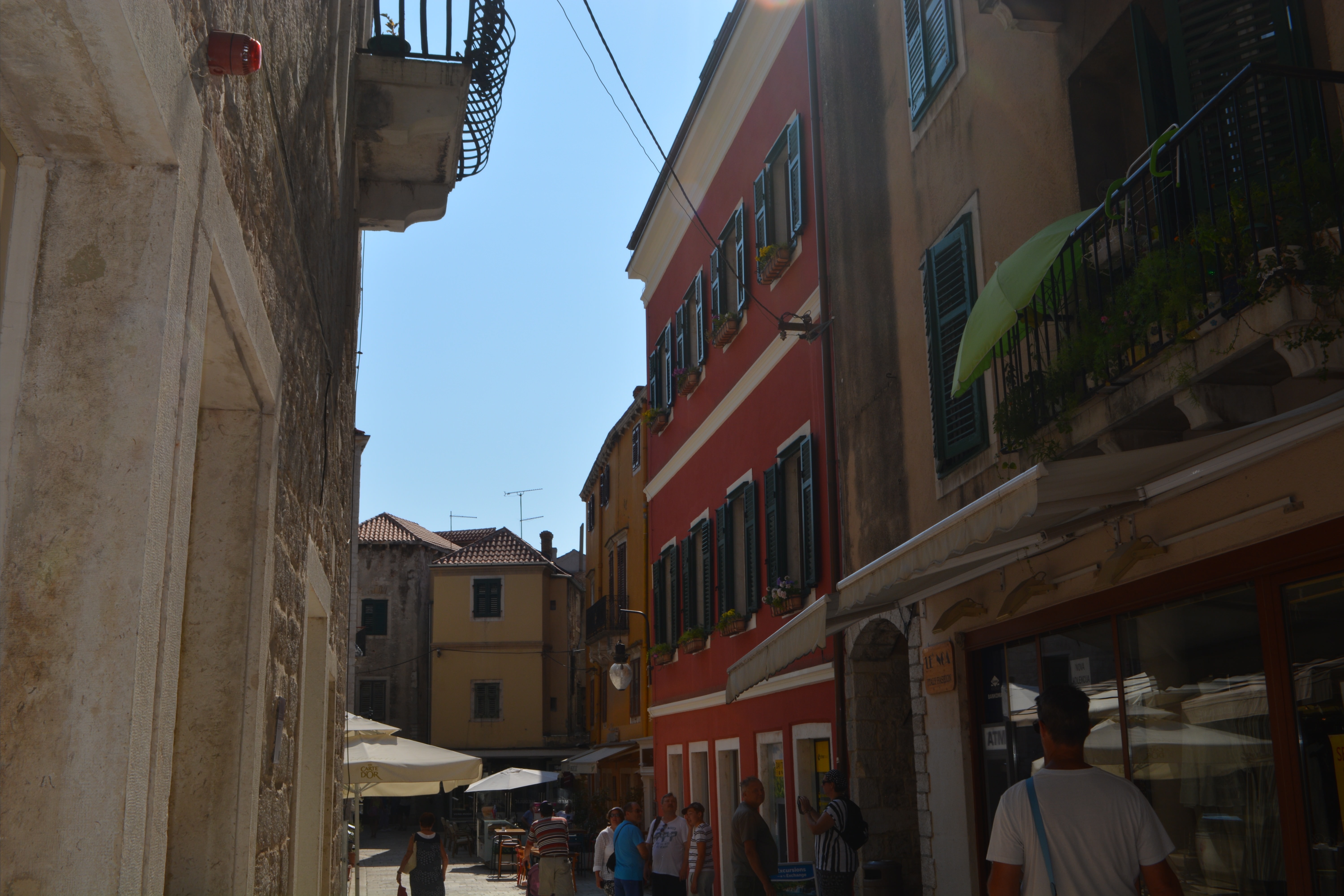
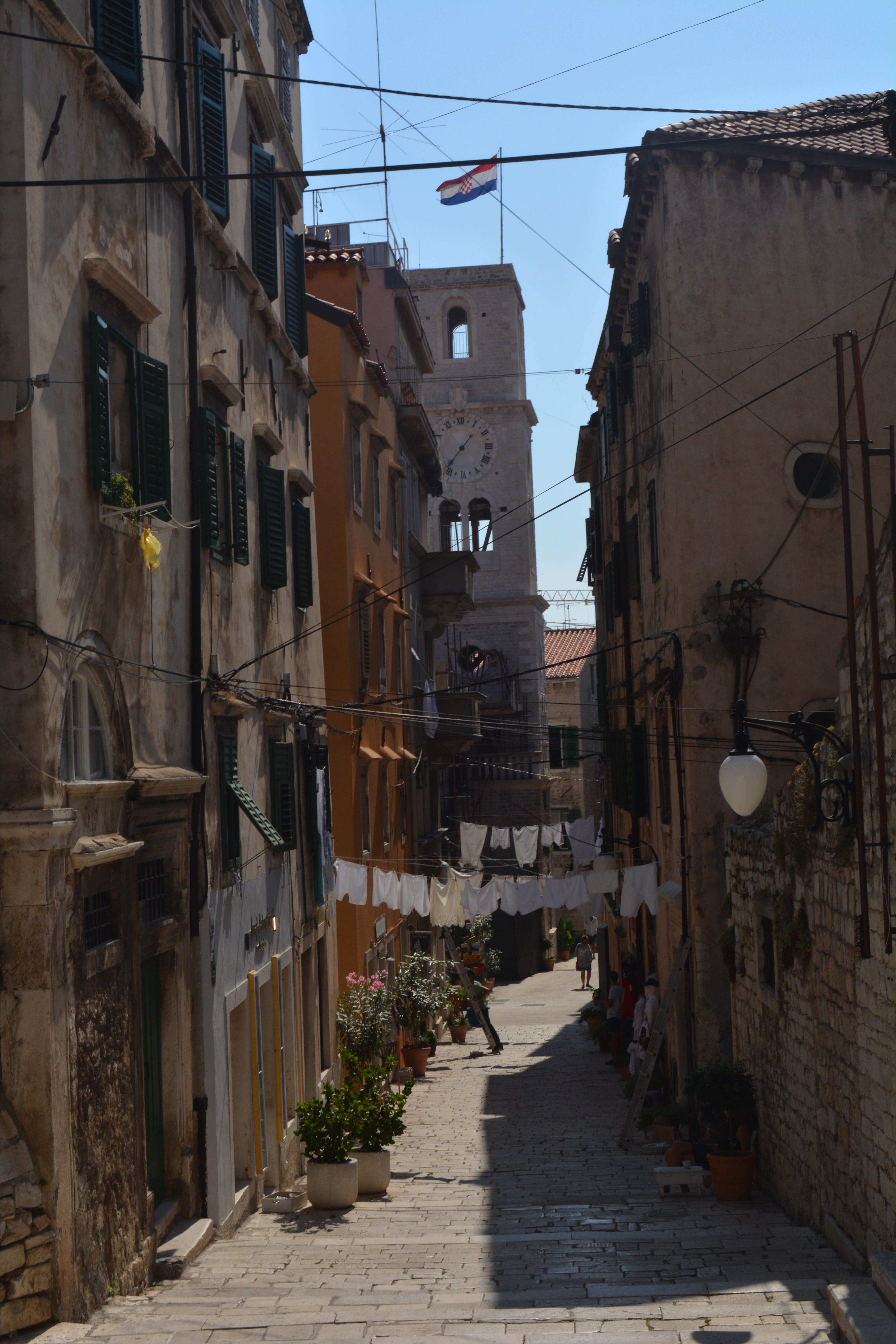
We entered the old town under soft morning light, the stones still cool beneath our feet. Narrow lanes twisted between pale limestone buildings, green shutters flung open to the sea breeze. Laundry flapped above like flags of domestic peace, and the only sounds were clinking coffee cups and the occasional cat stretching in a sunbeam. It was peaceful, unhurried, the kind of place that asks you to slow down and notice.
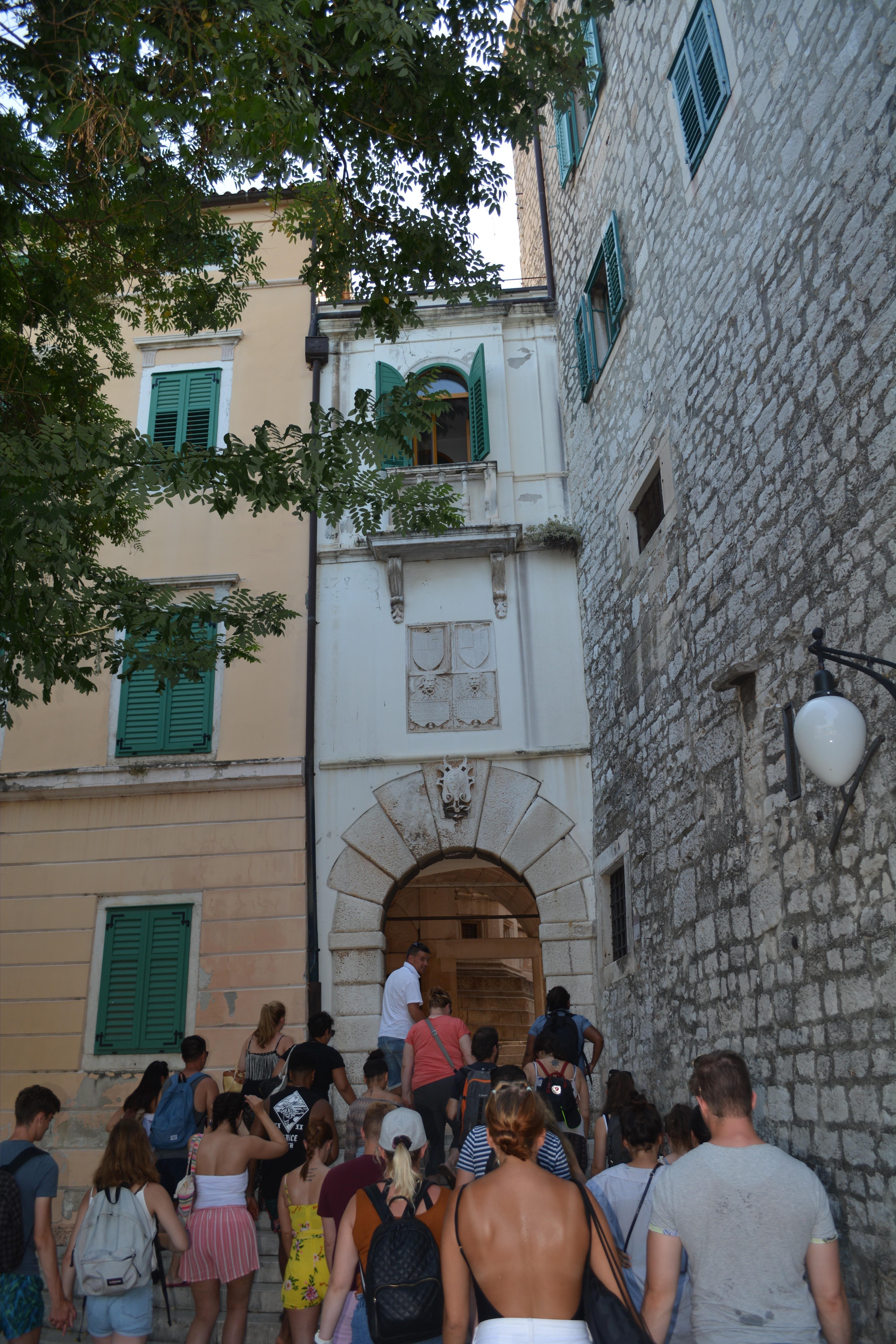
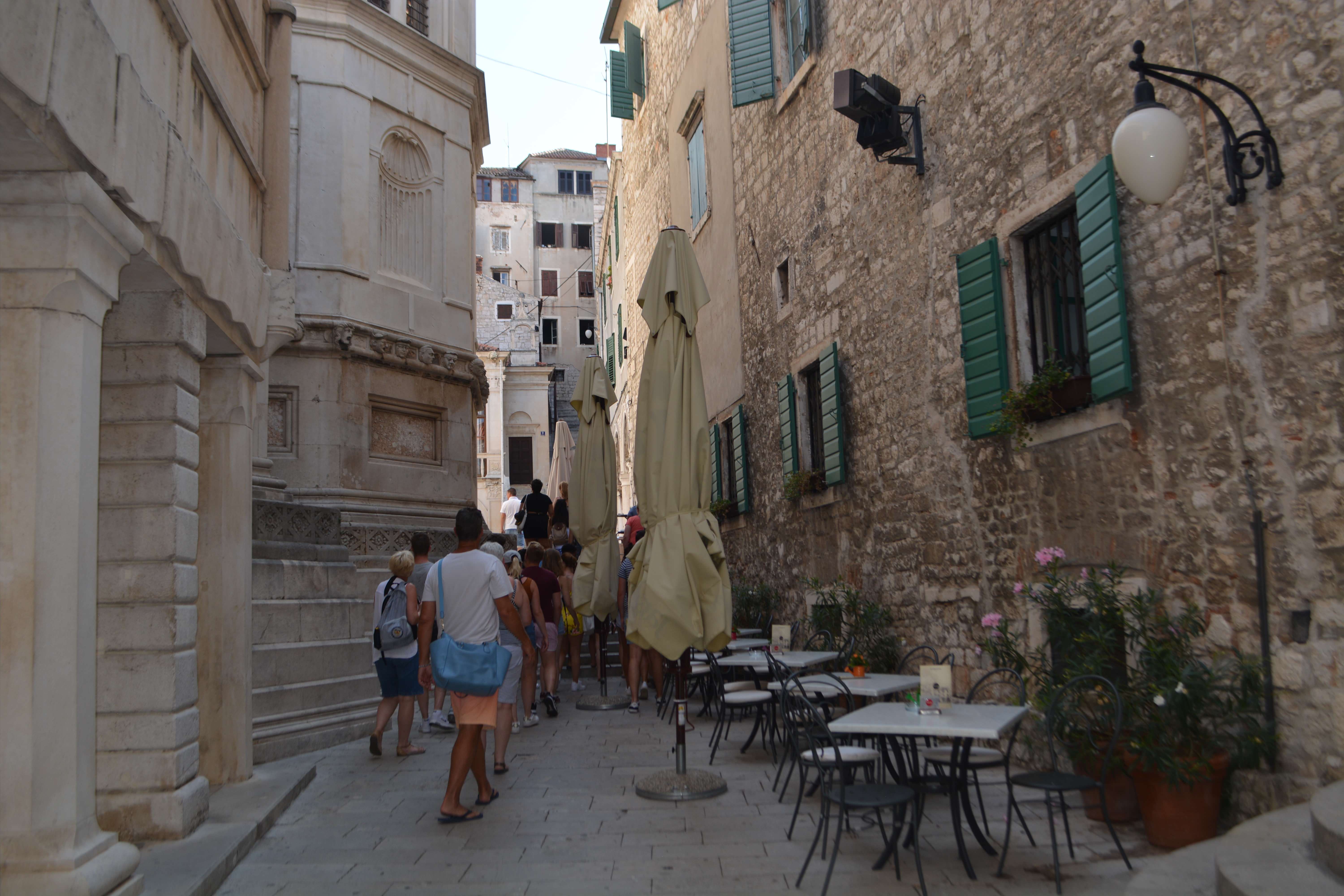
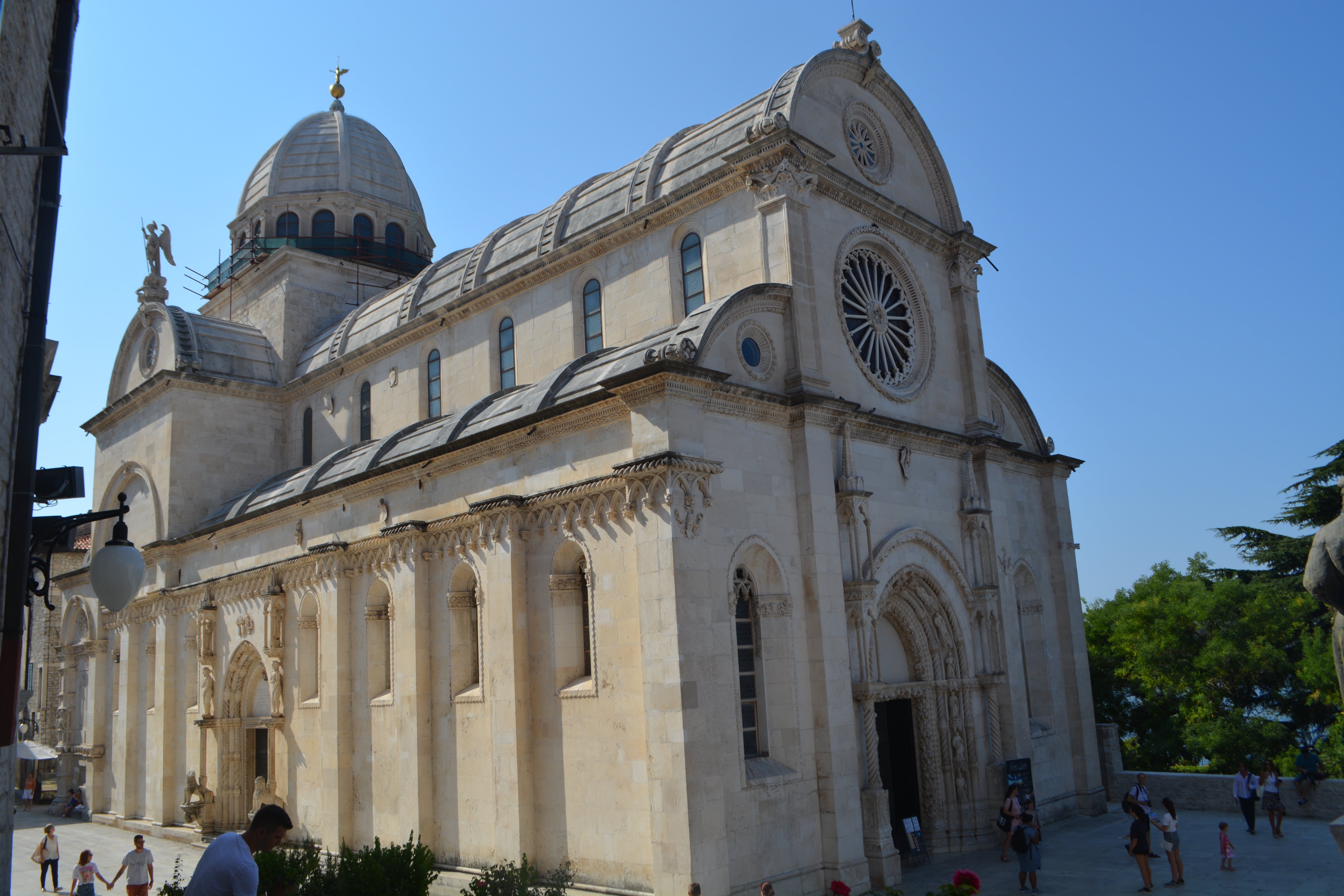
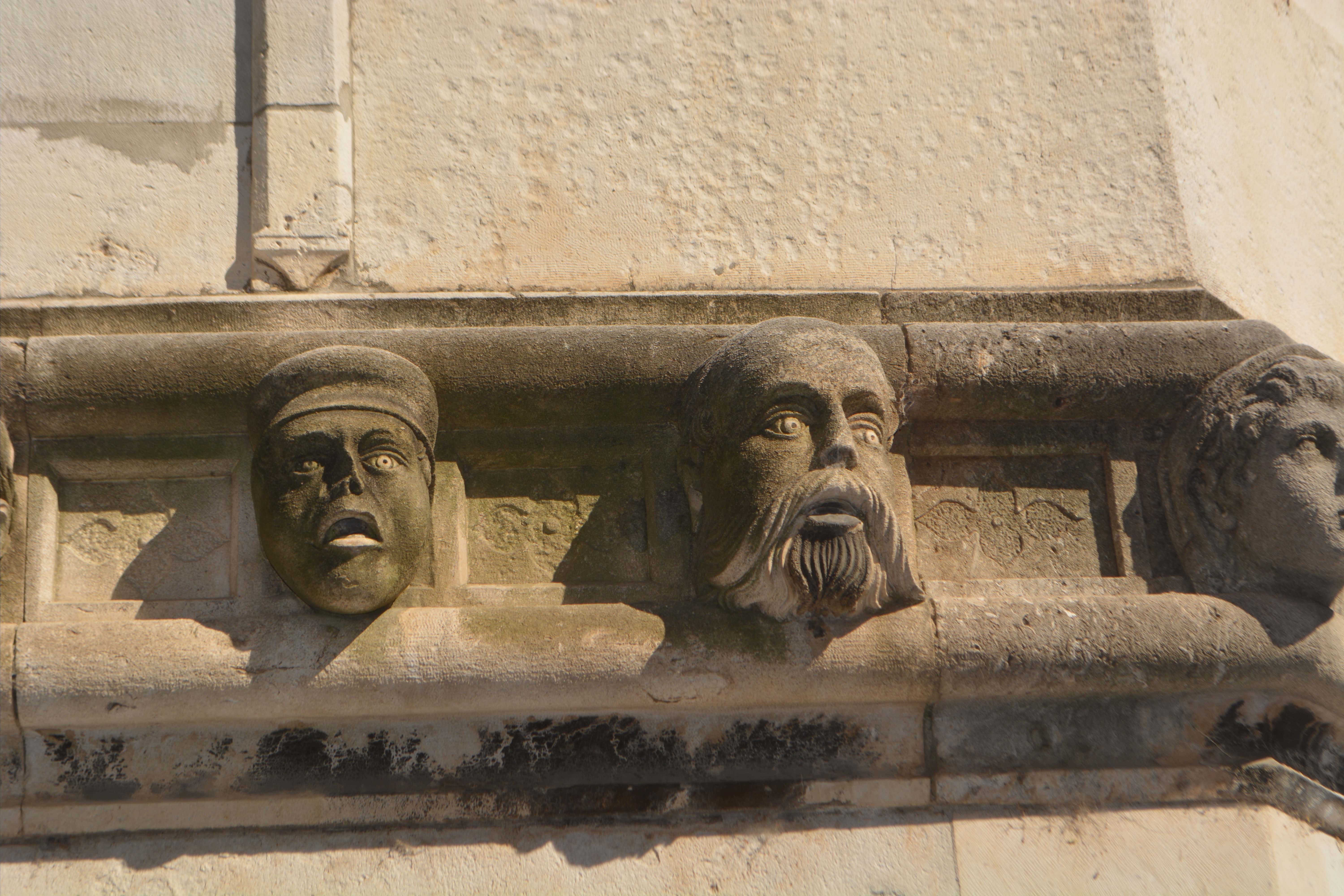
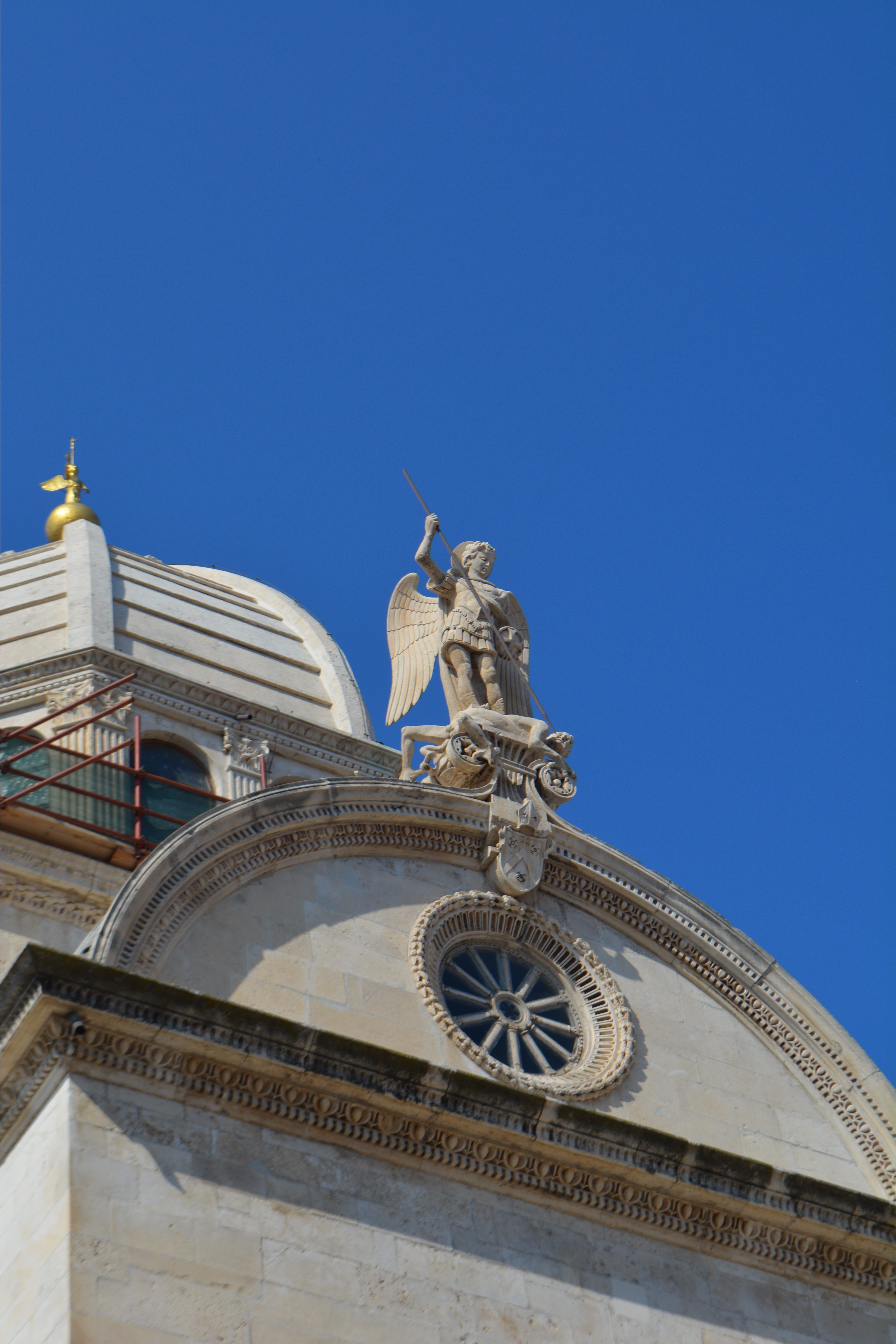
At the heart of it all stands the Cathedral of St. James – a masterpiece of 15th-century engineering by Juraj Dalmatinac, Šibenik’s own Renaissance genius. Built entirely of white limestone without a drop of mortar, it’s both fortress and poem. The cathedral is a UNESCO World Heritage Site, recognized for its extraordinary fusion of Gothic and Renaissance architecture and for the innovative construction techniques that were centuries ahead of their time. Around the apse, seventy-one sculpted heads stare down from the stone – local citizens immortalized in mid-expression. Some look serene, some skeptical, one definitely looks like he’s just realized how much this renovation cost.
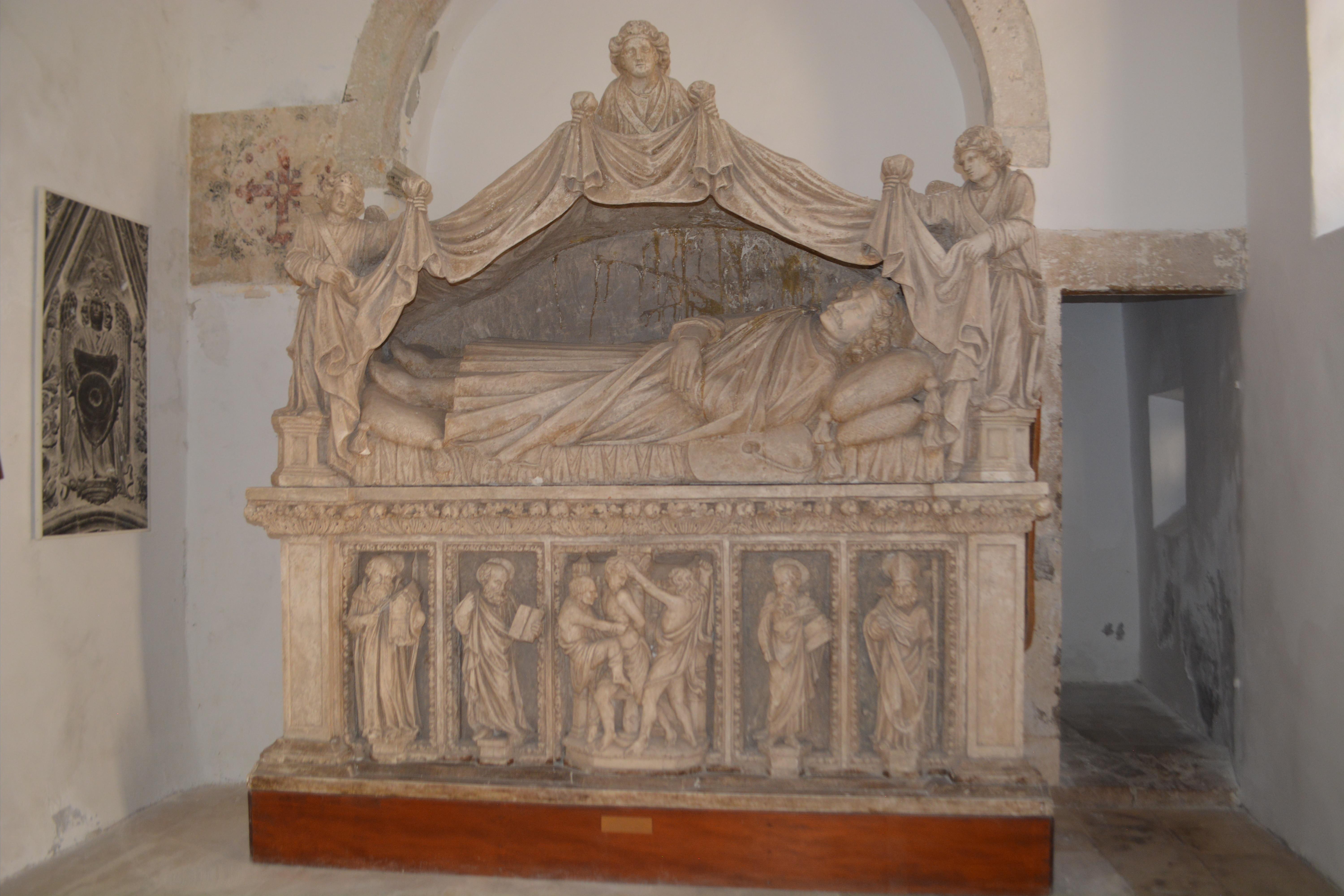
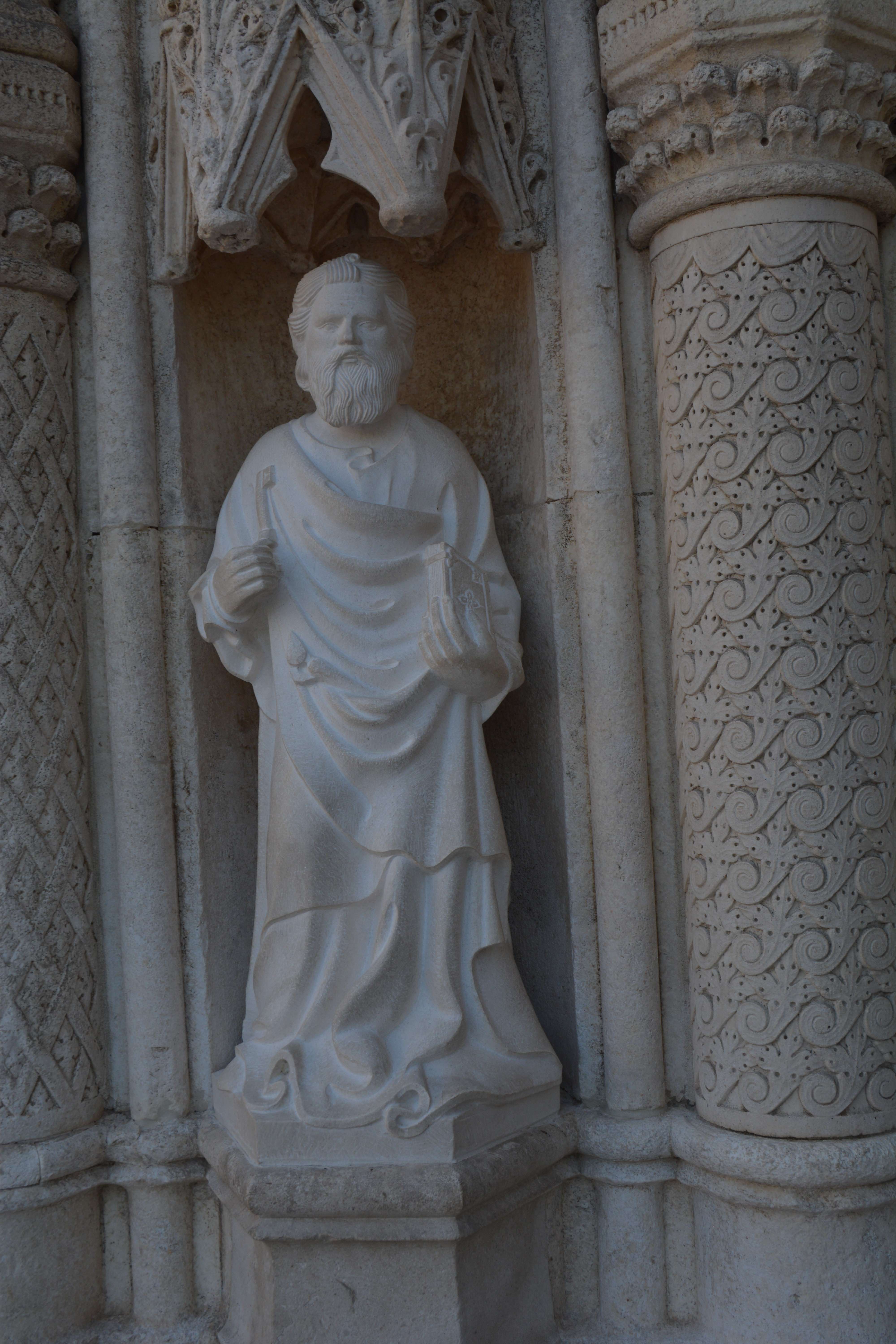
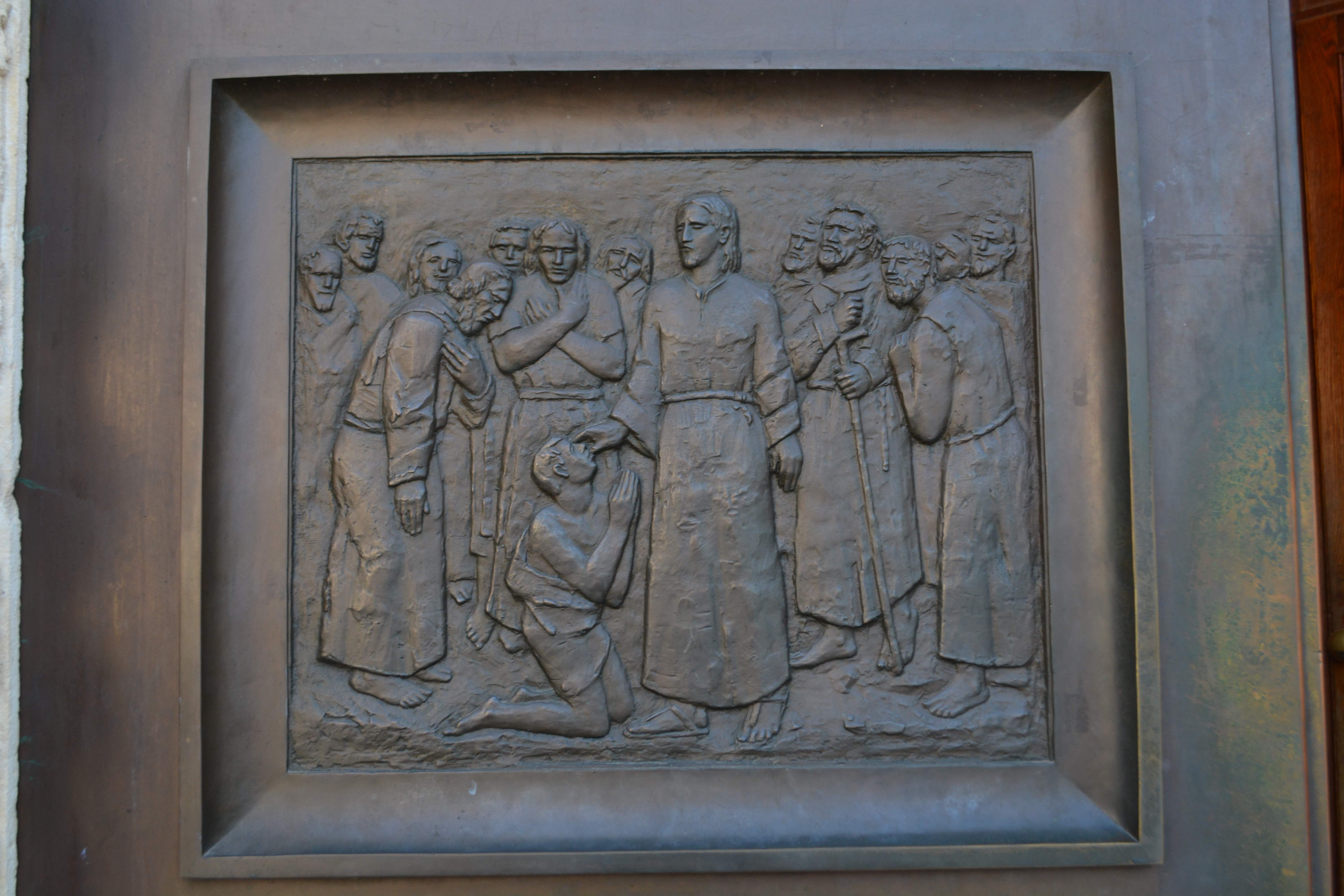
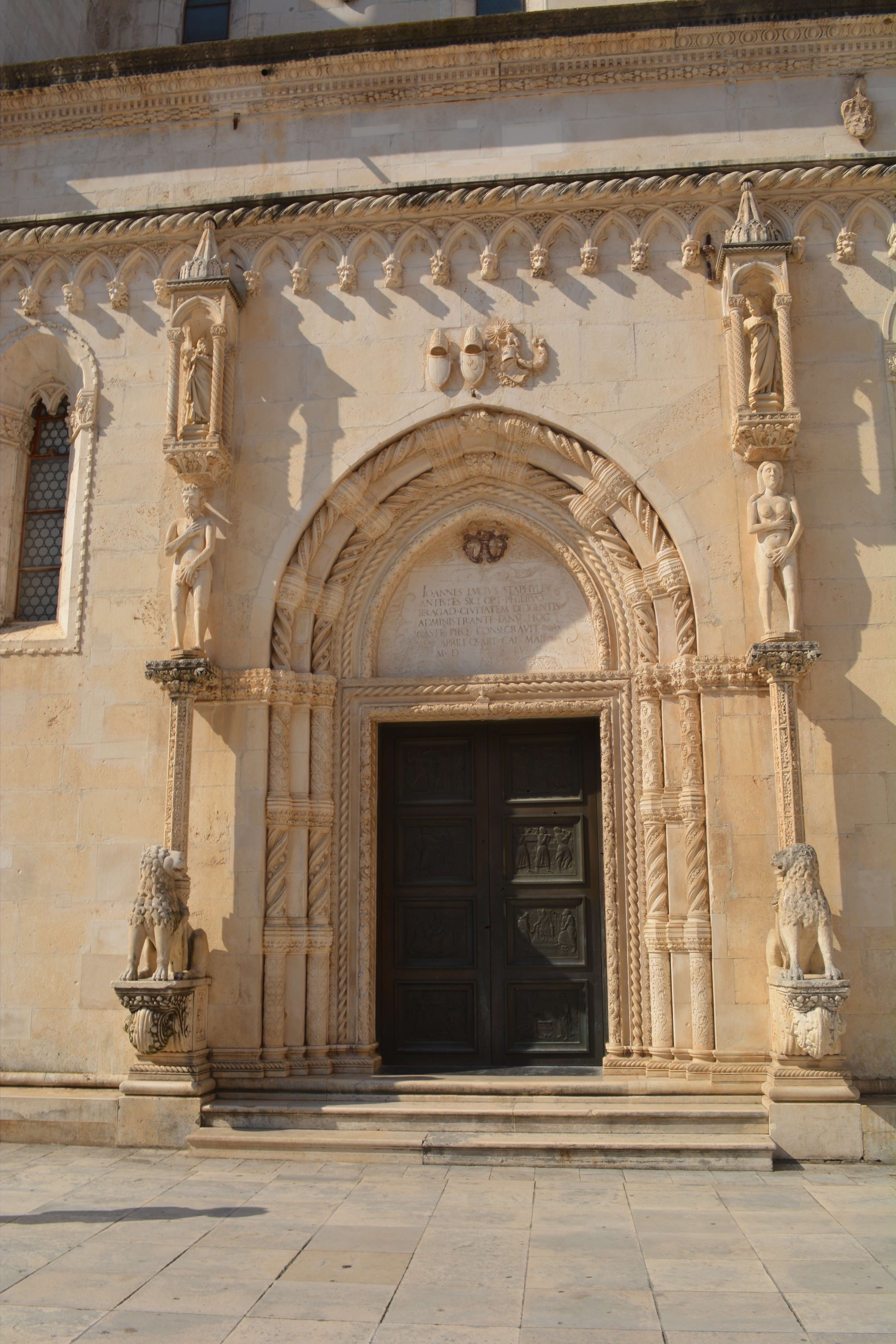
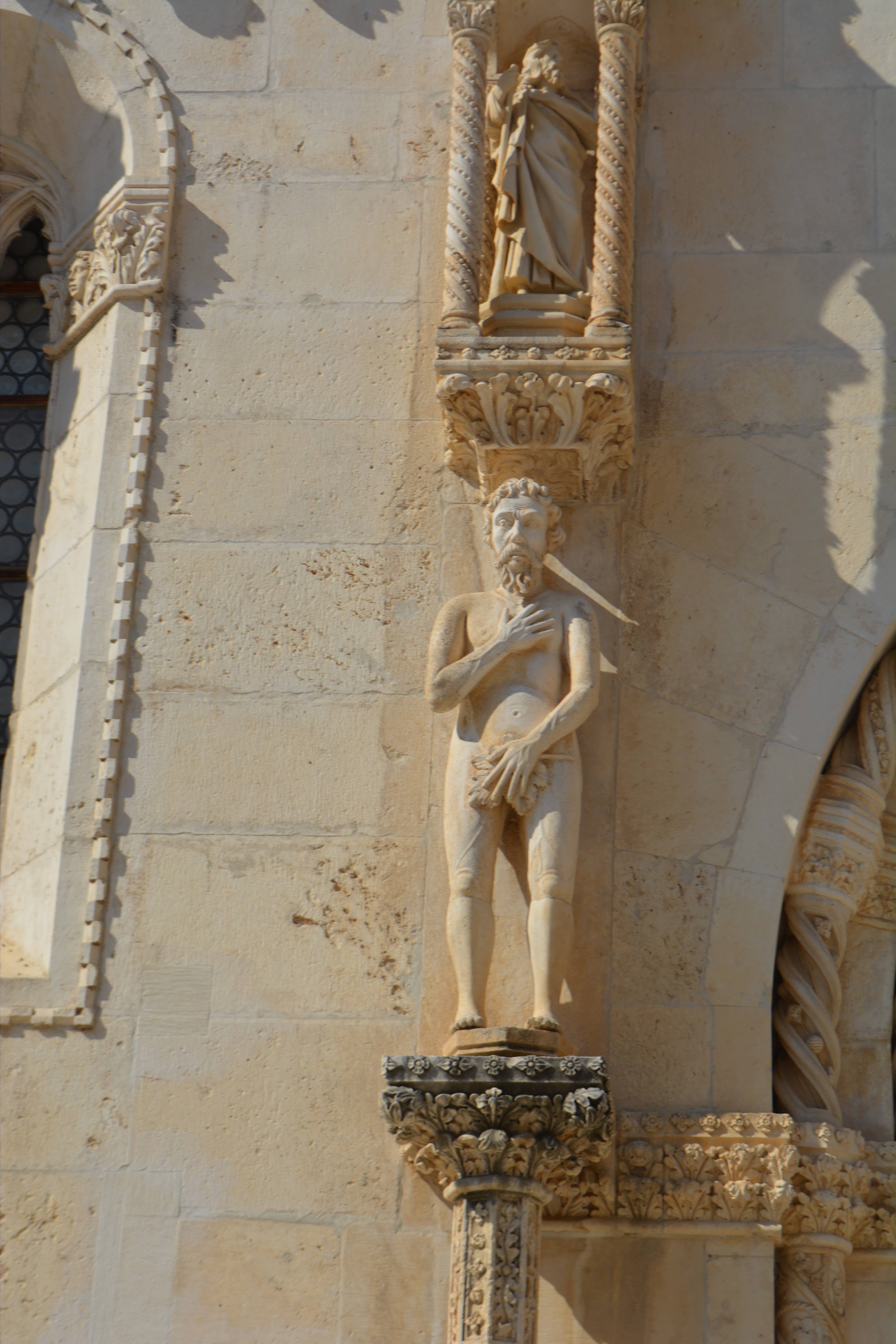
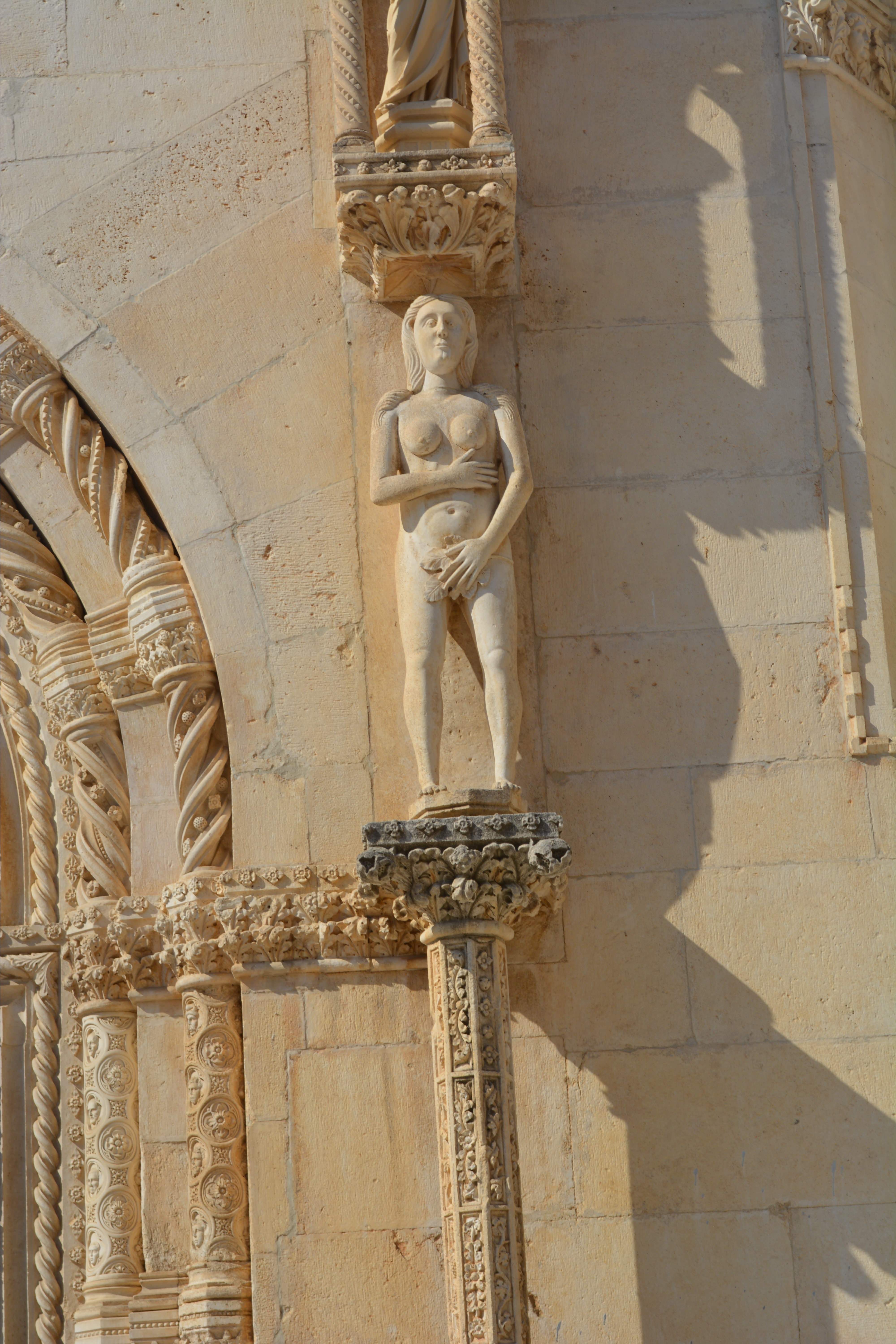
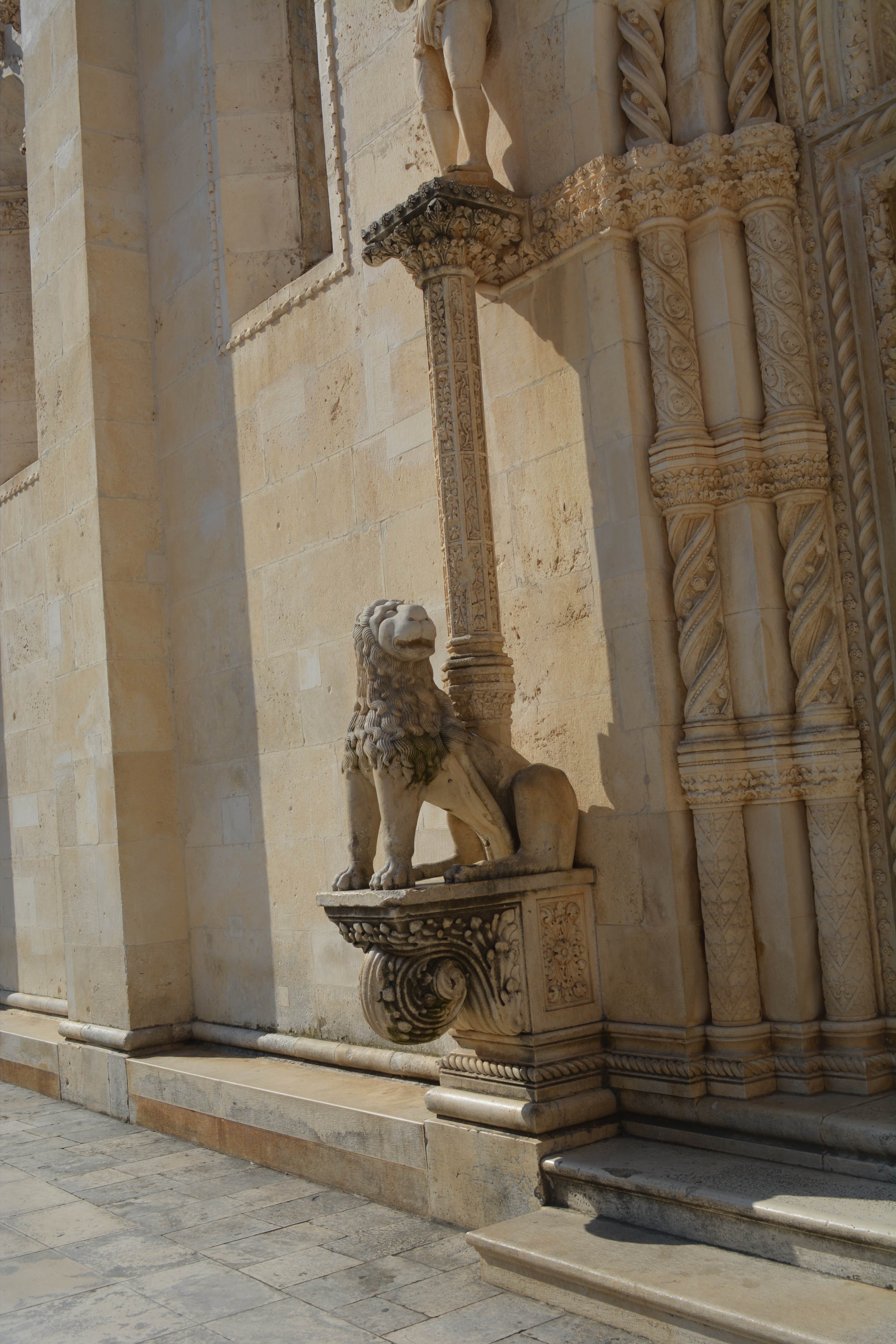
The famous Lion Gate features Adam and Eve standing bashfully over two proud lions. Eve looks appropriately guilty; Adam looks like he’d rather be anywhere else. It’s art with personality – detailed, human, and somehow timeless.
We lingered near the square, watching sunlight slide across the façade, and stopped for coffee under the shadow of the cathedral’s dome. The streets wound upward past stone staircases and potted geraniums, leading to a small square where Dalmatinac himself stands in bronze, forever inspecting his masterpiece. Before leaving, we passed a wooden signpost pointing to Bora Bora, Rio, and San Francisco – all thousands of kilometers away – and laughed. In that moment, I couldn’t imagine wanting to be anywhere else.

Krka National Park: Water That Dances, Rocks That Glow
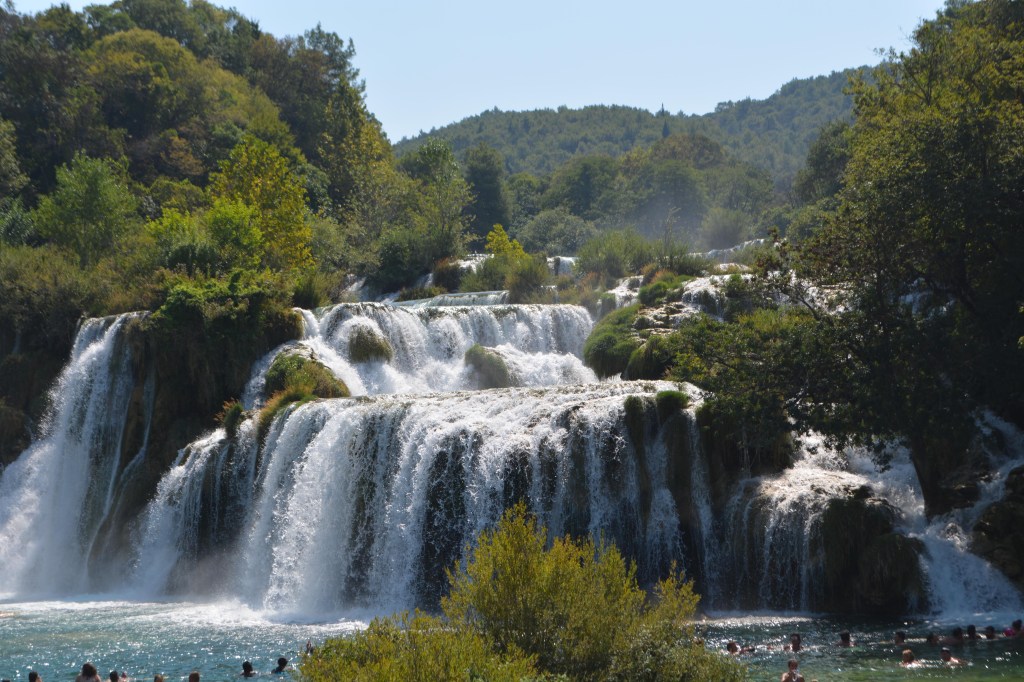
From Šibenik, our bus wound through olive groves and tiny hillside villages before dropping us near the entrance to Krka National Park. The air smelled of pine and river moss as we followed a wooden boardwalk that curved through forest and reeds, every few steps revealing a new shimmer of water or the rush of a hidden cascade. The sound built gradually – from trickle to roar – until we rounded a bend and there it was: Skradinski Buk.
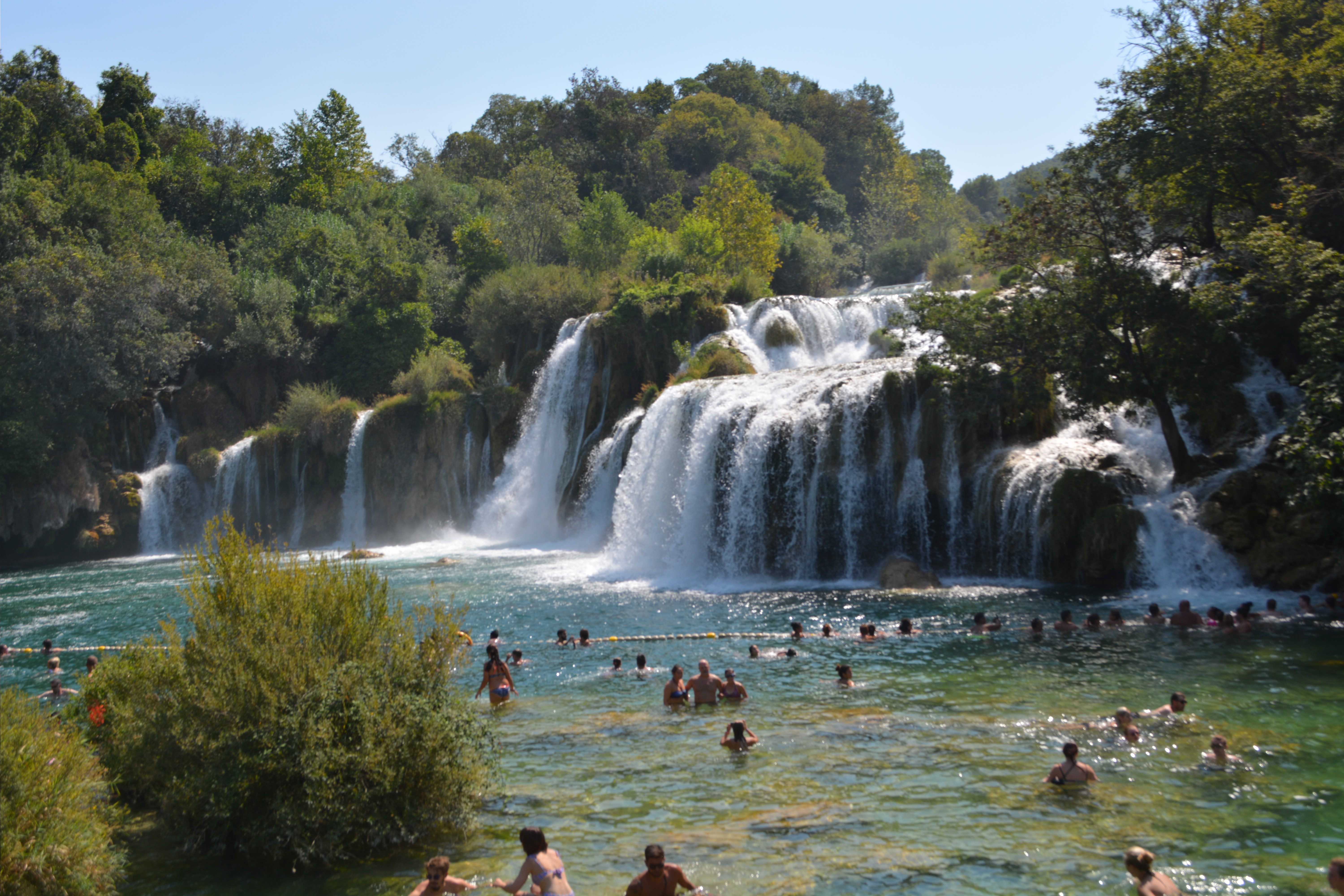
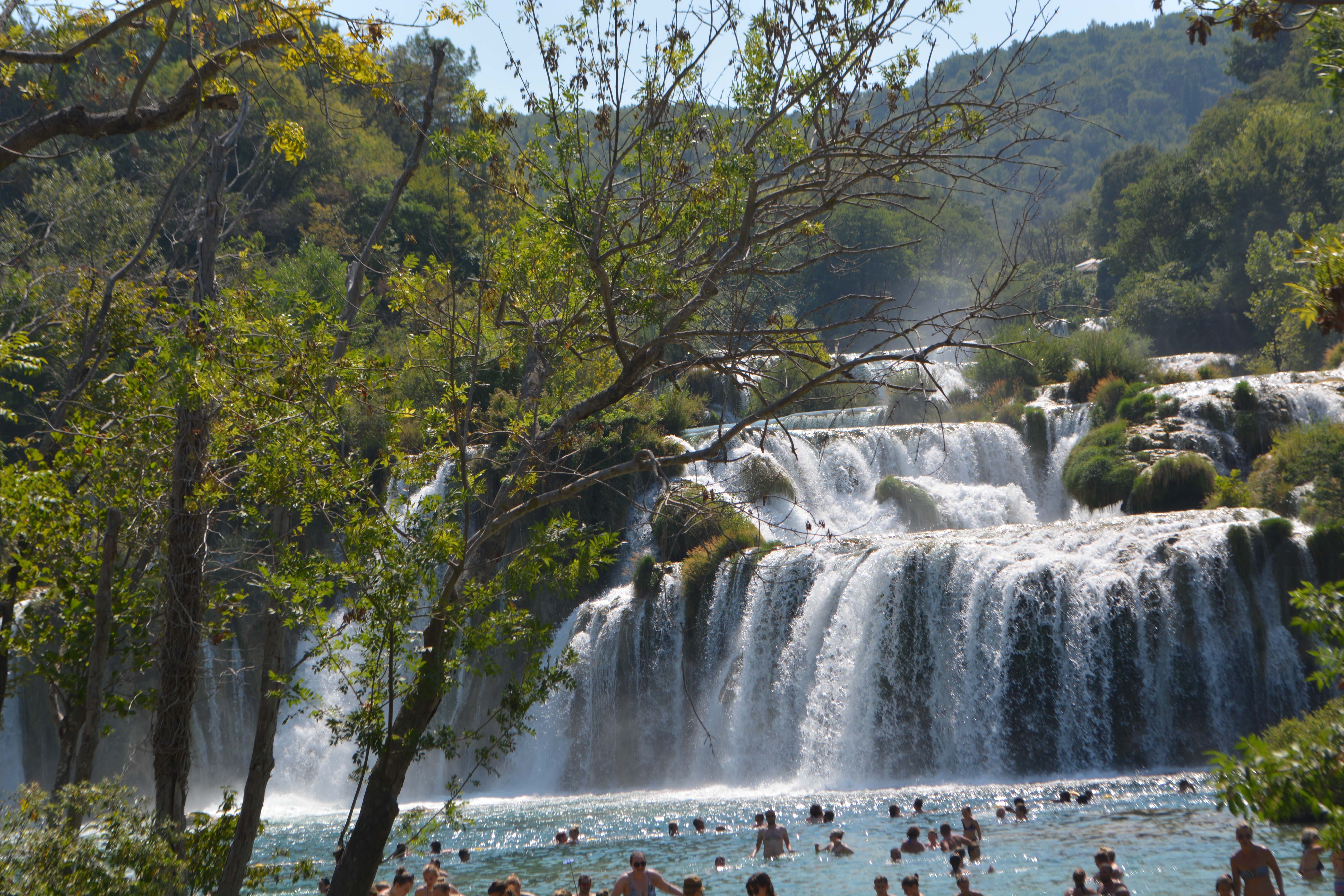
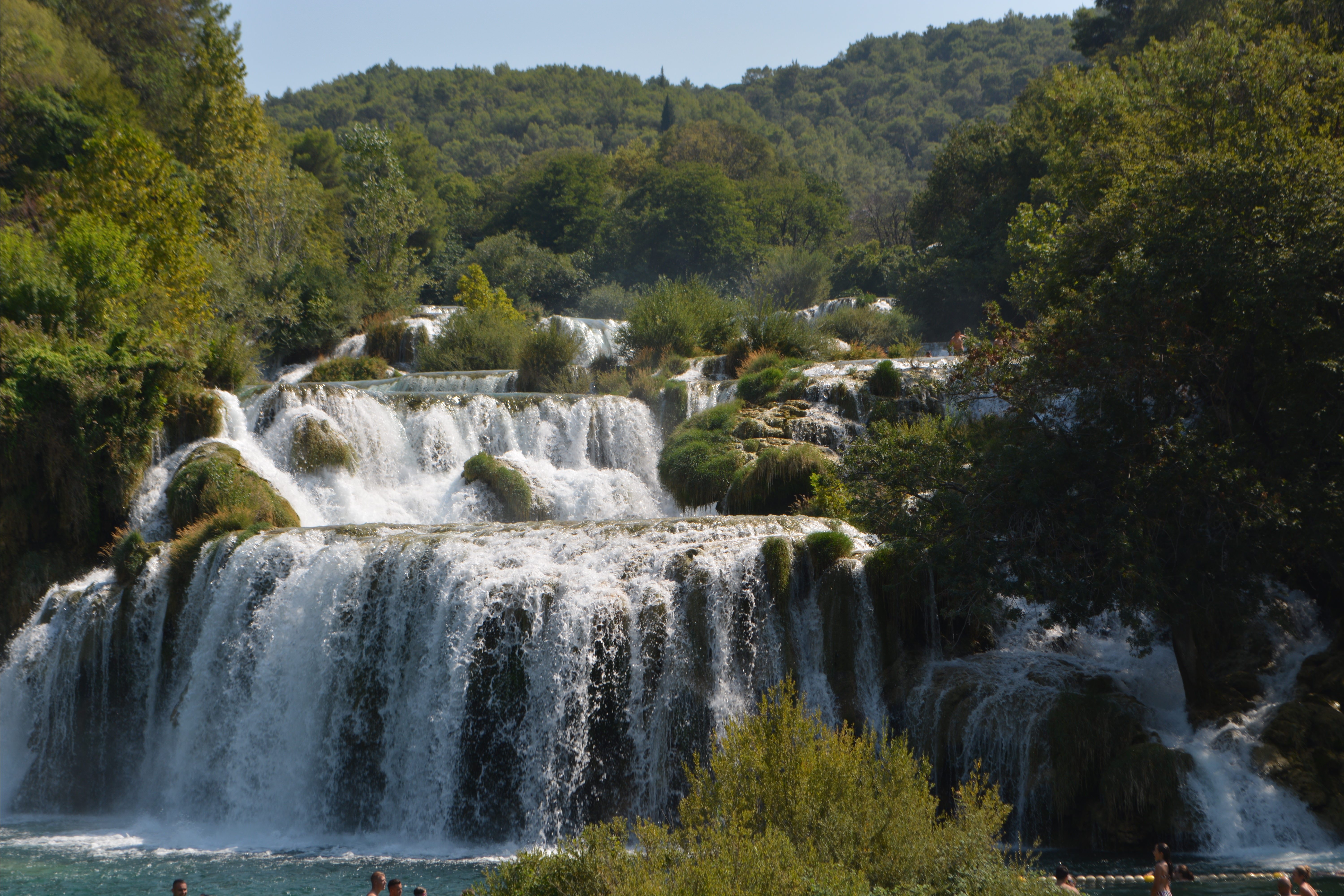
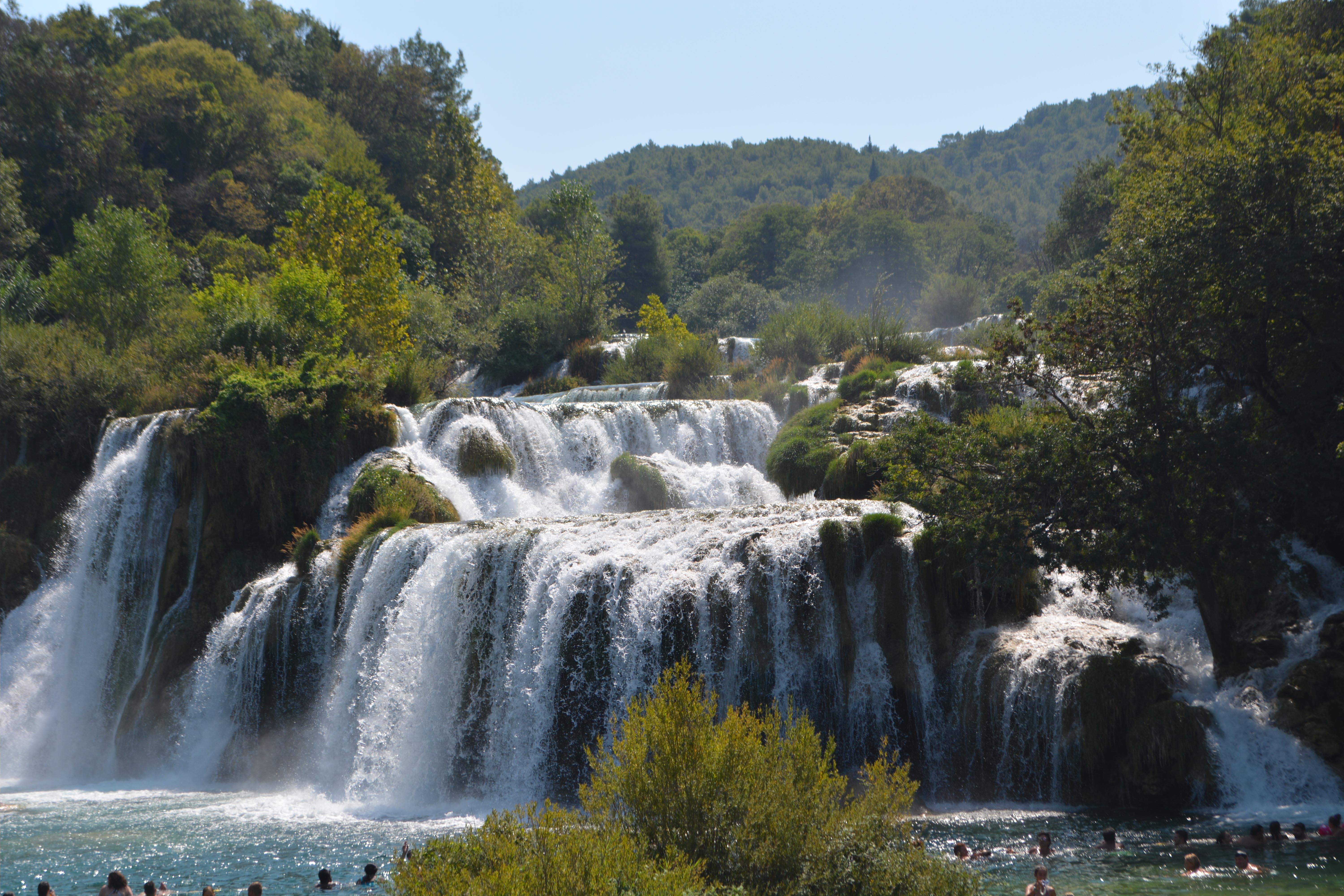
It’s hard to describe the first sight of Krka’s main waterfall. Seventeen tiers of tumbling water spill over terraced limestone, glinting silver under the sun. The air itself feels alive with mist. It’s like the world’s most elaborate fountain – except no human hand could have dreamed it up.
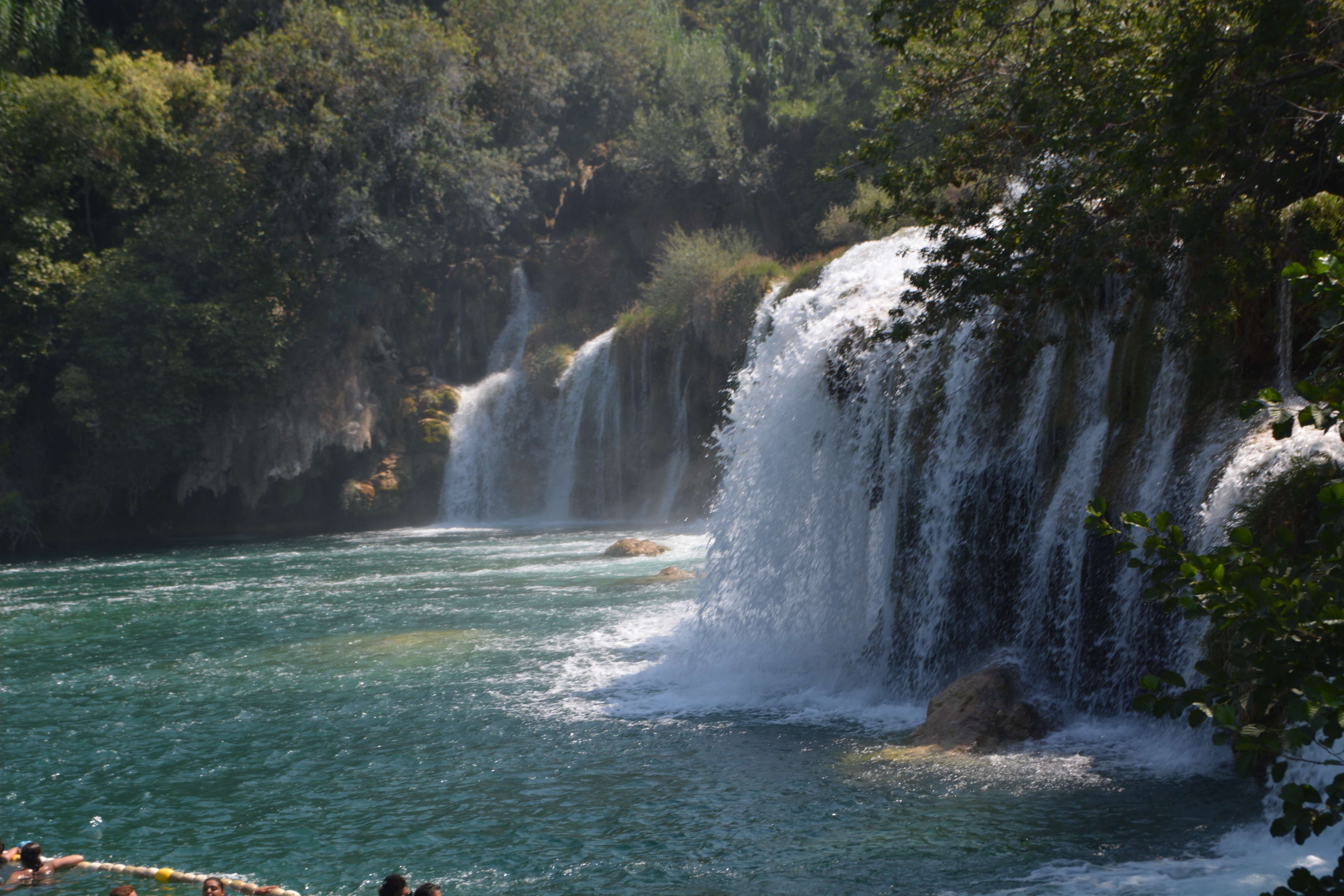
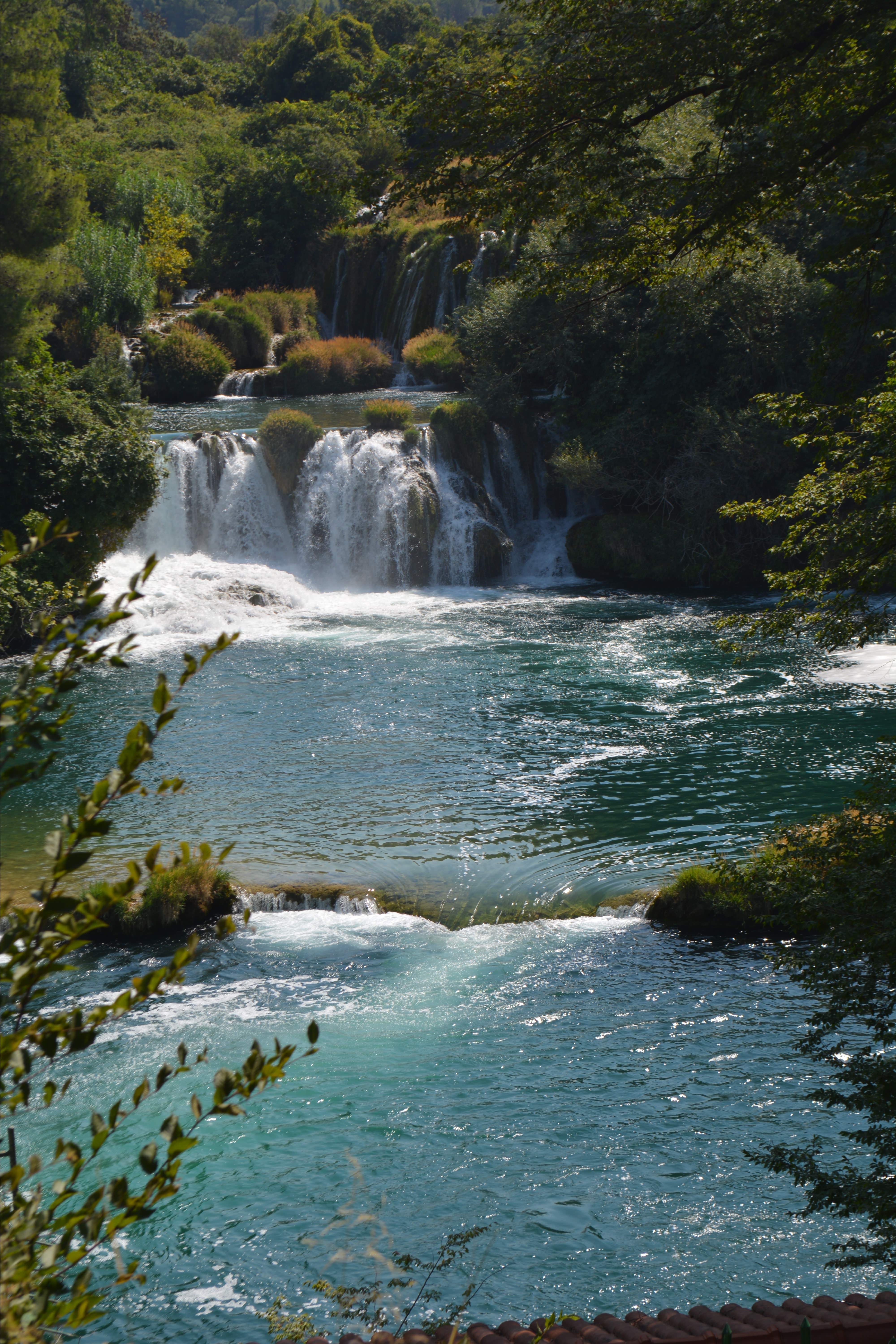
We followed the trail around the lagoon, stopping to stare from every angle. The water changed color constantly – deep jade near the rocks, turquoise in the shallows, and glass-clear where the sunlight caught it just right. Every so often a breeze carried the mist across our faces, cool and sweet, like nature’s air conditioning.
Eventually we found a patch of grass near the lower pools and dropped our things. Shoes off, swimsuits on, and we were in. The water was cold – the kind of cold that shocks you at first but then feels perfect. Smooth stones rolled underfoot as the current tugged playfully at our legs. Laughter carried across the pool, and even though the swimming area was roped off to keep people from drifting too close to the falls, it still felt wild.
Standing waist-deep in that water, with sunlight glancing off the spray and the roar of the falls filling the air, it was impossible not to smile. You could feel the power of the place – ancient, raw, and soothing all at once. We swam out toward the rope, floated for a while, and just let the view sink in. Layers upon layers of water poured endlessly forward, each cascade feeding the next like a living staircase of motion.
When we finally climbed out, we sat by the edge to dry, watching swimmers drift by in the golden afternoon light. It was one of those rare travel moments where you know, even as it’s happening, that it will never fade from memory.
Eco Store Croatia: Where Wine Meets Good Manners
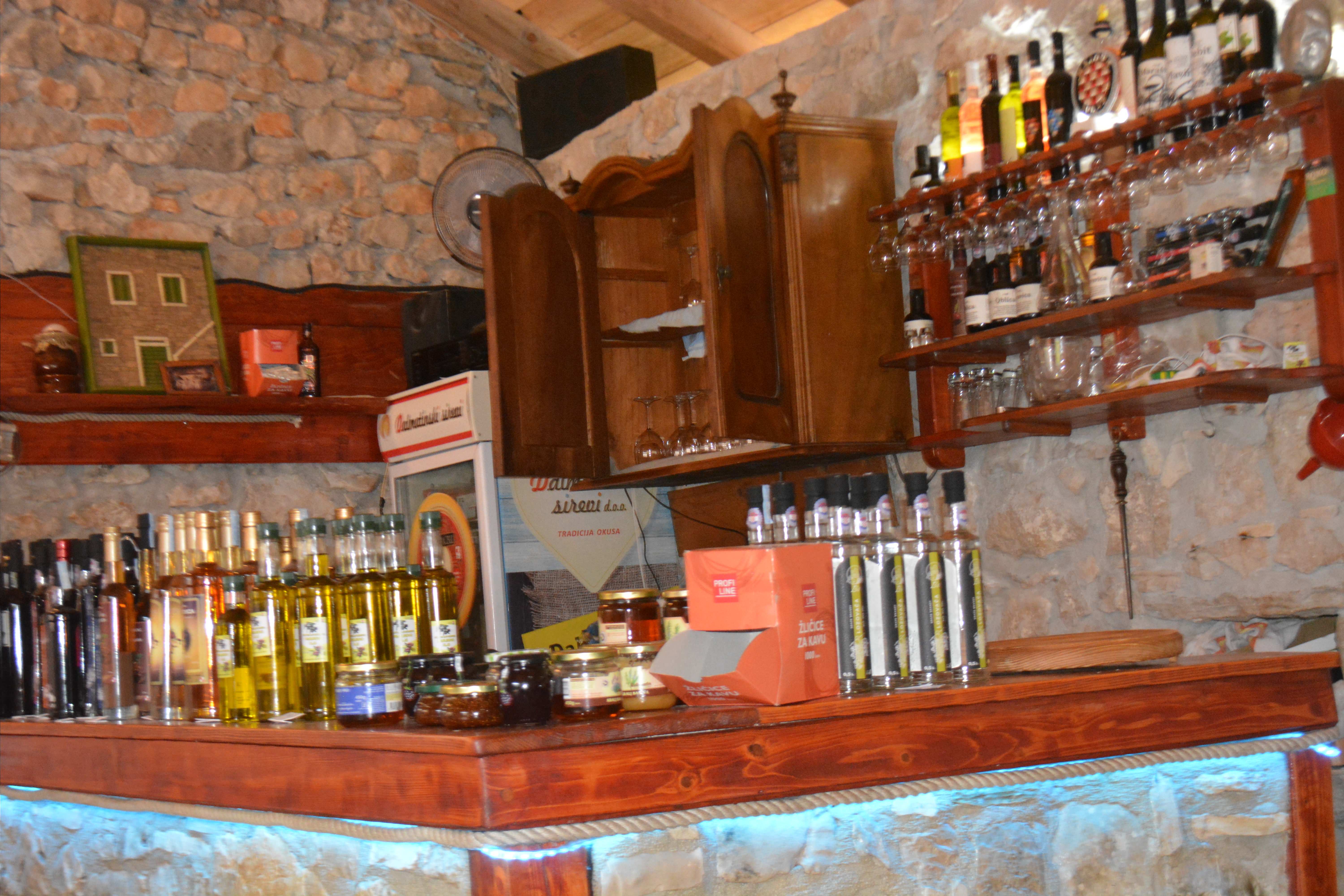
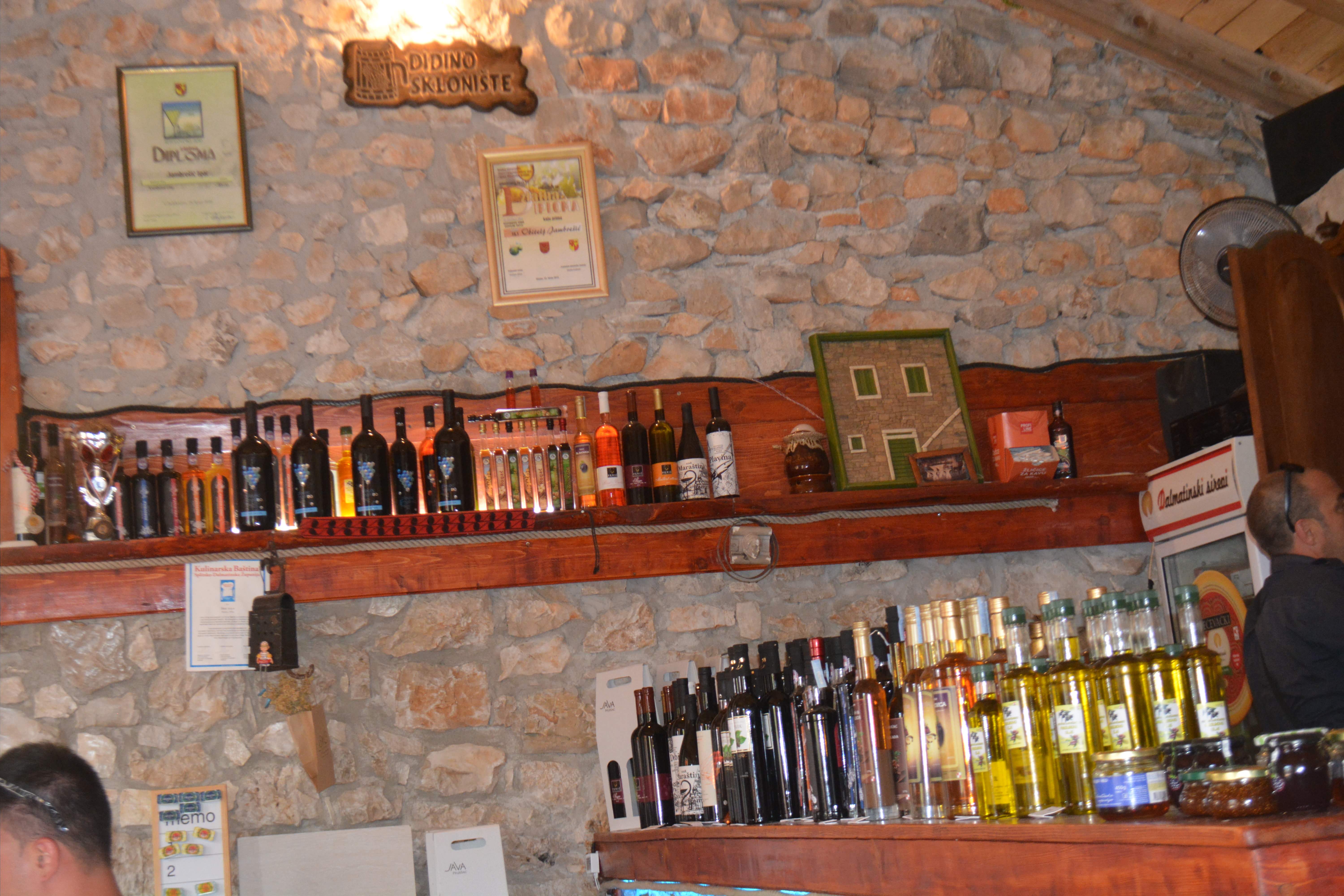
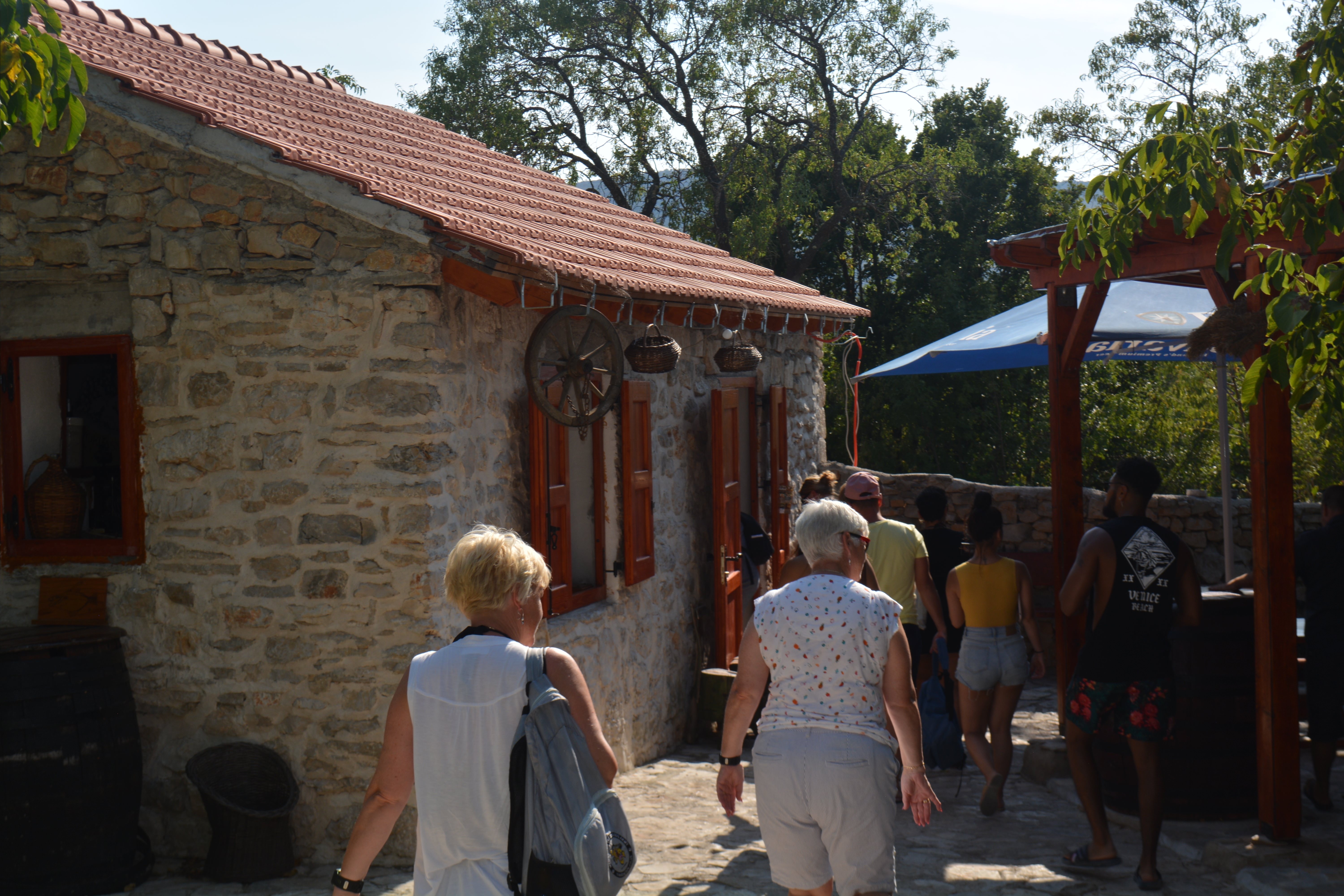
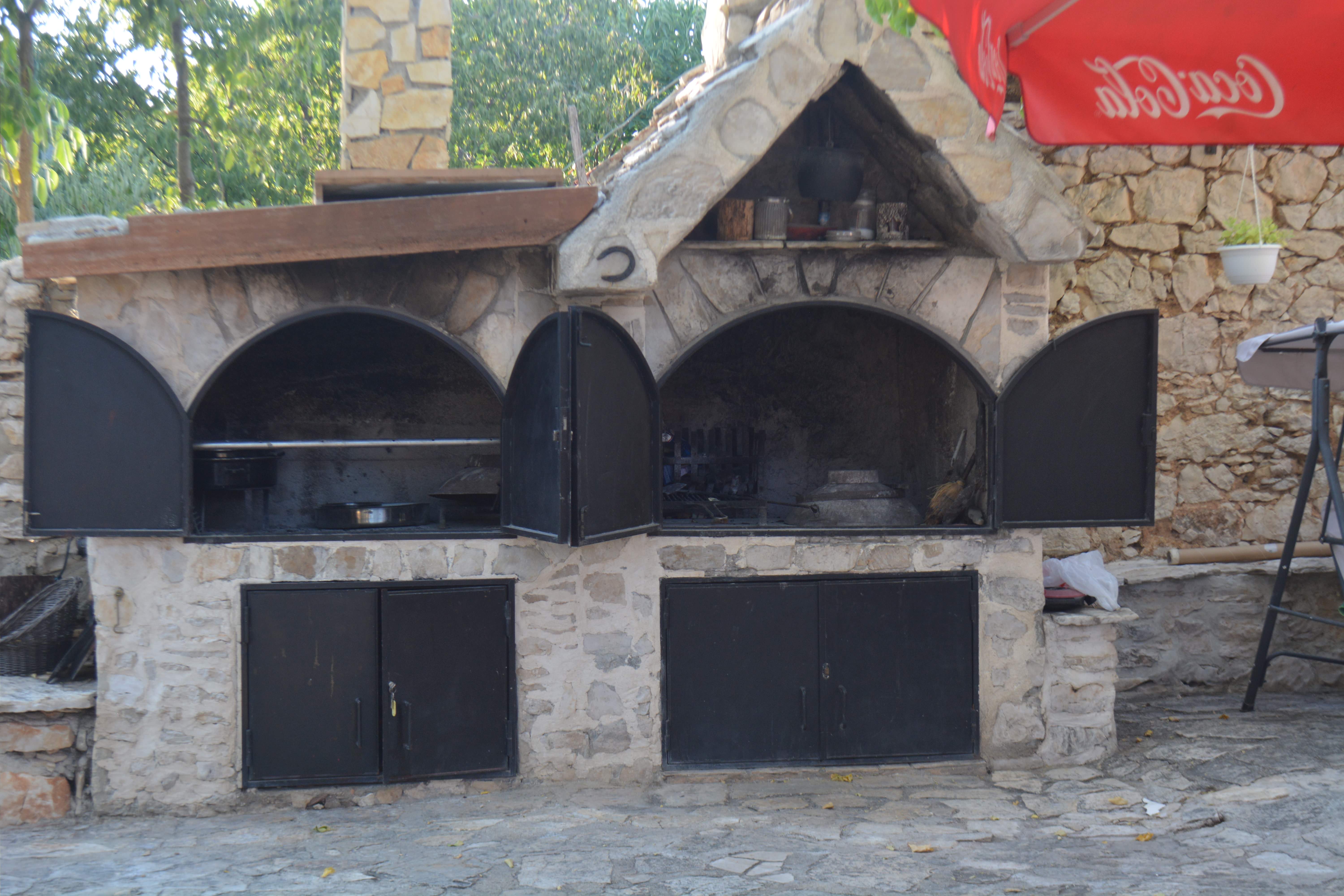
Our final stop was a little family-run winery and tasting room just outside the park – Eco Store Croatia, also known locally as Trgovački Obrt Mihal. From the road it looked like a postcard: a stone house with red tiles, wooden shutters, and a courtyard shaded by grapevines. Inside, the air was cool and heavy with the scent of oak and olives.
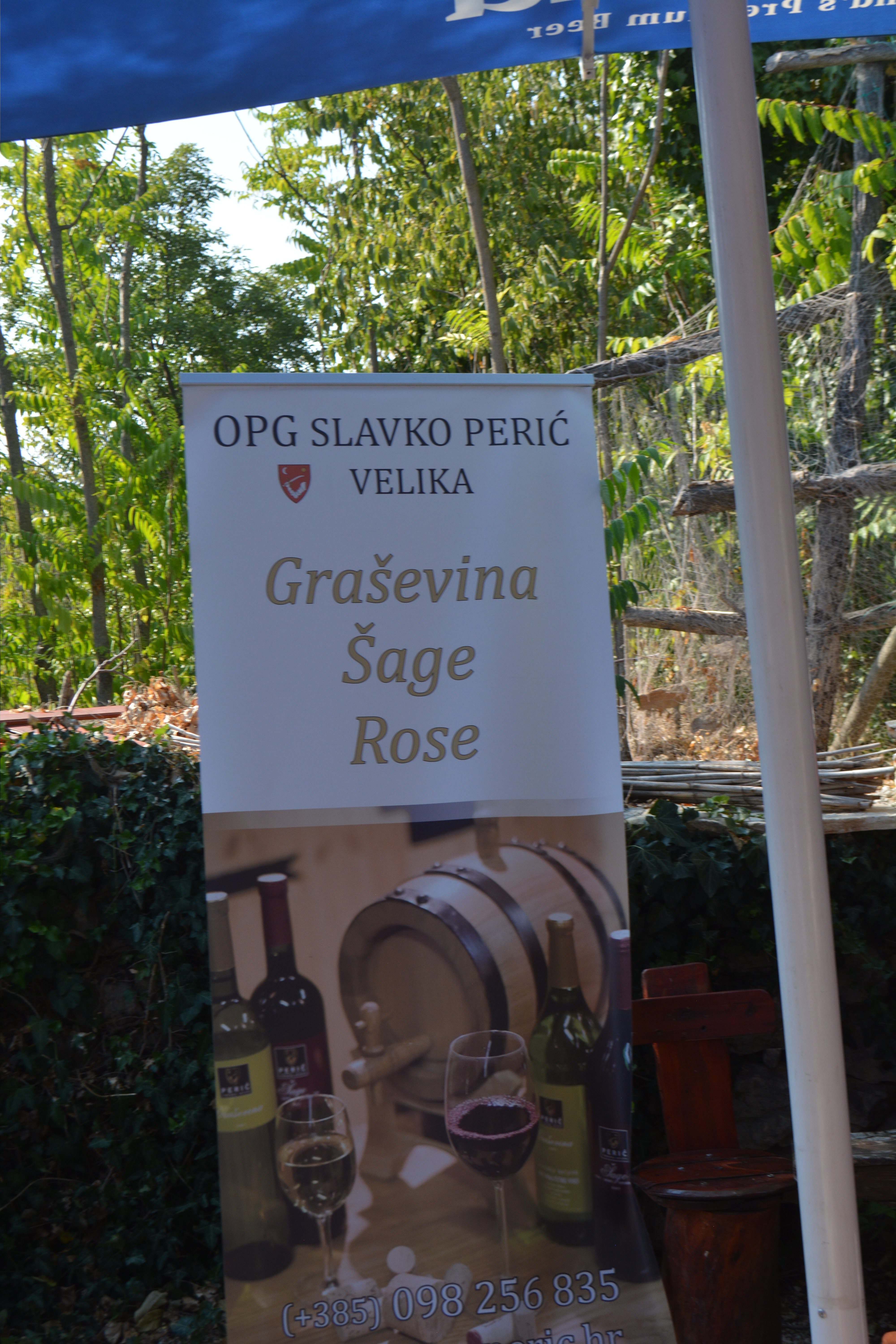
Our host greeted us with a grin that said he’d done this a thousand times but still enjoyed every pour. The shelves were lined with bottles of local Graševina, Rosé, and Šage, each one catching the light like amber glass. There were jars of honey, olive oil, and homemade liqueurs that looked too good to be legal.
Then came the part that required teamwork. My husband doesn’t drink, and I can’t eat cheese. So naturally, we became the model couple of Croatian manners: he doubled up on cheese, and I handled the wine. By the third tasting I was fully committed to my cultural responsibilities.
The Graševina was crisp, bright, and green-apple fresh. The Rosé was soft and dry, perfect against the summer heat. The olive oil tasted like it had been bottled straight from the sun. Our host shared stories about his family’s vineyard – generations working the same soil, pressing the same olives, and blending wines that were as personal as they were local.
We left with smiles, a few bottles clinking in my bag, and the kind of contentment that comes from sunshine, laughter, and just the right amount of buzz. As we stepped outside, the late light stretched over the stone walls, turning everything gold.
Back on the boat, the breeze carried that soft end-of-day calm. The river shimmered beneath the great Šibenik bridge, and we leaned back against the railing, both quiet in that satisfied way only good days can make you.
Croatia, I thought, isn’t just beautiful – it’s generous. Every stop gives you more than you expect: history, nature, warmth, and a reminder to slow down, sip deeply, and always finish every drop.
 Click, Wander & Savor