Rovinj – Olive Oil Tasting and Sunset Charm
After leaving Pula, our next stop was the pastel-hued coastal town of Rovinj – a postcard-perfect blend of cobblestone lanes, Venetian architecture, and sea views that look painted on.
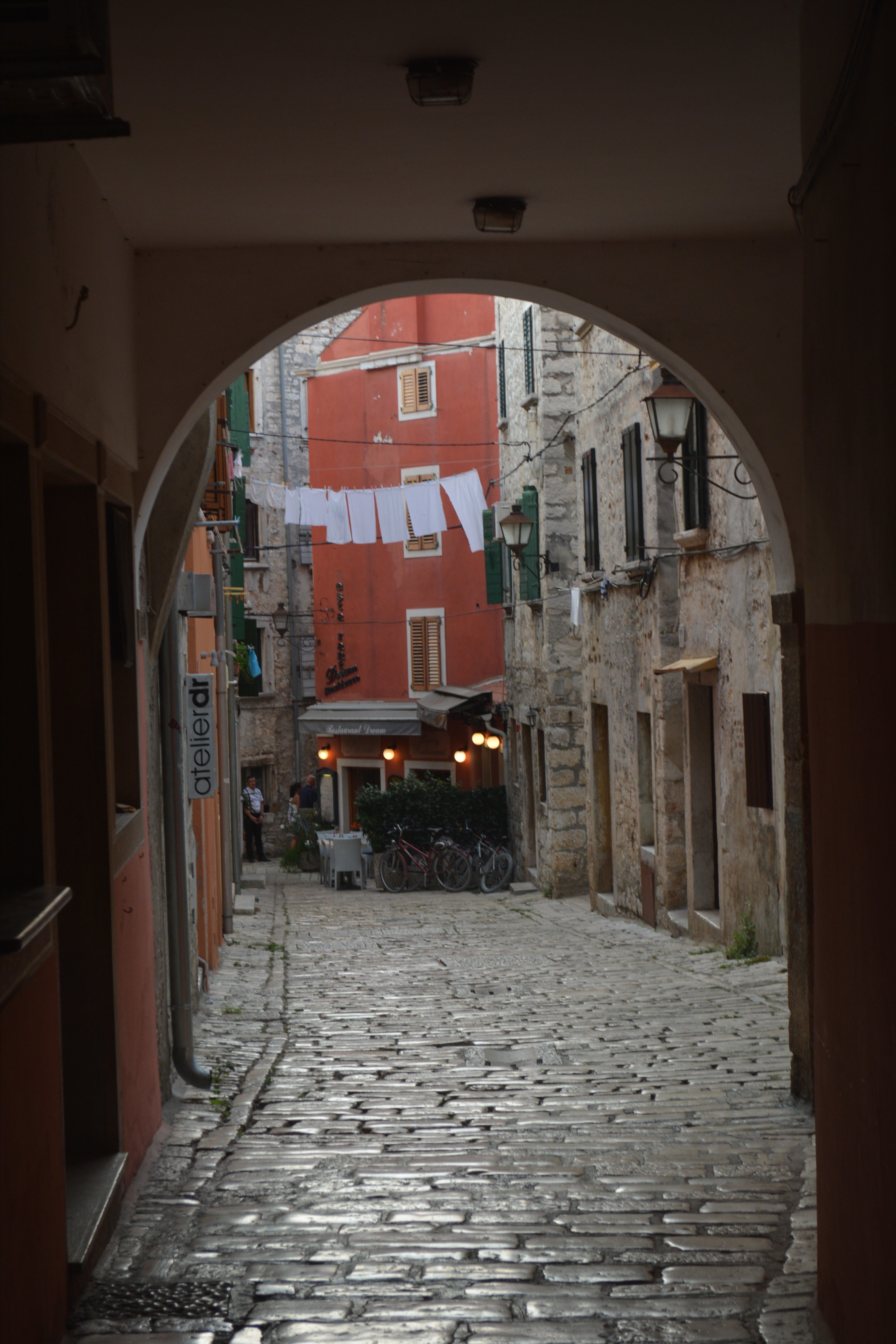
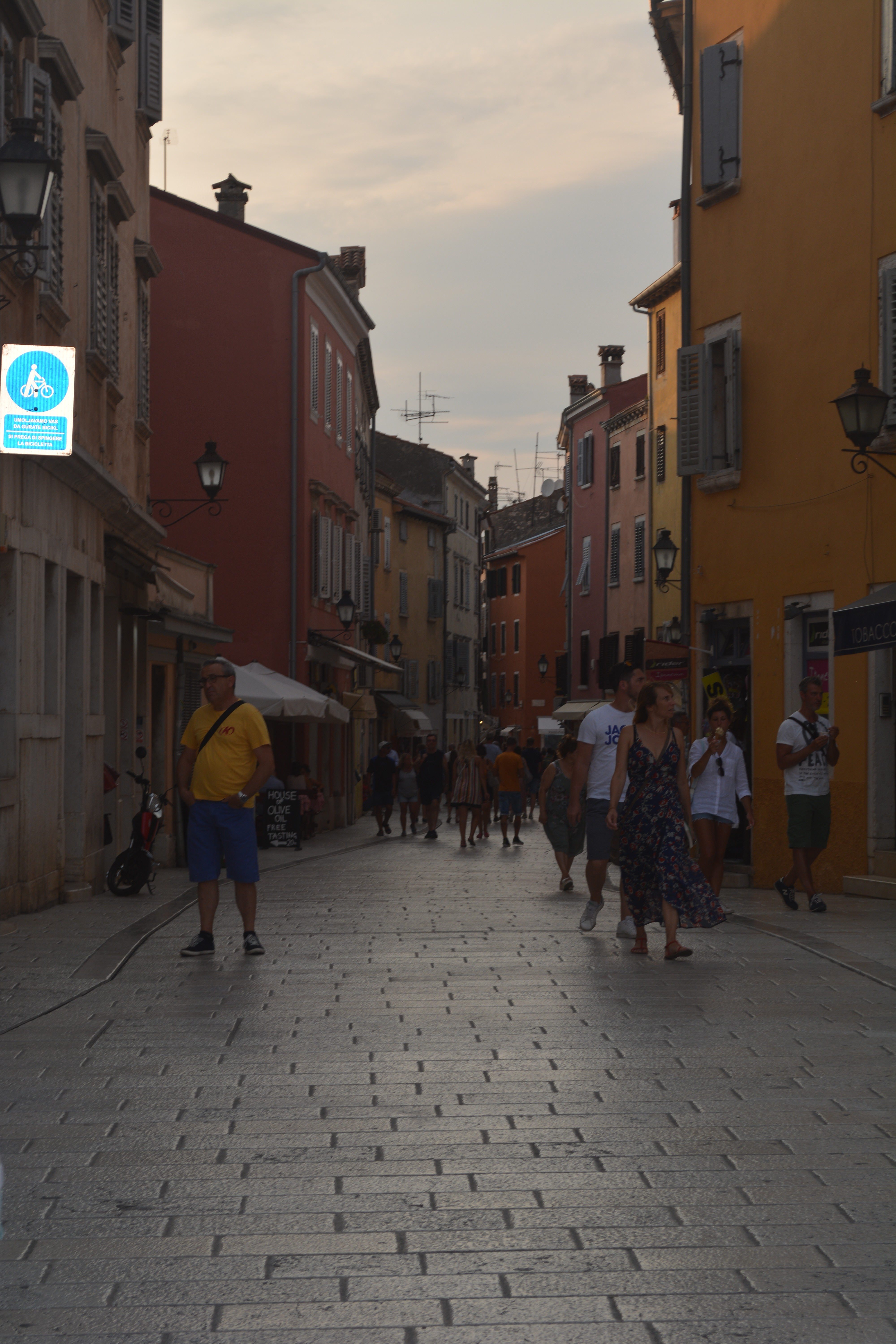
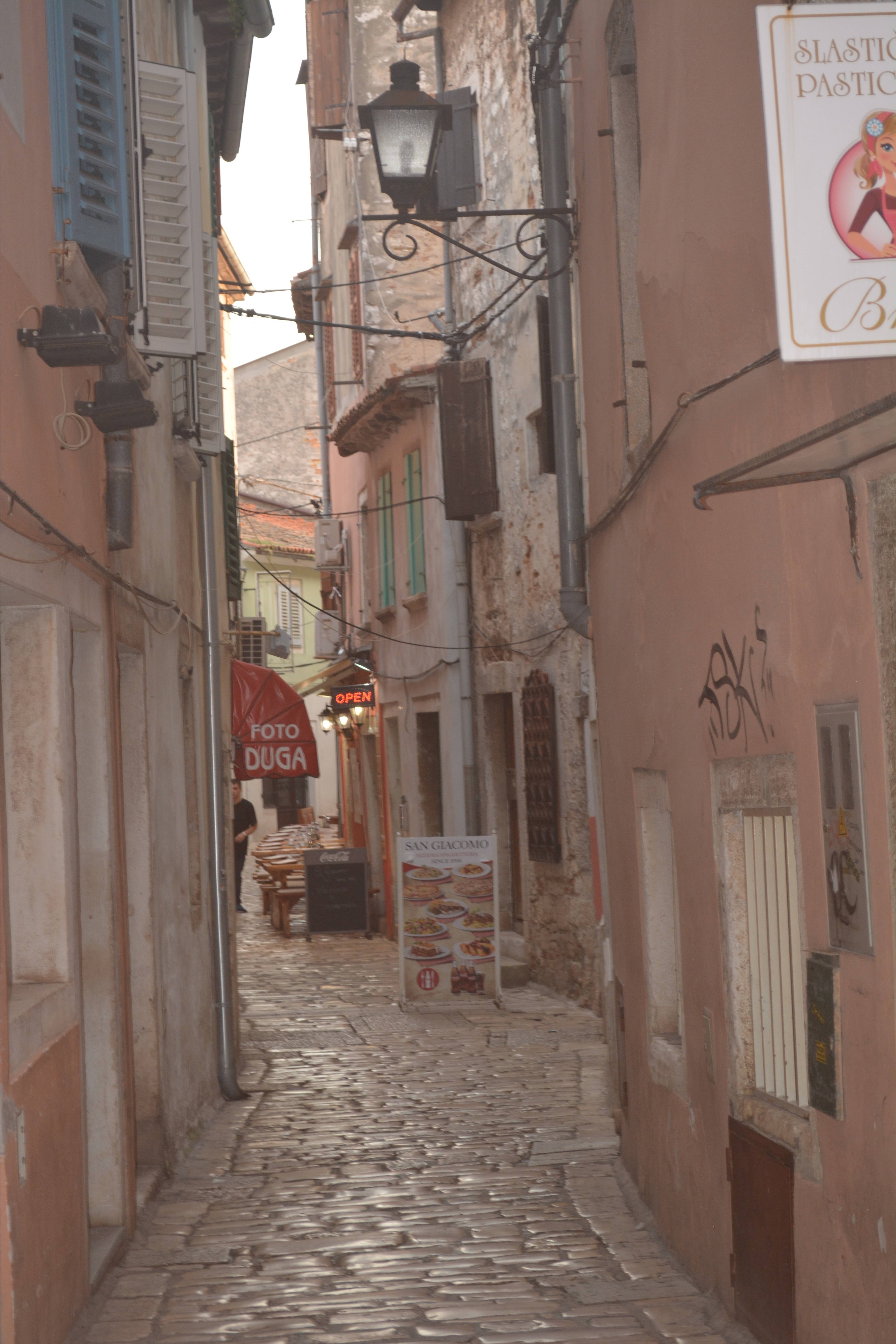
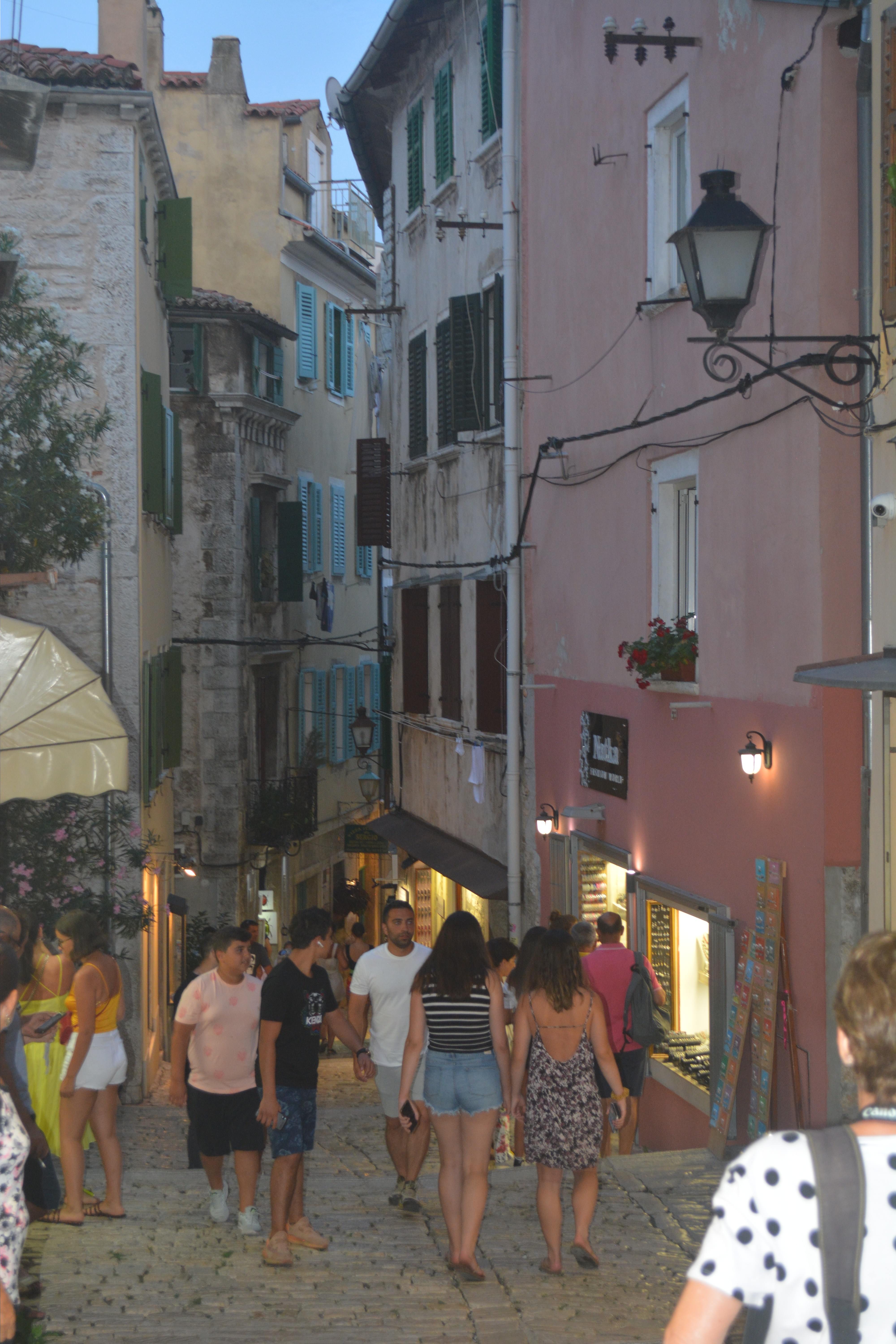
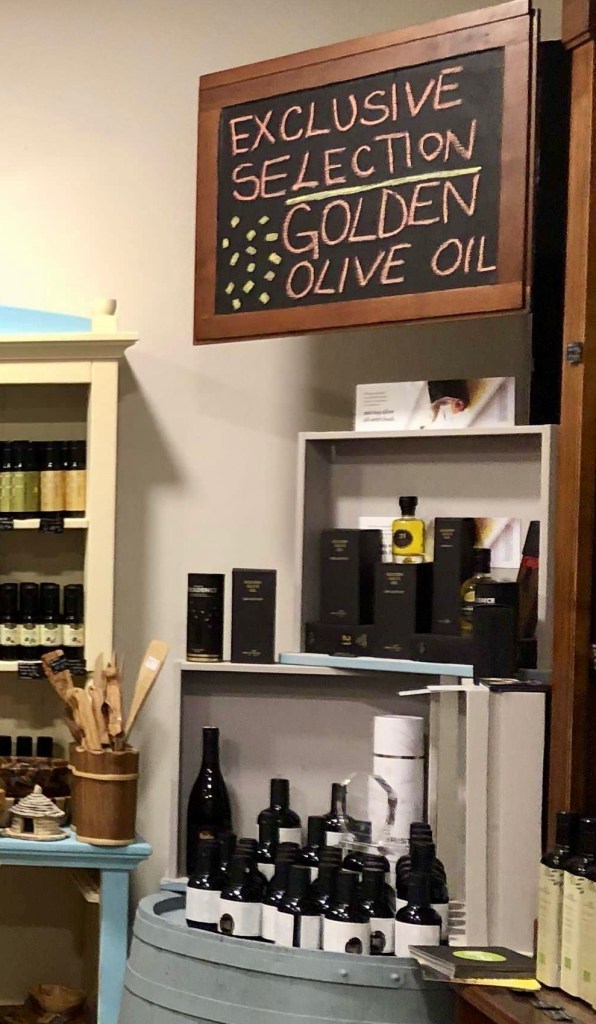
We began our visit with a stop at an olive oil tasting room, where we learned that not all olive oils are created equal. Each bottle told a story of the soil and sun — grassy, peppery, buttery, floral – flavors we never knew could vary so much. The host guided us through the tasting like a sommelier would a flight of wines, teaching us to swirl, smell, and even “sip” the oil to sense its richness. We left with a few bottles and a new appreciation for what “extra virgin” really means.
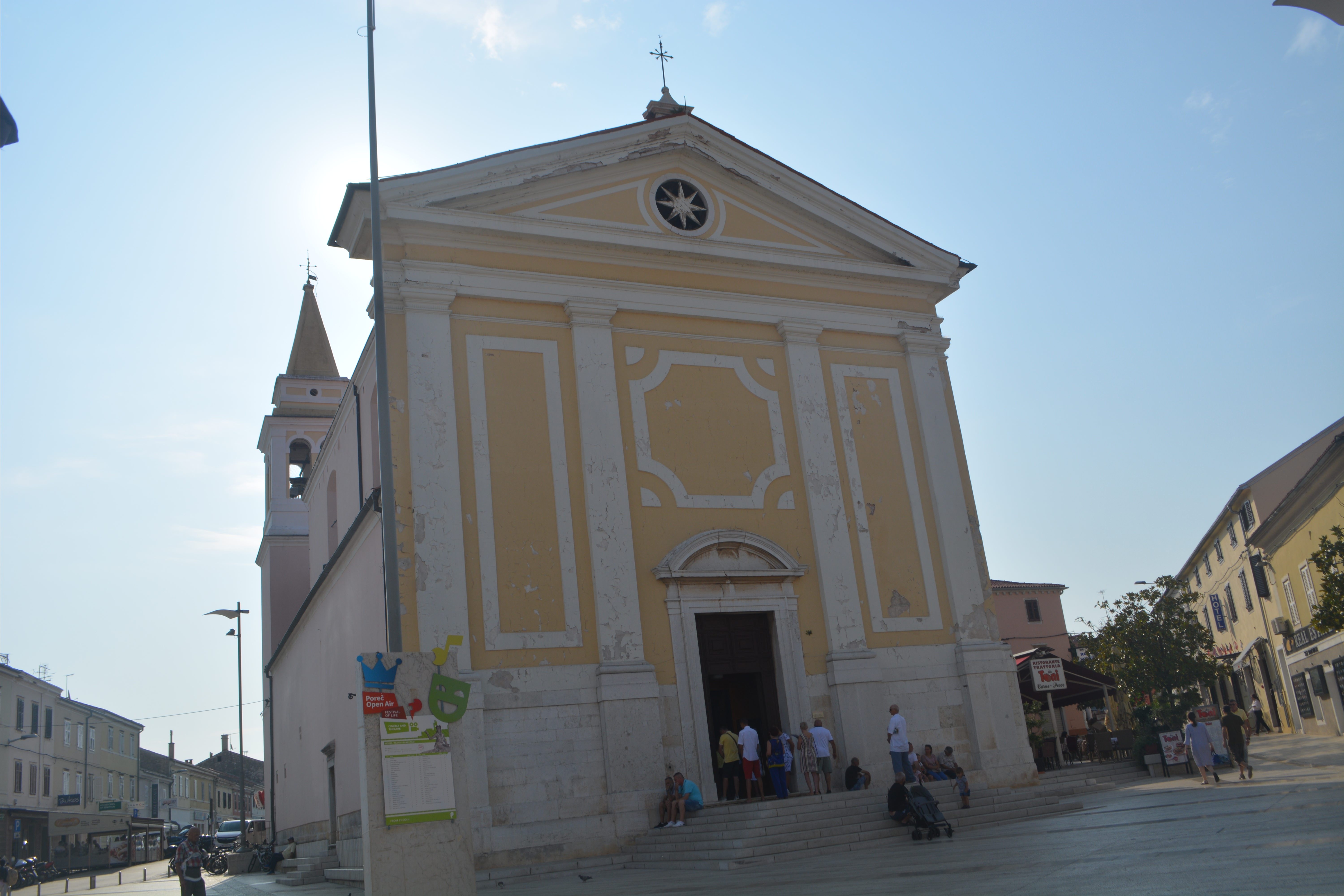
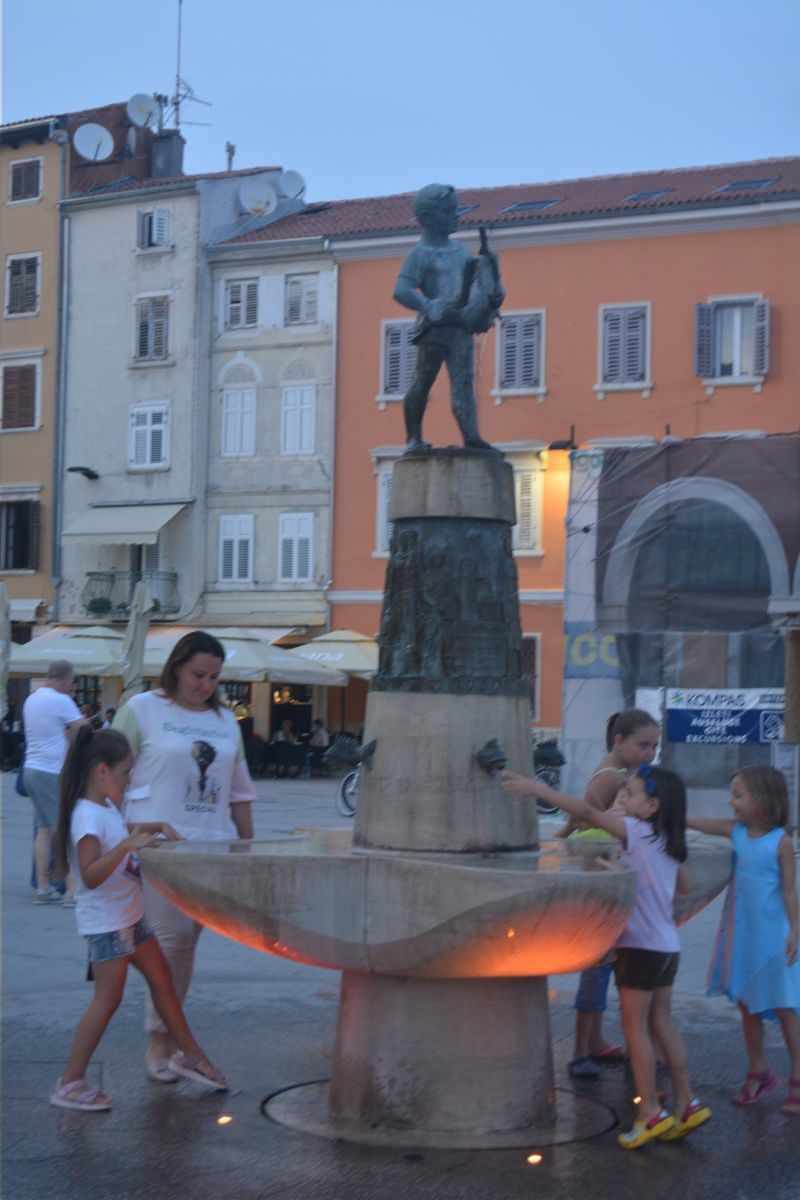
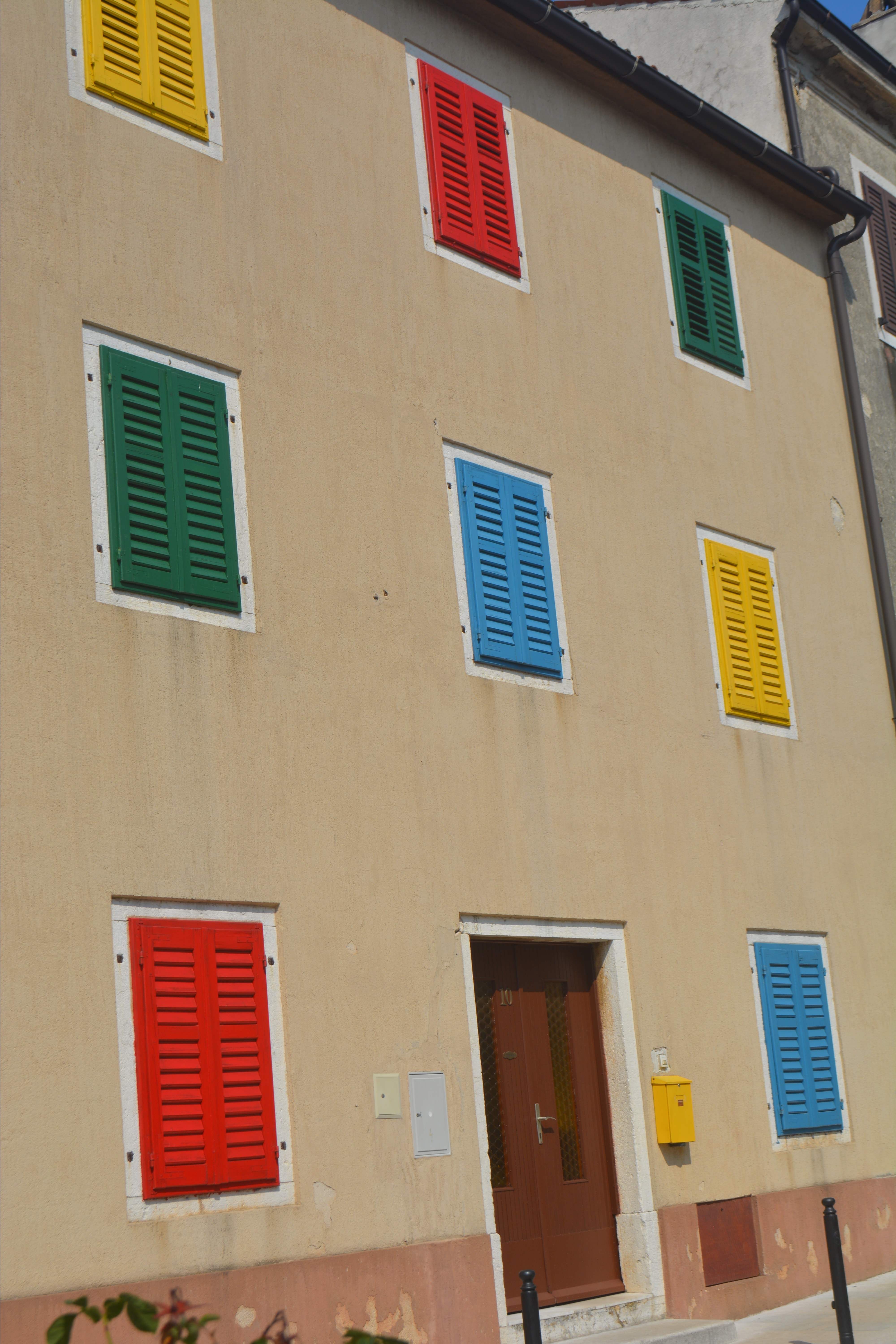
From there, we wandered through the old town, where narrow stone alleys climbed toward the hilltop church of St. Euphemia. Laundry fluttered from green-shuttered windows, and the faint scent of the sea mixed with espresso from the cafes tucked into the corners. The streets opened suddenly into a small square with the boy-and-fish fountain, a whimsical bronze statue where children played in the misty spray.
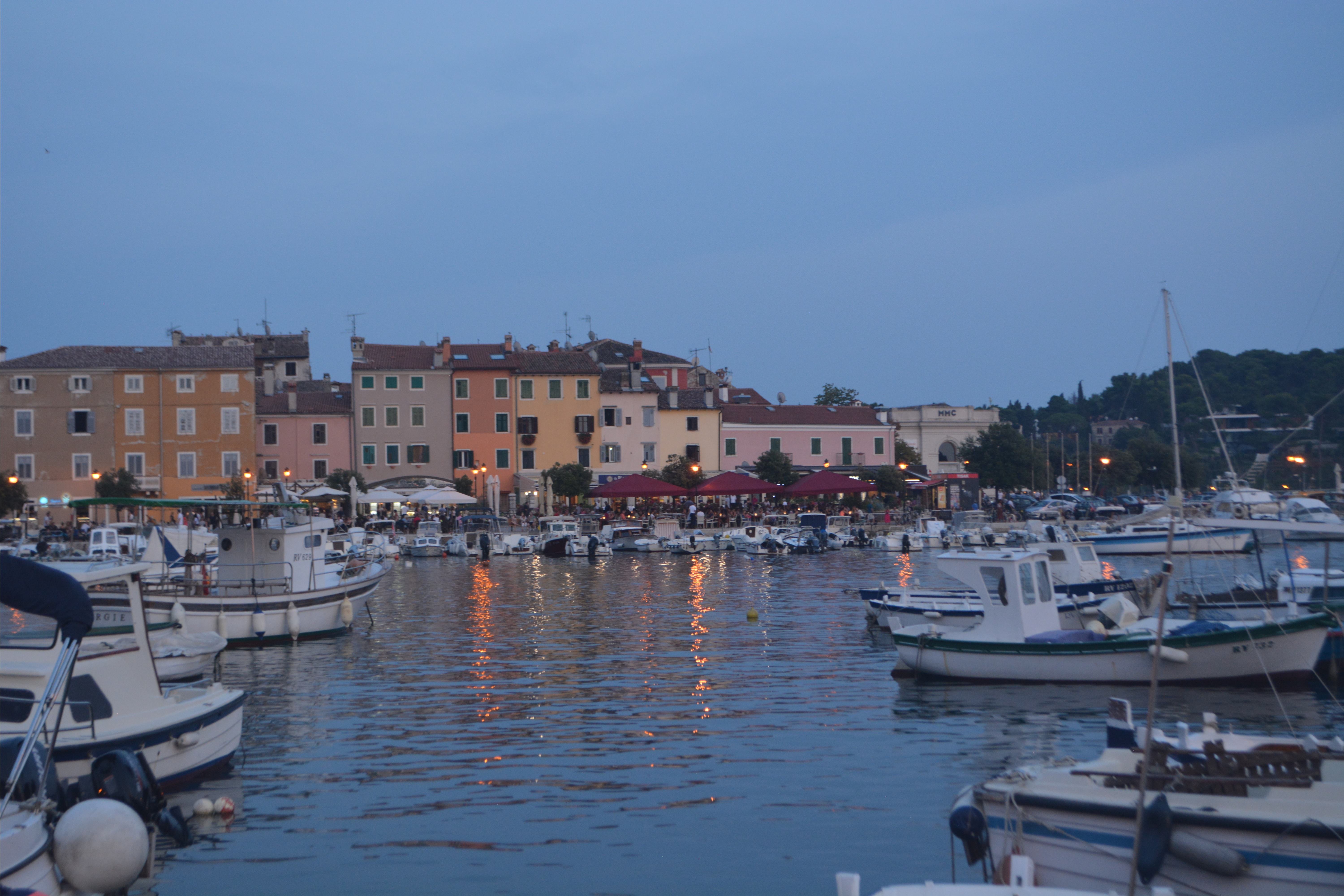
As dusk settled, we made our way to the harbor, where fishing boats bobbed in rhythm with the Adriatic and the pastel buildings glowed in the golden hour light. The water mirrored the pinks, oranges, and blues of the town’s facades, and restaurant patios filled with the hum of dinner conversations and clinking glasses.
We had envisioned a relaxed sunset dinner, maybe a glass of Malvazija wine overlooking the sea – but our youngest had other plans. After days of travel, she’d hit her limit with “nice dinners.” While we tried to settle into a charming outdoor café, she declared she was not staying, opting instead for plain pasta or chicken nuggets. Let’s just say dinner became a quiet standoff of parents eating politely while our daughter glared at us from across the table.
Still, we ended the night laughing about it – parenting on vacation has its moments – and felt grateful her older sister would be in charge for the next week. We’ll miss you… sort of (haha).
Vrsar – Hillside Views and a Harbor Below
The next day took us north along the Istrian coast to Vrsar, a quieter fishing village that feels suspended between sea and sky. Built on a hill overlooking a deep blue bay, the town has a slower rhythm that instantly draws you in.
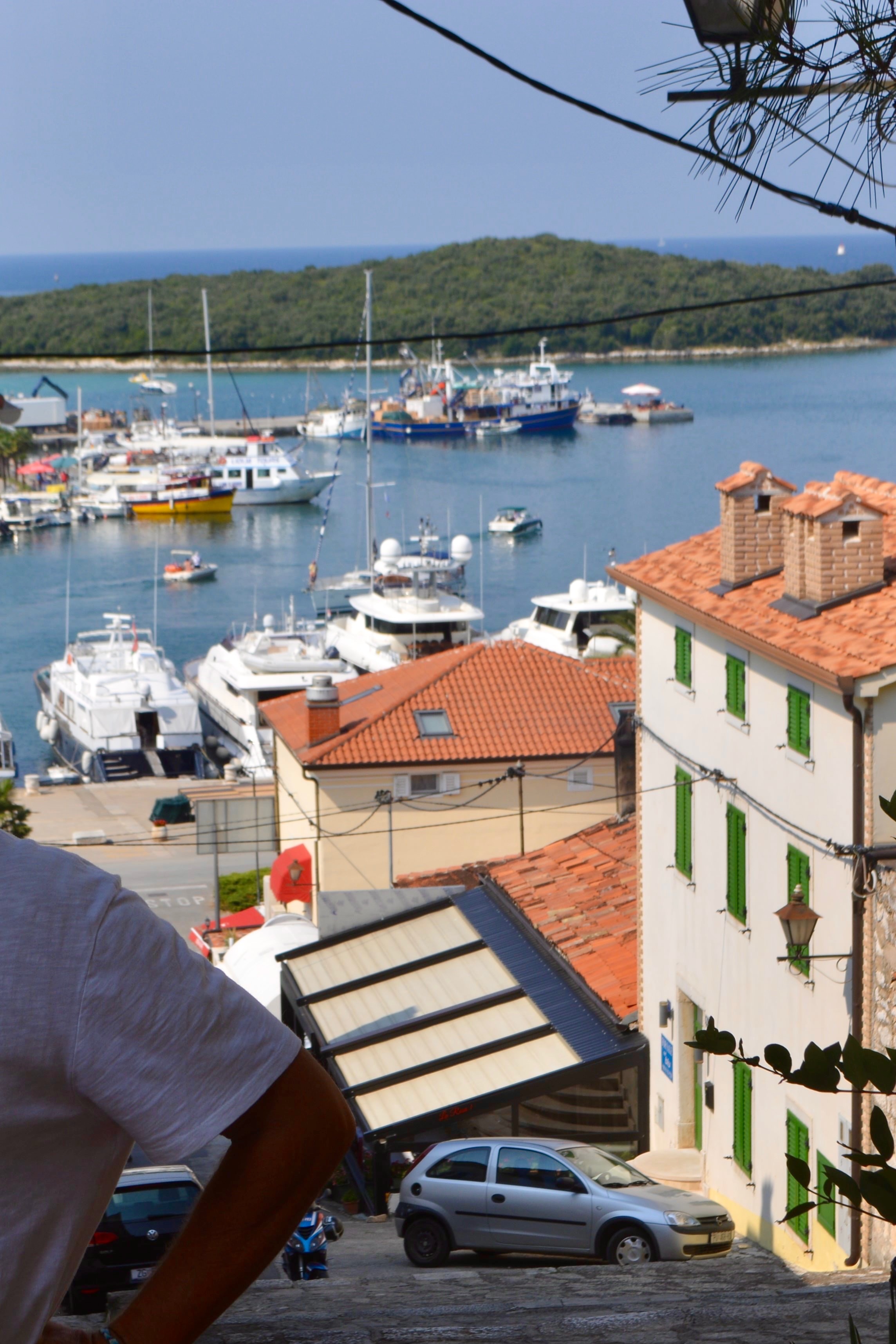
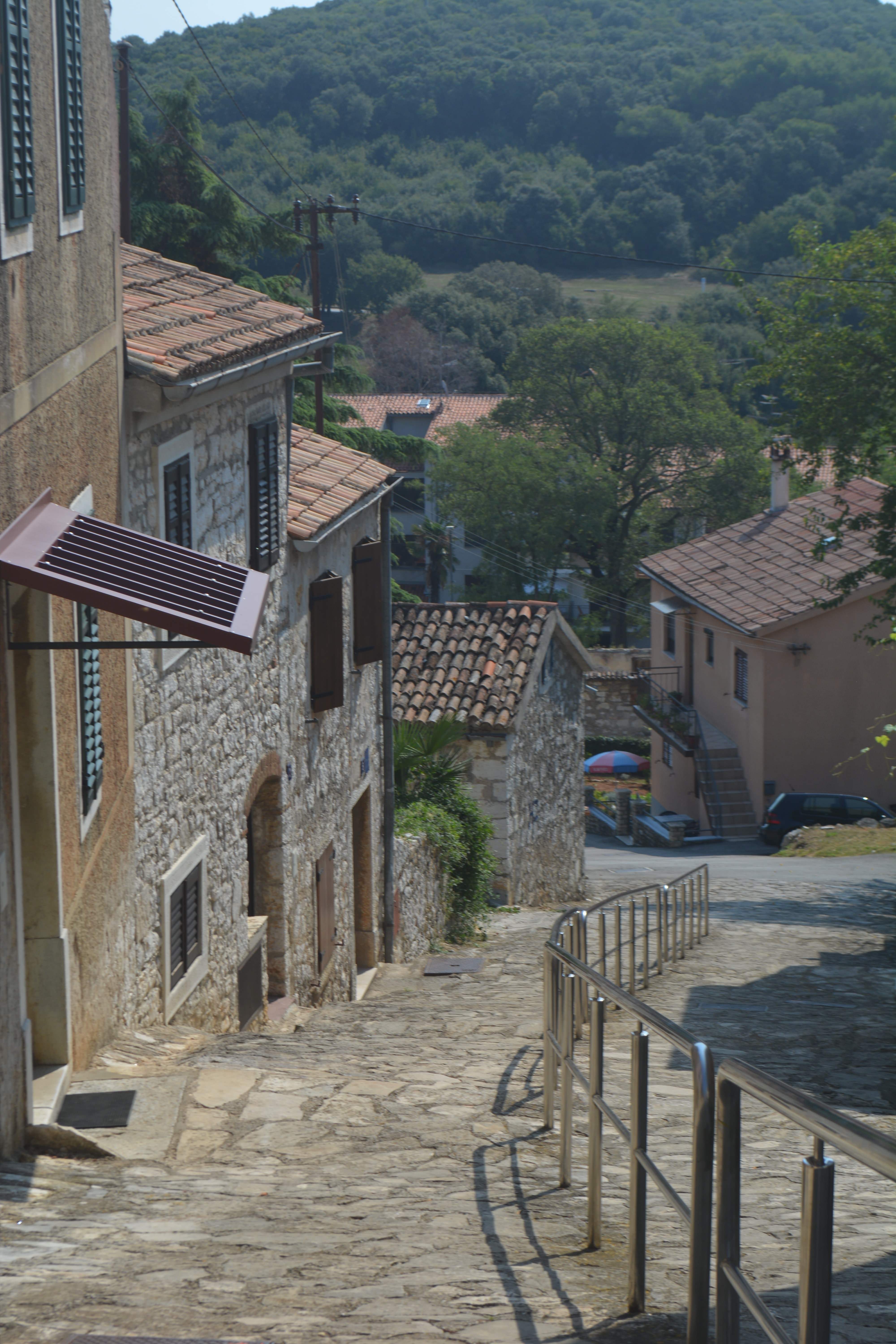
We parked at the base of the old town and climbed the steep stone paths winding between centuries-old homes. Their thick limestone walls and red tile roofs seemed almost stacked upon one another, opening up now and then to reveal glimpses of the harbor below, dotted with sailboats and luxury yachts.
At the summit stood the Church of St. Martin, its bell tower piercing the skyline — a beacon visible from nearly every point in town. From here, the panoramic view stretched across the Vrsar Archipelago, a scattering of 18 tiny islands resting like emeralds in the Adriatic. Standing there, with the breeze carrying the scent of salt and pine, it was easy to see why this tranquil spot once inspired artists and poets alike.
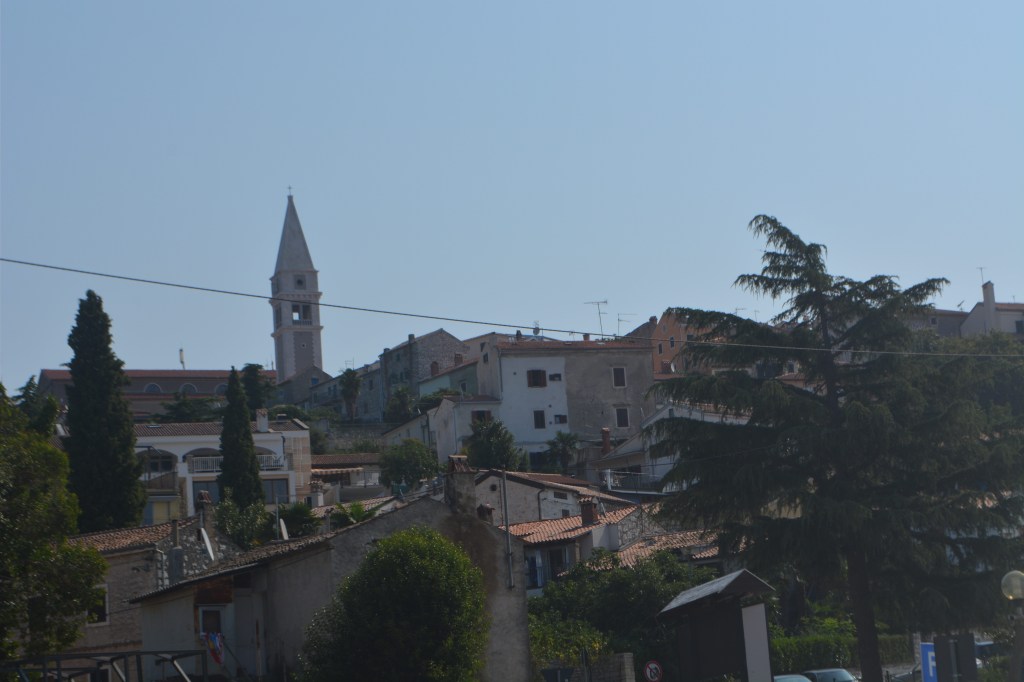
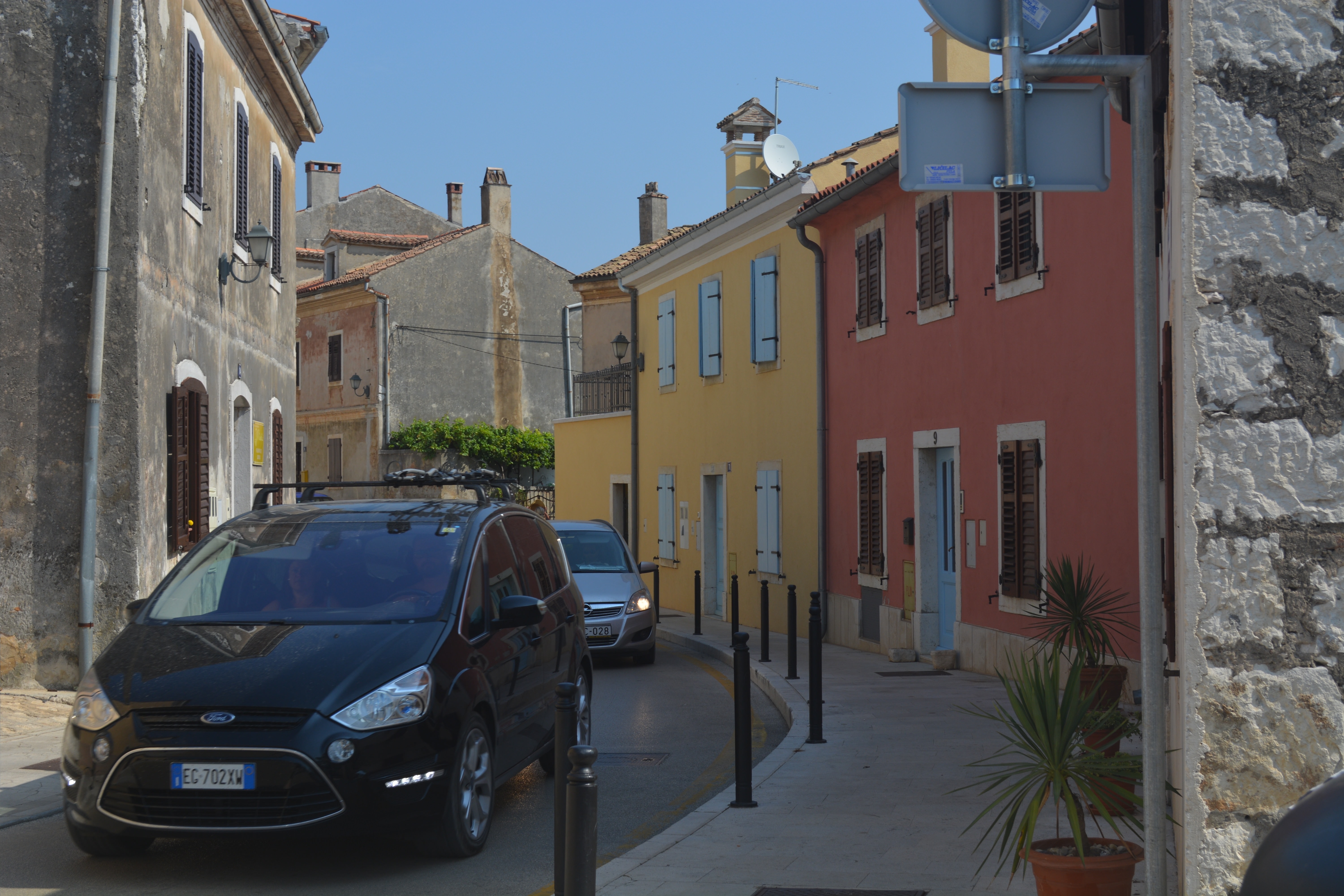
We lingered to take photos and enjoy the serenity before winding our way down through quiet lanes lined with potted plants and local homes. It was the perfect counterpart to Rovinj – less polished, more authentic, and undeniably beautiful.
If We’d Had More Time…
Istria is full of towns that tempt you to stay just a little longer. If we hadn’t run out of time, we would have explored Poreč, known for its Euphrasian Basilica, a UNESCO World Heritage site with glittering Byzantine mosaics. Inland, the hilltop village of Motovun offers a completely different side of Istria – vineyards, truffle forests, and panoramic views that feel straight out of Tuscany.
Further south, Bale is a medieval gem where cobblestone streets twist between stone houses and hidden art galleries. And near the coast, Fažana serves as the gateway to Brijuni National Park, a cluster of islands once favored by Tito, now home to wild deer, ancient Roman ruins, and crystal-clear swimming coves.
Istria rewards slow travel – every turn, every town has its own flavor. From olive oil to wine, from sea to stone, it’s a place that invites you to taste, wander, and stay just a little longer than planned.
 Click, Wander & Savor