Croatia’s Coastline: From Split to Dubrovnik – Rakija, Red Roofs, and the Road of Dreams
From Split to Dubrovnik, our coastal drive along Croatia’s Adriatic coast was filled with mountain towns, border crossings, rakija toasts, and sunsets that made us never want to leave.
For this leg of our Croatia adventure, we hired a private driver – Matej, the Croatian version of “Matthew.” From the moment he arrived, we knew this would be more than a simple transfer. Matej had the kind of personality that fills a car with energy. As we left Split, he began weaving stories about his country – its history, humor, and quirks – and somewhere along that curving coastal highway, we realized we were in for an unforgettable ride.
The road south hugged the Adriatic, shimmering like glass in the morning light. To our left, the Biokovo Mountains rose in dramatic gray folds; to our right, the sea stretched to infinity. Matej spoke proudly about Croatia’s independence, the warmth of its people, and how more foreigners are moving here each year. “But,” he said with a wink, “if you want to stay, you have four years to learn Croatian – after that, no excuses!” Somewhere between his laughter and the view, I caught myself imagining it – life in a stone house above the water, a café that knew my order before I arrived, days that moved at the same gentle pace as the tide.
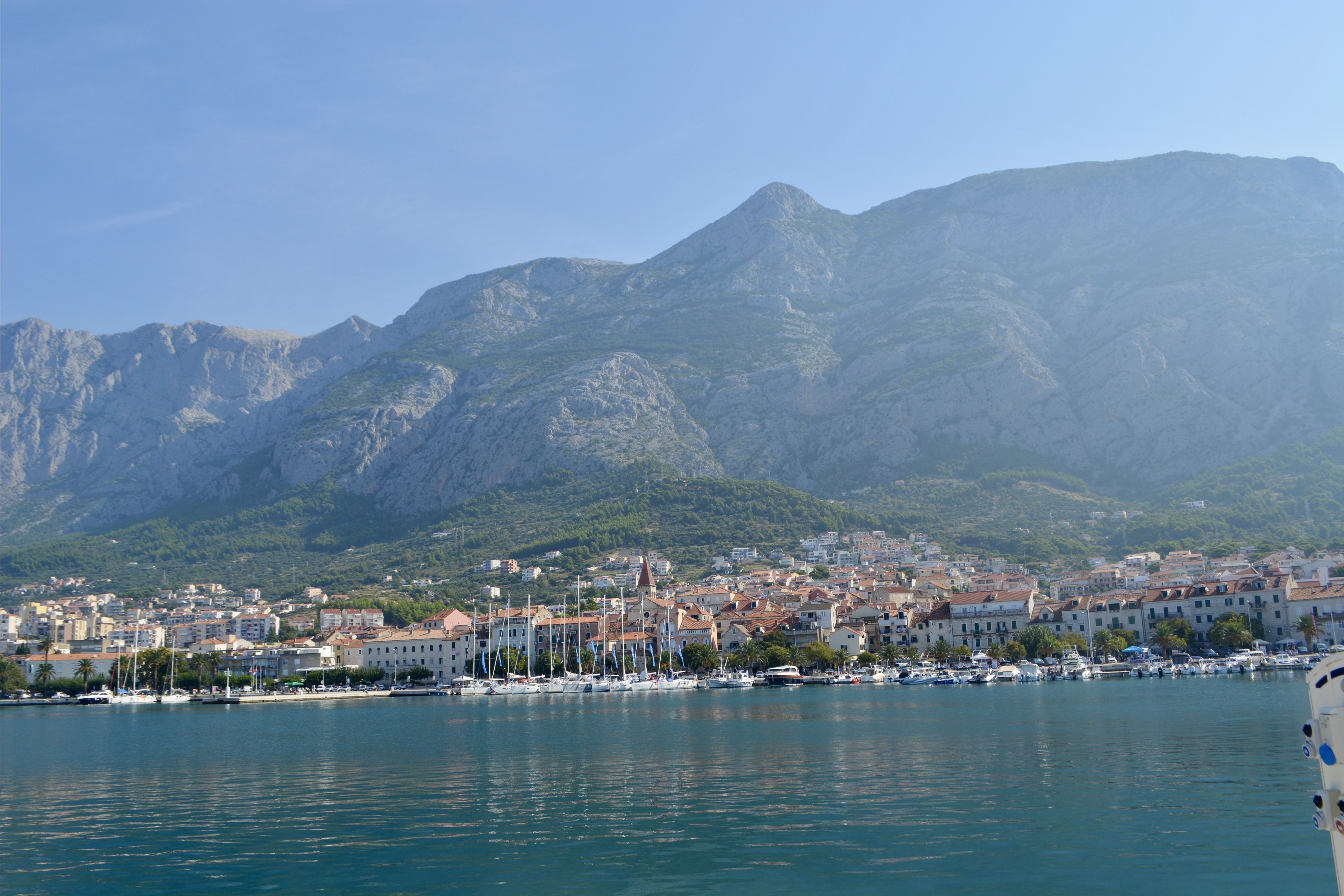
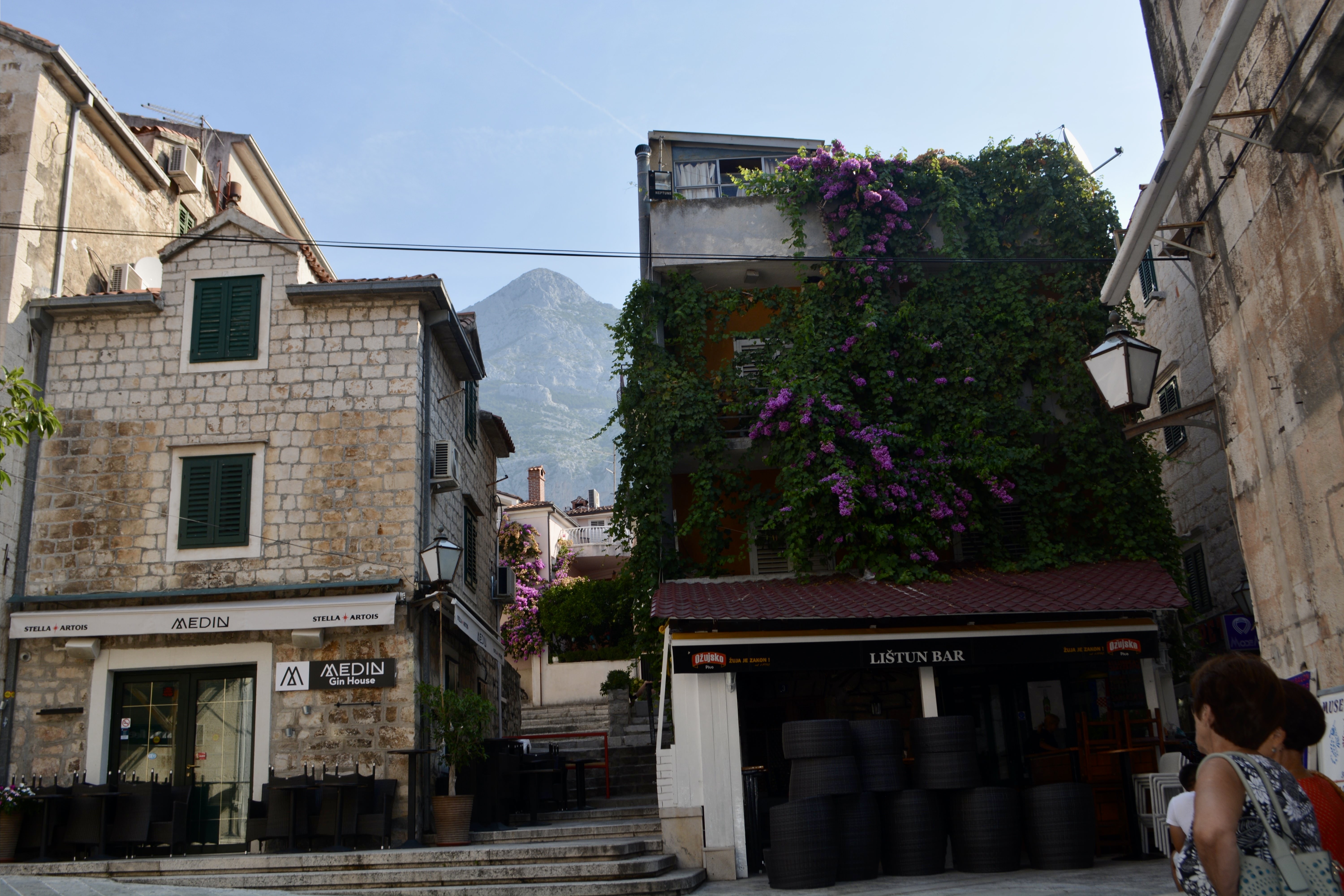
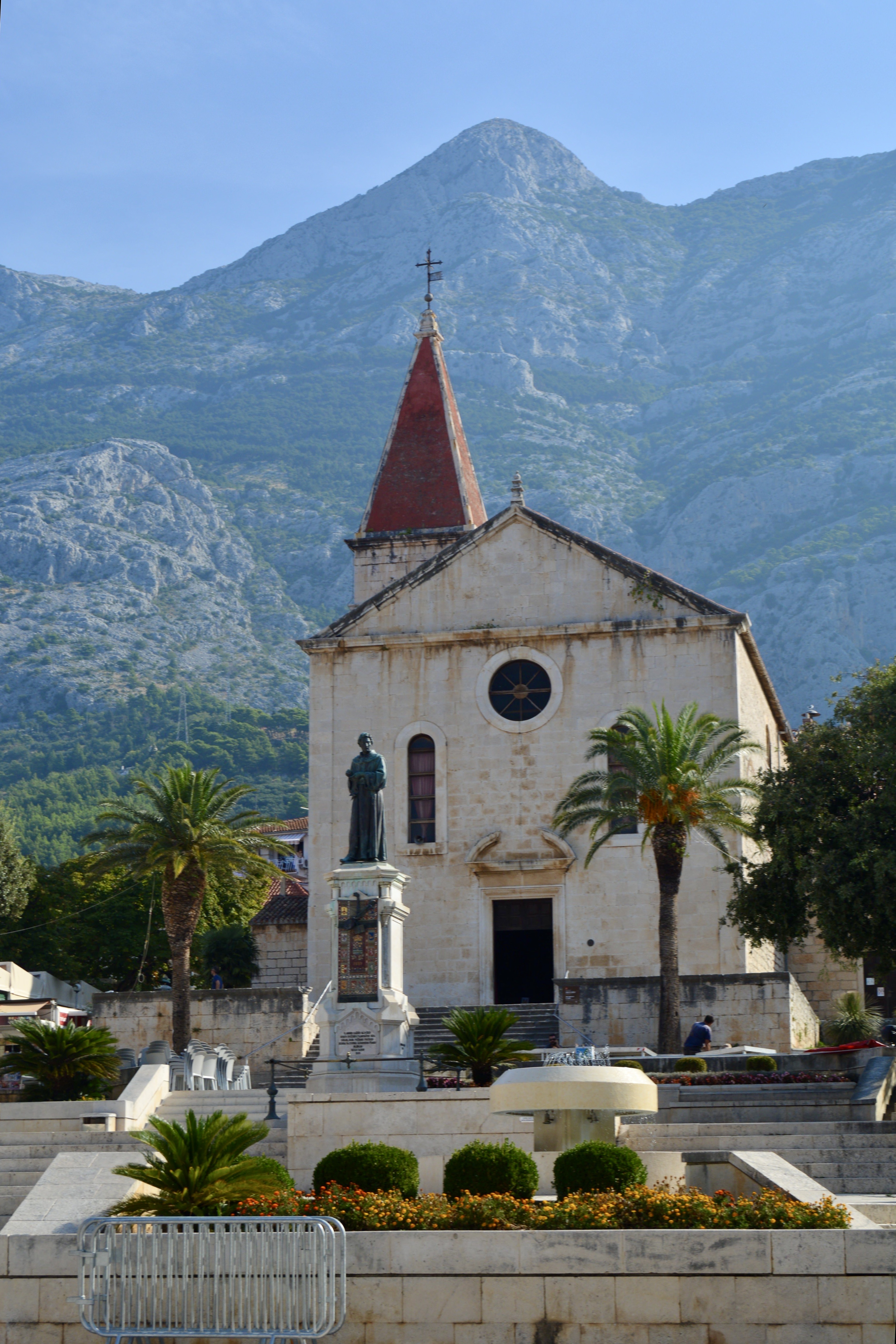
Our first stop was Makarska, a jewel of a coastal town where terracotta rooftops meet turquoise waves and the mountains tower protectively behind. It was all color and calm – palm trees framing the harbor, locals sipping coffee under flowering balconies, fishermen untangling nets. The pace felt slower here, like time had learned how to relax.
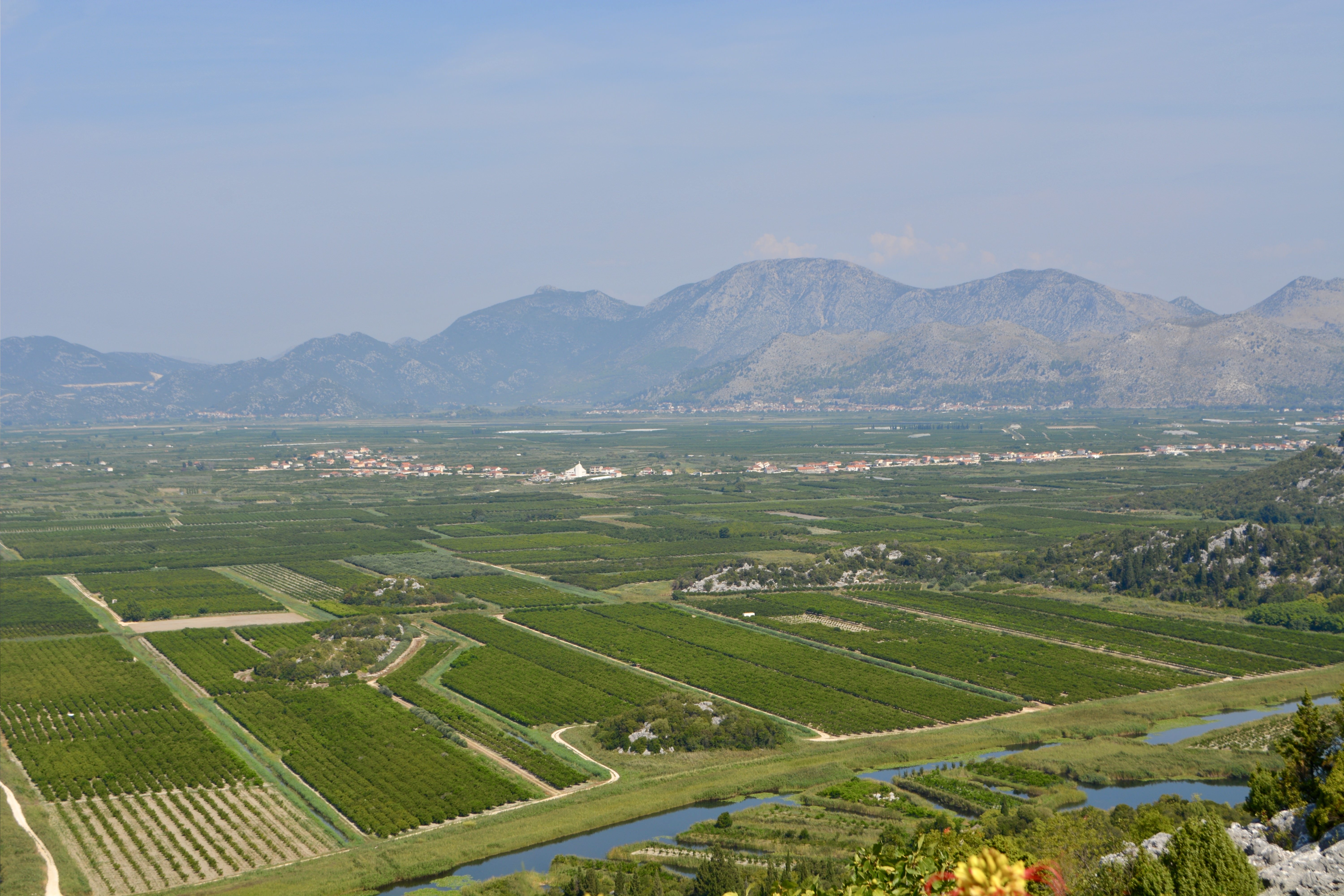
Back on the road, the views only got better. Every turn revealed another cove, another burst of blue. Eventually, Matej veered off the highway into a tiny roadside tavern. “We stop here,” he said. Within minutes, the owner appeared with two glasses of rakija, the local fruit brandy that doubles as a greeting, medicine, and social ritual. “Free,” he said, smiling proudly. I took a sip – sweet and strong, the kind that warms your whole body – and we stepped outside to admire the green farmland stretching below. Olive trees dotted the hills, stone houses sat like punctuation marks, and the sun spilled gold over everything.

Not long after, we crossed the border into Bosnia and Herzegovina, where the Adriatic briefly kisses the town of Neum – the country’s only seaside escape. It was lively, colorful, and full of the kind of charm you only find in small towns that don’t try too hard. Matej turned back to us and grinned, “Best cheese, best wine, best olives – trust me.”
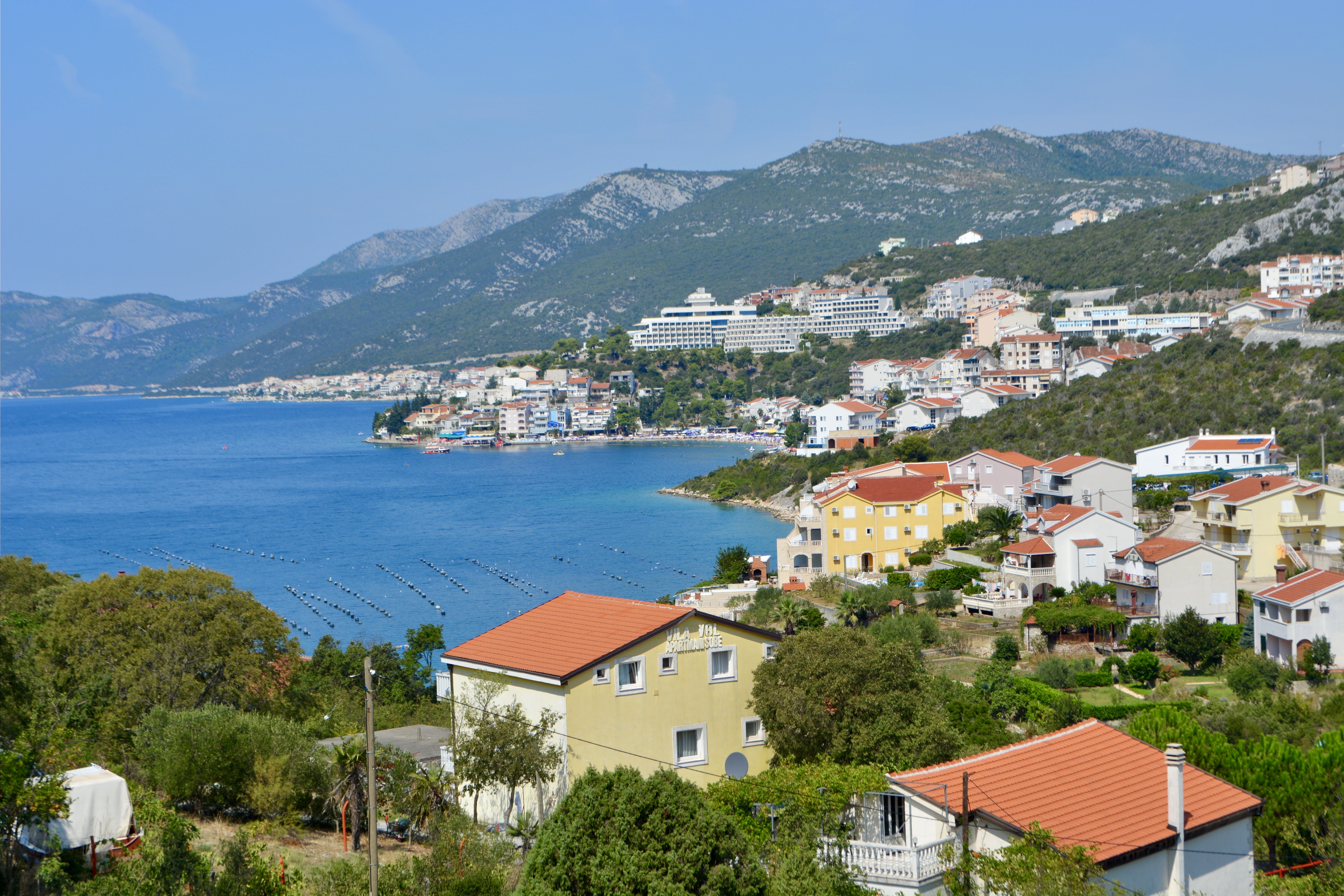
He led us through a local market, chatting with vendors and sampling everything in sight. We came away with a paper-wrapped wedge of cheese, a jar of briny olives, and a bottle of Žilavka wine from Ljubuški – a crisp white from Herzegovina that he promised was the best. We carried our treasures up the short hill behind the market and stood overlooking Neum Bay – every shade of blue you can imagine, framed by rolling green hills and little oyster farms just offshore. It was one of those rare moments when you realize travel isn’t about destinations; it’s about pauses.
After a few photos and maybe a “quality check” sip of wine, we continued south. The road turned steeper, the sea brighter, the cliffs more dramatic. The final stretch into Dubrovnik felt almost cinematic – red-roofed villages clinging to the hillsides, vineyards spilling down slopes, the air filled with sunlight and sea spray.
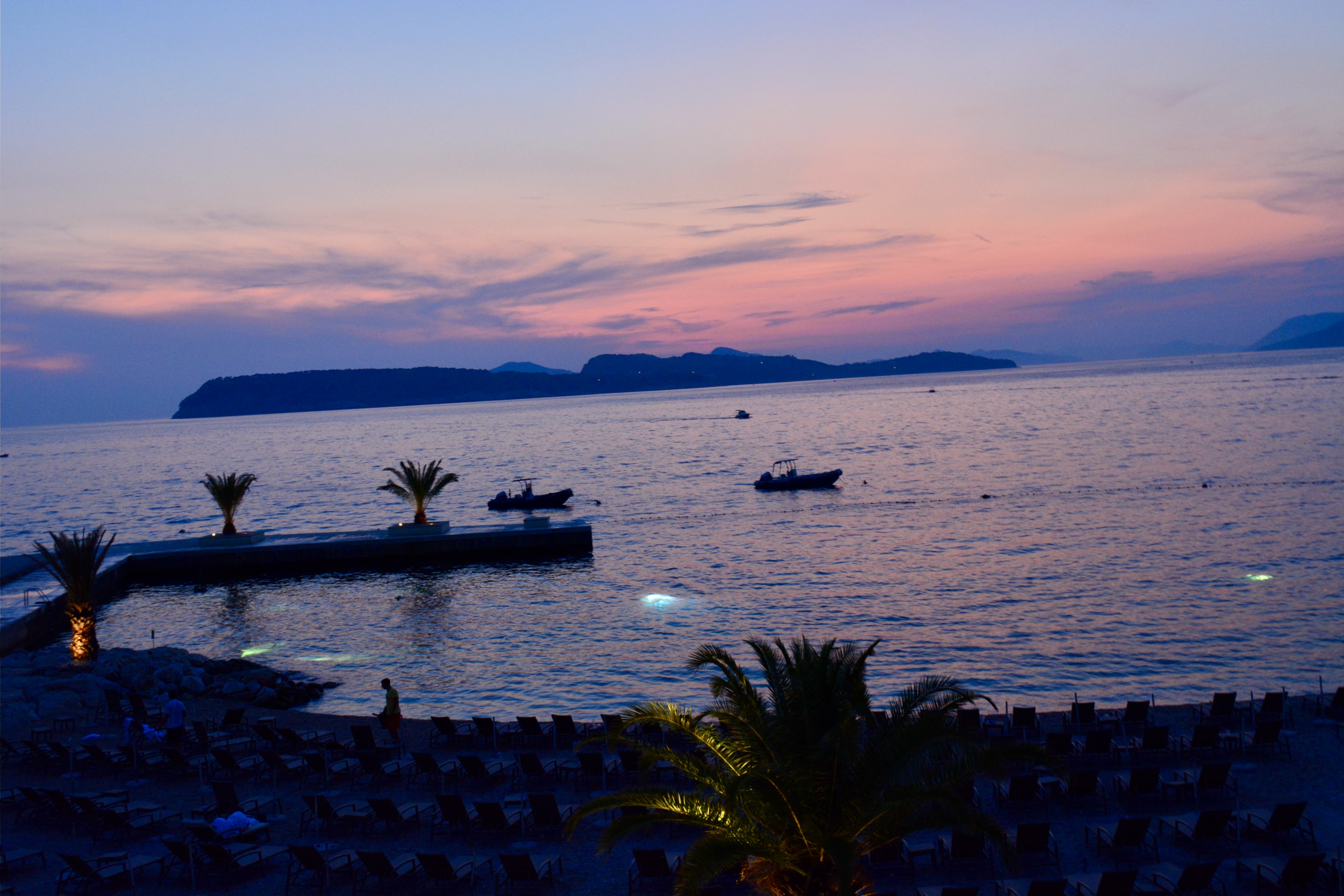
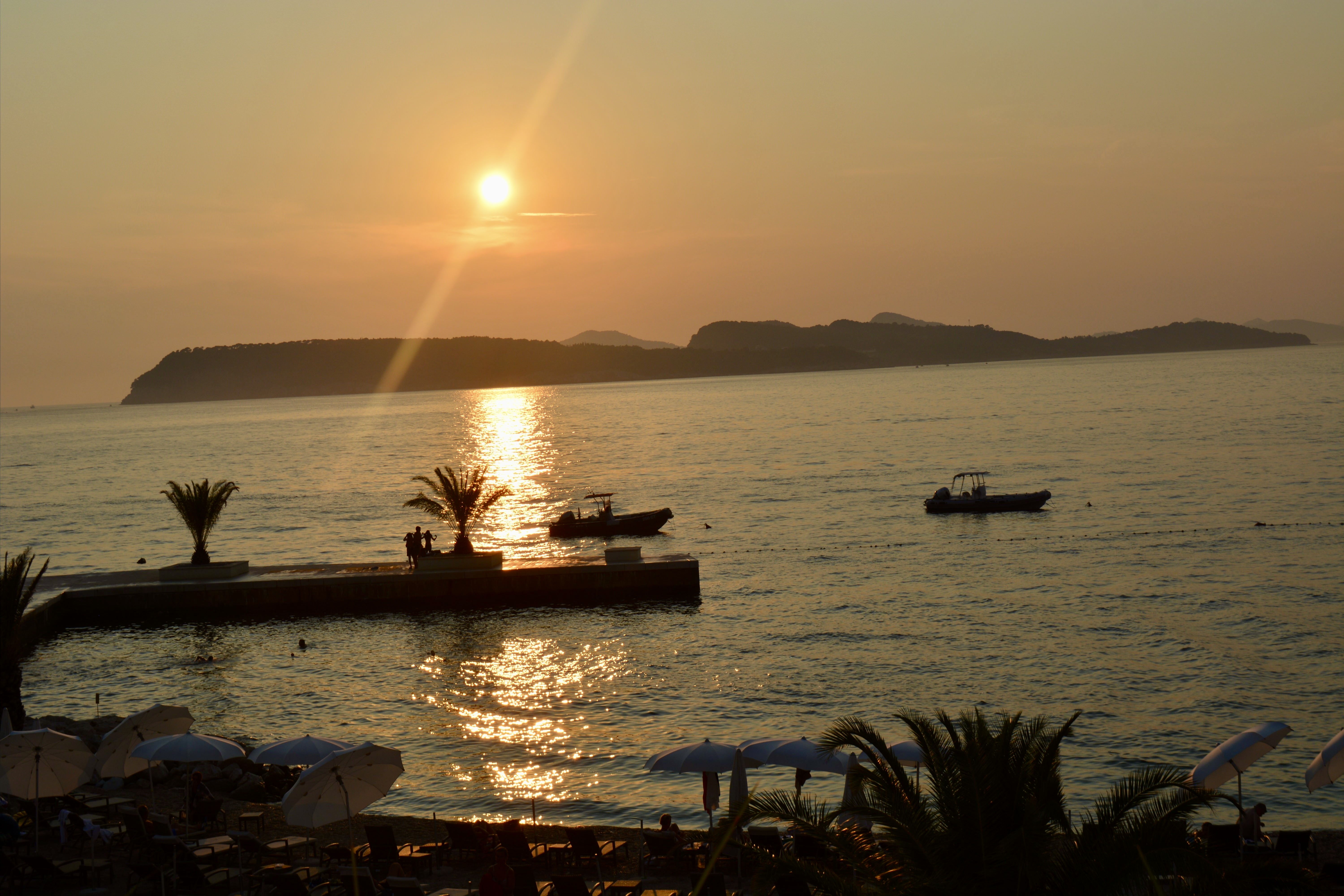
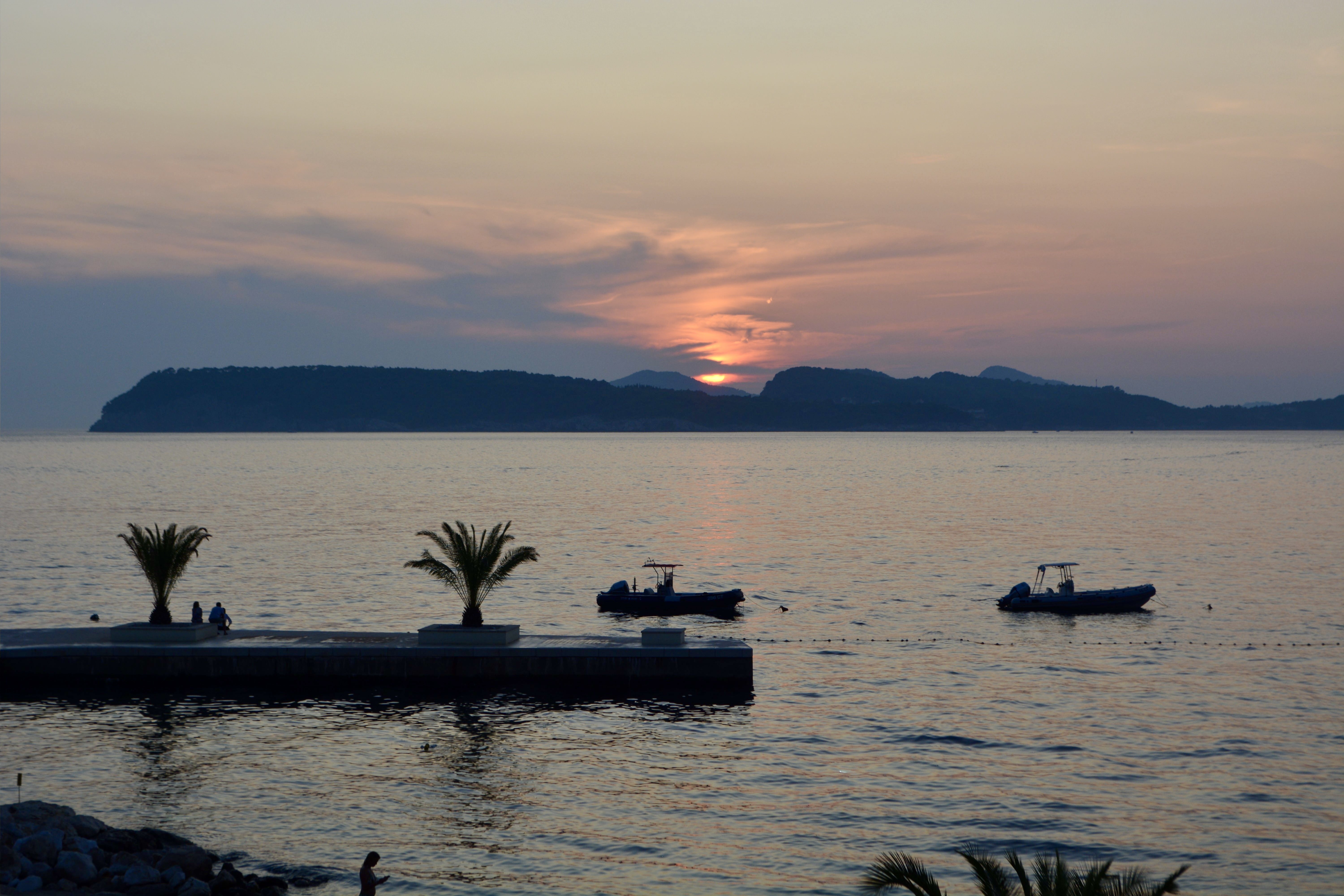
By the time we reached the Valamar President Hotel, a five-star retreat on the Babin Kuk peninsula, the sun was soft and golden. The hotel felt luxurious yet peaceful – modern glass and stone blending into pine-covered cliffs that tumbled toward the Adriatic. From our balcony, we watched the sea stretch endlessly west, the surface glittering like molten silver. We unpacked our Bosnian market haul – his cheese, my olives, and that bottle of Žilavka – and made an impromptu picnic as waves rolled gently below. My husband, happy with his soda and the view, leaned back while I filled my glass. The sky shifted from gold to rose to lavender, then finally to deep blue – the kind of sunset that made silence feel sacred.
It was one of those moments that doesn’t need conversation – just the clink of glasses and the sound of the sea.
The next morning, we set out for Dubrovnik’s Old Town, ready to trade sea breezes for stone walls and centuries of stories.
A Day Inside the Old City
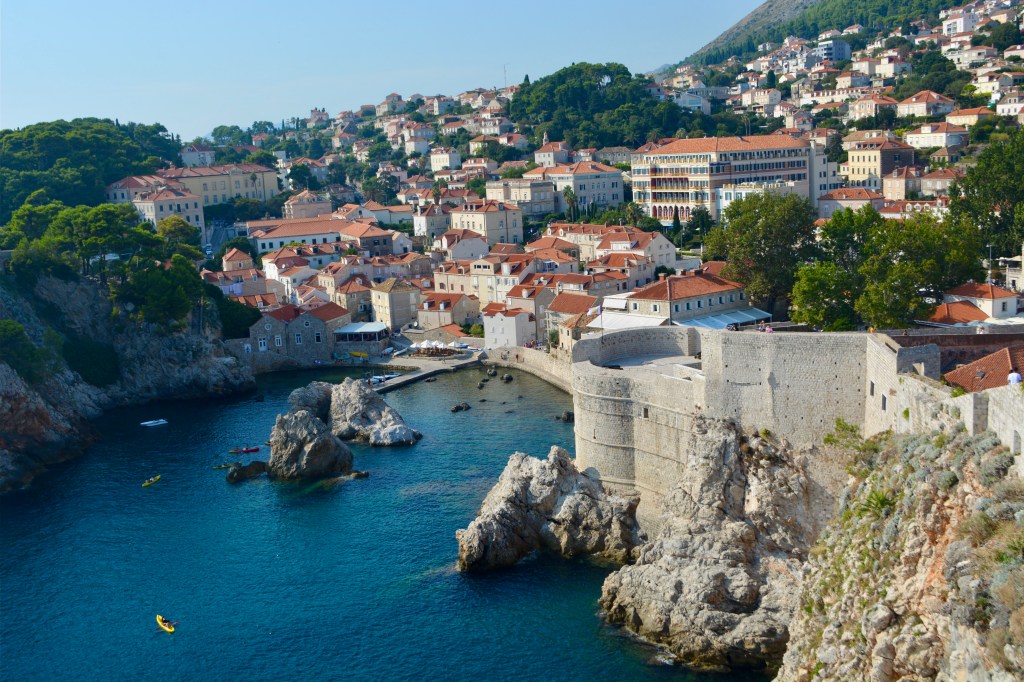
The next morning, we were up early – too early, in hindsight – and caught the bus from our hotel toward the Old City. In full tourist enthusiasm, we jumped off the moment we saw a sign pointing to the walls, which turned out to be about a mile too soon. We laughed, adjusted our backpacks, and started walking. It worked in our favor – we beat the cruise ship rush and reached the gates just as the city was waking up.
Dubrovnik, once known as the Republic of Ragusa, has been holding court along the Adriatic since the 7th century. It was one of Europe’s great maritime powers, and today it stands as a UNESCO World Heritage Site – not a museum, but a living city.
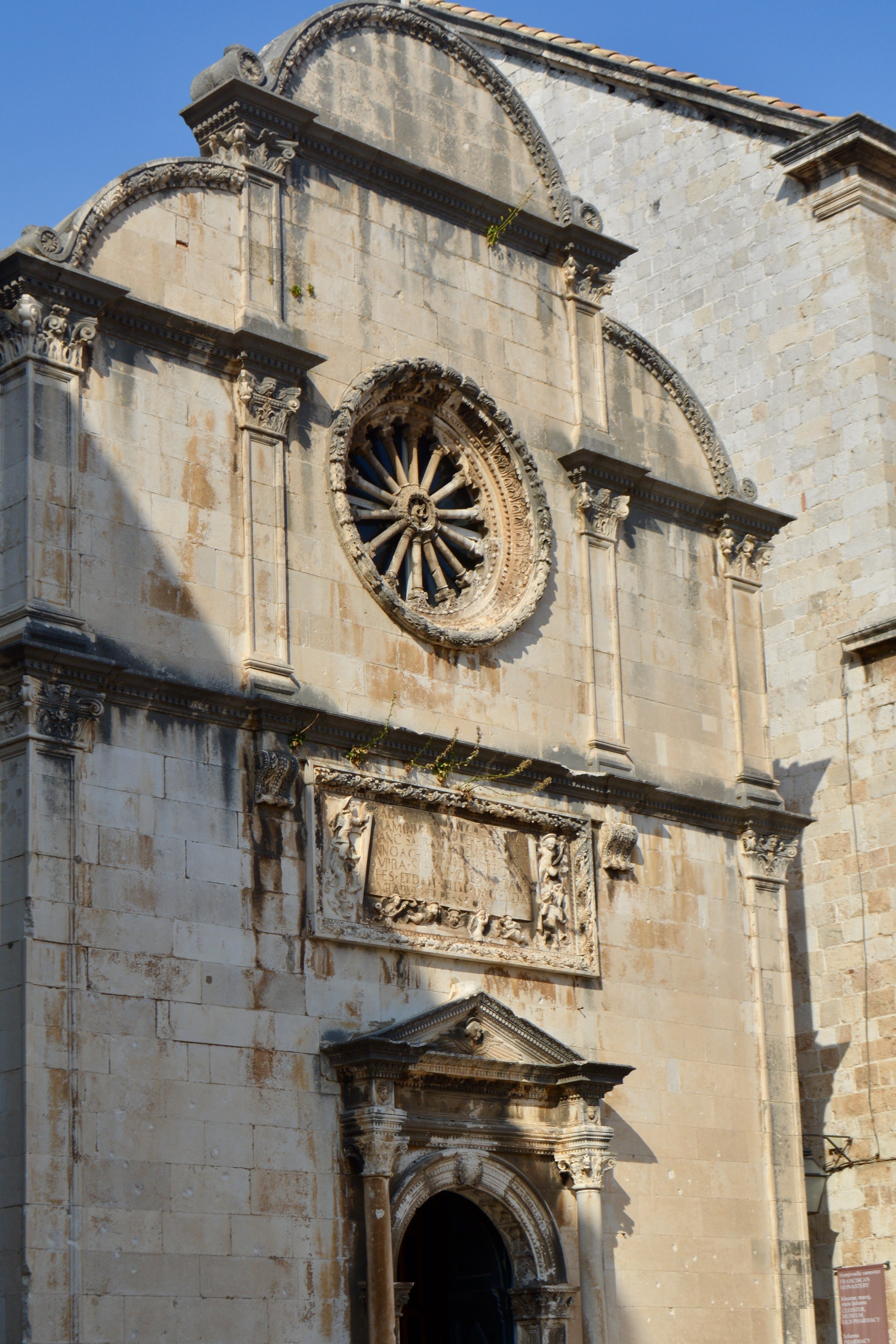
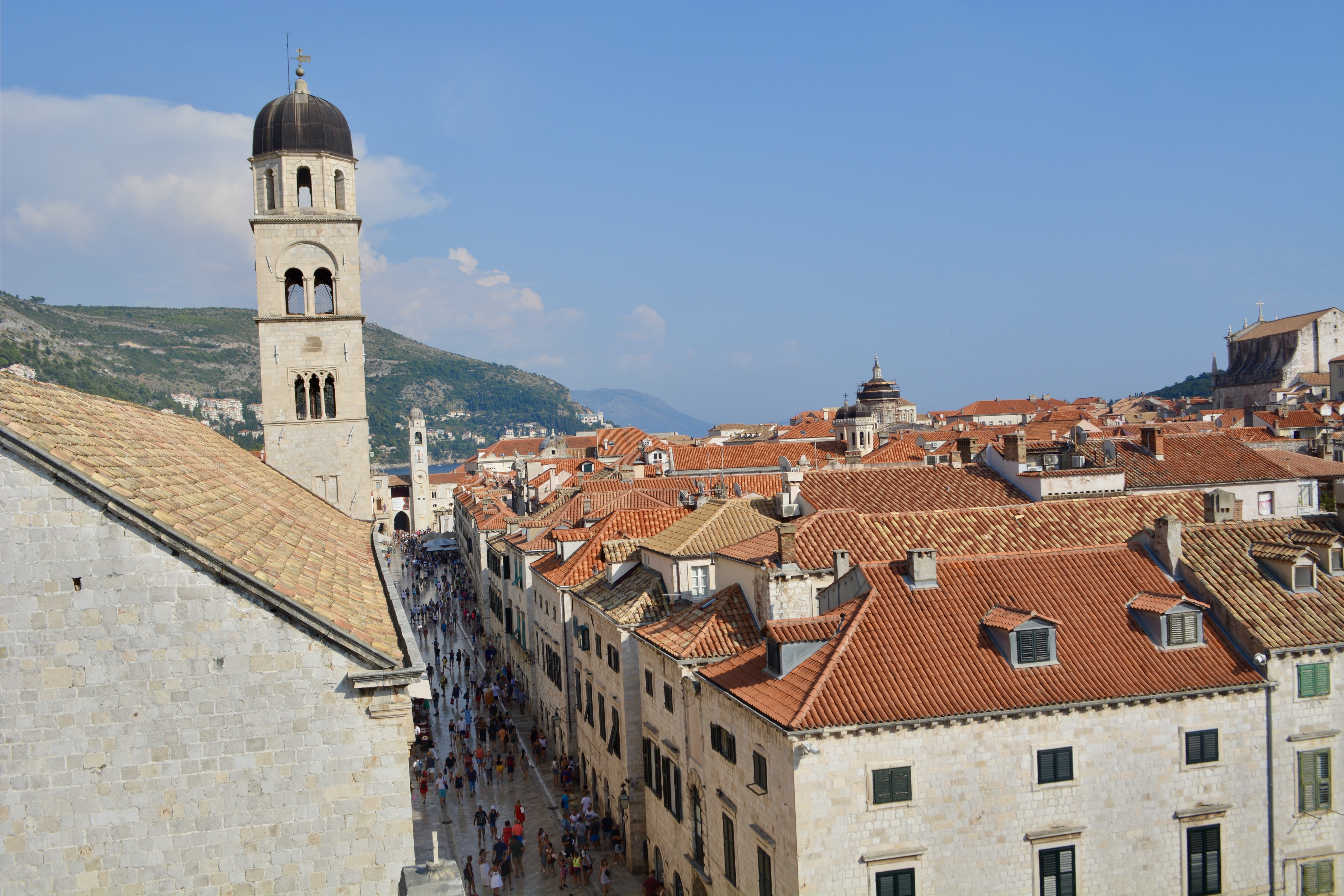
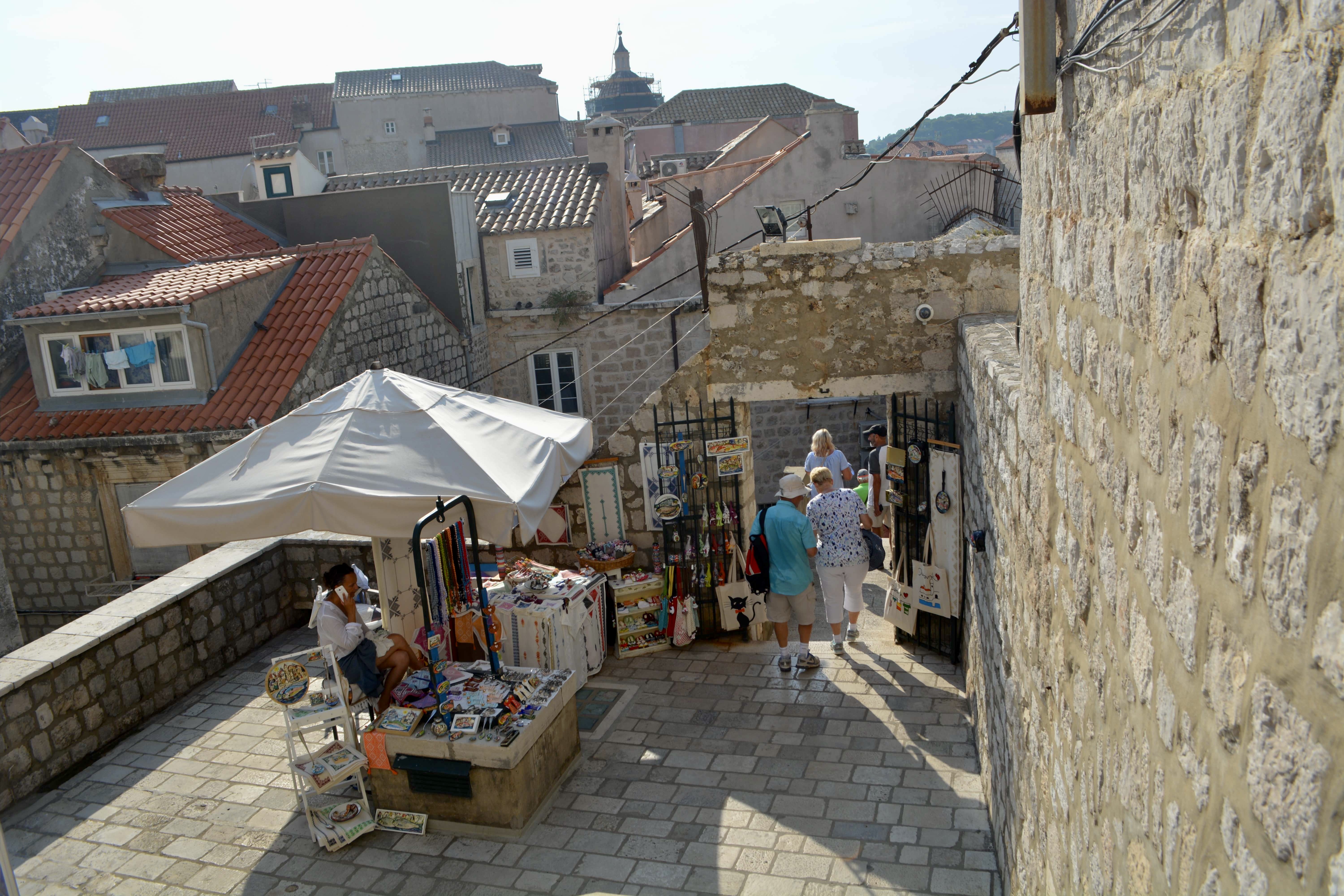
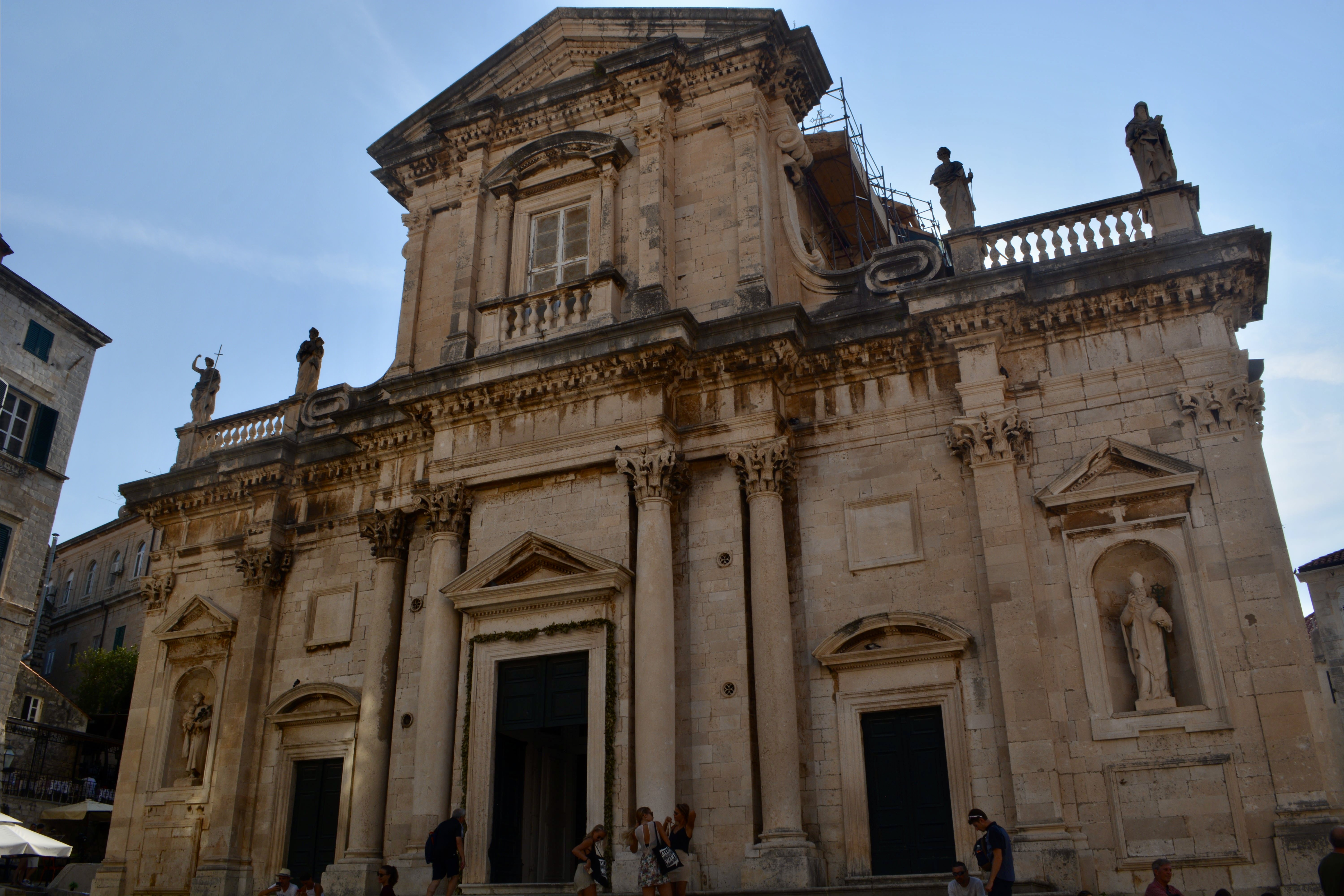
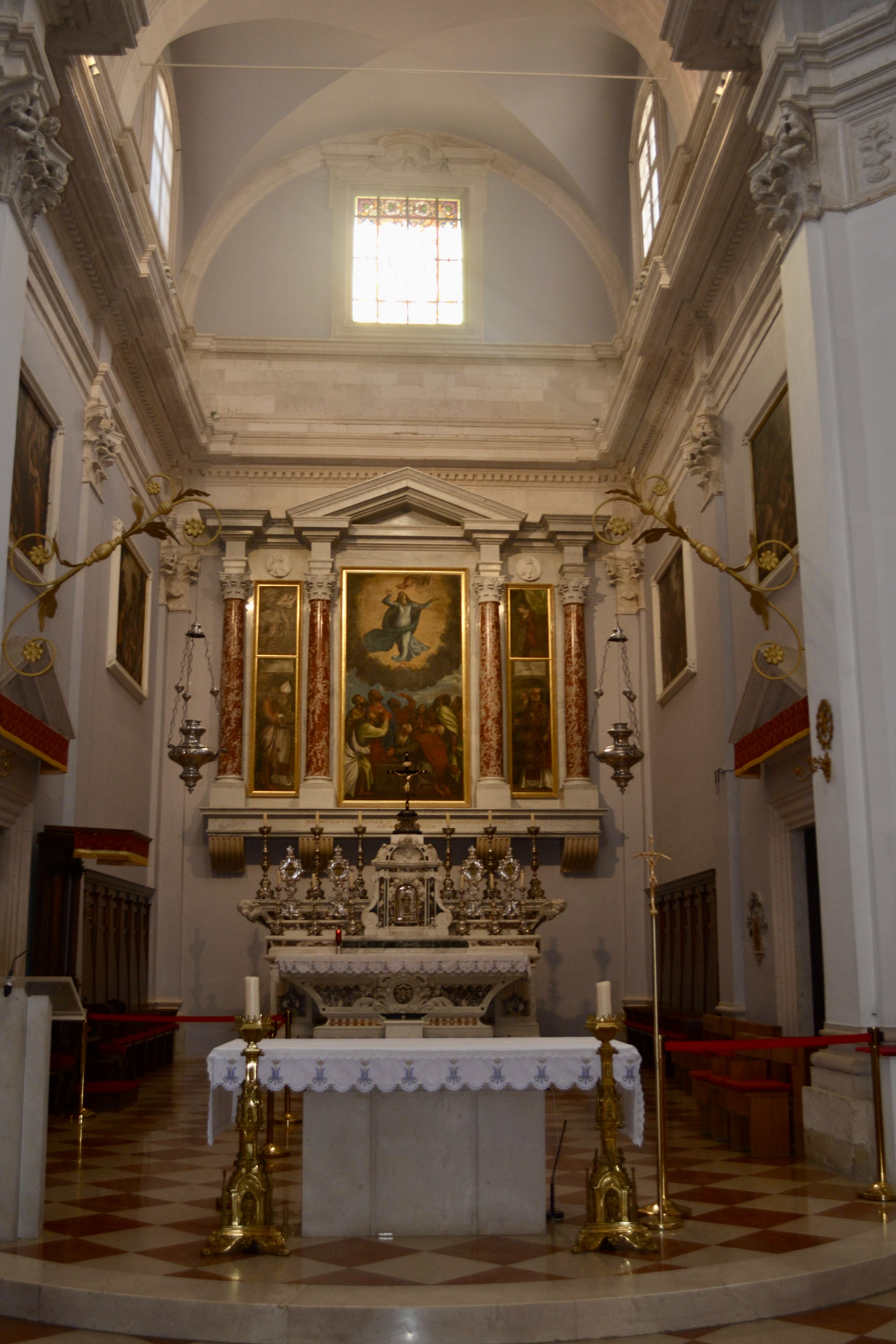
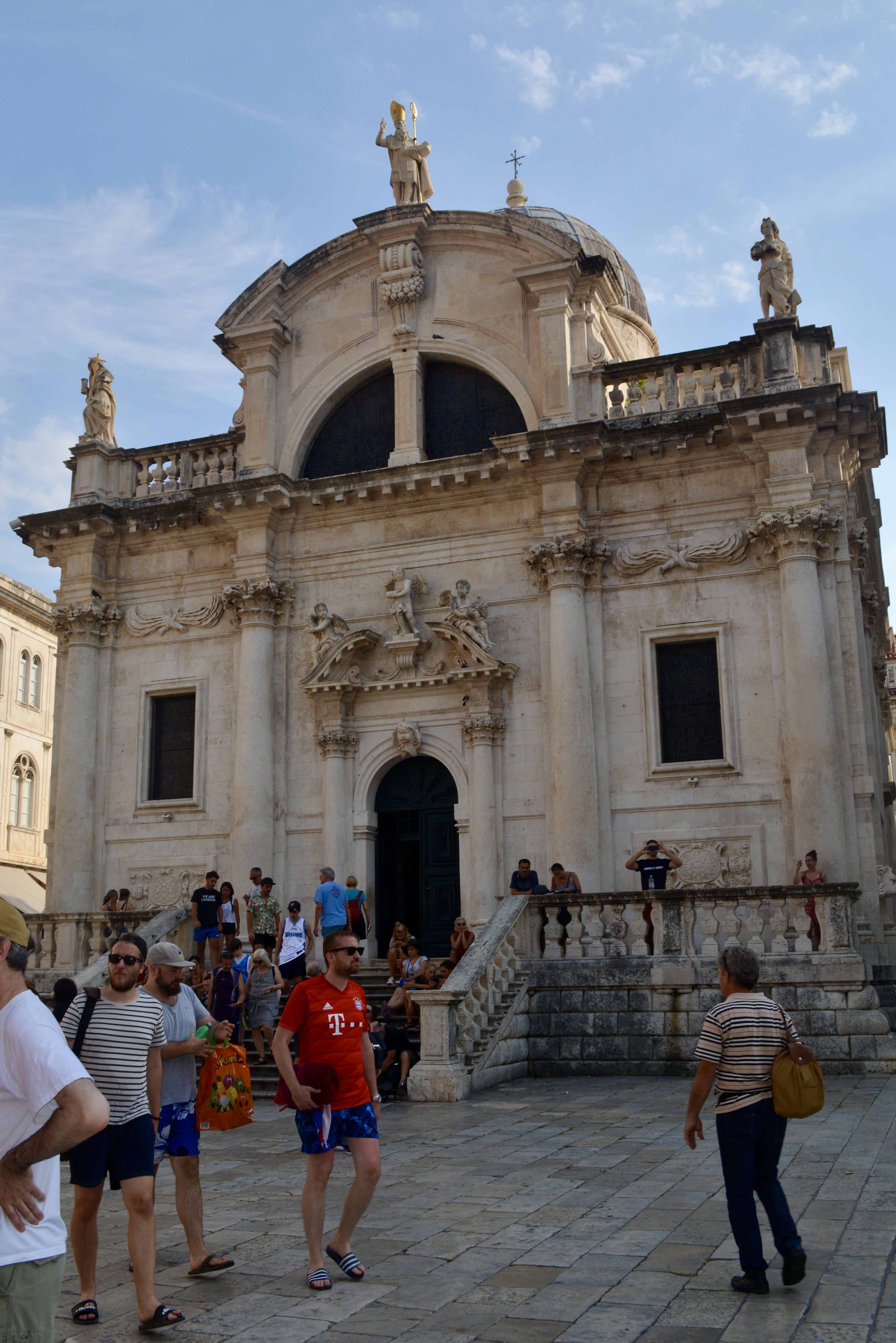
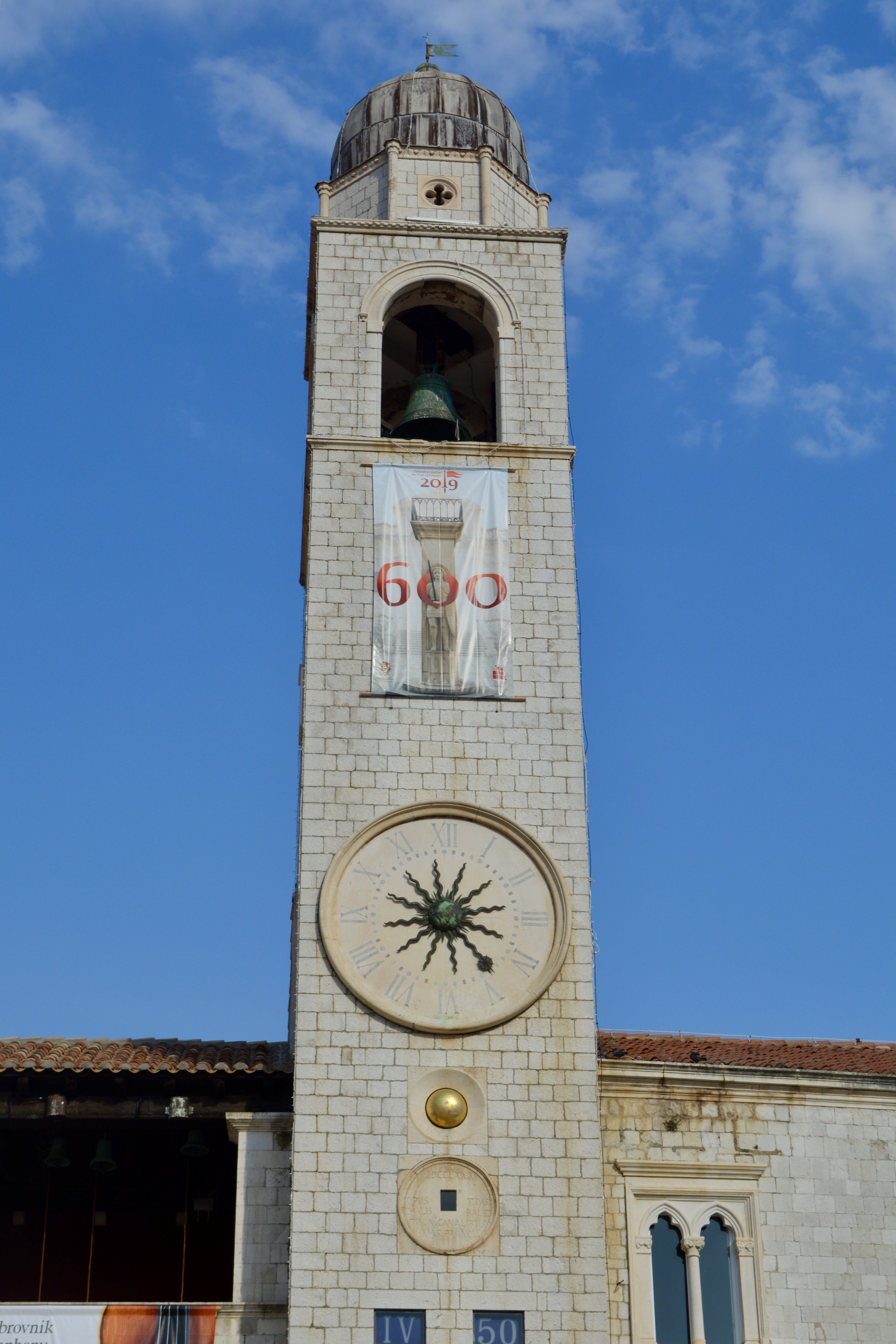
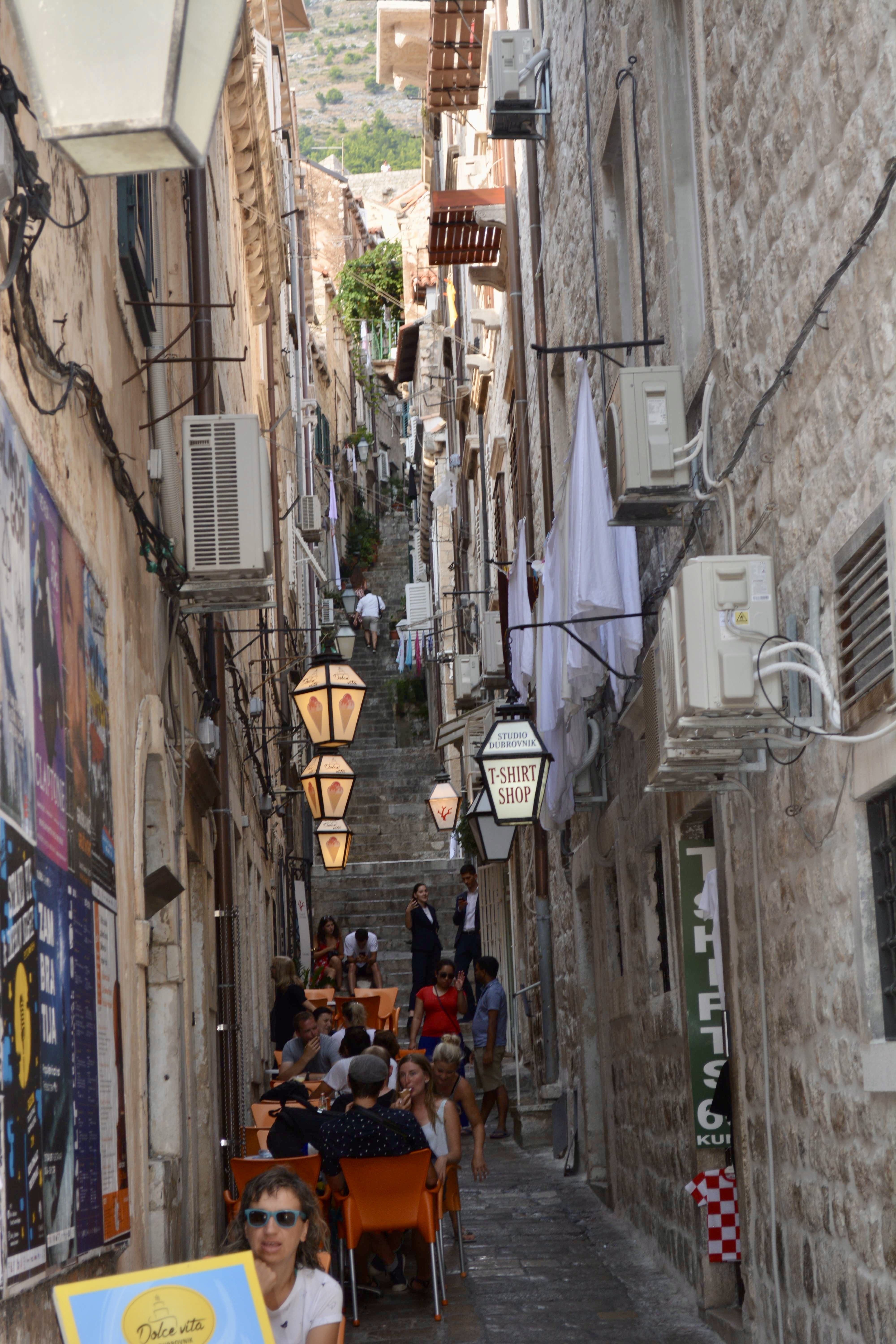
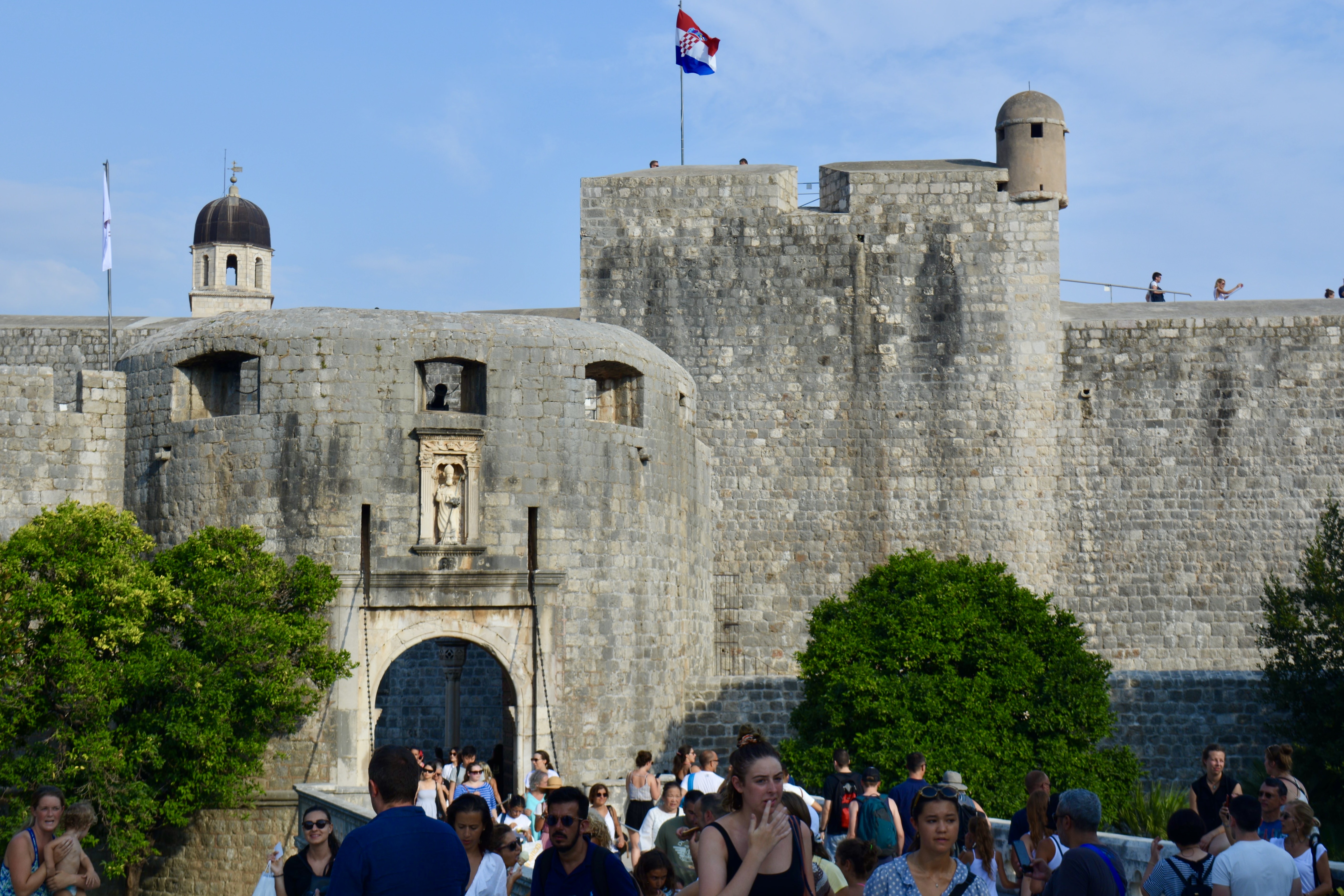
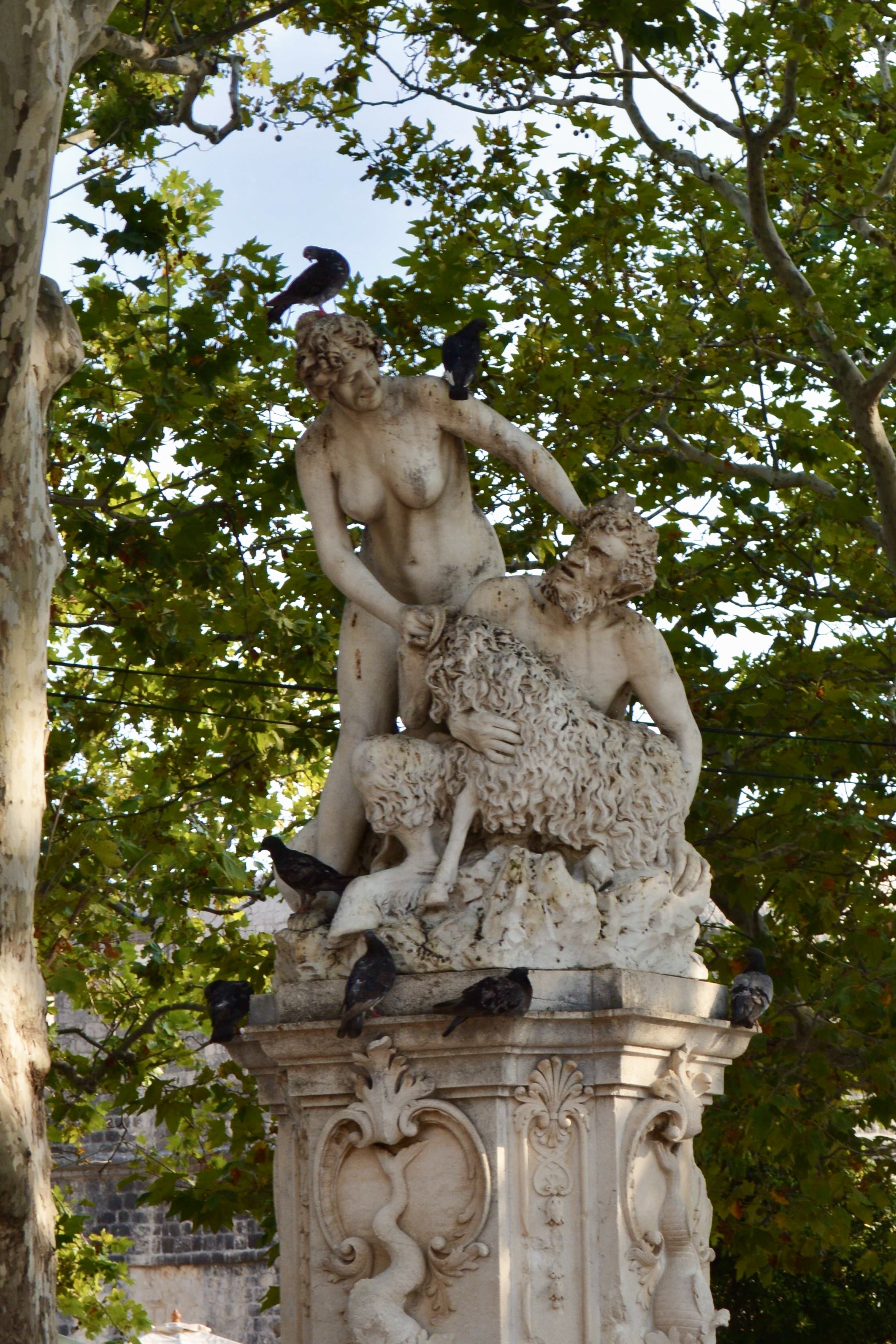
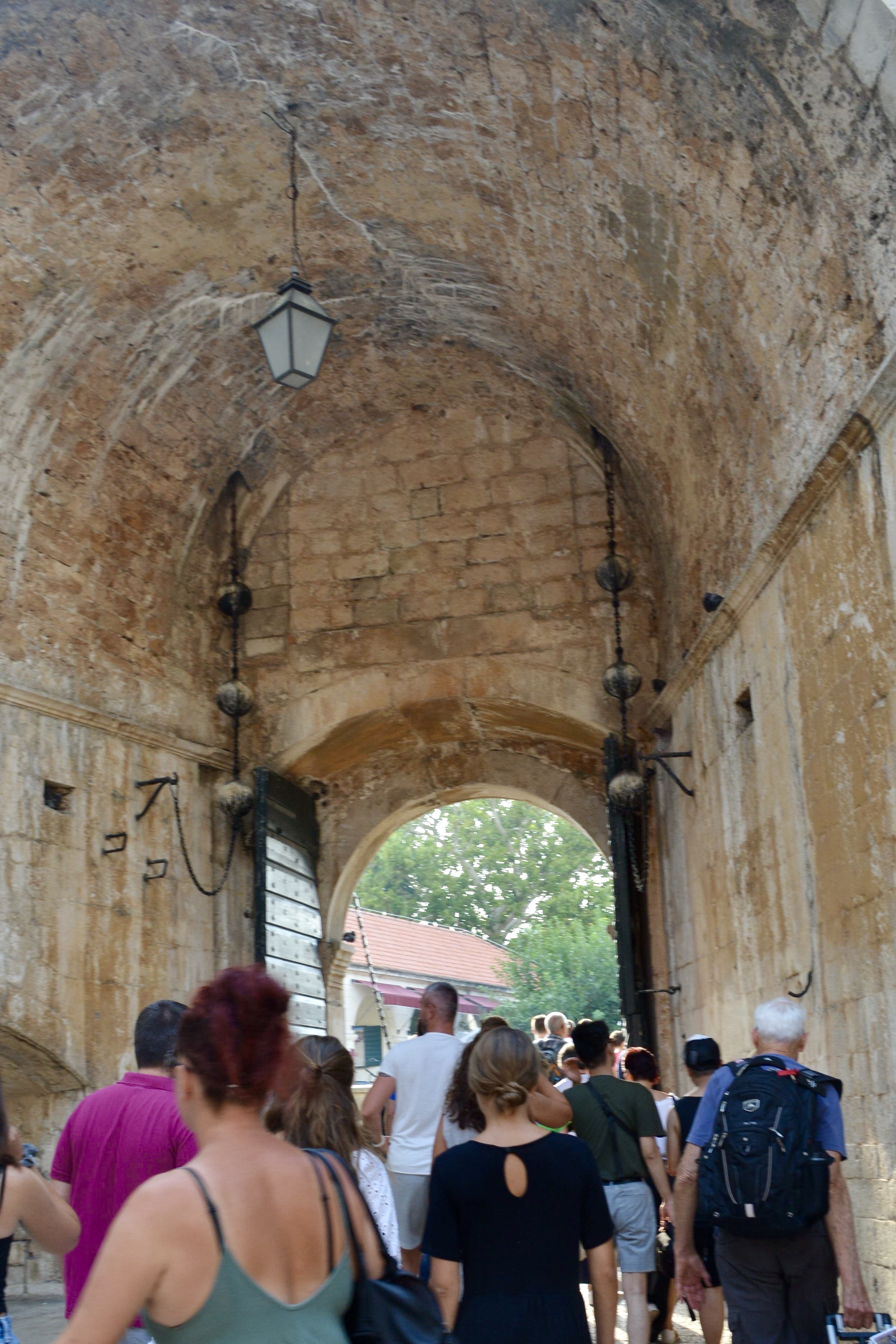
We entered through the Pile Gate and stepped into what felt like a dream. The Stradun, the city’s main street, gleamed like marble in the morning sun. Shops opened slowly, bells chimed from St. Blaise’s Church, and the smell of fresh bread drifted from a bakery tucked into a stone archway.
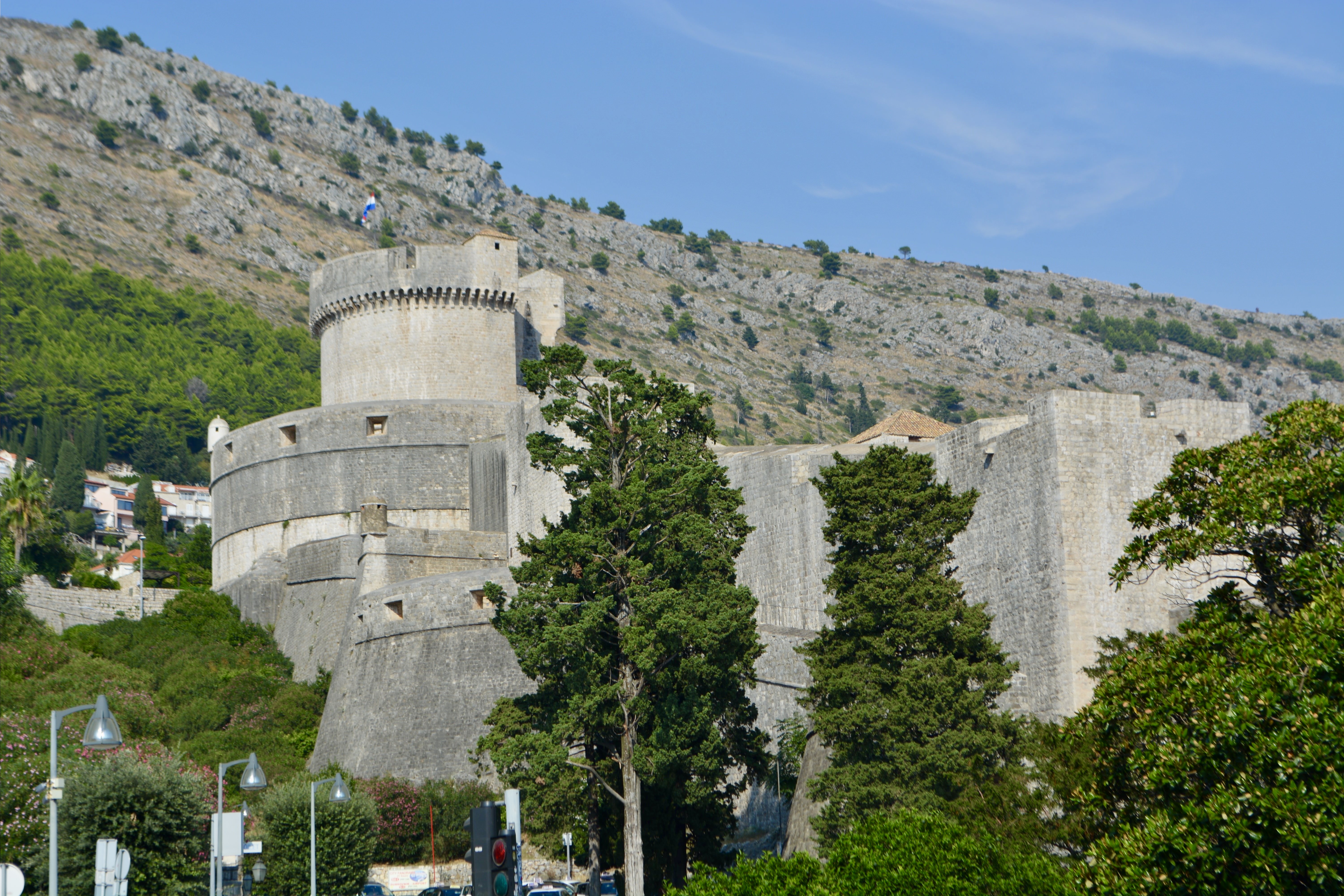
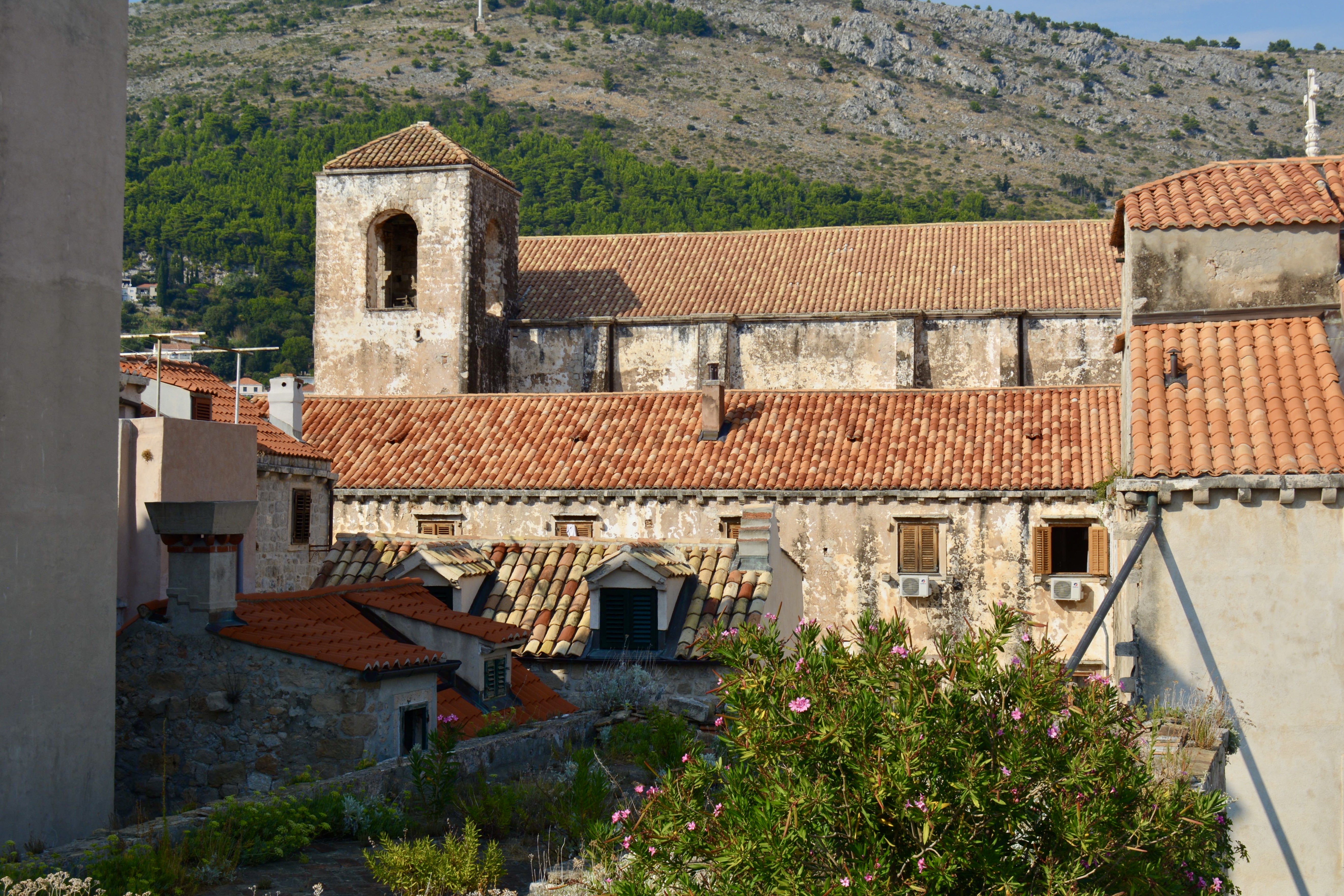
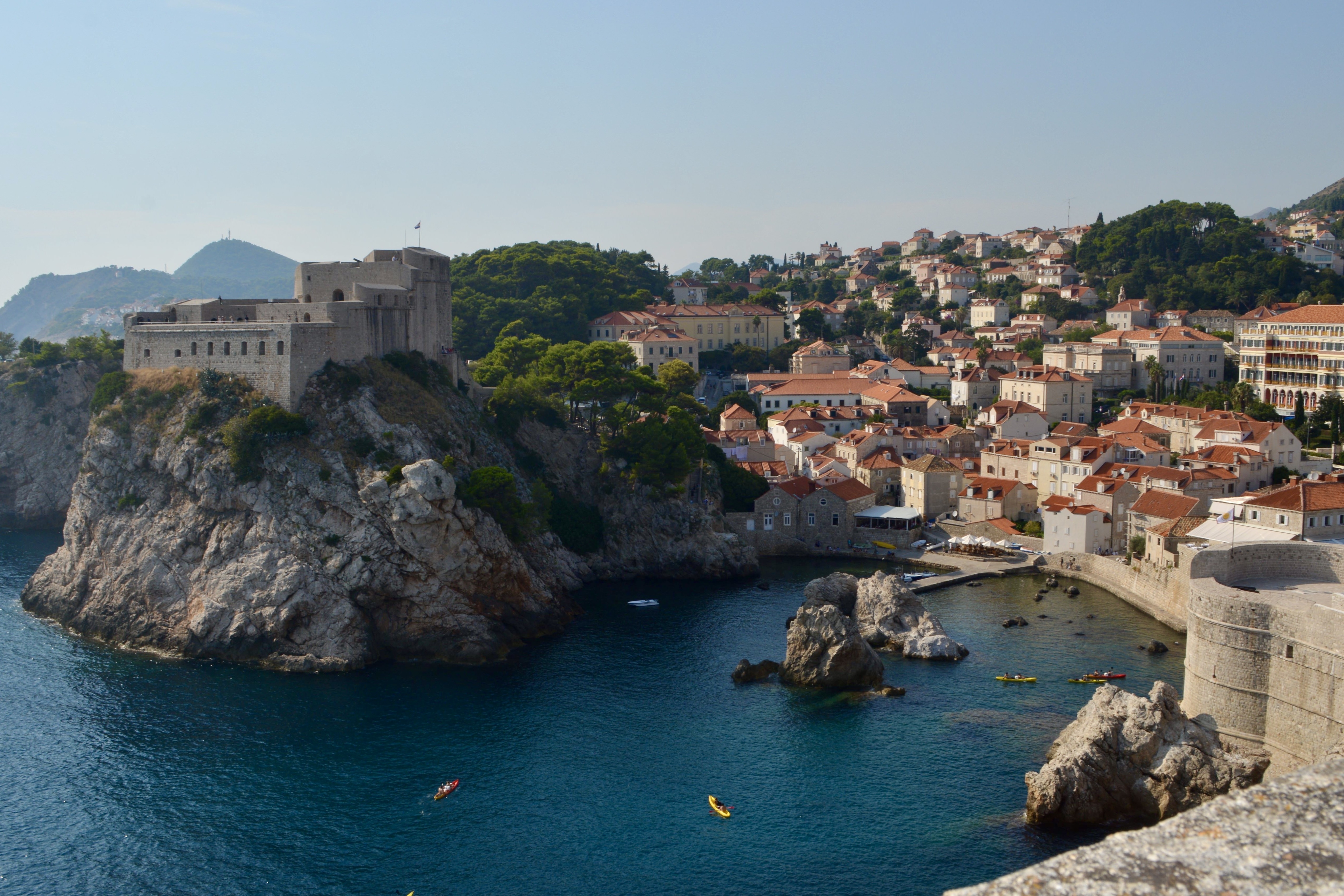
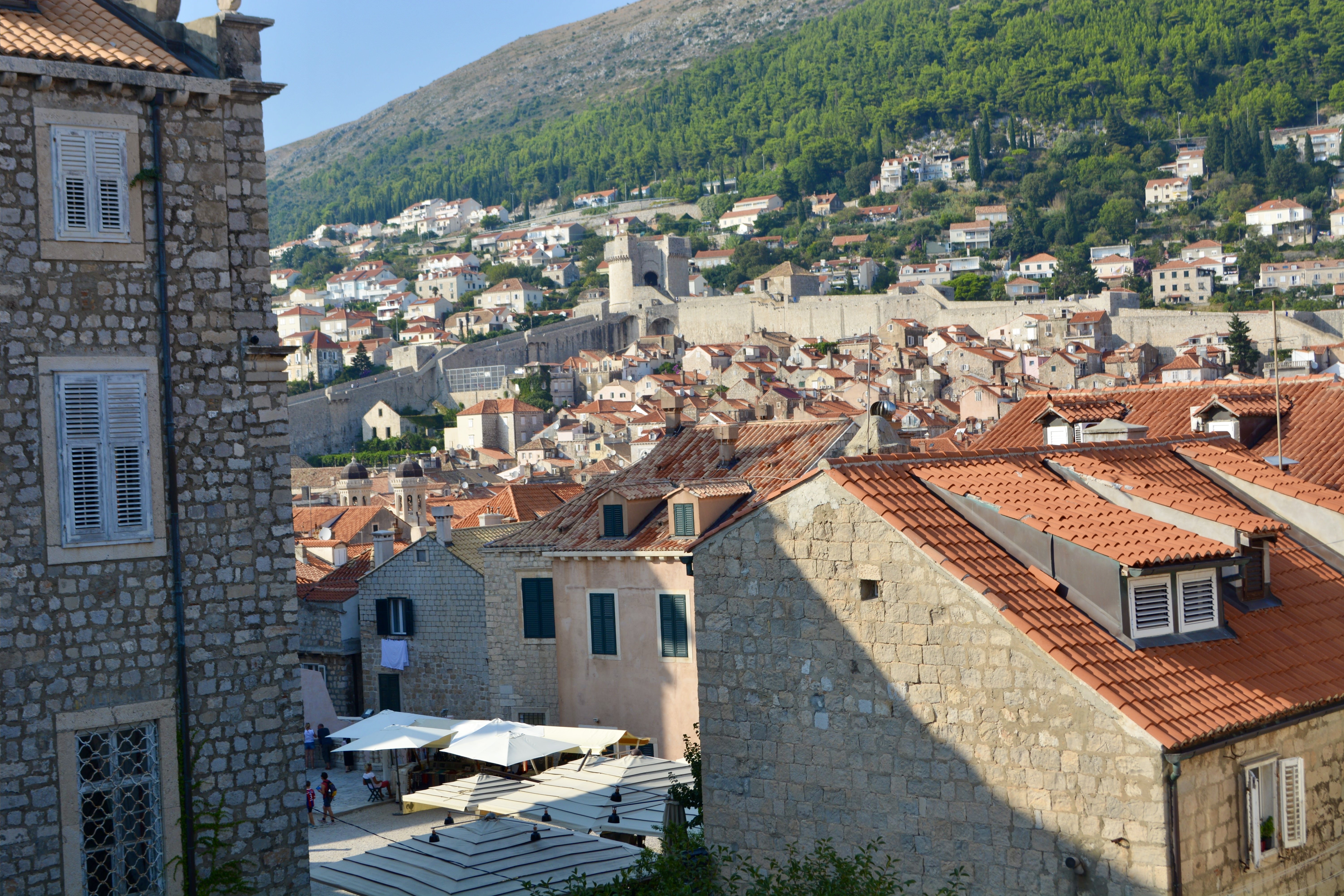
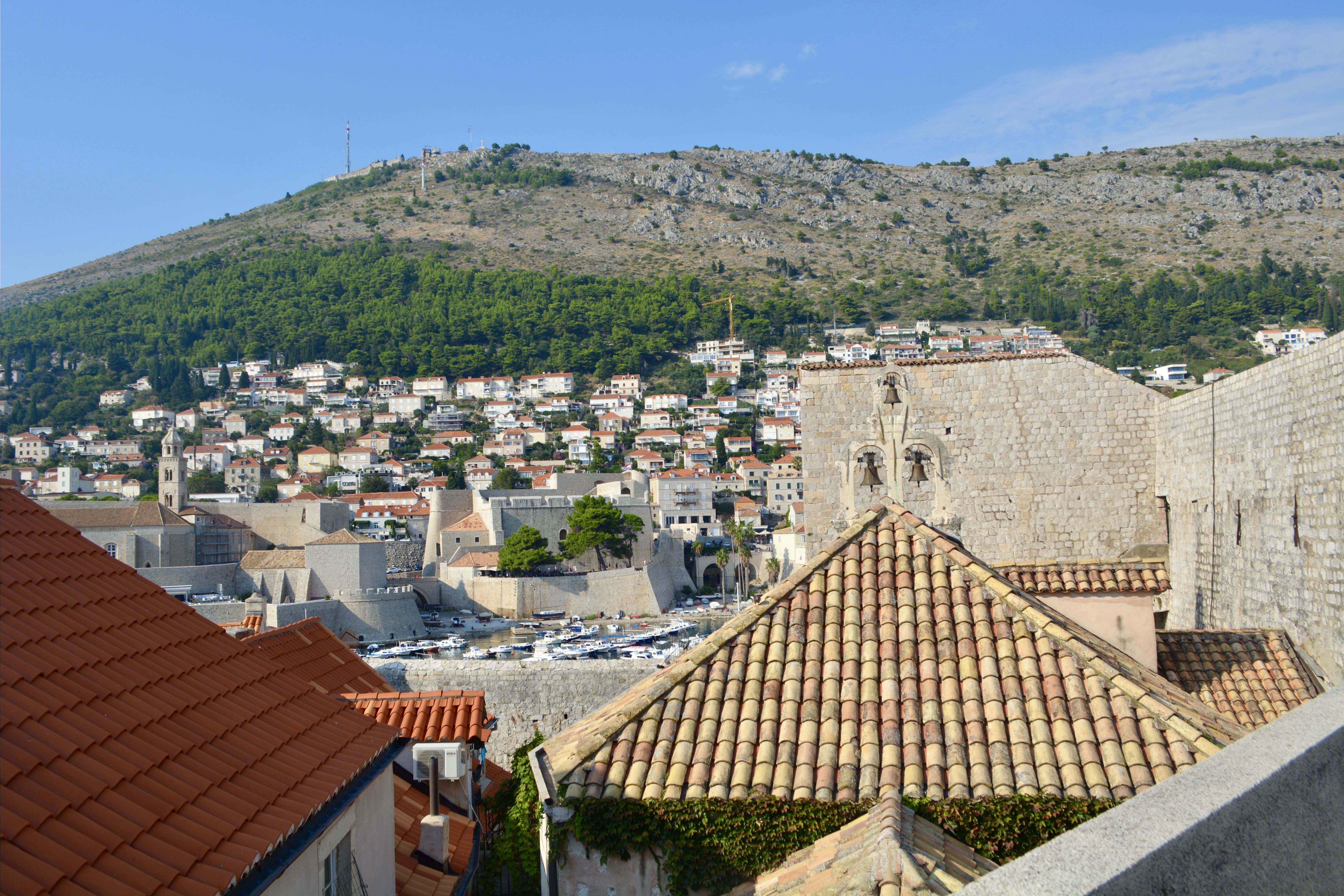
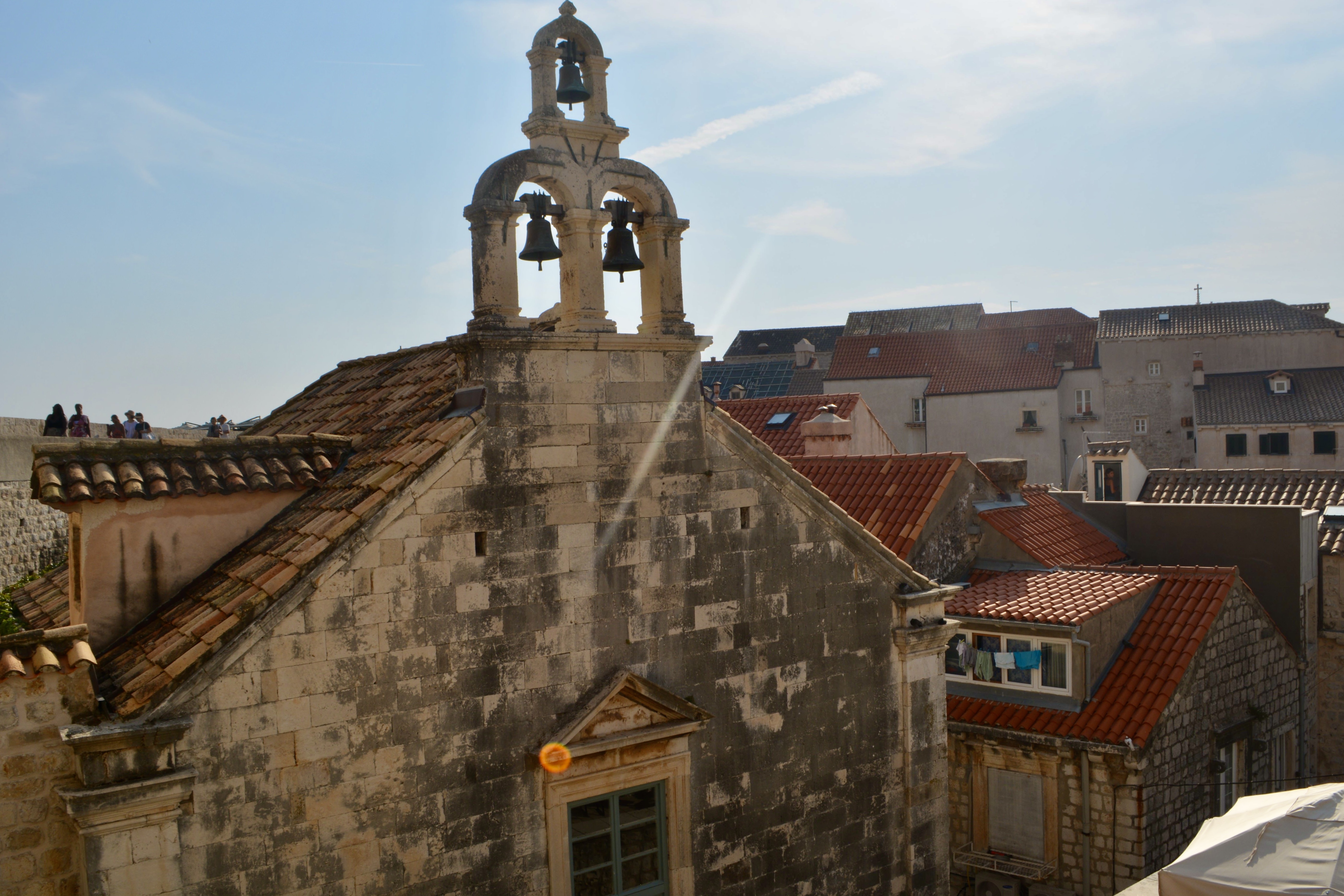
We found the stairs leading up to the city walls and decided to walk the entire 1.2-mile circuit. From up there, the world unfolded in every direction – terracotta rooftops glowing beneath us, the deep blue Adriatic stretching beyond, the hum of the city below. Every few steps, we stopped for another photo, another pause to take in the view.
At one point, as we rested on the wall’s edge, I thought of my daughters’ grade school castle projects – cardboard towers, glue sticks, and construction paper gates. I never imagined I’d one day walk through a real one, with the same turrets, courtyards, and life buzzing inside. Dubrovnik felt like the childhood fantasy made real – a city alive inside its own storybook.
We ended our wall walk just as the cruise ship crowds arrived and rewarded ourselves with gelato in the shade of St. Blaise’s. It was one of those perfect travel days – full, unhurried, and real.
The Cable Car and the View of Forever
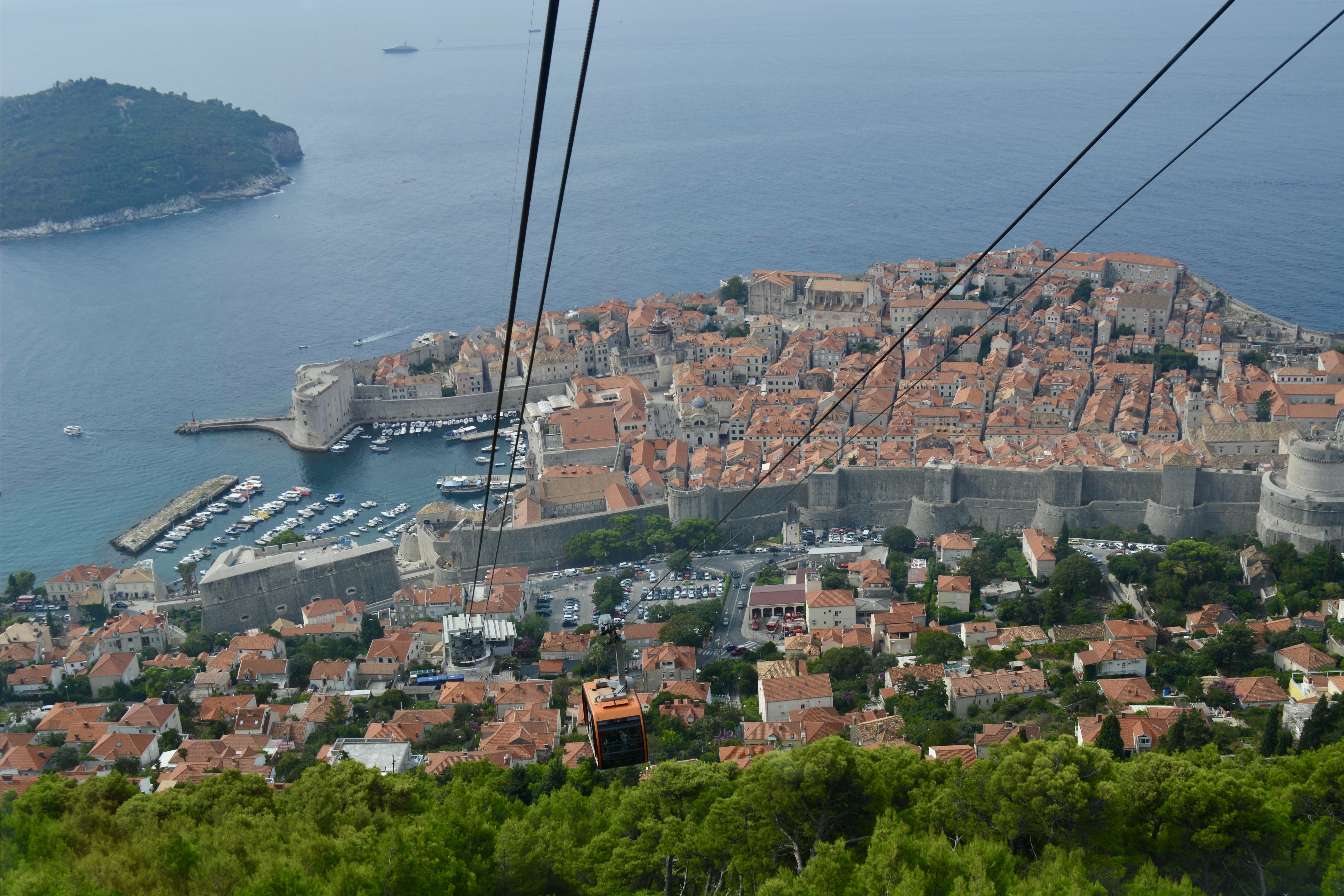
The next morning, we decided to see Dubrovnik from above. The cable car to Mount Srđ offers views you’ll never forget. My husband, who is not exactly a fan of heights, needed a little encouragement. Let’s just say he may have kept his eyes closed most of the way up, claiming to be “deeply moved by the engineering.”
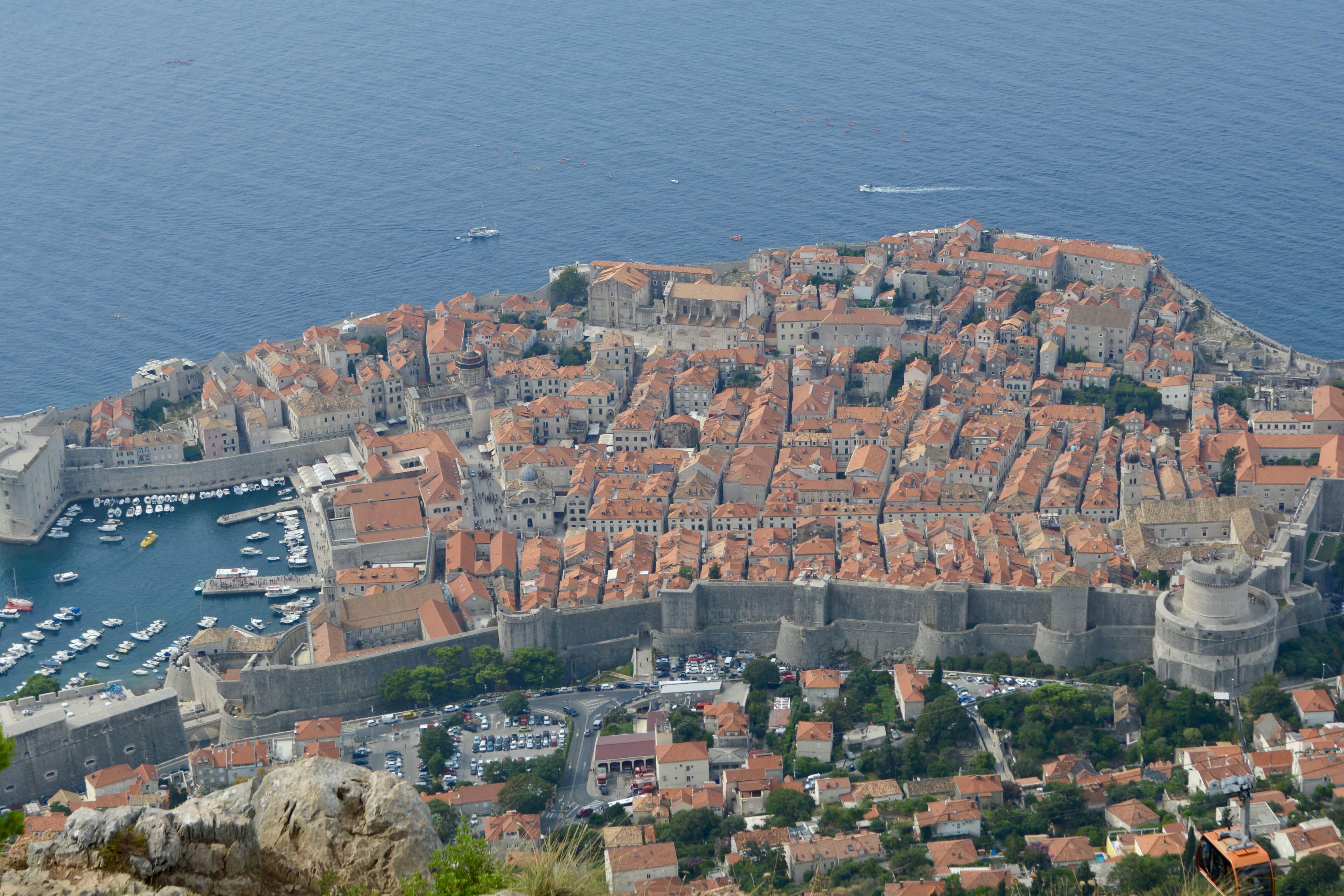
When we stepped out at the top, the view was nothing short of breathtaking – the old city glowing orange below, the Adriatic stretching to the horizon, and islands scattered like stepping stones across the sea. It was quiet, peaceful, and utterly unforgettable.
On the way back down, the city below looked almost too perfect – red rooftops, glinting towers, narrow streets winding like ribbons toward the harbor. Dubrovnik had a pulse, a rhythm, a kind of magic that made you feel lucky just to be standing there.
If I return – and I will – I’d love to stay inside the city walls, in a small bed and breakfast tucked down one of those narrow stone alleys, where mornings begin with church bells and the sound of footsteps echoing through time. Maybe I’ll finally take a Game of Thrones tour, or spend a quiet evening on the harbor watching the lights reflect off the water. But for now, the memory of that view – and that feeling – is enough.
Reflections and Travel Tips
That drive from Split to Dubrovnik wasn’t just a road trip – it was a love letter to Croatia. It had everything: ancient towns, border crossings, roadside brandy, markets full of laughter, and one sunset I’ll never forget. Croatia has a way of sneaking into your soul through the small moments – a view, a story, a taste – until you realize you’ve fallen in love with the country entirely.
If you’re planning your own trip to Dubrovnik, here are a few tips:
• Stay Inside the Walls – It’s pricier, but worth it for the early mornings before the cruise ships arrive and the quiet evenings when the streets glow in lantern light.
• Start Early – Visit the walls right after opening (around 8 AM). You’ll have the best light and far fewer crowds.
• Do the Cable Car – Even if you’re afraid of heights, the view from Mount Srđ is spectacular. Go at sunset for photos you’ll treasure forever.
• Game of Thrones Fans – There are themed walking tours that trace filming spots throughout the city. Even if you’re not a superfan, the historical context is fascinating.
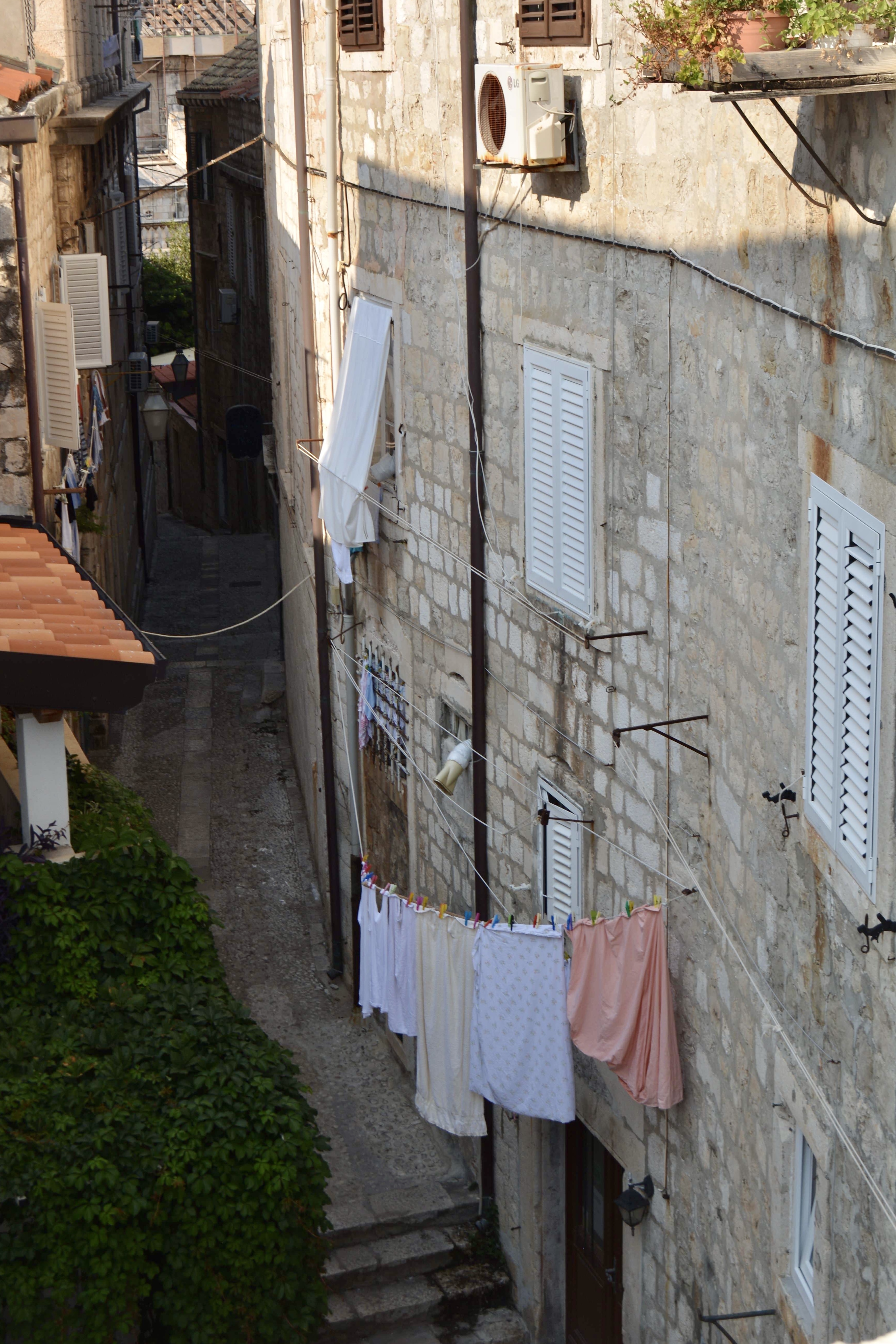
• For a More Authentic Experience – Step away from the Stradun and wander the side alleys. Find a family-run konoba (tavern), order local wine, and chat with the owners. That’s where Dubrovnik’s heart really lives.
• Plan for the Drive – The journey from Split to Dubrovnik via the coastal route (with a stop in Bosnia) is absolutely worth it. Hire a driver, take your time, and let the road itself become part of the adventure.
Croatia isn’t a place you just visit – it’s a place you feel. Somewhere between the sea, the stone, and the laughter of people who love where they live, it becomes a part of you too.
 Click, Wander & Savor